

Not every office has a microwave, a kitchen, or time for a full-fledged break. But that doesn't mean lunch has to consist of cookies, coffee, and the occasional sandwich. A cold lunch for work can be filling, convenient, and balanced if you combine the right ingredients and take care of storage.
The best format for a lunchbox is a dish that holds its shape well, doesn't get soggy in a few hours, and contains a protein source, vegetables, complex carbohydrates, and some healthy fats.
Points of attention
- A cold lunch for work can be filling, convenient, and balanced if you combine the right foods and take care of storage.
- It's best to put protein (chicken, eggs, fish, legumes), complex carbohydrates (buckwheat, quinoa, potatoes), and green vegetables in your lunchbox container, as well as some healthy fats.
- For a balanced lunch without reheating, it is important to consider not only the composition of the dish, but also the texture, carefully choosing the sauce and additional crunchy elements.
- When preparing cold lunches for work, it is important to follow food storage safety rules, avoid perishable ingredients, and package the dish carefully.
- You can take a variety of lunches to work: a Greek bowl with chicken and bulgur, a whole-grain roll with hummus and vegetables, a salad with pasta and tuna, potato salad without mayonnaise, quinoa or buckwheat with vegetables and cheese.
Why a cold lunch can be fulfilling
A cold lunch isn't just a green salad. You can pack a complete meal into a container that gives you energy for the afternoon and doesn't require reheating.
The guideline is simple:
protein: chicken, eggs, fish, legumes, tofu, cheese, hummus;
complex carbohydrates: buckwheat, bulgur, quinoa, pasta from hard varieties, potatoes, whole grain bread or pita bread;
vegetables and herbs: fresh, baked or pickled in moderate quantities;
fats: olive oil, avocado, nuts, seeds, yogurt or tahini-based sauce.
This approach is consistent with the general principles of a balanced diet, used, in particular, by the NHS and Harvard TH Chan School of Public Health: the diet should combine different food groups, without reducing food intake to only carbohydrates or only vegetables.
How to put together a balanced lunch without reheating
To make a no-heat lunch truly convenient, consider not only the ingredients, but also the texture.
The formula works well:
The basis is cereals, pasta, potatoes, bread or pita bread.
Protein is what makes a dish more filling.
Vegetables — for volume, fiber, and freshness.
Sauce - preferably separately so that the dish does not get soggy.
Crunchy element - seeds, nuts, crackers, cucumber, radish, cabbage.
If you get hungry quickly after lunch, most often the problem is not a "small portion", but that lunch did not contain enough protein, fat or complex carbohydrates.
Safety: What is important for storage
Cold lunches are convenient to take with you, but perishable foods require care. Meat, fish, eggs, dairy products, ready-made salads with sauces, and dishes with mayonnaise should not be kept warm for long.
Practical rules:
use a clean, airtight container;
for meat, fish, eggs and dairy products, take a thermal bag or ice pack;
Pack sauces separately;
do not leave lunch in direct sunlight or near a radiator;
if the smell, color or texture of the dish has changed, it is better not to risk it;
For a long day outside the refrigerator, choose less risky foods: whole grain bread, nuts, vegetables, fruits, hummus in a small portion, provided it is refrigerated before leaving.
For food safety, it is appropriate to follow the recommendations of official services, in particular the CDC or FDA, regarding the storage of prepared food and temperature conditions.
10 healthy cold lunches for work
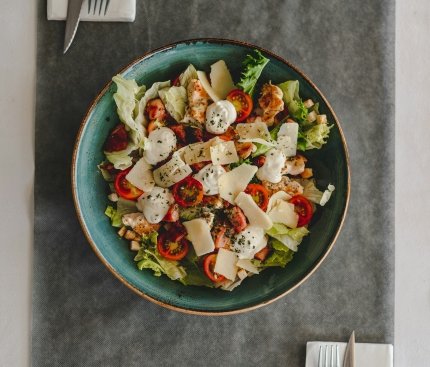
1. Greek bowl with chicken, bulgur and vegetables
Place boiled bulgur, pieces of baked or boiled chicken, cucumber, tomatoes, bell pepper, olives and some feta cheese in a container. It is better to put the dressing of olive oil, lemon juice and herbs separately.
Why it's convenient: bulgur doesn't stick together, chicken is filling, vegetables are refreshing. If you don't eat meat, replace the chicken with chickpeas or beans.
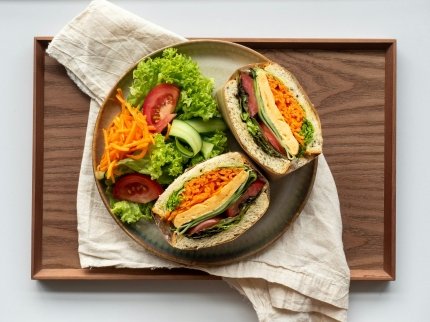
2. Whole grain roll with hummus and vegetables
Spread hummus on whole-wheat pita bread, add lettuce, shredded carrots, cucumber, pepper, and a little cheese or baked tofu. Wrap tightly and cut in half.
Tip: Don't put very watery vegetables directly on the pita bread. The lettuce leaves can act as a barrier to keep the roll from getting soggy.
3. Pasta, tuna and bean salad
Use durum wheat pasta, canned tuna, white or red beans, corn, cucumber, herbs, and a light lemon-olive dressing.
Important: Fish dishes should be kept chilled. If there is no refrigerator in the office, it is better to take a thermal bag with a cold element.
4. Potato salad without mayonnaise
Mix boiled or baked potatoes, green peas, cucumber, herbs, egg or chicken. Instead of mayonnaise, use a dressing made of mustard, olive oil and lemon juice or unsweetened yogurt if you have the option of refrigeration.
Why it's a good lunch: The potatoes taste good cold, and without the heavy sauce, the dish is easier to transport in a container.
5. Quinoa or buckwheat with baked vegetables and cheese
Put ready-made cereal, baked zucchini, peppers, carrots, eggplant or broccoli in your lunchbox. Add cheese, feta cheese or tofu, herbs and pumpkin seeds.
Tip: It is best to cool baked vegetables before packaging to prevent condensation from accumulating in the container.
6. Sandwich with egg, avocado and herbs
Take whole grain bread, a boiled egg, avocado, lettuce, cucumber, and a little mustard or yogurt sauce. To keep the bread from getting soggy, apply the sauce thinly and blot the cucumber with a napkin.
Who may not be suitable: People with sensitivity to eggs or those whose doctor has restricted certain fats should adapt the composition.
7. Salad with chickpeas, vegetables and tahini
Chickpeas are a great cold lunch: they are filling, neutral in taste, and go well with many vegetables. Add cucumber, tomatoes, parsley, bell pepper, and red onion, if desired. Keep the sauce of tahini, lemon juice, and water separate.
Plus: it's a convenient vegetarian lunch option to take with you.
8. Rice bowl with salmon or tofu
The base can be rice, topped with cucumber, carrot, avocado, nori seaweed, sesame seeds, and cooked salmon or tofu. It is best to use soy sauce in a small bottle.
Warning: Raw fish products for the office lunchbox are not the best idea unless you are sure of the quality and cold storage.
9. Lunchbox with cheese, egg, vegetables and whole grain crackers
This is an option for days when you don't have time to prepare a complex meal. Place hard or cottage cheese in a closed section, a boiled egg, cherry tomatoes, cucumber, carrots, apple, nuts, and whole-grain crackers in the container.
Tip: If using curd cheese or yogurt sauce, refrigeration is required.
10. Cold salad with lentils and vegetables
Boiled lentils hold their shape well and don't need to be reheated. Add roasted beets or carrots, arugula, cucumber, herbs, seeds, a little feta or tofu. Dressing - olive oil, lemon juice, pepper.
Why you should try it: Lentils contain plant-based protein and fiber, so this salad can be more filling than regular vegetable salad.
What to prepare the night before so you don't have to rush in the morning
Meal prep doesn't have to mean cooking for the whole week. Just having a few basic ingredients is enough.
In the evening you can prepare:
boiled cereal or pasta;
baked vegetables;
chicken, eggs, tofu or legumes;
washed and dried greens;
sauce in a small container;
chopped dense vegetables: carrots, peppers, cucumber.
In the morning, all that's left to do is assemble the lunchbox. If the dish contains a lot of juicy ingredients, it's better to pack them in layers: grains or protein at the bottom, dense vegetables next, herbs on top, and the sauce separately.
Common mistakes with cold lunches
Not enough protein
A salad of just cucumber, tomato, and leaves can be a healthy addition, but it often doesn't replace lunch. Add eggs, chicken, fish, cheese, chickpeas, lentils, beans, or tofu.
Too much sauce
Even a good salad can turn into a watery mess if you dress it in the morning. Dressing it separately is the easiest way to preserve texture.
Improper storage
Dishes with meat, fish, eggs, and dairy products should not be carried in a warm backpack for half a day. If you don't have a refrigerator, use a thermal bag or choose a less risky composition.
Monotony
If you eat the same sandwich every day, it will quickly get boring. Change the base: bulgur today, pita bread tomorrow, potato salad or a lentil bowl the day after.
What to supplement your lunch with if you get hungry quickly
Sometimes one lunchbox is not enough - it depends on activity, schedule, portion size and individual needs. Instead of random sweets, you can take additional:
fruit;
a handful of nuts or seeds;
natural yogurt, provided it is refrigerated;
vegetable sticks with hummus;
whole grain breads;
cheese in portioned packaging, if possible to keep cold.
The easiest beverage choices are water, unsweetened tea, or coffee without excess sugar. Sugary drinks can add calories quickly, but they don't always keep you full for long.
Who should be careful with ready-made ideas?
Most of the suggested meals can be adapted, but they are not an individual diet. Caution is needed if you have:
food allergies or intolerances;
diabetes or other conditions that require carbohydrate control;
kidney, liver or gastrointestinal disease;
a medical diet prescribed by a doctor;
pregnancy or recovery period after illness.
In such cases, it is better to coordinate the composition of your lunch with a doctor or nutritionist, especially if you regularly change your diet.
FAQ
Can I take cold chicken to work?
Yes, if the chicken is fully cooked, cooled, and stored in safe conditions. For travel and offices without a refrigerator, it is advisable to use a thermal bag or ice pack.
How to make sure that pita bread or a sandwich doesn't get soggy?
Don't put watery vegetables directly on the bread. Use lettuce leaves as a barrier, add sauce in a thin layer or wrap it separately.
What to take to work without a refrigerator?
It is better to choose foods that are less sensitive to heat: whole grain bread, vegetables, fruits, nuts, rolls. Dishes with meat, fish, eggs and dairy products without refrigeration can be risky.
Are such lunches suitable for weight loss?
They can be part of a balanced diet, but they alone do not guarantee weight loss. Total calorie intake, portion sizes, activity, sleep, and health are important.
What sauces are best for a cold lunch?
Convenient options include olive oil with lemon juice, mustard dressing, tahini sauce, and yogurt sauce, provided it is refrigerated. It is best to store the sauce separately.
Can I prepare cold lunches for several days?
You can prepare individual components: grains, baked vegetables, protein base, sauce. But ready-made mixed salads with sauce usually retain their texture less well and require careful refrigeration.
What should a vegetarian get?
Dishes with chickpeas, lentils, beans, tofu, hummus, cheese, eggs work well, depending on the type of meal. Add grains, vegetables, seeds, and sauces for flavor and satiety.
Which container should you choose for your lunch to go?
The most convenient is an airtight container with several sections or separate small containers for sauce. For perishable foods, a thermal bag will be useful.
Conclusion
Cold lunches for work can be just as filling as hot meals. The main thing is not to limit yourself to a random sandwich, but to assemble a lunch from protein, complex carbohydrates, vegetables, and a quality dressing.
The most practical options are grain bowls, hummus rolls, pasta or bean salads, potato salads without heavy dressings, and lunch boxes with a few simple ingredients. And to keep your lunch not only tasty but also safe, make sure to refrigerate, use a clean container, and package sauces separately.

