
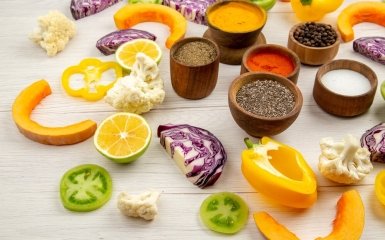
The word “superfood” sounds like it’s about something with almost magical properties. In fact, it’s not a medical term, but a popular name for foods with high nutritional value: they contain fiber, quality fats, protein, vitamins, minerals, polyphenols, or other bioactive compounds.
Important: No superfood cures disease on its own or compensates for a chaotic diet. But some healthy foods do have a convincing scientific reputation and can support health if they appear regularly on the menu.
Points of attention
- Superfoods are not a cure for diseases, but can support health when included in a balanced diet.
- The benefits of superfoods lie in their complex nutrients, fiber, minerals, and vitamins.
- Top 10 superfoods include berries, leafy greens, legumes, fatty fish, nuts, seeds, whole grains, fermented foods, olive oil, green tea, and cocoa.
What does "superfood" really mean?
“Superfood” is a catch-all term, not an official category in medicine or nutrition. It is usually used to describe foods that have a high concentration of beneficial nutrients in a relatively small serving size.
These nutrients include:
cellulose;
unsaturated fatty acids, particularly omega-3;
vegetable protein;
polyphenols and other antioxidant compounds;
potassium, magnesium, calcium, iron and other minerals;
vitamins B, C, K, E and others.
The evidence-based approach to superfoods is simple: the product should not be trendy, but useful as part of a balanced diet. That's why this list includes not only avocados or chia, but also oatmeal, lentils, kale, berries, and fermented dairy products.
How to evaluate the benefits of a product: not just vitamins
The benefits of superfoods are not limited to one vitamin or “unique antioxidant.” Nutrition works in a holistic way.
When evaluating a product, you should pay attention to several criteria:
degree of processing — whole or minimally processed foods are usually better than sugary bars labeled “superfood”;
fiber — it supports digestion, satiety, and intestinal microbiota;
quality of fats — unsaturated fats from fish, nuts, seeds and olive oil are healthier than excess trans fats and saturated fats;
nutrient density — how many beneficial nutrients a product contains per serving;
Realistic — the product must be affordable and convenient for regular consumption.
Below are 10 science-backed superfoods that are easy to incorporate into your regular menu.
TOP 10 superfoods with a proven reputation
1. Berries
Blueberries, raspberries, strawberries, blackberries, currants, and cranberries are rich in fiber, vitamin C, and polyphenols. Nutritional studies often link regular berry consumption to supporting cardiovascular and metabolic health.
Berries do not “cleanse the body,” but they can be a better alternative to sweets and add antioxidant compounds to the diet.
How to add to the menu:
to oatmeal or yogurt;
in a smoothie without excess sugar;
as a dessert after the main meal;
frozen out of season.
Warning: people with certain gastrointestinal diseases or individual intolerance to sour berries should focus on their own tolerance.
2. Leafy greens
Spinach, arugula, lettuce, Swiss chard, parsley, dill, and various types of cabbage are sources of folate, vitamin K, carotenoids, magnesium, and fiber. Leafy greens have a low energy density and make a good addition to almost any meal.
How to add to the menu:
in salads with olive oil;
to omelette or toast;
in soups and stews at the end of cooking;
like greens for a garnish.
Caution: People taking anticoagulants should not abruptly change the amount of foods high in vitamin K without consulting a doctor.
3. Legumes
Beans, lentils, chickpeas, peas, and soybeans are some of the most practical superfoods. They contain plant-based protein, fiber, iron, magnesium, and slow-digesting carbohydrates. Legumes can help keep you full and help you eat a more balanced diet.
Their advantage is their accessibility. Lentils or beans are often as nutritious as trendy, expensive foods.
How to add to the menu:
lentil soups;
chickpea hummus;
beans in salads;
stew with vegetables;
pastes and spreads.
Warning: Legumes can cause bloating, especially if your body is not used to a lot of fiber. It is best to start with small portions, rinse canned legumes well, and cook dried ones thoroughly.
4. Fatty sea fish
Salmon, sardines, mackerel, herring, and other fatty fish contain omega-3 fatty acids, protein, vitamin D, and iodine. Omega-3 foods are often associated with supporting cardiovascular health, normal brain function, and anti-inflammatory balance.
How to add to the menu:
baked fish with vegetables;
sardines or mackerel in salad;
homemade fish pastes;
herring in moderation with potatoes and vegetables.
Caution: Be aware of the salt content of smoked or canned fish. Pregnant women, children, and people with certain health conditions should discuss their fish choices with a professional, particularly due to the possible presence of contaminants in some species.
5. Nuts
Walnuts, almonds, hazelnuts, pistachios, and cashews contain unsaturated fats, protein, fiber, magnesium, and vitamin E. Nuts can help keep you full and are a healthy alternative to ultra-processed snacks.
Walnuts are especially often mentioned in the context of healthy eating, because they contain plant-based omega-3 fatty acids.
How to add to the menu:
a small handful as a snack;
chopped nuts for porridge;
salad addition;
base for homemade sauces or pastes.
Warning: Nuts are high in calories and can cause allergic reactions. Salted, caramelized, or heavily fried varieties don't have the same benefits as plain unsweetened nuts.
6. Flax and chia seeds
Flax and chia seeds are sources of fiber, plant-based omega-3s, minerals, and plant compounds. They work well as a meal addition rather than a stand-alone “cure” solution.
Flaxseed is better absorbed when ground. Chia forms a gel-like texture, making it convenient for puddings or adding to yogurt.
How to add to the menu:
to porridge or yogurt;
in the lane;
in homemade bread or pancakes;
in salads and sauces.
Caution: Due to their high fiber content, a sudden increase in the amount of seeds may cause gastrointestinal discomfort. It is important to drink plenty of water and not view seeds as a substitute for a varied diet.
7. Oatmeal and other whole grains
Oatmeal, buckwheat, brown rice, pearl barley, quinoa, and whole grain bread are foods with fiber, slow carbohydrates, minerals, and B vitamins. Oatmeal is especially known for its beta-glucans, a type of soluble fiber.
Whole grains can maintain satiety and help reduce the proportion of refined carbohydrates in the diet.
How to add to the menu:
oatmeal with berries and nuts;
buckwheat as a side dish;
pearl barley in soups;
whole grain bread instead of white toast.
Caution: People with celiac disease should choose gluten-free products and avoid gluten contamination. Other gastrointestinal conditions may have different tolerance to grains.
8. Fermented foods
Unsweetened yogurt, kefir, sauerkraut, kimchi, tempeh, and other fermented foods can support a diverse diet and gut microbiota. Some contain live bacterial cultures, protein, organic acids, and micronutrients.
How to add to the menu:
natural yogurt with berries;
kefir as part of breakfast or a snack;
sauerkraut for the main course;
tempeh in dishes instead of some of the meat.
Warning: Fermented foods can be high in salt or uncomfortable for some gastrointestinal conditions. Yogurts with a lot of sugar should not be equated with a healthy fermented product.
9. Extra virgin olive oil
Extra virgin olive oil is an important part of the Mediterranean diet. It contains monounsaturated fats and polyphenols. In research and health recommendations, this type of fat is often considered a better alternative to excess saturated fats.
How to add to the menu:
to dress salads;
add to prepared vegetables;
use in sauces;
combine with legumes and whole grains.
Warning: Olive oil is healthy, but it's high in calories. It shouldn't be spooned up "for cleansing" or used as an excuse for overeating fatty foods.
10. Green tea or cocoa without excess sugar
Green tea contains polyphenols, particularly catechins, and natural cocoa contains flavanols and minerals. These foods can be part of a healthy diet as long as they are not accompanied by large amounts of sugar, syrups, or cream.
How to add to the menu:
green tea without sugar or with minimal sweetening;
cocoa with milk or a plant-based drink without excess sugar;
natural cocoa for oatmeal;
dark chocolate in moderation, if well tolerated.
Warning: Green tea contains caffeine, so it is not suitable for everyone in large quantities or in the evening. Cocoa and chocolate can be high in calories, especially if they contain a lot of sugar.
How to add superfoods to your diet without fanaticism
The best approach is not to look for one “most powerful” product, but to assemble a plate from different food groups.
Practical tips:
add berries or fruit to breakfast instead of sweet toppings;
replace some of your meat dishes with legumes several times a week, if that suits you;
keep frozen berries, vegetables and herbs at home;
choose unsweetened yogurt and add flavor yourself — with berries, nuts, cinnamon;
use olive oil as a dressing, not as a “cure”;
Don't forget about simple local products: cabbage, beets, buckwheat, beans, apples.
Superfoods work best when they don't crowd out other important foods: vegetables, protein sources, whole grains, water, and adequate energy.
Who should be careful?
Even healthy products are not universally safe for everyone.
Caution is needed if you have:
food allergies, especially to nuts, fish, soy, or dairy products;
chronic diseases of the kidneys, liver, gastrointestinal tract or cardiovascular system;
pregnancy or breastfeeding;
taking anticoagulants or other medications whose effects may be affected by diet;
eating disorders;
the need for a therapeutic diet as prescribed by a doctor.
In such cases, it is best to consult a doctor or a qualified nutritionist before making any significant dietary changes.
Common mistakes: when a useful product doesn't work
Superfoods are often disappointing not because they are useless, but because they are expected to do the impossible.
The most common mistakes:
Expect a quick effect. Nutrition affects health gradually, not in a few days.
Adding superfoods to an unbalanced menu. Chia seeds do not compensate for a constant excess of sweets, alcohol, or ultra-processed foods.
Buy products with marketing labels. A sugary "acai berry" bar isn't necessarily healthier than oatmeal with blueberries.
Eating too much. Nuts, oils, seeds, and chocolate are nutritious but high in calories.
Ignore tolerability. If a product causes discomfort, don't force yourself to eat it because of its trendy status.
Example of a simple day with nutritious foods
This is not a personalized meal plan, but just an example of what superfoods can look like on a regular menu.
Breakfast: oatmeal with berries, ground flax seeds, and natural yogurt.
Lunch: salad with leafy greens, beans or chickpeas, vegetables, and olive oil.
Snack: a handful of unsalted nuts or kefir.
Dinner: baked fish with buckwheat or vegetables.
Drink: green tea or cocoa without excess sugar.
This approach doesn't require expensive powders or rare ingredients. The key is regularity, variety, and moderation.
FAQ
Do superfoods really cure diseases?
No. Superfoods are not medicines or a substitute for medical treatment. They can support health as part of a balanced diet, but they do not cure disease on their own.
Which superfood is the most beneficial?
There is no one best food for everyone. For most people, variety works best: vegetables, berries, legumes, whole grains, fish, nuts, seeds, and fermented foods.
Is it necessary to buy expensive exotic products?
No. Frozen berries, lentils, beans, oatmeal, kale, buckwheat, and kefir can be very nutritious and affordable. Exotic doesn't mean more beneficial.
Can you eat superfoods every day?
Many of them can be eaten regularly, as long as there are no contraindications or intolerances. But it is important to vary the products and not focus on one ingredient.
Do superfoods help you lose weight?
They can help maintain satiety and improve diet quality, but they do not guarantee weight loss. Weight change depends on overall energy balance, activity, sleep, health status, and other factors.
Are superfoods suitable for children?
Many healthy foods can be part of a child's diet, depending on age, tolerance, and pediatrician recommendations. Be especially careful with nuts, fish, allergens, and foods that your child could choke on.
Are frozen berries and vegetables healthy?
Yes, frozen berries and vegetables can be a good option, especially out of season. They often retain a significant portion of their nutrients and are convenient for daily use.
Can superfoods be harmful?
Yes, under certain conditions. Risks include allergies, excess, drug interactions, high salt or sugar content in prepared foods, and individual tolerance.
Conclusion
The real benefit of superfoods isn't in their fancy name, but in their nutritional value. Berries, leafy greens, legumes, fatty fish, nuts, seeds, whole grains, fermented foods, olive oil, green tea, and cocoa can all add to your diet.
But the best "superfood" is not a single product, but a stable nutritional system: a varied plate, moderation, sufficient fiber, high-quality sources of protein and fats, as well as attentiveness to your own health.
The material is for informational purposes only and is not a substitute for the advice of a physician, dietitian, or other medical professional. If you have a chronic condition, allergies, pregnancy, special dietary needs, or are taking medication, discuss dietary changes with a professional.

