

"Don't eat after six," "cut out carbs completely," "drink a detox juice," "work out every day until you're exhausted" — there's plenty of advice on social media for losing weight quickly. The problem is that some of it simplifies a complex topic into a single rule, and some can lead to nutrient deficiencies, muscle loss, crashes, and rapid weight regain.
To lose weight, you do need an energy deficit: on average, your body needs to take in less energy than it uses. However, how you create this deficit matters.
Modern recommendations emphasize a balanced diet, physical activity, adequate sleep, behavioral changes, and an approach that a person can maintain over the long term.
Here are popular weight loss tips that should be taken critically.
1. "To lose weight faster, you need to eat as little as possible"
This is one of the most dangerous ideas.
If a simple calorie deficit does not produce immediate results, a person may decide to:
"Then I'll just cut the food in half again."
This leads to rations of 500–800 kcal, days with almost no food, or prolonged fasting without medical supervision.
Weight can indeed drop quickly. But part of the initial loss is often water and glycogen, and with excessive restriction, the body can also lose muscle tissue.
Very low-calorie diets exist in medicine, but current NICE guidelines classify diets of less than approximately 800 kcal per day as specialized methods. They are used in specific clinical situations, for a limited period of time and under specialist supervision.
Among the possible problems of too strict a restriction:
weakness;
fatigue;
dizziness;
constipation;
loss of muscle mass;
nutrient deficiency;
hair loss;
increased risk of failure;
weight regain after completing the diet.
What to do instead
Create a moderate energy deficit that allows you to eat normally, work, move, and obtain the necessary nutrients.
For many people, a safer strategy is slower but more steady weight loss.
2. “You need to completely give up carbohydrates”
Carbohydrates are often the main "culprit" of excess weight.
But the concept of "carbohydrates" encompasses very different products.
These include:
sweet drinks;
candy;
baking;
and at the same time:
oatmeal;
buckwheat;
legumes;
vegetables;
fruits;
whole grain bread.
These are products that are fundamentally different in nutritional value.
The World Health Organization recommends getting carbohydrates primarily from whole grains, vegetables, fruits, and legumes. It is also recommended that adults get at least about 25 grams of natural dietary fiber per day.
For most people, completely eliminating carbohydrates is not a necessary condition for weight loss.
The well-known 12-month randomized trial DIETFITS found no significant difference in weight loss between a healthy low-carb and a healthy low-fat diet.
The key factors remain total calorie intake, diet quality, and the ability to stick to the chosen eating pattern.
What should be reduced?
First of all, foods from which it is easy to get a lot of calories with low satiety:
sweet drinks;
a large number of sweets;
frequent desserts;
part of refined pastries.
And there is no need to declare fruit or buckwheat as the cause of excess weight.
3. “The less fat in your diet, the faster you will lose weight”
Fat is more caloric than protein and carbohydrates: one gram of fat contains approximately 9 kcal, while a gram of protein or carbohydrates contains about 4 kcal.
Therefore, controlling high-fat foods can help reduce the energy value of the diet.
But this does not mean that fat needs to be removed as much as possible.
Fats are necessary for the normal functioning of the body and the absorption of fat-soluble vitamins. The type of fat is also important.
Useful sources of unsaturated fats can be:
olive oil;
nuts;
seed;
avocado;
fish.
WHO recommends paying attention to the quality of fats and replacing some of the saturated fatty acids with unsaturated ones.
A common trap
A person buys everything labeled "0% fat," but then eats more of the product or chooses an alternative with a lot of sugar.
The label “low-fat” in itself does not make a product suitable for weight loss.
4. “You just need to count calories — the composition of the food is not important”
This advice contains half the truth.
Energy balance is indeed fundamental to body weight change. If a person consumes more energy than they expend over a long period of time, the excess can contribute to weight gain.
So, calorie counting itself is not a harmful method . For some people, it can be a useful way to understand portion sizes and nutritional structure.
The mistake occurs when calorie content becomes the only criterion.
A conditional 500 kcal can be obtained from:
sweet drink and cookies;
or from:
a complete meal with protein, vegetables, grains, and a small amount of fat.
The calorie content may be similar, but the satiety, fiber, protein, vitamins, and minerals are completely different.
What to look for with calories
Pay attention to:
white;
fiber;
vegetables and fruits;
whole grain products;
quality of fats;
the proportion of highly processed foods;
portion size.
Calories are important, but the body feeds on food, not a number on an app.
5. “Protein is not important when losing weight — the main thing is the deficiency”
Energy deficit determines the direction of weight change, but the composition of the diet affects how easily this regimen is tolerated and what happens to body composition.
The protein is interesting for two reasons.
First, it can support feelings of satiety. Systematic reviews show that increased protein intake in a subset of overweight people is associated with improved feelings of satiety.
Second, when you lose weight, your body can lose both fat and lean mass. Studies show that getting enough protein in combination with strength training helps you better preserve muscle tissue.
You don't need to base your entire diet on protein.
It is enough to regularly include a source of protein in your meals:
eggs;
fish;
meat;
fermented milk products;
legumes;
tofu;
other relevant products.
The exact protein requirement depends on age, body weight, physical activity, and health status.
6. “A protein bar or shake is always better than a regular meal.”
The packaging may say:
protein;
fitness;
low sugar;
high protein.
This does not automatically mean that the product is more useful or better at helping you lose weight.
A protein shake can be a convenient way to get protein when you can't eat properly.
A bar can also be a practical snack.
But they don't have the magical power to reduce weight.
Some bars are close to regular desserts in terms of calories, and ready-made cocktails may contain added sugars and other ingredients.
Check the label
Look at:
calorie content;
amount of protein;
added sugars;
composition;
portion size.
If plain yogurt with fruit or eggs with vegetables are more convenient for you, there is no need to replace them with a “fitness product.”
7. "To lose weight, you need to skip breakfast or dinner"
Meal timing can affect mealtime convenience, appetite, and overall energy intake.
But there is no universal rule "you can't eat after 6:00 PM."
There is also no convincing evidence that skipping breakfast automatically makes a person lose weight.
Systematic reviews of randomized trials show no clear advantage of eating or skipping breakfast for weight change.
The same goes for meal frequency: there is no magic number of “five times a day” that in itself accelerates fat burning.

Focus on a regimen that helps control appetite
One person is comfortable:
breakfast + lunch + dinner.
To another:
two larger meals.
Someone needs a snack.
What is more important is the total amount of energy, the nutritional value of the diet, and whether the chosen regimen leads to severe evening hunger and overeating.
8. “A detox, juice cleanse, or tea will flush out toxins and kick-start weight loss.”
After a few days on juices, the number on the scale may actually decrease.
But this is not proof of "body cleansing."
A sharp reduction in food intake can lead to:
water loss;
reduction in glycogen stores;
less digestive tract content;
some loss of adipose tissue due to energy deficit.
No separate mechanism for “flush-out of toxins” that would be necessary for a healthy person to lose weight has been proven for such programs.
The body already has systems that process and excrete various substances: primarily the liver, kidneys, lungs, and digestive tract.
Of particular concern are "detox teas" with laxative or diuretic effects.
A decrease in the number on the scale after fluid loss is not fat loss.
9. “Fat burners and natural supplements will speed up the process”
The word "natural" is not synonymous with the word "safe."
Weight loss supplements may contain:
caffeine;
herbal stimulants;
laxative components;
mixtures with insufficiently studied effects.
Evidence for the effectiveness of many popular ingredients is weak or inconsistent.
There is a more serious problem.
Regulatory agencies regularly find hidden pharmacological substances in some weight loss products that are not on the label.
The FDA continues to issue warnings about “diet pills,” teas, and supplements with undeclared ingredients that can cause serious harm.
This is especially important for products that promise to:
"minus 10 kg without dieting";
"burning fat overnight";
"100% natural analogue of the drug."
Important clarification
Drugs for the treatment of obesity are a different category.
There are drugs with proven efficacy that can be prescribed by a doctor for appropriate indications. They should not be confused with over-the-counter "fat burners" of unknown origin.
10. “The faster the weight falls, the better the diet”
Seeing minus three kilograms in a few days is psychologically more pleasant than minus 300 grams.
But speed is not the main indicator of program quality.
The CDC and NHS recommend a gradual weight loss of around 0.5–1 kg per week as a practical guideline for many adults.
This is not a hard and fast rule for every person.
At the beginning of a dietary change, weight loss sometimes occurs more quickly due to fluid loss. For others, the rate will be slower.
The values are:
initial body weight;
sex;
age;
body composition;
physical activity;
medicine;
disease;
the magnitude of the energy deficit.
A quick result is especially suspicious if it is achieved through fasting, diuretics, laxatives, or extreme training.
11. “Workout should burn off everything you eat.”
After dessert, two hours of running.
After the restaurant, a day without food plus training.
So physical activity turns into punishment.
Exercise is really important for weight management. Adults are recommended to do at least 150 minutes of moderate aerobic activity per week, along with strength training for major muscle groups at least twice a week.
To maintain a reduced weight, some people may need more activity.
However, the logic of "earning food by working out" easily creates an unhealthy relationship with food.
Physical activity has its own benefits:
supports the cardiovascular system;
helps preserve muscle;
improves physical fitness;
supports mental health;
helps maintain the result.
You don't need to turn every workout into dinner compensation.

12. “Remove all your favorite foods forever”
Sweets are forbidden.
Bread is forbidden.
Pizza is forbidden.
Potatoes are forbidden.
Vacation — only with containers.
For a short marathon, this sometimes creates a sense of control. For a decade of life, this system is not suitable for everyone.
Current NICE guidelines emphasize a flexible and individualized approach that takes into account dietary preferences, life circumstances, and the ability to maintain the diet long-term.
You can lose weight even if you only occasionally have dessert, pizza, or another favorite food on the menu.
Question in:
frequency;
portions;
total calorie content;
the structure of the rest of the diet.
A diet that a person follows for two weeks and then quits completely is often less practical than a more moderate regimen that can be maintained for years.
Do you need to count calories to lose weight?
Not necessarily.
And at the same time, the statement "you can't count calories" is also wrong.
Counting can be useful if a person:
does not understand the size of their portions;
wants to estimate hidden calories in drinks;
does not notice the calorie content of sauces, nuts or oil;
needs a clearer structure.
Others are more comfortable using simpler rules:
half of the plate - vegetables;
in each main meal - a source of protein;
control of calorie drinks;
fewer highly processed foods;
estimated portions.
If counting calories provokes obsession, anxiety, or unhealthy restrictions, this tool may not be right for you.

What diet is best for weight loss?
There is no universal winning diet.
A person can lose weight on various eating patterns as long as they create a sufficient energy deficit and remain nutritionally complete.
For example, possible approaches could be:
Mediterranean diet;
moderately low-carb diet;
a diet with a reduced proportion of fats;
portion control;
certain options for intermittent fasting.
A large 2025 meta-analysis of randomized trials found that different intermittent fasting regimens generally do not have a dramatic advantage over continuous energy restriction. Individual regimens may make a small difference, but the key is the ability to actually maintain the chosen approach.
Therefore, it is more correct to ask:
"What balanced regimen can I maintain for a long time?"
What really helps you lose weight?
The basic strategy is much less sensational than diet marathons.
Moderate energy deficit
The body must receive less energy than it expends.
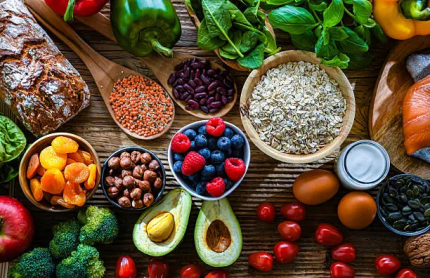
Enough protein
This helps maintain satiety and muscle tissue during weight loss.
Vegetables, fruits and fiber
They help form a nutritious diet and increase the volume of food without excessive calories.
Regular traffic
Aerobic exercise and strength training are beneficial.
Sleep
The CDC includes adequate sleep along with nutrition, physical activity, and stress management in the complex of healthy weight management.
Realistic system
The diet should work in everyday life — with work, family, restaurants, holidays, and vacations.
Why weight sometimes stops decreasing
A plateau does not necessarily mean that "the body has stopped burning fat."
After losing weight, the body needs less energy to maintain the lower mass.
In addition, a person can:
start to eat a little more imperceptibly;
move less;
to lose some of one's original discipline;
retain more fluid;
have weight fluctuations due to cycle, salt or carbohydrates.
The NIDDK notes that during weight loss, metabolic and hormonal changes can make it difficult to continue losing weight and maintain the results.
This is a normal part of the process, not evidence of a "broken metabolism."

When is it better to plan weight loss with a doctor?
Professional help is especially advisable if there is:
adiposity;
diabetes or prediabetes;
high blood pressure;
high cholesterol;
sleep apnea;
thyroid disease;
significant weight changes for no apparent reason;
eating disorder or suspicion thereof;
taking medications that can affect weight;
the need to significantly reduce body weight.
Modern obesity treatment may include nutrition, physical activity, behavioral therapy, medication, and in some cases, metabolic or bariatric surgery.
Therefore, a situation where changing your lifestyle by itself does not produce sufficient results should not be automatically interpreted as a "lack of willpower."
Conclusion
The main sign of bad weight loss advice is the promise of simple and quick results thanks to one secret: complete rejection of carbohydrates, fasting, "detox", fat burners, or exhausting workouts.
Sustainable weight loss is usually less impressive. It requires a realistic energy deficit, a nutritious diet, enough protein and fiber, physical activity, sleep, and a system that can be maintained after reaching the desired number on the scale.
It is the ability to live by the new rules a year later that matters more than the speed with which the first kilos disappear.
Important: the material is for informational and educational purposes only and does not constitute medical advice, diagnosis, or individual recommendations for weight loss or obesity treatment. Self-medication, extreme calorie restriction, or self-administration of medications, diuretics, laxatives, or weight loss supplements may be harmful to your health. Before significantly reducing your calorie intake, using medications, or starting a weight loss program if you have a chronic condition, be sure to consult your doctor.

FAQ
What rate of weight loss is considered normal?
For many adults, a practical guideline is about 0.5–1 kg per week. This is not necessarily the norm for every person: the pace depends on starting weight, nutrition, activity, health status and other factors.
Do you need to count calories to lose weight?
No, but counting can be a useful tool. Weight loss requires an energy deficit, but it can also be created through portion control, choosing lower-calorie foods, and changing eating habits.
Can you eat carbohydrates while losing weight?
Yes. Whole grains, legumes, vegetables, and fruits can be part of a balanced diet for weight loss. The overall calorie content and quality of the carbohydrate sources are important.
Do you need to give up fats?
No. Your body needs fats. It's better to control the amount you eat and choose unsaturated fat sources more often, such as fish, nuts, seeds, and olive oil.
Do you need to eat breakfast to lose weight?
Not necessarily. Randomized trials do not show a universal benefit of breakfast for weight loss. Choose an eating pattern that helps control overall food intake and appetite.
Does intermittent fasting help you lose weight?
It can help if it helps a person reduce their overall energy intake. In general, it doesn't show much consistent benefit over a normal daily calorie deficit, so the choice depends on convenience and health status.
Do fat burners work?
Many over-the-counter supplements lack evidence of significant long-term weight loss. Some products may contain unsafe or undeclared ingredients. Obesity medications should be distinguished from such supplements: they are prescribed by a doctor for medical reasons.
Is it possible to lose weight without exercise?
Yes, weight loss is possible through an energy deficit even without exercise. However, physical activity has numerous health benefits, helps preserve muscle, and is important for long-term weight control.
Why does weight come back after a diet?
Reasons may include returning to previous eating habits, excessive restrictions, reduced energy needs after weight loss, and physiological mechanisms that contribute to weight regain. Therefore, it is important to have a strategy for maintaining the results.
Is it possible to lose weight without banning sweets?
Yes. You don't have to give up desserts completely. Small portions of your favorite foods can fit into your diet as long as the overall energy value and nutritional quality of the menu meet your goals.

