
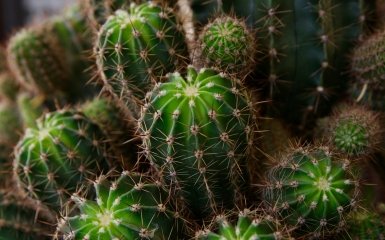
A cactus near a computer supposedly protects against radiation, it can be left without watering for months, and for normal growth it is enough to put the pot on a sunny windowsill. Such advice is widespread, but not all of it corresponds to the characteristics of these plants. Cacti are indeed adapted to a lack of water, but this does not make them invulnerable. Some species come from arid deserts, others grow in humid tropical forests. Accordingly, the conditions of lighting, watering and wintering can differ significantly.
The most common myths about cacti concern their ability to absorb radiation, need for water, love of direct sun, and difficulty in flowering. In reality, successful cultivation depends on the type of plant, soil quality, lighting, and seasonal care regimen.
Let's look at twelve popular claims about cacti, find out which ones are scientifically unfounded, and explain how to care for these plants in an ordinary apartment.
How are cacti different from other houseplants?
Cacti belong to the botanical family Cactaceae , which includes a large number of species with different shapes, sizes, and natural habitats.
Most of them belong to succulents - plants capable of storing water in specialized tissues.
In cacti, the main reservoir of moisture is usually the stem. It can be spherical, columnar, flat, or composed of separate segments.
Another characteristic feature is the areolae, which are specialized areas from which thorns, flowers, and new shoots can develop.
It is the areolas that help distinguish true cacti from other succulents, which can be very similar in appearance.
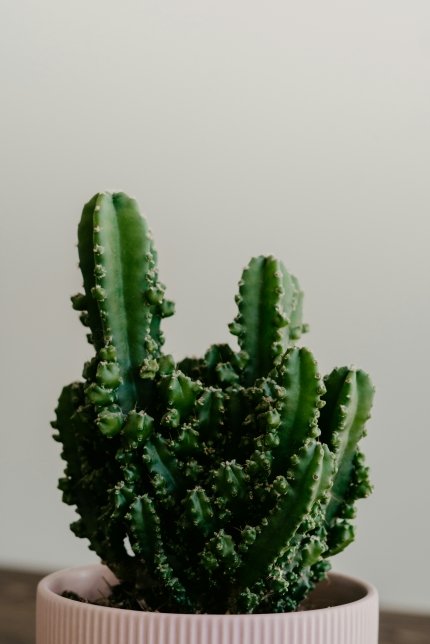
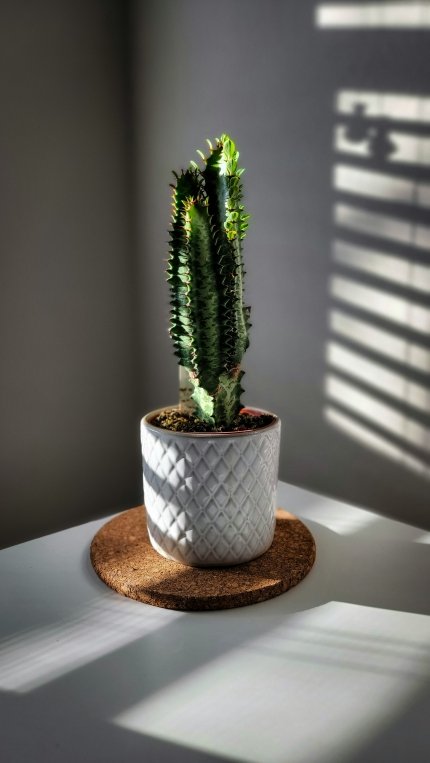
For example, some spurges resemble columnar cacti but belong to a different botanical family.
This distinction is important not only for classification: plants from different families may have different care requirements and different sap properties.
Myth #1. A cactus near a computer protects against radiation
One of the most famous myths claims that a cactus should be placed near a monitor because it supposedly absorbs harmful radiation.
That is why small pots with prickly plants can often be seen on desktops.
However, there is no scientific evidence that cacti provide effective protection for humans from electromagnetic radiation from computers.
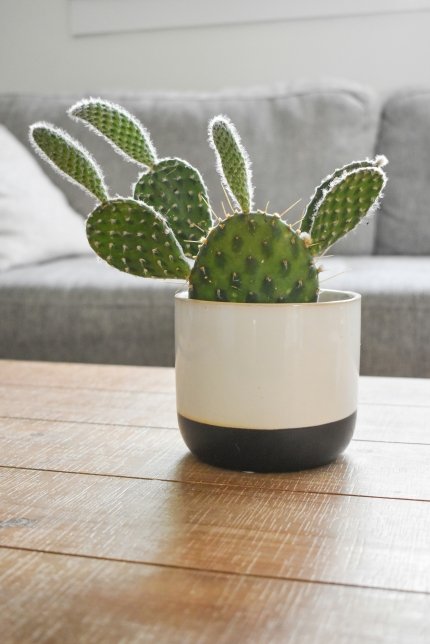
Why a cactus doesn't work as a screen protector
To shield electromagnetic radiation, materials and structures with appropriate physical properties are used.
A small plant located to the side of the monitor is not capable of creating a protective zone around a person.
In addition, modern liquid crystal and LED displays do not work on the principle of old cathode ray tubes.
According to the U.S. Food and Drug Administration (FDA), modern flat panel displays do not emit X-rays, which are characteristic of the potential risks of older electron beam technology.
So, a cactus next to a laptop can serve a decorative function, but is not a means of radiation protection.
Does the computer harm the cactus itself?
Normal computer operation does not create the special conditions needed by a plant.
Much more important is how much natural light the cactus receives.
If the desktop is located far from the window, the plant may suffer from insufficient lighting, even if a monitor is constantly running nearby.
Myth #2. Cacti purify the air better than other houseplants
Another popular claim is that cacti supposedly actively absorb toxins, purify the air, and provide the room with additional oxygen.
This myth is partly related to studies of plants' ability to absorb certain volatile organic compounds in laboratory conditions.
However, the results of such experiments cannot be directly transferred to an ordinary apartment.
Why laboratory studies do not confirm effectiveness in an apartment
In experiments, plants were often placed in small, airtight chambers without normal air exchange.
In residential areas, the situation is different: air constantly comes in from outside and moves between rooms.
The US Environmental Protection Agency (EPA) notes that there is no conclusive evidence that a normal number of houseplants can significantly reduce the concentration of pollutants in real-world environments.
To maintain air quality, it is more important to eliminate sources of pollution, provide proper ventilation, and, if necessary, appropriate filtration.
Is it true that cacti produce oxygen at night?
Many cacti use a special mechanism of photosynthesis — CAM.
It allows stomata to open mainly at night, absorbing carbon dioxide and reducing water loss.
The absorbed carbon temporarily accumulates in organic compounds that the plant uses during photosynthesis in the presence of light.
However, nightly absorption of carbon dioxide does not mean that the cactus continuously produces significant amounts of oxygen in the dark.
A cactus in the bedroom cannot replace ventilation and does not provide a clinically significant increase in oxygen concentration.
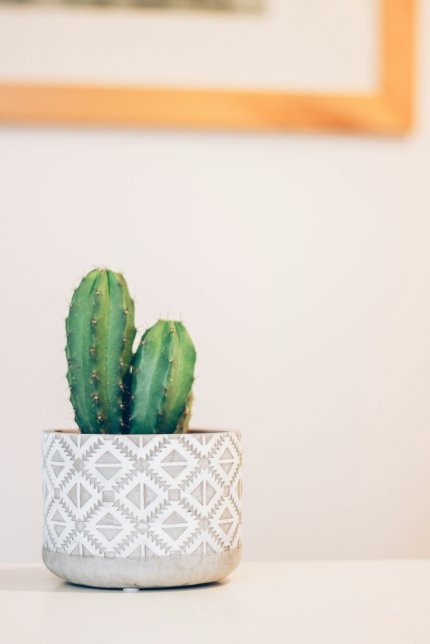
Myth #3. Cacti can be watered without any problems.
Cacti are adapted to arid conditions, but they need water for growth, photosynthesis, and normal cell function.
Their advantage lies in their ability to accumulate moisture and use it more economically than many other plants.
This allows it to survive long periods without precipitation.
However, cacti do not have an endless supply of water.
How to understand that a plant needs water
The need for watering depends on the type of cactus, the size of the pot, the composition of the substrate, temperature and lighting.
For most desert species during active growth, the following principle is suitable: after proper watering, allow the substrate to dry out before the next moistening.
It is important to check not only the soil surface, but also the moisture in the deeper layers.
After watering, excess water should flow freely through the drainage holes.
You can't leave the pot standing in water for a long time.
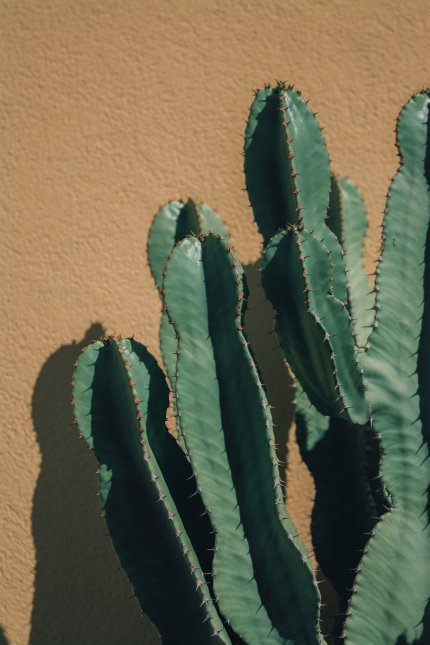
What happens if you don't water a cactus for too long?
With a prolonged lack of moisture, the stem can lose elasticity, shrivel, and decrease in volume.
In some plants, this is a natural part of seasonal dormancy, but excessive depletion of water reserves can lead to tissue damage.
At the same time, wrinkling does not always mean drought.
If the roots are damaged due to overwatering, the plant may also lose its ability to absorb water.
Therefore, before watering, it is necessary to check the condition of the substrate and root system.
Myth #4. All cacti love direct sun
Most desert cacti need bright light.
However, this does not mean that any plant can be placed in direct sunlight all day long.
Different species come from different natural environments.
Some grow in open rocky areas, others under the protection of taller vegetation or among rocks.
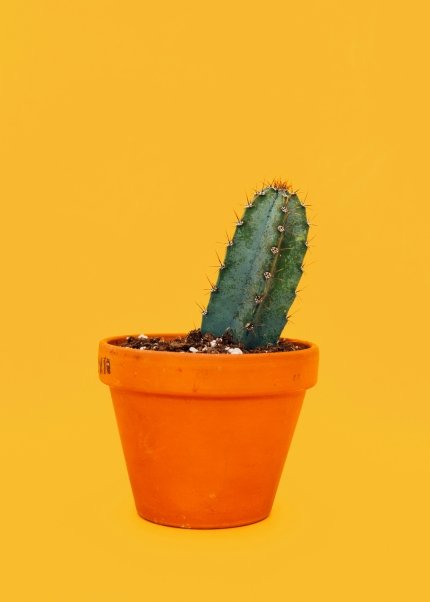
Why can a cactus get sunburn?
A plant that has been in a store or on a shaded windowsill for a long time is not always ready for intense sun.
If you immediately move it to a south-facing balcony in mid-summer, light, yellowish, or brown areas may appear on the stem.
Such damage sometimes remains on the plant forever.
Therefore, cacti should be gradually accustomed to stronger lighting.
This is especially important in spring, when the intensity of solar radiation increases rapidly after the winter period.
Which cacti need diffused light?
For example, Schlumbergera, known as the Christmas cactus, grows naturally in humid tropical forests.
Bright diffused lighting is better suited for it, rather than prolonged exposure to direct midday sun.
Some epiphytic cacti, in particular ripsalis, have similar requirements.
In contrast, many mammillaria and rebutia require much brighter lighting.
Therefore, placement should be determined by the type of plant, not just by whether it belongs to cacti.
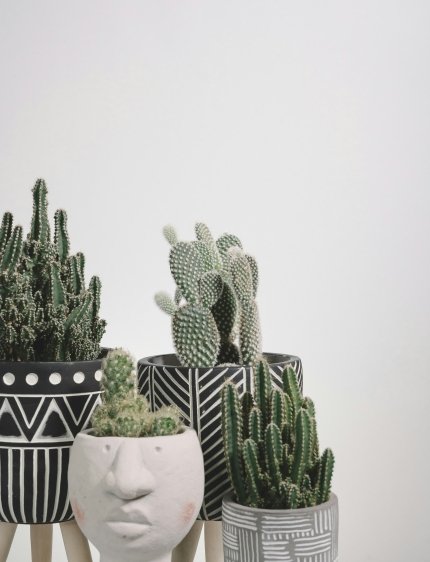
Myth #5. All cacti come from deserts
The image of a cactus growing in the middle of a sandy desert has become almost universal.
However, the natural habitats of these plants are much more diverse.
Cacti are found in arid regions, on rocky slopes, in mountainous areas, among shrubs, and even in tropical forests.
What is the difference between desert and forest cacti?
Desert species are usually well adapted to bright light, lack of water, and significant temperature fluctuations.
Forest epiphytic cacti can grow on other plants, using them as support, but not feeding on them.
They often receive diffused light and live in higher humidity.
This explains why two cacti may require completely different care.
| Group | Examples | Basic conditions |
| Desert globulars | Mammillaria, rebuceia | Bright light, permeable substrate |
| Desert columnar | Cereus, some Echinopsis | Lots of light, enough space |
| Forest epiphytes | Schlumbergera, ripsalis | Diffused light, different watering regime |
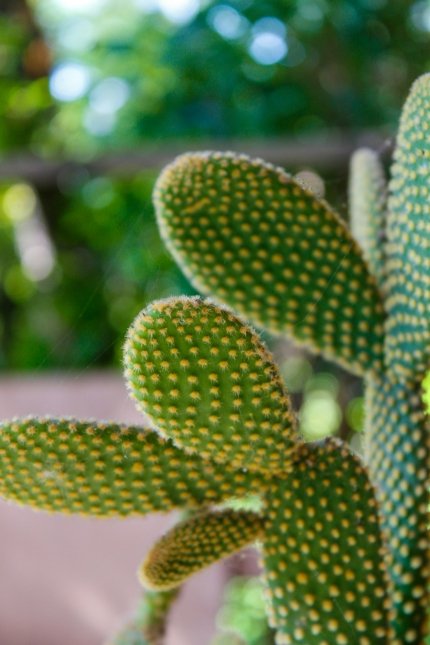
| Flat-segmented | Prickly pear | Bright light, careful handling of thorns |
Group names are simplified: specific requirements may vary even between closely related species.
Myth #6. Cactus needs the same amount of water in winter as in summer
For many desert cacti, winter is a period of slowed growth or dormancy.
At this time, the need for water usually decreases significantly.
The reason lies in a combination of shorter daylight hours, lower light intensity, and seasonal development patterns.
If you continue to water a plant that is barely growing, the substrate may remain wet for too long.
This increases the risk of root rot.
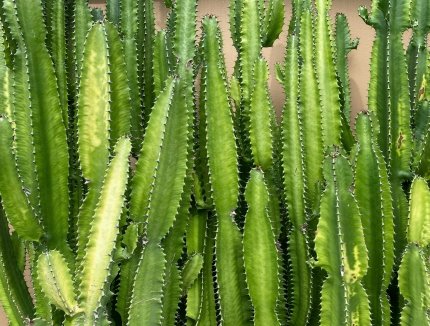
What should winter be like?
The Royal Horticultural Society of Great Britain (RHS) recommends cooler conditions and very limited watering during winter dormancy for many indoor desert cacti.
For some species, a night temperature of approximately 8–10 °C is suitable, but this is not a universal requirement.
Some tropical cacti cannot tolerate such cooling.
In addition, there is no need to specifically place the plant on a cold surface or expose it to drafts.
Do you need to spray cacti in winter?
The common advice to replace winter watering with daily spraying is not universally correct.
Most desert cacti do not require constant stem moisture.
In cool conditions, water that stagnates in depressions or at the base of the plant can increase the risk of fungal problems.
Instead, some tropical species require higher humidity, but this is provided taking into account specific conditions.
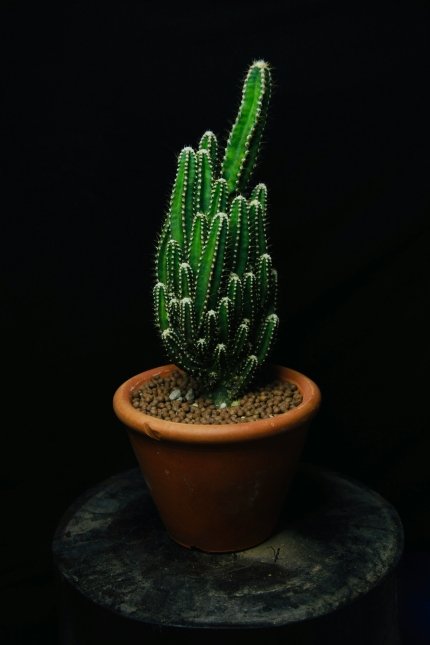
Myth #7. Cacti don’t bloom at home
Many people grow cacti for years but never see them bloom.
This leads to the belief that flowers only appear in nature or in specialized greenhouses.
In fact, many cacti are able to bloom regularly in an apartment.
For example, rebutias, mammillarias, and some echinopsis can produce bright flowers under the right conditions.
Why doesn't the cactus bloom?
The most common reasons:
Insufficient light.
Lack of necessary seasonal rest.
Inappropriate temperature.
Excessive watering or fertilizing.
Insufficient maturity of the plant.
Features of a particular species.
Some cacti bloom relatively young, while others take years.
Therefore, the absence of flowers does not always indicate improper care.
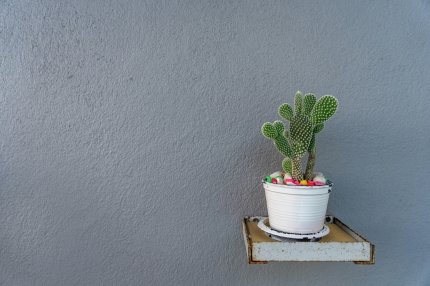
How to stimulate flowering
For many desert cacti, bright light during active growth and corresponding cooler, drier conditions during the dormant period are important.
For Schlumberger, the mechanism is different.
Bud formation is aided by shorter daylight hours, sufficient dark periods, and moderately cool conditions.
According to recommendations from experts at the University of Minnesota, cool nights and about 12 hours of continuous darkness over a period of time are important for some Christmas cacti.
Therefore, the same scheme for stimulating flowering is not suitable for all species.
Myth #8. Every cactus has thorns.
Thorns are a characteristic feature of many cacti, but not all.
In some species they are very short, barely noticeable or almost absent.
For example, there are thornless forms of some prickly pears, and Schlumbergera does not resemble a typical desert cactus at all.
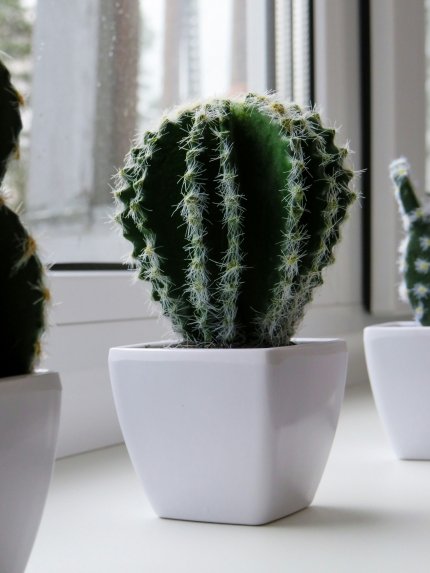
Why do cacti have thorns?
Spines were formed during evolution and perform several functions.
They can protect the plant from herbivores, partially shade its surface, and affect water balance.
In some species, a thick covering helps reduce stem overheating.
At the same time, the mere presence of thorns does not mean that the plant belongs to the Cactaceae family.
How to distinguish a cactus from a similar milkweed
One of the most characteristic botanical features of cacti is their areolae—specialized growth areas.
Euphorbias do not have such structures.
Additionally, some succulent milkweeds secrete a milky sap that can irritate the skin and eyes.
Therefore, you should not determine a plant based solely on its external appearance, especially if you plan to prune or propagate it.
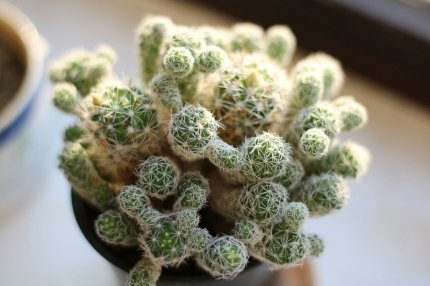
Myth #9. The bigger the pot, the faster the cactus will grow
When repotting, you often want to choose a large pot right away so that the plant has enough space for many years.
However, for cacti, this approach may be unsuccessful.
The root system of a small plant is not able to quickly use all the moisture in a large volume of substrate.
This can cause the soil to stay wet longer than necessary.
Which pot is suitable for a cactus?
The most important thing is the appropriate size of the root system and the presence of drainage holes.
If a plant needs to be repotted, the new container is usually chosen only slightly larger than the previous one.
For small specimens, it is often sufficient to increase the diameter by a few centimeters.
The material of the pot also affects the drying of the substrate.
For example, unglazed ceramics are able to let some moisture through the walls, while plastic usually retains it longer.
However, no material can replace drainage holes and proper soil composition.
Is special soil needed?
For most desert cacti, a permeable substrate is important, through which water passes quickly and does not linger for long near the roots.
Usually, special mixtures for cacti with mineral components are used.
You should not plant a desert cactus in soil that is too dense and stays wet for a long time.
At the same time, epiphytic forest cacti often require a slightly different substrate that combines breathability with the ability to retain a moderate amount of moisture.
Myth #10. Cacti don’t need fertilizer at all
Cacti often grow slowly, so it seems like they need almost no nutrients.
In fact, plants use mineral elements, including nitrogen, phosphorus, and potassium, for their development.
However, the need for fertilization is usually lower than that of many fast-growing houseplants.
When to feed cacti
For most desert species, fertilizing is appropriate during active growth—primarily in spring and summer.
The frequency depends on the fertilizer, substrate and condition of the plant.
You can use specialized fertilizers for cacti, following the recommended dosage.
An excess of nutrients does not guarantee faster healthy growth.
In particular, excessive nitrogen nutrition in the presence of insufficient light can contribute to the formation of weak elongated tissues.
During the dormant period, most desert cacti do not require regular feeding.
Myth #11. If a cactus grows slowly, it lacks water.
Slow growth is a natural feature of many cacti.
It is associated with adaptation to conditions in which water and other resources may be limited.
Some species add very little in size throughout the year.
Therefore, you should not try to accelerate development by constant watering or increasing the amount of fertilizer.
How to distinguish normal growth from problems
A healthy plant usually retains the shape, color, and elasticity of its tissues that are characteristic of its species.
If the cactus begins to stretch out and the new growth becomes thinner and paler, this may indicate insufficient lighting.
This phenomenon is called etiolation.
For example, a spherical cactus may gradually transform into an elongated cylinder with an unnaturally narrow top.
Increasing watering will not solve the problem.
It is necessary to gradually improve lighting, taking into account the requirements of a particular species.
Another situation is when the base of the stem becomes soft, darkens, or an unpleasant odor appears from the substrate. This may indicate rot.
Then it is necessary to check the roots and conditions of detention, and not just add water.
Myth #12. All cacti are dangerous for children and pets
The spines can indeed injure the skin, but that doesn't mean that all cacti are poisonous.
It is important to distinguish between mechanical damage and plant toxicity.
Most common cactus spines are not specialized organs for injecting venom.
However, they can pierce the skin, break, and remain in the tissues.
Glochidia are especially unpleasant - small spines on some prickly pears that detach easily and can irritate the skin.
Can you keep cacti at home if you have a cat?
It depends on the type of plant.
For example, the Christmas cactus from the Schlumbergera genus is classified by the ASPCA as nontoxic to cats and dogs.
However, even a non-toxic plant can cause discomfort if a significant amount of its parts are eaten.
In addition, the animal can get injured by sharp thorns or knock over a heavy pot.
You shouldn't automatically assume that any succulent is safe: some plants that look like cacti belong to other families and may contain irritating or toxic sap.
How to safely place cacti
It is best to install thorny plants on stable surfaces that are inaccessible to small children and animals.
It is necessary to consider not only the sharpness of the thorns, but also the possibility of the pot falling.
For a children's room or a place where animals actively play, it is more practical to choose species without dangerous thorns.
How to properly care for a cactus at home: a short guide
For successful cultivation, it is necessary to create conditions close to the natural needs of the plant.
At the same time, there is no universal care regimen for the entire Cactus family.
| Condition | Most desert cacti | Forest epiphytic cacti |
| Lighting | Bright, often with direct sun | Bright diffused |
| Watering | After the substrate dries | After partial drying, depending on the type |
| Air humidity | Usually low | Often moderate or elevated |
| Soil | Very permeable, with mineral components | Breathable, moderately moisture-absorbing |
| Wintering | For many species, cool and dry | Depends on the growth and flowering cycle |
| Refueling | Limited, during active growth | Mostly during active growth |
For a specific plant, you need to consider its botanical name, and not just focus on its appearance.
How often to water a cactus in summer
A fixed schedule like one watering per week does not suit all plants.
In a small clay pot on a sunny windowsill, the substrate may dry out faster than in a large plastic container in a cool room.
Therefore, you need to check the soil moisture before watering.
For most desert species, it is important that the substrate dries out properly between waterings.
When watering is needed, it is carried out with sufficient water, allowing the excess to drain through the drainage holes.
Where is it better to put a cactus in an apartment?
Many desert species are suited to a well-lit windowsill.
However, you should take into account the intensity of the sun, the temperature of the glass and the presence of heating devices.
In the summer, a south-facing window can pose a risk of burns for plants not accustomed to direct sun.
In winter, cold glass and wet substrate can be a dangerous combination for heat-loving species.
For Schlumbergera and many other forest cacti, an east-facing window or a location with sufficient diffused light is often better suited.
Can I take a cactus to the balcony?
Some species respond well to being outdoors in the summer.
However, the move must be gradual.
Initially, the plant is placed in a sheltered location without intense midday sun.
Precipitation, wind, and night temperatures must be taken into account.
Not all cacti tolerate the same cooling, so there is no universal temperature threshold for taking them to the balcony.
Before returning the plant to the apartment in the fall, it is worth checking it for pests.

Why does a cactus turn yellow, soften, or become covered in spots?
A change in appearance does not always mean illness.
Some cacti naturally change color depending on lighting, age, and seasonal conditions.
However, certain symptoms may indicate care errors.
Yellow spots on the stem
The cause may be sunburn, tissue damage, water imbalance, or pests.
It is especially important to find out when the stains appeared.
If they appear after moving the cactus into direct sunlight, you should check for the possibility of a burn.
Soft cactus base
If the lower part of the stem has become watery, dark, or smells bad, this may be a sign of rot.
A common cause is prolonged overwetting of the substrate, especially at low temperatures.
At the same time, in older plants, the base sometimes naturally woodyens—becoming harder and browner.
This phenomenon is different from rotting: healthy woody tissue remains dense, not soft.
White coating between the spines
It's not always about dust.
White cottony clumps may indicate a mealybug infestation.
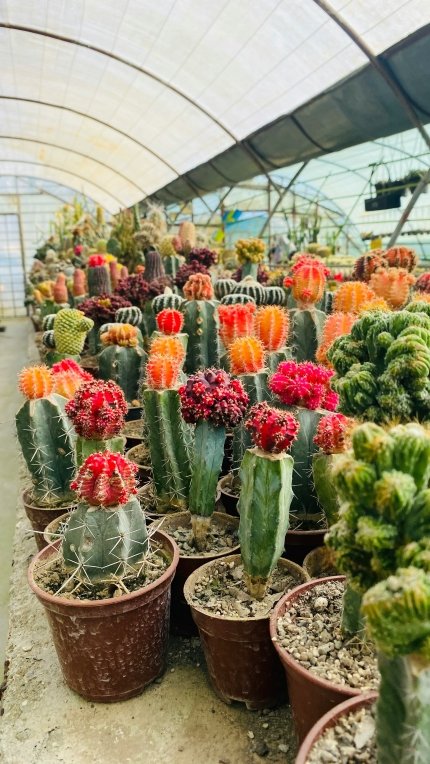
These pests feed on plant sap and often hide in the recesses between the ribs and areolae.
If suspicious growths appear, the cactus should be isolated from other plants and the cause determined.
The treatment agent must be selected according to the type of pest and the instructions for the drug.
Which cactus to choose for a beginner's apartment?
Before buying, it is important to evaluate not only the appearance of the plant.
The best option depends on lighting, temperature, and the ability to organize seasonal care.
Mammillaria
Many mammillaria have a compact spherical or cylindrical shape and grow well in bright light.
Some species produce small flowers arranged in a ring around the top of the stem.
A permeable substrate and careful watering are important for them.
Echinopsis
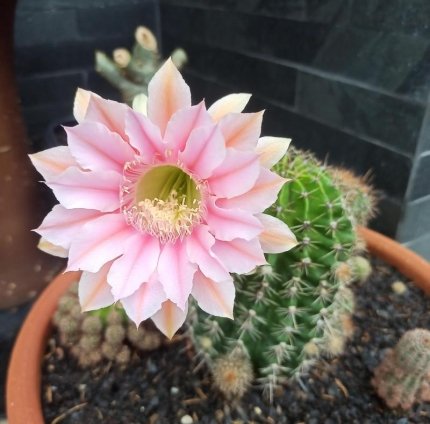
Echinopsis are known for their large, decorative flowers.
Some species are able to bloom indoors, but require sufficient light and an appropriate seasonal regime.
Flowers in some species may remain open for a relatively short time.
Rebuttal
Rebutias are often small in size and have attractive blooms.
Good lighting, a permeable substrate and proper dormancy conditions are important for them.
This is a practical option for a light windowsill.
Schlumberger
Christmas cactus does not require the same conditions as desert species.
It feels better with diffused lighting and an appropriate watering regime.
It can be considered for an apartment where there is no constant direct sun, but there is enough natural light.
What to check when buying a cactus
A plant may look attractive in the store, but have problems that will only become noticeable after a certain time.
Therefore, before buying, you should pay attention to several signs.
Condition of the stem. It should be of a typical shape for the species, without large soft or rotten areas.
Base of the plant. There should be no signs of watery softening.
Substrate: Overly wet soil in a dense decorative container can be risky for desert species.
Pests: It is worth checking the areolas, depressions and joints of the shoots.
Pot. It is desirable that it has drainage holes.
Species name. It will help determine lighting, watering, and wintering conditions.
If a cactus is sold with an artificial flower attached, it should not be confused with a real bloom.
Such decorative elements are sometimes attached to the plant with glue or other methods that can damage the tissues.
Conclusion
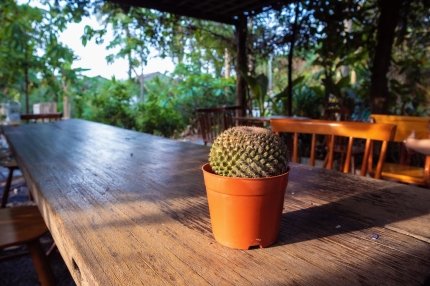
Cacti do not require constant attention, but they are not plants that can live indefinitely without water, light, and proper soil.
They do not protect against computer radiation or replace an air purifier. Not everyone likes direct sunlight, and some need tropical rainforest conditions instead of a dry desert winter.
The most important rule of care is to take into account the natural needs of a particular species. Proper lighting, a permeable substrate, appropriate watering, and seasonal regime allow you to grow healthy cacti and create conditions for their flowering.
FAQ: Frequently Asked Questions About Cacti
Is it true that cactus absorbs computer radiation?
No. There is no scientific evidence that cacti protect people from electromagnetic radiation from a monitor or laptop. The plant can decorate your desktop, but it does not act as a protective screen.
How often should you water a cactus at home?
The frequency depends on the species, season, lighting, temperature and composition of the substrate. Most desert cacti are watered after the soil has dried out sufficiently during active growth. In winter, when kept cool, the amount of water is usually significantly reduced.
Can I put a cactus in the bedroom?
Yes. Placing a healthy cactus in the bedroom does not pose any particular danger to an adult. However, it does not replace ventilation and does not provide significant air purification. Thorny species should be placed in a way that avoids accidental injuries.
Why doesn't the cactus grow or bloom?
The reasons may be insufficient light, naturally slow growth of the species, lack of a proper rest period or root problems. Some cacti only start flowering after reaching a certain maturity. Excessive watering does not promote healthy growth.
Can I water a cactus in winter?
Yes, but the regime depends on the species and temperature. Many desert cacti require minimal water when kept cool. On the other hand, Schlumbergera and other tropical species have different seasonal needs, so it is not worth completely stopping watering them without taking into account the conditions.
Why does a cactus turn yellow after being moved to the sun?
One possible cause is sunburn. Plants that have been in the shade for a long time should be gradually accustom to more intense lighting. At the same time, yellowing can occur due to other factors, so you should check the condition of the substrate and roots.
Do I need to repot a cactus every year?
No. Many cacti grow slowly and do not require annual repotting. Repotting is advisable when the roots have filled the container, the substrate has lost its properties, or there are other valid reasons. It is most often done in the spring.
Are all succulents cacti?
No. Cacti are succulents, but not every succulent plant is a cactus. Aloes, echeverias, succulents, and succulent milkweeds belong to other botanical groups. One of the defining characteristics of true cacti is their areolas.
Are cactus spines poisonous?
The spines of most common cacti are not venomous, but they can cause punctures, irritation, and other injuries. Particular care should be taken with prickly pears, which have small glochidia. The toxicity of a plant should be assessed by the specific species.
Can you grow a cactus from seeds?
Yes. Cacti reproduce by seed, and many species can also be propagated by cuttings or by separating side shoots. Growing from seed requires the right substrate, humidity, temperature, and time. In some species, the journey from germination to adult plant takes several years.
The material is for informational purposes only. Care recommendations may vary depending on the type of cactus. In the event of injury from thorns, signs of infection, or contact with the irritating sap of the plant, self-medication may be harmful to health - you should first consult a doctor.

