
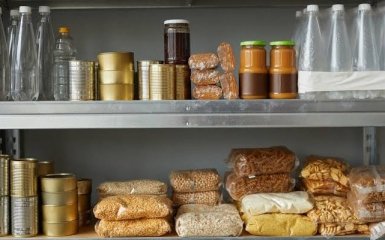
You don't have to go to the supermarket every day to prepare a complete lunch or dinner. If you have a few universal products at home, you can quickly make porridge, soup, pasta, salad or a nutritious main course - even when the fridge is almost empty.
Points of attention
- The basic supply combines grains, pasta, legumes, protein sources, vegetables, and healthy fats for a varied diet.
- Canned legumes, fish, tomatoes, and frozen vegetables help you prepare meals quickly without daily shopping.
- The amount of products should be determined based on the usual menu, expiration dates, and storage conditions, avoiding excessive purchases.
The problem is that many people shop without a clear plan. As a result, the kitchen is filled with sauces, snacks, and random ingredients, but for a regular dinner, you still have to go to the store.
The optimal staple food supply is a combination of grains, legumes, protein sources, vegetables, healthy fats, and long-lasting ingredients. They should complement each other so that a variety of dishes can be prepared from a small amount of food.
It is important not to accumulate excessive stocks, but to choose what the family really uses. After all, products that have been on the shelves for years do not save money and do not simplify life.
Let's look at 12 categories of products that are almost always useful to have in the kitchen, as well as ways to store, combine, and use them.
What should be the basic set of products for the home?
A home grocery store should solve three tasks: help you cook without unnecessary shopping, provide a variety of foods, and reduce the amount of spoiled food.
You don't need to fill all your kitchen cabinets for this.
It is enough to choose several products from different food groups that can be combined with each other.
According to the World Health Organization, a varied diet should be based on vegetables, fruits, whole grains, and legumes, along with adequate protein intake and unsaturated fats.
However, a healthy diet is not defined by one universal list. It depends on age, physical activity, health status, dietary restrictions, and personal preferences.
What products are most convenient to have in stock?
The most practical are ingredients that meet at least several criteria:
Can be used in various dishes.
Does not require complicated preparation.
They have a sufficient shelf life.
Easily combined with other products.
They correspond to the family's usual menu.
They do not require special conditions that are not available at home.
For example, rice can be used to make a side dish, vegetable dish, or soup. And ready-made canned beans are suitable for salads, stews, and spreads.
It is this versatility that makes the product useful for a permanent home supply.
1. Oatmeal is the basis of quick breakfasts
Oatmeal is one of the most convenient products for the daily menu.
It contains complex carbohydrates, dietary fiber, and a certain amount of vegetable protein. Of particular importance is beta-glucan, a soluble fiber characteristic of oats.
The advantage of oatmeal is not only in its nutritional properties.
They can be used for sweet and savory dishes, and the cooking time depends on the type of flakes.
What can you cook with oatmeal?
The most obvious option is porridge on water or milk.
But flakes can also be added to homemade pancakes, casseroles, cookies, and some vegetable cutlets.
For a heartier breakfast, combine oatmeal with yogurt, berries, fruit, nuts, or seeds.
If you want a savory dish, you can add an egg, vegetables, and herbs to the finished porridge.
How to properly store oatmeal
Dry flakes should be kept in a tightly closed container, protected from moisture, heat, and insects.
After opening the package, it is advisable to transfer them to a dry food container or securely close the original packaging.
You should not buy large stocks if the product is rarely used: the fats naturally contained in oats can oxidize over time.
2. Buckwheat, rice or bulgur are universal side dishes
Cereals allow you to prepare simple dishes from a small number of ingredients.
For example, buckwheat can be combined with mushrooms, vegetables or eggs. Rice is suitable for soups, vegetable dishes and side dishes. Bulgur is suitable for warm salads.
It is not necessary to buy ten types of cereals at the same time.
For a small family, two or three varieties that are used regularly may be sufficient.
Which cereals are healthier to choose?
An important criterion is diversity.
Whole grains typically contain more dietary fiber than their refined counterparts.
For example, brown rice retains its bran, while white rice undergoes additional milling.
However, this does not mean that white rice should be completely eliminated from the diet.
The overall structure of the diet and the combination of cereals with other foods are important.
How to store cereals
Dry grains are best kept in a cool, dry place, protected from light and pests.
It is also important to consider that different cereals have different storage stability.
For example, whole grain products with higher amounts of natural fats may lose quality more quickly.
There is no point in buying cereals several years in advance if there are no proper storage conditions.
3. Durum wheat pasta — for dinner in 15–20 minutes
Pasta is one of the easiest ways to make a quick main course.
Dry pasta usually doesn't need refrigeration, takes up little space, and pairs well with vegetables, tomatoes, cheese, and various protein sources.
For a home stock, one or two formats are enough.
For example, spaghetti is suitable for sauces, and short pasta is suitable for casseroles or salads.
How to make pasta more nutritious
Pasta itself mainly provides the body with carbohydrates.
To make the dish more varied, you can add vegetables, fish, beans, eggs, or another source of protein.
For example, pasta with tomato sauce and white beans doesn't require expensive ingredients, but combines several food groups.
Whole-grain pasta may contain more fiber, but its choice depends on personal needs and taste preferences.
How long does dry pasta last?
The exact time is determined by the manufacturer.
If stored properly, dry pasta can remain usable for quite a long time.
However, after opening the package, they must be protected from moisture and insects.
The finished pasta must be cooled and stored in the refrigerator according to the general rules for cooked dishes.
4. Lentils, beans, and chickpeas are affordable sources of plant-based protein
Legumes are one of the most useful categories of products for home storage.
They contain vegetable protein, fiber, carbohydrates, and various minerals.
In addition, legumes go well with grains, vegetables, and spices.
Thanks to this, they can be used as the basis of a complete dish, not just as a side dish.
Which legumes are suitable for quick cooking?
Red lentils usually cook faster than dry beans or chickpeas.
It is suitable for pureed soups, thick vegetable dishes and sauces.
Dried chickpeas can be used for hummus, stews, and salads.
Beans are good for soups, stews, and spreads.
Do you need to soak legumes?
It depends on the species.
Dried beans and chickpeas are often soaked before cooking. Red split lentils usually don't require as much preparation.
At the same time, it is important to adhere to proper heat treatment.
For example, raw and undercooked red kidney beans can contain dangerous amounts of natural lectins.
Therefore, you should not cook dry red beans at arbitrarily low temperatures without prior proper boiling.
5. Canned beans and chickpeas — when there is no time to cook
Dried legumes are convenient for planned cooking, but sometimes dinner needs to be made in ten minutes.
That's when canned beans, chickpeas, or lentils help.
Industrial canned food intended for direct consumption has usually already undergone the necessary heat treatment.
They can be added to salads, soups, and sauces.
What can you cook from a can of beans?
For example, canned beans can be combined with tomatoes, onions, and spices to make a quick, warm meal.
Another option is to mash it with olive oil, lemon juice, and garlic for a spread.
Chickpeas can be added to a vegetable salad or used to make hummus.
How to choose canned legumes
It is useful to pay attention to the amount of salt and added ingredients.
According to the recommendations of the American Heart Association, for regular use it is advisable to choose canned foods without added salt or with a lower sodium content.
If the product contains a salty brine, it can be drained and the legumes rinsed before use.
Opened canned food should be stored in the refrigerator in a proper container and used within the recommended time frame.
6. Canned tomatoes and tomato paste are the basis of many sauces
Tomatoes in their own juice, crushed canned tomatoes, and tomato paste allow you to cook even when fresh tomatoes are not available.
They are suitable for soups, stews, pasta sauces and vegetable dishes.
For example, a few spoonfuls of tomato paste can add flavor to stewed beans or lentil soup.
What is better to keep at home?
If your family often cooks pasta and vegetable dishes, it's convenient to have chopped tomatoes without a lot of additional ingredients.
Tomato paste takes up less space and has a more concentrated flavor.
However, it is not always a complete replacement for tomatoes in their own juice due to the difference in consistency and concentration.
How to store tomato products
Unopened industrial canned food is stored according to the labeling.
After opening, tomatoes should be refrigerated and used within the recommended time frame.
If you have little tomato paste left, you can divide it into small portions and freeze it for later cooking.
At the same time, canned goods with blown lids, leaks, or serious damage to the packaging cannot be used.
7. Canned fish - a quick protein component of a dish
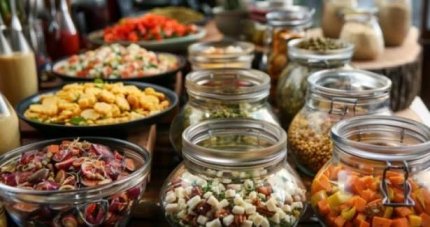
Sardines, mackerel, salmon or tuna in industrial airtight packaging can be a practical stock in case fresh meat or fish is not available.
Fish provides the body with protein, and some fatty types also provide omega-3 fatty acids.
The specific nutritional composition depends on the type of fish, cooking method, and filling.
Which canned fish to choose?
For everyday use, you can alternate different types of fish.
It is not necessary to always buy only tuna.
Some types of tuna contain more mercury than smaller types of fish, so recommendations for frequency of consumption vary, especially for pregnant women and children.
Sardines and some other small fish can be a practical alternative.
It is also worth checking the salt content and composition of the filling.
How to use canned fish
It can be added to salad, pasta, sandwiches, or a side dish of cereals.
For example, rice with canned sardines and vegetables can be made from products that do not require complicated preparation.
It is important not to store an open can at room temperature.
8. Eggs are a universal product for breakfasts and main courses
Eggs are convenient because they are suitable for a large number of recipes.
You can use them to make omelets, scrambled eggs, casseroles, or add them to salads.
They are also used for dough, cheesecakes, and many other homemade dishes.
Eggs contain complete protein, fats, and a number of vitamins and minerals.
How to properly store eggs
Storage conditions depend on the method of production, processing and labeling.
If eggs are sold chilled, the appropriate temperature must be maintained after purchase.
According to FoodSafety.gov, raw eggs in their shells can be stored for approximately 3–5 weeks when properly refrigerated.
However, for a specific package, the first thing to consider is the expiration date specified by the manufacturer.
In the refrigerator, it is better to leave eggs in their original packaging in the main compartment, not on the door.
Do I need to buy a lot of eggs for storage?
No. The amount depends on your usual consumption.
If the family uses them rarely, a large stock may be unprofitable.
It is also important not to use raw or undercooked eggs in dishes that require safe handling.
9. Frozen vegetables and berries — an out-of-season supply
Frozen foods are often underestimated, considering them less healthy than fresh ones.
In fact, quick freezing allows you to preserve many nutrients well.
At the same time, specific indicators depend on the type of product, pre-treatment, transportation and storage conditions.
According to WHO recommendations, frozen vegetables and fruits can be part of a balanced diet, especially if they do not contain excess salt or added sugar.
Which frozen vegetables are the most convenient?
Broccoli, cauliflower, green peas, green beans, and vegetable mixes are suitable for everyday use.
They can be added to soups, omelets, cereals, and stews.
The advantage is that many of these products are already peeled and chopped.
Frozen berries are great for cereals, baking, and desserts.
However, depending on their origin and purpose, they may require heat treatment. This is especially true for frozen berries that are intended to be added to dishes without further heating.
What is important during storage
The freezer should maintain a temperature of approximately -18 °C or lower.
To maintain quality for a long time, products should be kept in airtight packaging.
Constant cycles of defrosting and refreezing can deteriorate the texture and create risks if the food has been heated to unsafe temperatures.
10. Nuts and seeds — for snacks and toppings
Nuts and seeds allow you to quickly make your breakfast or salad more nutritious.
They contain unsaturated fats, a certain amount of protein, fiber, and minerals.
For example, walnuts can be added to oatmeal, pumpkin seeds to salads, and sesame seeds to vegetable dishes.
Do you need to store nuts in the refrigerator?
It depends on the type, processing and storage duration.
Due to their high fat content, nuts can gradually go rancid.
Heat, light, and access to oxygen accelerate oxidation.
For a small supply, a cool, dry cupboard is sometimes sufficient, but for longer-term storage, a refrigerator or freezer is better suited for many nuts.
The main thing is to protect them from moisture and foreign odors.
Are nuts suitable for everyone?
No. Nuts and some types of seeds can cause allergic reactions.
Additionally, whole nuts pose a choking hazard to young children.
Therefore, the form of serving and inclusion in the diet should correspond to age and individual needs.
11. Onions, carrots and potatoes are the basis of home-cooked meals
Some common vegetables can be stored much longer than tender greens or ripe berries.
Onions, carrots, and potatoes are beneficial because they are used in many recipes.
You can use them to make soup, a side dish, baked vegetables, or a stew.
However, not all of these products should be stored the same.
Where to keep potatoes and onions
Potatoes need a dark, cool place, protected from excessive moisture.
Light can help the tubers turn green.
Green areas may indicate an increased content of glycoalkaloids, so such tubers should be evaluated especially carefully.
Whole, dried onions are usually stored in a dry, ventilated place.
It should not be left in a damp, sealed bag for long periods of time.
How to store carrots
Carrots retain their quality better in cool conditions.
In a typical apartment, a suitable refrigerator compartment is often suitable for it.
If root vegetables have greens, they are usually separated before long-term storage to reduce moisture loss.
It is best to buy as many vegetables as the family will actually use before their condition worsens.
12. Vegetable oil and long-life milk — for everyday cooking
The latter category combines two products that perform different but important functions.
Vegetable oil is needed for many cooking methods, and milk or a suitable vegetable alternative can be used for cereals, drinks, and sauces.
Which oil is better to keep at home?
For regular cooking, you can use sunflower, olive, rapeseed, or other suitable cooking oil.
The WHO recommends preferring unsaturated fats over excessive consumption of saturated and trans fats.
However, it is necessary to consider not only the type of fatty acids, but also the purpose of the specific oil and the recommended heating conditions.
The oil should be stored tightly closed, protected from light and heat.
Do not keep the bottle directly next to the stove.
Why ultra-pasteurized milk is convenient
Ultra-pasteurized milk in sealed aseptic packaging can be stored without refrigeration until opened, if provided by the manufacturer.
This allows you to have a supply for porridge, coffee or cooking.
After opening the package, it should be stored in the refrigerator and used within the period indicated on the label.
Some herbal drinks may have similar conditions, but their nutritional composition is significantly different.
For example, soy milk is usually closer in protein content to cow's milk than rice or almond milk.
If a plant-based drink is to replace milk in the diet, it is worth paying attention to protein, calcium, and other nutrients.
What other products are useful to have in the kitchen?
In addition to the basic twelve categories, home supplies can be supplemented with simple ingredients for flavor and quick preparation.
First of all, these are iodized salt, black pepper, dried herbs, garlic, flour, and baking products, if they are used regularly.
Some families find it convenient to keep several packages of bread in the freezer.
However, it is not necessary to buy everything at once.
If no one bakes at home, a large supply of flour will just take up space. Similarly, a person who uses a few favorite seasonings doesn't need dozens of spices.
It is important that each product has a clear purpose.
What to cook when there are almost no products at home
Having a basic supply is especially useful when you don't feel like going to the store or don't have time for complicated cooking.
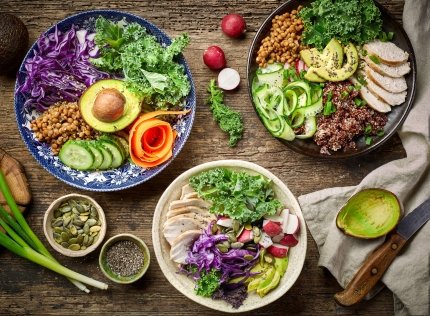
It is most convenient to combine products according to a simple principle: a base of cereals or another source of carbohydrates + a source of protein + vegetables + a small amount of fat.
For example, you can make a quick warm meal from rice, canned beans, and frozen vegetables.
And pasta, tomatoes, and canned fish allow you to prepare dinner without fresh meat.
| Dish | What will you need? | Estimated time |
| Oatmeal with berries | Oatmeal, milk, frozen berries | 5–15 min |
| Buckwheat with vegetables and egg | Buckwheat, frozen vegetables, egg | 20–30 min |
| Pasta with tomatoes and beans | Pasta, canned tomatoes, beans | 15–20 min |
| Red lentil soup | Lentils, carrots, onions, tomatoes | 20–30 min |
| Rice with sardines | Rice, canned fish, vegetables | 20–25 min |
| Chickpeas with tomato sauce | Canned chickpeas, tomatoes, spices | 10–15 min |
| Vegetable omelette | Eggs, frozen vegetables, oil | 10–15 min |
The times given are approximate. They depend on the ingredients, kitchen equipment and cooking method.
This set allows you to change dishes without having to buy separate ingredients for each recipe.
List of basic products for a week for one or two people
The number of purchases depends on how many times a day people eat at home, their appetite, and other characteristics.
For example, you can create a small stock that is supplemented with fresh produce.
| Category | Approximate quantity for starting stock |
| Oat flakes | 400–500 g |
| Buckwheat or rice | 500–1000 g |
| Macaroni | 400–500 g |
| Red lentils | 400–500 g |
| Canned beans or chickpeas | 2 banks |
| Tomatoes in their own juice | 1–2 packages |
| Canned fish | 1–2 cans |
| Eggs | 6–10 pieces |
| Frozen vegetables | 400–800 g |
| Nuts or seeds | 150–250 g |
| Potatoes, carrots, onions | According to the planned menu |
| Oil, milk or herbal drink | According to usual consumption |
This is not a daily food allowance or a complete weekly diet.
You need to add fresh vegetables, fruits and other products to it according to your needs.
The main advantage of such a list is the ability to cook several different dishes using common ingredients.
How to properly organize food storage at home
Even a universal set will be inconvenient if the products are stored chaotically.
For example, open packages of cereal may remain in the back of the cupboard, while new purchases are constantly placed in front.
As a result, some products lose their quality before they are even used.
Divide your kitchen supplies into three zones
Dry pantry. This is where you can store grains, pasta, legumes, unopened canned goods, and other foods that don't require refrigeration.
Refrigerator. For eggs, opened milk, ready meals and perishable foods.
Freezer. For frozen vegetables, berries, some prepared ingredients and products that need to be stored for a longer period of time.
Each zone must maintain appropriate conditions.
Use the “older first” principle
Products with a shorter remaining shelf life are best placed at the front.
New packages can be placed behind.
This helps avoid situations where an old pack of buckwheat or canned food goes unnoticed for several months.
Do I need to transfer all the products into containers?
No.
Airtight food containers can be handy for open grains, flour, and other dry foods.
However, there is no need to buy separate jars for everything.
If the original packaging is securely closed and properly stored, it can continue to be used.
It is important to keep information about expiration dates and conditions of use.
What products should you have in case of a power outage?
During power outages, products that do not require refrigeration become especially important.
However, it is necessary to distinguish between supplies for regular cooking and a set of products that can be consumed without a stove.
For example, dried beans have a long shelf life, but they are not safe to eat without proper cooking.
Instead, industrial canned beans, ready to eat, can be useful during power outages.
What foods are suitable without the ability to cook?
In stock may be:
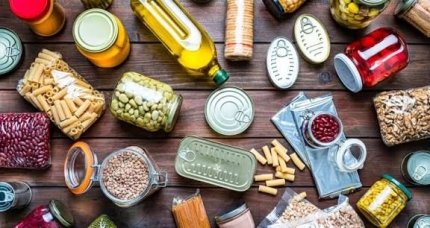
Industrial canned legumes, ready to eat.
Canned fish in airtight packaging.
Breads and other prepared grain products.
Nuts and seeds.
Long-life products that can be consumed without heating.
A separate supply of drinking water is also required.
At the same time, not all canned goods are equally convenient: large cans may require refrigeration after opening.
Therefore, for emergency supplies, small portion packages are sometimes more practical.
What to do with food in the fridge during a blackout
According to CDC guidelines, a closed refrigerator can typically maintain a safe temperature for up to four hours without power.
A fully filled freezer can keep food cold for about 48 hours, and a half-filled one can keep it cold for up to 24 hours.
These are approximate times that depend on the room temperature, appliance model, and how often the door is opened.
If products have been heated above a safe temperature, they cannot be considered suitable just because of a normal smell.
How to save on groceries without making large purchases
One of the reasons for excessive spending is buying products that you don't have time to use.
For example, a large package of greens may cost less per gram, but if half of it has to be thrown away, the actual savings disappear.
Therefore, it is necessary to evaluate not only the price of the package, but also the amount of product that the family will actually consume.
Is it profitable to buy cereals and pasta in large packages?
Sometimes yes, especially if the product is used regularly.
However, large packaging makes sense if there is adequate storage space and anticipated consumption.
If a family cooks bulgur once every few months, buying a few kilograms for a discount is not necessarily profitable.
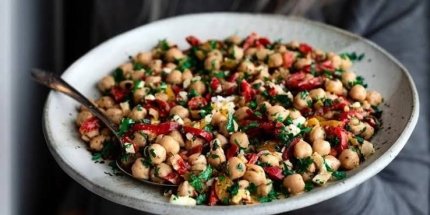
How to avoid duplicate purchases
A short list of permanent supplies helps.
For example, before going to the store, you can check the availability of cereals, pasta, canned food, and oil.
It is not necessary to create a complex electronic accounting system.
For most households, a simple note with a list of products that are running out is enough.
Five mistakes when building a home stock
Buying food that no one eats
Even a nutritious product is of no practical use if it is constantly put aside and eventually thrown away.
For example, there's no point in buying chickpeas just because they're popular in recipes if your family doesn't like them.
Store all products the same way
Cereals, vegetable oil, eggs, and frozen vegetables have different requirements.
Inappropriate temperature or humidity can lead to premature deterioration.
Stock up only on carbohydrates
Pasta, rice, and cereals are convenient, but by themselves do not provide complete dietary diversity.
It is important to provide sources of protein, fats, vegetables, and fruits.
Rely only on fresh produce
Fresh vegetables, fish, and dairy products are important for nutrition, but have a limited shelf life.
Frozen and properly prepared canned foods help reduce dependence on daily shopping.
Store opened canned goods at room temperature.
Once opened, industrially canned food no longer has the protection of airtight packaging.
It must be refrigerated and used in accordance with food safety regulations.
How to create your own grocery list on a regular basis
The best basic stock doesn't necessarily have to consist of exactly twelve products.
A few grains, canned goods, and frozen vegetables are enough for one person.
Families with children may need different volumes and additional products.
The easiest way to start is to analyze your usual menu.
Identify five to seven dishes that are regularly prepared at home and write down the ingredients that are repeated.
For example, if a family often eats porridge, soups and baked vegetables, it makes sense to maintain a stock of cereals, carrots, onions, legumes and frozen mixes.
After that, you can plan two or three simple dinner options from long-lasting products.
This approach avoids random purchases and creates inventory that actually works.
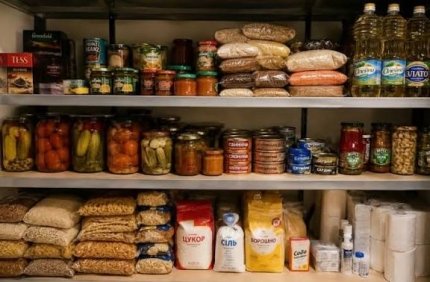
Conclusion
A universal grocery set is not a large pantry with dozens of packages, but a thoughtful combination of simple ingredients.
Cereals, pasta, legumes, canned tomatoes, fish, eggs, frozen vegetables, nuts and everyday cooking products allow you to quickly assemble a variety of dishes.
The main thing is to maintain a sufficient, but not excessive, supply, follow storage rules, and regularly use products before their expiration date.
Then a basic set not only helps save time and money, but also makes home cooking easier and more predictable.
FAQ: Frequently Asked Questions about Basic Food Stock
What products should you have at home?
A practical basic kit might include oatmeal, cereals, pasta, legumes, canned tomatoes, canned fish, eggs, frozen vegetables, nuts, vegetable oil, and vegetables that keep well. The final list depends on the family's eating habits.
What foods last a long time without a refrigerator?
These include dry cereals, pasta, legumes, some nuts, vegetable oil, and industrial canned goods in airtight packaging. Certain types of ultra-pasteurized milk can also be stored without refrigeration until opened. The manufacturer's labeling must be followed.
What to buy for one person for a week?
You can start with two types of cereals, one package of pasta, eggs, legumes, a few canned foods, frozen vegetables, and a small amount of nuts. Fresh vegetables, fruits, and other foods are added depending on the planned menu.
What products are needed to quickly prepare dinner?
The most convenient combinations are pasta with tomatoes and beans, rice with canned fish, omelet with vegetables, or red lentil soup. A small amount of universal ingredients is enough for them.
Are frozen vegetables healthy?
Yes, frozen vegetables can be a full part of a varied diet. They retain many nutrients and are convenient out of season. It is worth choosing products without excess salt, fatty sauces and other unnecessary additives.
Can you eat canned beans every day?
Canned beans can be a regular source of plant-based protein and fiber. It is important to consider overall dietary diversity and salt content. For frequent use, it is convenient to choose products with no added salt or with lower sodium content.
What products are worth having during a power outage?
It is useful to have ready-to-eat canned goods, bread, nuts, some long-term storage products, and drinking water. The most practical products are those that do not require electricity, refrigeration, or complicated preparation.
Do you need to buy products in large packages to save money?
Only if the family actually uses them in sufficient quantities. Large packages sometimes have a lower price per kilogram, but can lead to spoilage or accumulation of unnecessary stocks. It is important to consider the expiration date and storage conditions.
How to store cereals so that insects don't get in?
Cereals should be kept in a cool, dry place in tightly closed packaging. It is useful to periodically check the state of stocks and not mix new products with old ones without checking. If pests appear in the packaging, it should be isolated and the need for disposal assessed.
What to do if there is almost nothing fresh at home?
You can use long-lasting products: cereals, canned legumes, tomatoes, fish or frozen vegetables. For example, a combination of rice, beans and vegetables allows you to prepare a simple main dish without an additional trip to the store.
The material is for informational purposes only and is not a substitute for individual nutritional advice. Food and nutrient requirements may vary depending on age, health, allergies, and dietary preferences. Self-medication may be harmful to health; if you have medical dietary restrictions, you should consult your doctor first.

