
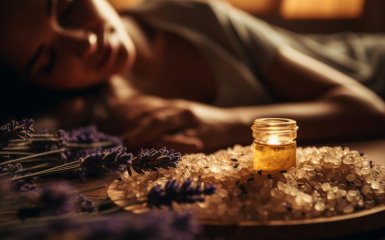
The scent of fresh lavender, citrus peel, or pine forest can evoke pleasant memories, change your mood, and create a sense of comfort. It is this characteristic of human perception that underlies aromatherapy, the practice of using plant scents to support emotional comfort and well-being.
Points of attention
- The effect of a scent depends on its chemical composition, concentration, a person's previous experience, and the circumstances in which they find themselves.
- Aromatherapy can be an additional way to create a comfortable environment, but it does not replace psychotherapy, medication, or other necessary medical care.
- It is necessary to check for what purpose the product is intended: room aromatization, cosmetic use, or other purpose.
Aromatherapy can help some people temporarily reduce feelings of stress and tension, but its effectiveness depends on the specific aroma, the method of application, and the individual's response. Scientific studies have shown promising results for certain essential oils, but they do not yet allow aromatherapy to be considered a full-fledged treatment for anxiety disorders, depression, or chronic stress.
It is also important to note that the natural origin of an essential oil does not guarantee its safety. Concentrated plant extracts can irritate the skin and respiratory tract, cause allergic reactions, and if used incorrectly, even cause poisoning.
Let's take a look at how aromatherapy works, which scents are most often explored in the context of stress, how to properly use a diffuser, and why some popular ways to use essential oils can be dangerous.
What is aromatherapy and how does it work?
Aromatherapy is a complementary practice that involves the use of aromatic plant-derived substances, primarily essential oils. They are most often applied by inhalation or in specially diluted skin products.
Essential oils are extracted from various parts of plants: flowers, leaves, bark, wood, fruit or citrus peel. They contain complex mixtures of volatile organic compounds that determine their characteristic odor.
Unlike regular vegetable oils, such as olive or sunflower, essential oils are highly concentrated aromatic mixtures.
How smells affect the brain and emotions
When a person inhales a scent, its molecules interact with olfactory receptors in the nasal cavity. The information is transmitted to the brain, specifically to structures involved in smell processing, emotions, and memory.
That's why a familiar scent can unexpectedly trigger vivid memories or a certain emotional reaction.
For example, the smell of pine needles may be associated with a vacation in the mountains for one person, while for another it may be associated with an unpleasant event. Accordingly, the reaction to it may differ significantly.
However, the common claim that essential oils directly “turn off stress” or automatically lower cortisol levels is an oversimplification.
The olfactory system is indeed connected to areas of the brain involved in emotional regulation. However, this does not mean that any pleasant smell can predictably alter hormonal levels or treat psychological disorders.
The effect of a scent depends on its chemical composition, concentration, a person's previous experience, and the circumstances in which they find themselves.
Does aromatherapy really help with stress: research results
The scientific evidence for aromatherapy is mixed, with some studies showing a reduction in subjective anxiety and psychological distress, while others show no convincing benefits compared to controls.
In 2023, the journal Complementary Therapies in Clinical Practice published a systematic review of 76 clinical studies of inhaled aromatherapy involving 6,539 people.
Over 70% of the included studies reported positive effects of aromatherapy on anxiety scores compared to control groups.
However, the authors highlighted important limitations: the studies varied significantly in application methods, oil concentrations, treatment durations, and participant characteristics.
Additionally, a significant portion of the trials addressed anxiety before medical procedures, rather than everyday or chronic stress.
Therefore, the results cannot be automatically transferred to all life situations.
What leading medical organizations say
The US National Center for Complementary and Integrative Health (NCCIH), which is part of the National Institutes of Health, notes that the evidence for the effectiveness of aromatherapy is not yet sufficient to draw definite conclusions regarding the treatment of anxiety, depressive symptoms, and sleep disorders.
Instead, some people report a subjective improvement in well-being and quality of life.
It is important to distinguish between short-term relaxation and treatment for clinical anxiety disorder.
Aromatherapy can be an additional way to create a comfortable environment, but it does not replace psychotherapy, medication, or other necessary medical care.
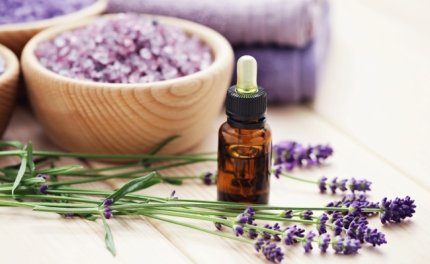
Which essential oils help you relax: five popular scents
Various plant-based aromas have been studied in the context of stress, anxiety, mood, and sleep. However, the level of evidence varies significantly.
There is no scientifically proven universal ranking of the best essential oils for combating stress.
1. Lavender is one of the most researched scents
Lavender essential oil ( Lavandula angustifolia ) is widely used in aromatherapy and is most frequently mentioned in studies on anxiety and relaxation.
Its characteristic smell is formed by a combination of aromatic compounds, including linalool and linalyl acetate.
Some clinical studies have found a reduction in subjective anxiety after inhaling lavender.
However, the NCCIH emphasizes that it is not yet known how stable and clinically meaningful this effect is.
Standardized oral preparations of lavender oil have been studied separately. Some results suggest possible benefits for anxiety, but these cannot be equated to using regular essential oils in a diffuser.
It is unacceptable to swallow lavender essential oil on your own.
When fragrance may be appropriate: during a relaxing break or as part of an evening ritual, if the smell is pleasant and does not cause negative reactions.
2. Sweet orange is a scent associated with cheerfulness
Sweet orange ( Citrus sinensis ) essential oil is obtained primarily from the peel of the fruit.
The main component of its aromatic mixture is limonene.
In some small studies, citrus scents have been linked to improved subjective mood and reduced situational anxiety.
However, there is not enough evidence to say that orange oil directly affects depression or provides long-term reduction in stress levels.
For many people, citrus scents are associated with freshness and pleasant memories.
At the same time, the individual reaction may be the opposite: intense citrus aromas sometimes provoke headaches or irritation.
3. Bergamot is a popular scent for emotional comfort
Bergamot ( Citrus bergamia ) is a citrus fruit with a fresh, floral, and slightly bitter aroma.
Bergamot oil has been studied in small clinical trials on situational anxiety and psychological well-being.
Some results have been positive, but there is not enough research to recommend bergamot as a treatment.
A separate warning applies to use on the skin.
Some types of bergamot oil contain furocoumarins, substances that can increase skin sensitivity to ultraviolet radiation.
Therefore, regular bergamot essential oil should not be applied to exposed areas of skin before exposure to the sun.
4. Chamomile — a soft floral scent
Various types of chamomile are used in aromatherapy, including Roman chamomile ( Chamaemelum nobile ) and German chamomile ( Matricaria chamomilla ).
Their essential oils differ in chemical composition, so they are not completely interchangeable.
Chamomile is often associated with evening rest and relaxation. However, there is not yet enough convincing clinical evidence to support the effectiveness of inhaling chamomile essential oil for treating stress.
People with allergies to plants in the aster family need to consider the possibility of an adverse reaction.
5. Rose is a scent that has been studied for mood and sleep
Essential oils of the Damask rose ( Rosa damascena ) are used in perfumery and aromatherapy.
A systematic review and meta-analysis of 28 randomized trials, published in 2025 in Frontiers in Public Health , found possible positive effects of rosehip products on symptoms of anxiety, stress, and sleep quality.
At the same time, the studies varied in their methods of application and participant characteristics, and the authors emphasized the need for better quality trials.
Therefore, rose aroma can be considered as one option for creating a pleasant atmosphere, but not as a proven remedy for treating anxiety disorders.
How to choose an essential oil for aromatherapy
Buyers are often guided by attractive packaging, claimed properties, or high price.
However, these characteristics do not guarantee the quality and safety of the product.
Before purchasing, it is worth checking several important parameters.
Botanical name of the plant
It is desirable to see not only the commercial name of the fragrance on the label, but also the Latin name of the plant.
For example, different types of lavender can vary significantly in chemical composition.
The general label “lavender oil” does not always allow you to determine which plant the product is made from.
Composition and purpose
Not every aromatic composition is an essential oil.
Natural essential oils, perfume compositions, and mixtures of essential oils with solvents or base components are available for sale.
It is necessary to check for what purpose the product is intended: room aromatization, cosmetic use, or other purpose.
Oil for air fragrance is not necessarily suitable for application to the skin.
Packaging and storage conditions
Essential oils are usually sold in small, tightly sealed bottles, often made of dark glass.
This helps limit exposure to light and air, which can contribute to changes in the composition of some aromatic substances.
It is worth checking the expiration date, the integrity of the packaging, and the manufacturer's storage recommendations.
Does naturalness mean safety?
No. This is one of the most common myths about essential oils.
Natural plant extracts may contain components that can irritate the skin, cause allergic reactions, or be toxic if used improperly.
For example, linalool and limonene are natural aromatic compounds, but their oxidation products may increase the risk of contact allergy.
Therefore, the labels "100% natural", "organic" or "therapeutic grade" do not in themselves confirm therapeutic efficacy or absolute safety.
How to properly perform aromatherapy at home
The most common method of home aromatherapy is using a diffuser, which disperses aromatic substances into the air.
However, even such a seemingly simple method requires caution.
Aromatherapy using a diffuser
Diffusers differ in how they work. Some devices use water and ultrasonic atomization, while others disperse aromatic substances without adding water.
For safer use, it is important to:
Only use products that the manufacturer allows for use in a specific device.
Follow the instructions regarding the amount of oil and operating time.
Ensure sufficient ventilation of the room.
Do not leave the device running continuously for a long time.
Do not place the diffuser near your face or sleeping area.
Discontinue use if cough, irritation, headache or nausea occurs.
There is no universal safe number of drops for all diffusers.
The concentration of aromatic substances in the air depends on the volume of the room, ventilation, device characteristics, and the properties of the specific oil.
Therefore, you should not increase the dosage yourself, trying to get a stronger effect.
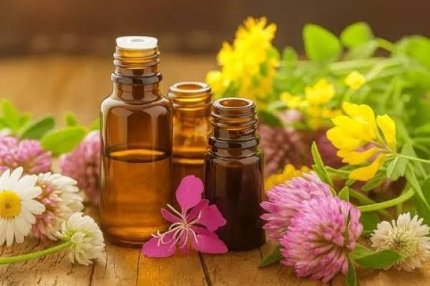
Can essential oils be used for massage?
Some essential oils are used in massage products.
However, concentrated essential oils should not be applied directly to the skin.
For cosmetic use, they are diluted with an appropriate base oil, such as jojoba or other vegetable oil, following the manufacturer's instructions.
Even diluted mixtures can cause irritation or an allergic reaction.
Certain essential oils are not recommended for use on the skin at all.
It is also important to remember that relaxation after an aromatic massage may be related to the massage itself, relaxation, and pleasant atmosphere, and not solely to the effects of the essential oil.
Why you shouldn't add undiluted oil to your bath
A common home practice is to drip essential oil directly into water.
However, essential oils do not mix well with water. Concentrated drops can remain on the surface and come into contact with the skin.
This increases the risk of local irritation.
For aromatic baths, it is advisable to use only specially designed ready-made products according to the instructions.
Adding regular salt or milk to essential oil does not guarantee its safe dispersion in water.
Is it safe to inhale essential oils over hot water?
Inhalation over a bowl of hot water is sometimes recommended as a simple way to use aromatic substances.
However, this method has two risks: the possibility of burns from hot water and irritation of the respiratory tract from concentrated vapors.
Therefore, for home relaxation, it is better not to use steam inhalations with essential oils.
Who can aromatherapy harm?
The reaction to aromatic substances is individual. A product that one person perceives as pleasant may cause severe discomfort to another.
Certain groups of people need special care.
People with asthma and allergic diseases
The American Lung Association notes that scented products, whether natural or synthetic, can worsen indoor air quality.
In sensitive people, they can provoke coughing, eye and nose irritation, headache, shortness of breath, or exacerbation of respiratory symptoms.
This is especially true for people with bronchial asthma, chronic lung diseases, migraines, and increased sensitivity to odors.
In such situations, an aroma-free environment may be safer than any aromatherapy.
Pregnant and breastfeeding women
There is insufficient data on the safety of many essential oils during pregnancy and breastfeeding.
The British National Health Service (NHS) recommends discussing the use of aromatherapy with a medical professional.
You should not apply concentrated oils on your skin or internally, relying solely on their plant origin.
Children and infants
Children may be more sensitive to the effects of concentrated fragrances.
The American Academy of Pediatrics draws attention to the possibility of skin irritation and other adverse reactions.
Accidental ingestion of essential oils is particularly dangerous.
For example, concentrated eucalyptus oil can cause severe poisoning, including convulsions, if ingested.
Essential oils should not be used to treat children without consulting a pediatrician.
Bottles and aromatic liquids should be stored out of the reach of children.
Pets
Essential oils can be dangerous not only to humans.
The American Society for the Prevention of Cruelty to Animals (ASPCA) warns that concentrated oils can cause poisoning in cats and dogs.
The risk depends on the type of oil, concentration, method of contact, and the condition of the animal.
It is especially undesirable to use diffusers in rooms with poultry, whose respiratory systems are very sensitive to air pollutants.
If you have animals at home, the use of essential oils should be discussed with your veterinarian in advance.
Does aromatherapy help improve sleep?
Many people use aromatherapy in the evening, hoping to fall asleep faster or improve the quality of their sleep.
Some studies have indeed found positive changes in subjective sleep scores after aromatherapy.
In particular, a review of 16 studies involving 1,346 people reported by the NCCIH indicated possible improvements in sleep quality.
However, the researchers noted that larger and methodologically better trials are needed for reliable conclusions.
It is also important to consider that the evening ritual itself — dimmed lighting, quitting work, quiet music, or rest — can promote relaxation regardless of the scent.
Therefore, it cannot be claimed that it is the essential oil that provides improved sleep.
If the smell is pleasant, it can become part of your personal evening ritual. However, if you have insomnia, it is more important to assess your sleep patterns, psychological state, and possible medical causes.
Five common mistakes when using essential oils
The biggest risks of aromatherapy are often not related to the desire to relax, but to the improper use of concentrated products.
1. Using too much oil. A stronger scent does not guarantee a stronger effect, but it can increase the risk of irritation and headaches.
2. Applying undiluted oil to the skin. Concentrated extracts can cause irritation and contact allergies.
3. Taking essential oils internally. Regular essential oils are not intended for self-administration orally. Some of them can cause severe poisoning even in small amounts.
4. Prolonged aromatization of a closed space. Lack of ventilation can increase the concentration of aromatic substances in the air.
5. Using aromatherapy instead of medication. A temporary feeling of relaxation does not mean that the causes of anxiety, chronic stress, or depressive symptoms have been eliminated.
If severe symptoms occur after exposure to essential oils, discontinue use immediately. Seek immediate medical attention if you experience difficulty breathing, seizures, loss of consciousness, or accidental ingestion of potentially toxic oils.
How to use relaxing scents without essential oils
Pleasant perception of smells does not necessarily require concentrated essential oils or special devices.
For many people, ordinary scents associated with positive experiences are enough.
It could be the smell of freshly brewed tea, coffee, citrus fruits, pastries, or flowers.
Unlike the use of concentrated essential oils, such everyday situations do not involve the intentional spraying of aromatic extracts into the air.
However, even ordinary smells can be unpleasant for people with hypersensitivity.
How to combine a pleasant aroma with relaxation techniques
You can create a short relaxation ritual that doesn't require any special procedures.
For example, after finishing work, make your favorite drink, put your phone away, and spend a few minutes in a quiet environment.
If you want, you can pay attention to the aroma of the drink, the temperature of the cup, and other pleasant sensations.
This approach combines familiar sensory experiences with attentional switching.
The NCCIH notes that certain relaxation techniques, including slow breathing and progressive muscle relaxation, can help reduce subjective stress.
At the same time, these methods do not replace treatment for mental disorders.
The main advantage of a simple ritual is that it is not necessary to buy expensive aromatic products for relaxation.
When stress doesn't require aromatherapy, but medical attention
Stress is the body's natural response to difficult or threatening circumstances. However, when tension becomes chronic, it can affect sleep, concentration, physical well-being, and daily functioning.
It is especially important not to limit yourself to home relaxation methods if you experience:
a constant feeling of anxiety or fear;
panic attacks;
prolonged sleep disturbances;
severe irritability or exhaustion;
loss of interest in usual activities;
difficulties with work and everyday tasks;
depressed mood that does not go away;
intrusive memories of traumatic events.
Such symptoms do not necessarily indicate a specific mental disorder, but require proper evaluation.
If necessary, the doctor may recommend psychotherapy, additional tests, or other treatments.
If symptoms are severe, rapidly worsening, or accompanied by thoughts of self-harm, seeking help should not be delayed.
Conclusion
Aromatherapy can be a pleasant addition to your daily routine. Some studies suggest that inhaling certain plant scents can temporarily reduce subjective feelings of anxiety and psychological stress.
However, the effectiveness of aromatherapy remains poorly proven for treating chronic stress, anxiety disorders, and depression.
It is also important to remember that natural essential oils are concentrated substances that require careful use.
If the scent is pleasant and does not cause adverse reactions, it can become part of a personal relaxation ritual. But the foundation of mental health care remains adequate sleep, physical activity, social support, and timely seeking professional help.
FAQ: Frequently Asked Questions About Aromatherapy for Stress
Which essential oil is best for stress relief?
There is no universally most effective essential oil. Most research has been done on lavender, but the results regarding its inhalation use are mixed. Some data also apply to rose and citrus scents. Choosing a scent for relaxation should be done taking into account individual tolerance and possible contraindications.
Does lavender really calm the nervous system?
Some studies have found a reduction in subjective anxiety after using lavender products. However, the effectiveness of inhaling the essential oil itself has not yet been confirmed by a sufficient number of high-quality studies. Lavender can be a pleasant element of relaxation, but it is not a substitute for treatment for anxiety disorders.
Can aromatherapy be used every day?
Daily use is not necessary to enjoy the aroma. Safety depends on the specific oil, concentration, duration of use, ventilation, and health status. Continuous spraying of aromatic substances in a closed room is undesirable, especially in the presence of sensitive people, children, or pets.
How many drops of essential oil do I need for a diffuser?
There is no universal amount. The dosage depends on the design and capacity of the device, the specific essential oil, and the manufacturer's recommendations. You should not increase the number of drops yourself to enhance the smell. If there are no instructions or the composition of the product is unknown, it is better not to use it for spraying.
Does aromatherapy help with anxiety?
Some clinical studies have shown a temporary reduction in situational anxiety. However, there is insufficient evidence that aromatherapy is effective in treating generalized anxiety disorder, panic disorder, or other mental illnesses. In such cases, it should not replace treatments with proven efficacy.
Can I use essential oils before bed?
Some people incorporate pleasant aromas into their nighttime rituals. However, you should not leave a diffuser running all night or spray concentrated essential oils directly on your pillow. The effectiveness of aromatherapy for insomnia remains poorly proven, so if you have persistent sleep disturbances, you should find out the cause.
Are essential oils safe for children?
Not all essential oils are safe for children. Concentrated products can cause irritation, allergic reactions, and poisoning if accidentally swallowed. Be especially careful with essential oils of eucalyptus, mint, and other intense aromatic substances. The use of such products for children should be agreed in advance with a pediatrician.
Can essential oil be applied directly to the skin?
In general, undiluted essential oils should not be applied directly to the skin. For cosmetic use, use specially designed and properly diluted products. Some oils can cause irritation, allergies, or increased sensitivity to sunlight. It is important to check the instructions and contraindications before use.
How is aromatherapy different from regular fragrance?
Aromatherapy involves the use of essential oils or other aromatic products to promote well-being. Conventional fragrances are primarily intended to create a scent. However, the mere fact of natural origin does not prove the therapeutic efficacy of an aromatherapy product. Both natural and synthetic fragrances can cause adverse reactions.
Can essential oils be used instead of sedatives?
No. Aromatherapy is not a proven substitute for medication for anxiety and other mental health conditions. Stopping prescribed therapy on your own may worsen your condition. If a person wants to use aromatherapy as an additional method of relaxation, this should be discussed with their doctor, especially if they have a chronic illness or are taking medication.
Important: the material is for informational purposes only and does not replace medical advice. Self-medication, uncontrolled use of essential oils, their ingestion or use instead of prescribed medications can be harmful to health. Before starting aromatherapy, especially in the presence of chronic diseases, asthma, allergies, during pregnancy, breastfeeding or for children, be sure to consult a doctor. In case of accidental ingestion of essential oil or a severe adverse reaction, emergency medical care is required.

