
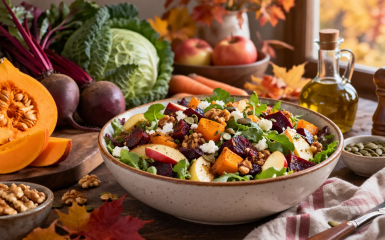
Autumn cuisine has its own flavor logic. Pumpkin and root vegetables become sweeter after baking, mushrooms provide a deep umami, apples and pears easily transition from desserts to savory dishes, and rosemary, sage, ginger, cinnamon, and nutmeg create the same warm aromas associated with the cooler season.
Points of attention
- Autumn cuisine has its own logic of taste, which can be easily recreated by combining seasonal products with spices.
- Principles of autumn flavor combinations: sweet + spicy, earthy + aromatic herbs, sweet + salty, rich + sour, soft + crunchy.
- Classic combinations for autumn dishes: pumpkin + sage + butter, mushrooms + thyme + garlic, potatoes + rosemary + garlic.
To prepare delicious autumn dishes, you don't have to look for complicated recipes. Often, it's enough to correctly combine a seasonal product with two or three spices, add acidity, saltiness, or textural contrast.
Here are 12 combinations on which to build dozens of soups, side dishes, salads, pastas, baked goods, and quick homemade dinners.
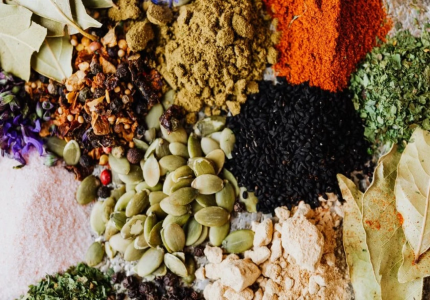
How fall flavor combinations work
Several principles are repeated in most fall dishes.
Sweet + spicy. Pumpkin, carrots, sweet potatoes, apples, and pears pair well with cinnamon, ginger, cardamom, nutmeg, and cloves.
Earthy + aromatic herbs. Mushrooms, potatoes, beets, and root vegetables benefit from thyme, rosemary, and sage.
Sweet + salty. Pear with cheese, pumpkin with feta, or apple with pork work because of the contrast.
Rich + sour. Creamy sauce, baked vegetables, or fatty cheese become more interesting with the addition of lemon juice, balsamic vinegar, or berry sour.
Soft + crunchy. Creamy soup with seeds, baked pumpkin with nuts, or soft pear with crunchy salad feel more complex in texture.
It is these principles that help you improvise without an exact recipe.
1. Pumpkin + sage + butter
One of the best combinations for pumpkin is not cinnamon, but sage.
The pumpkin caramelizes during baking and takes on a sweet, nutty flavor. The butter adds richness, and the sage adds a distinct, herbaceous aroma.
This trio works especially well in:
paste;
risotto;
gnocchi;
baked pumpkin;
cream soup;
ravioli fillings.
A simple option: fry the butter until it has a light nutty aroma, add sage leaves and pour it over the baked pumpkin pieces.
A little Parmesan or sour goat cheese will make the flavor even more pronounced.
2. Pumpkin + ginger + coconut milk
If you want a spicier fall soup, pumpkin pairs perfectly with ginger.
The sweetness of the pumpkin softens the spiciness of the ginger, and the coconut milk creates a creamy texture.
This foundation goes well with:
garlic;
chili;
curry;
turmeric;
lime;
cilantro.
This way you can make pumpkin cream soup with a completely different character than the classic version with cream and nutmeg.
The important detail is acidity. A few drops of lemon or lime juice at the end of cooking makes the sweet pumpkin taste fresher.
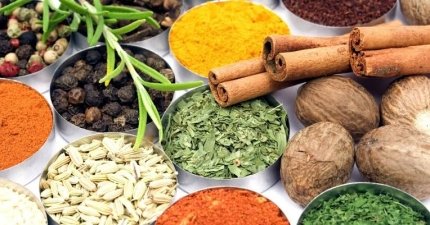
3. Mushrooms + thyme + garlic
Mushrooms have a distinct umami flavor, often described as meaty or brothy.
Thyme supports their earthy flavor, while garlic adds pungency.
The combination is suitable for:
paste;
risotto;
creamy sauces;
ragout;
potatoes;
buckwheat;
omelets;
pies.
The main mistake when cooking mushrooms is to overfill the pan.
If you put too many mushrooms at once, they will start to give off water and stew. For a golden crust, it is better to fry them in batches on a well-heated surface.
It is advisable to add the garlic towards the end so that it does not burn.
4. Mushrooms + cream + black pepper
This is the base for a quick fall sauce.
The sautéed mushrooms add umami, the cream mellows the flavor, and the freshly ground black pepper adds spiciness and flavor.
The sauce works well with:
paste;
mashed potatoes;
chicken;
turkey;
polenta;
buckwheat.
To prevent the creamy sauce from becoming too heavy, you can add a little lemon juice or dry white wine at the end during cooking.
Another option is to replace some of the cream with broth.
5. Potatoes + rosemary + garlic
Rosemary potatoes are a fall classic that works well precisely because of its simplicity.
During baking, the potatoes acquire a crispy crust, the rosemary gives off a piney aroma, and the garlic becomes sweeter and milder.
For a good result it is worth:
Cut the potatoes into approximately equal pieces.
Dry it well.
Do not overload the baking tray.
Add a little oil.
Bake at high temperature until golden brown.
Black pepper, smoked paprika, and lemon zest go well with rosemary.
If you are using fresh garlic, you can add it a little later than the potatoes so that it does not become bitter.
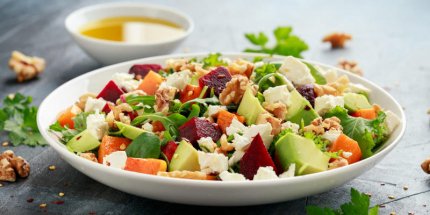
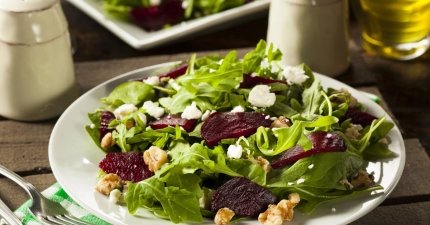
6. Beets + goat cheese + walnuts
Beets become sweeter and more concentrated in taste after baking.
The sour-salty goat cheese creates a contrast, and the walnuts add a crunchy texture.
Another component is needed for balance - acidity.
The best work:
balsamic vinegar;
lemon juice;
orange dressing.
You can add arugula, spinach, or other greens to the salad.
If goat cheese seems too strong, it can easily be replaced with feta.
7. Beets + cumin or zira + coriander
Another way to reveal beets is to go not in the direction of cream cheese, but in the direction of warm spices.
Ground cumin adds an earthy, slightly smoky flavor, and coriander adds a citrus note.
This combination works especially well with baked beets.
Before baking, simply mix the pieces with a little oil, cumin, coriander, salt, and black pepper.
After the oven, you can add yogurt sauce, tahini, or a little lemon juice.
It makes a good side dish or the base of a warm salad.
8. Apple + cinnamon + cardamom
Cinnamon and apple are the most obvious autumn combination. Cardamom makes it more interesting.
Its aroma is simultaneously reminiscent of citrus, eucalyptus, and warm spices.
The combination is suitable for:
baked apples;
charlottes;
crumble;
oatmeal;
pancakes;
compote;
granola.
It's important not to overdo it with cardamom: it's much more intense than cinnamon.
A small pinch of ground cardamom is often enough for four to six apples.
Vanilla, lemon zest, or a pinch of nutmeg will add extra depth.
9. Apple + pork + mustard
Apples work great in savory dishes too.
Their fruity acidity and sweetness balance the rich flavor of the pork well.
To this pair, you should add mustard — regular Dijon or grainy.
For example, you can fry pork medallions, caramelize apple slices with onions separately, and then combine everything with a sauce made from mustard and a small amount of broth.
Also work well:
sage;
thyme;
black pepper;
cider.
This is a good example of how an ordinary autumn apple moves from the dessert category to a full-fledged main dish.
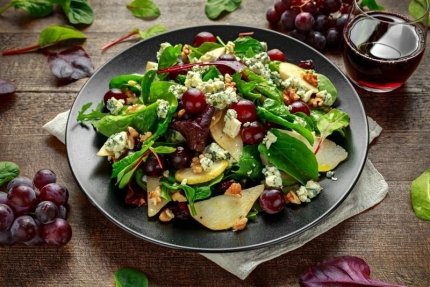
10. Pear + blue cheese + nuts
Sweet juicy pear and salty savory cheese create one of the best cold autumn contrasts.
Most often used:
gorgonzola;
Roquefort;
dorblue;
another cheese with blue mold.
Walnuts or hazelnuts and green leaves are added to them.
The dressing can be as simple as possible: olive oil, lemon juice, or a little balsamic vinegar.
If blue cheese seems too sharp, goat cheese or brie would be a good alternative.
This combination is also suitable for tarts, bruschetta or pizza.
11. Pear + ginger + chili
Pear is usually paired with cinnamon, but ginger and a small amount of chili create a more interesting contrast.
The mild fruity sweetness stands up well to the spiciness.
Try cutting a ripe but firm pear into thin slices, add:
fresh ginger;
a little chili;
lemon juice;
green;
a pinch of salt
The result is a quick fruit-spicy salad with cheese, poultry, or baked meat.
Another option is to bake a pear with ginger and a small amount of honey, and add chili literally at the tip of a knife.
12. Plum + cinnamon + star anise
Plums are one of the most underrated fall fruits for warm cuisine.
When heated, their acidity becomes milder, the juice concentrates, and the flavor is wonderfully supported by cinnamon and star anise.
This combination is suitable for:
plum pie;
baked plums;
compote;
sauce for duck or pork;
crumble;
plum jam.
For a salty sauce, reduce the amount of sugar, add black pepper, a little vinegar, and salt.
The result is a sweet and sour sauce that works well with rich meats.
Carrot + honey + cumin
Carrots have enough sweetness of their own, which becomes more pronounced after baking.
A small amount of honey enhances caramelization, and cumin or zira prevents the dish from turning into a dessert.
These carrots can be served with:
yogurt sauce;
feta;
lentils;
baked poultry;
hummus.
Instead of honey, you can use maple syrup or not sweeten at all - well-baked carrots are sweet enough on their own.
Sweet potato + smoked paprika + lime
It's easy to make sweet potatoes too sweet, especially if you add honey or cinnamon to them.
A much more interesting option is smoked paprika.
It adds smokiness, salt enhances the flavor, and lime or lemon creates contrast.
For a spicier option, add:
chili;
cayenne pepper;
hot pepper flakes.
Baked sweet potatoes with this seasoning go well with yogurt sauce, avocado, beans, or a fried egg.
Cauliflower + curry + yogurt
Cauliflower tolerates intense spices well.
Curry, turmeric, cumin, and coriander create a warm spicy profile, and a cool yogurt sauce balances the flavor.
The best way is to bake the cabbage at a high temperature until the edges are dark golden brown.
The browning itself creates a much more interesting flavor than regular boiling.
Ready cabbage can be supplemented with:
lemon juice;
cilantro;
parsley;
sesame;
tahini.
How to use autumn spices correctly
Cinnamon, nutmeg, cloves, cardamom, and ginger create a distinctive “warm” flavor, but it’s easy to overdo them.
Cinnamon
Suitable for apples, plums, pears, pumpkins and carrots. Can also work in meat dishes in small quantities.
Nutmeg
Goes well with pumpkin, potatoes, creamy sauces, spinach and cauliflower.
It is very concentrated, so a pinch is usually enough.
Cardamom
Good with apples, pears, pumpkin, coffee and pastries. Use with caution - the aroma quickly dominates.
Carnation
Especially good in compotes, mulled wine mixtures, baked apples and fruit sauces.
Two or three buds are often enough for a whole pot of drink.
Ginger
More versatile: suitable for pumpkin, carrots, pears, apples, poultry, Asian sauces and soups.
Fresh or dried herbs: which is better?
Both have their place.
Dried herbs are usually added earlier so that they have time to release their aroma during cooking.
Fresh - closer to the end or before serving.
A rough culinary rule: dried herbs are more concentrated, so you need less of them than fresh ones.
For example, if a recipe calls for a tablespoon of fresh thyme, about a teaspoon of dried thyme may be enough.
This is not an exact formula, as the intensity depends on the quality and age of the spices.
How to make a fall dish tastier without a complicated recipe
There is a simple formula.
Take one seasonal product :
pumpkin, beets, potatoes, mushrooms, apple, pear.
Add one aromatic ingredient :
rosemary, sage, thyme, ginger, cinnamon.
Then you need contrast :
lemon juice, vinegar, cheese, yogurt, mustard or chili.
And finally - texture :
nuts, seeds, croutons or crispbread.
For example:
pumpkin + sage + feta + pumpkin seeds ;
beets + goat cheese + balsamic + walnuts ;
pear + blue cheese + lemon + hazelnut ;
mushrooms + thyme + cream + crispy croutons .
This way you can create new dishes without having to search for a separate recipe for each product.
What to buy for the fall kitchen
Instead of dozens of exotic ingredients, a small base is enough.
It is good to have the following products:
pumpkin;
potatoes;
carrots;
beet;
mushrooms;
apples;
pears;
plums;
walnuts.
From seasonings:
black pepper;
smoked paprika;
cinnamon;
ginger;
nutmeg;
vision;
rosemary;
thyme;
sage.
Add lemons, mustard, yogurt, several types of cheese, and good oil to this — and most autumn flavor combinations can already be assembled from basic products.
How to store fall produce longer
Some of the fall harvest is well suited for storage, but all produce has different requirements.
Whole, ripe winter squash can be stored for weeks or even months in a cool, dry, well-ventilated place. Once cut, they should be kept in the refrigerator.
Apples keep longer in the cold.
Pears are often sold unripe. They can ripen after picking, so it's best to leave a firm pear at room temperature and move a ripe one to the refrigerator.
It is best to buy fresh mushrooms in small quantities and use them quickly.
Smart storage allows you to build menus around seasonal products and waste less food.
Conclusion
Fall flavors are born not from a single spice or ingredient, but from a balance of sweet, salty, sour, spicy, and aromatic. Pumpkin becomes more interesting with sage or ginger, mushrooms with thyme, beets with goat cheese or zira, and apples and pears work well beyond desserts.
The easiest way to diversify your home cooking in the fall is to choose a seasonal product, add one distinctive spice, create a flavor contrast, and finish the dish with a crunchy or creamy component. This way, an ordinary pumpkin, potato, or apple can easily be transformed into a dish you'll want to cook again.
FAQ
What foods are most associated with autumn cuisine?
The most typical are pumpkin, mushrooms, potatoes, beets, carrots, apples, pears, plums, various types of cabbage, nuts, and root vegetables.
What spices go best with pumpkin?
Sage, thyme, ginger, curry, chili, and nutmeg work well for savory dishes. Cinnamon, cardamom, ginger, and cloves work well for desserts.
What herbs go best with mushrooms?
Classic options include thyme, parsley, rosemary, and sage. The most versatile combination for fried mushrooms is thyme, garlic, and black pepper.
What to add to baked beets?
Goat cheese or feta, walnuts, balsamic vinegar, arugula. For a spicier version, use cumin and ground coriander.
What to pair a pear with in a savory dish?
With blue or goat cheese, walnuts, ham, herbs, ginger, chili and balsamic vinegar.
What spices go well with apples?
Cinnamon, cardamom, cloves, nutmeg, vanilla and ginger. For savory dishes, apple works well with mustard, sage and black pepper.
How to season baked potatoes?
The simplest combination is rosemary, garlic, salt, and black pepper. Smoked paprika, thyme, and lemon zest also work well.
How to make pumpkin soup more interesting?
Use contrasts. You can add ginger and chili to sweet pumpkin, curry and coconut milk, or sage and Parmesan. A dash of lemon juice at the end will brighten the flavor.
What autumn fruits go well with meat?
Apples go well with pork and poultry, pears with duck and cheese, and plums with duck, pork, and other rich meat dishes.
How to come up with your own autumn flavor combinations?
Start with a seasonal product, add a flavorful herb or spice, then a contrasting ingredient—acid, cheese, mustard, or chili—and finish with texture, like nuts or seeds. This works for most fall fruits and vegetables.
undefined

