
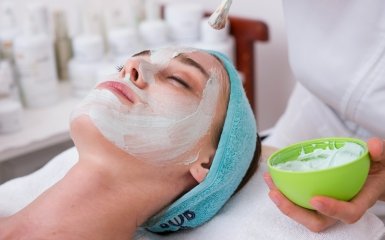
In the fall, skin, hair, and lips often react to colder air, wind, temperature changes, and the start of the heating season. The face can dry out more quickly, lips can crack, hands can become rough, and hair can lose its shine due to dry air, hats, blow dryers, and hot styling.
A good fall routine doesn't mean buying dozens of new bottles. Instead, a well-thought-out basic set works best: a gentle cleanser, moisturizer, sunscreen, lip care, hand cream, body product, and a little extra hair care. The American Academy of Dermatology recommends using a gentle cleanser for dry skin, applying moisturizer immediately after showering or washing your face, and wearing sunscreen with an SPF of 30 or higher.
Autumn care should be based not on trends, but on the needs of the skin, hair and lifestyle. One woman needs a thicker cream and lip balm, another - light moisturizing and anti-irritation products, a third - hair restoration after summer. The task of the routine is to maintain the protective barrier, reduce dryness and make care regular, not complicated.
Why you need to review your care in the fall
In summer, the skin is more exposed to the sun, sweat, sea or chlorinated water. In autumn, other factors are added: cold wind, lower humidity, hot showers, radiators, dry indoor air, tighter clothing and more decorative cosmetics.
The Mayo Clinic explains that long, hot showers, excessive skin friction, and dry air can worsen dryness; it recommends using gentle cleansers, moisturizers, and avoiding water that's too hot.
That's why in the fall you often need to change not your entire makeup bag, but a few habits: switch to a gentler cleanser, add a thicker cream, don't forget about SPF, blow-dry your hair less, and apply cream to your hands and lips more often.
Basic set for your autumn routine
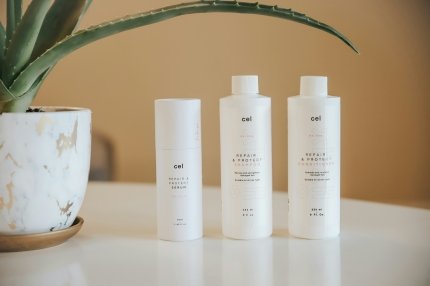
Autumn care can be compiled from simple categories. These products do not have to be expensive. What is more important is that they suit your skin type, do not irritate, and are used regularly.
Basic set:
a mild facial cleanser;
moisturizing face cream;
SPF product for daytime use;
lip balm;
hand cream;
body lotion after shower;
shampoo according to scalp type;
conditioner or mask for long hair;
thermal protection, if there is a hairdryer, curling iron or straightener;
a delicate active agent as needed: retinol, acids, niacinamide or azelaic acid.
The AAD, in its tips for skincare on a budget, notes that a basic routine can consist of gentle cleansing, moisturizing, and sun protection; if you're having trouble determining your skin type or choosing products, it's a good idea to consult a dermatologist.

Facial cleansing: gentler, but regular
In the fall, skin often doesn't respond well to aggressive cleansing until it squeaks. Such gels and foams can remove too much of the natural lipid layer, which can lead to tightness, peeling, irritation, and compensatory oiliness.
In the morning, a gentle gel, cream cleanser, or just plain water is often enough if your skin is dry and doesn't need active cleansing. In the evening, cleansing should remove SPF, makeup, dust, sebum, and urban pollution. If you use long-lasting makeup or sunscreen, you can use a two-step cleansing: first a hydrophilic oil, balm, or micellar water, then a gentle gel.
Signs that a cleaning agent is not suitable:
tightens the skin immediately after washing;
burning sensation appears;
the face peels off quickly;
I want to apply the cream before I finish washing my face;
redness increases;
The skin becomes both oily and dehydrated.
For fall, it's better to choose products without the harsh feeling of a "clean slate." This is especially important for dry, sensitive skin, skin with rosacea, dermatitis, or a compromised barrier.
Moisturizer: the main remedy of the season
In the fall, moisturizer becomes the foundation of your daily skincare routine. It helps reduce moisture loss, support the skin barrier, and make your skin more comfortable throughout the day.
The AAD recommends applying moisturizer right after showering or washing your face, while your skin is still slightly damp, to help it retain water. The Cleveland Clinic also recommends applying moisturizer within a few minutes of showering, so that dry air can evaporate moisture from your skin.
For oily skin in the fall, a light cream or gel-cream with glycerin, hyaluronic acid, niacinamide, or ceramides is often enough. For dry skin, thicker creams with lipids, oils, squalane, ceramides, or petrolatum work better. For sensitive skin, simple formulas without strong fragrances are important.
Don't confuse hydration with oiliness. Even combination or oily skin can be dehydrated, especially after using actives, frequent washing, acids, retinoids, or cold winds.
SPF in the fall: why it's still needed
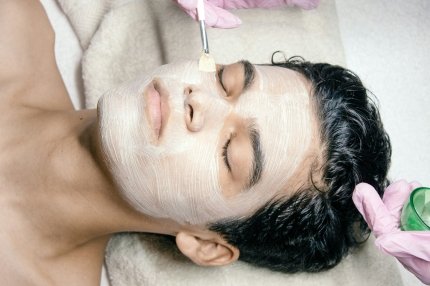
A common mistake is to remove SPF after summer. The sun seems less active in the fall, but UV rays don't disappear. UVA rays, which are associated with photoaging and pigmentation, penetrate clouds and can affect skin even on cloudy days.
The AAD recommends choosing a sunscreen with three characteristics: broad-spectrum, SPF 30 or higher, and water resistant. This is especially important for daily urban skincare if you use acids, retinoids, anti-pigmentation products, or are prone to post-breakout blemishes.
In the fall, SPF can be more comfortable: you don't have to use a thick beach cream. For the city, you can choose a light cream, fluid, tinted SPF, or day cream with a sufficient level of protection. The main thing is to apply it to exposed areas of the skin and renew it if you are outside for a long time.
Lips and hands: small areas that react first to cold
Lips don't have the same protection as other parts of the skin, so they dry out and crack quickly in the fall. For your daily routine, you need a balm without irritating fragrances, menthol, or overly active ingredients if your lips are already damaged. For daytime going out, a balm with SPF is useful.
Hands are also the first to react to cold, wind, frequent washing, and antiseptics. It is better to keep hand cream where it will actually be used: by the sink, in your bag, in the car, on your desk. It is worth applying it after washing your hands and before going out in the cold.
Thick creams or ointments work well for dry hands at night. If there are cracks, severe itching, oozing, or painful redness, it may not be just dryness, but dermatitis. In this case, you need to consult a doctor.
Body care after shower
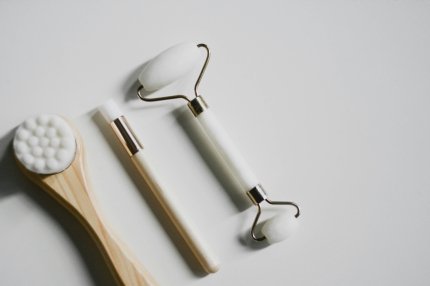
In the fall, the body often dries out due to hot showers, dry air, and tight clothing. The shins, elbows, knees, shoulders, and décolleté are especially affected. If your skin itches after a shower or white “dust” appears on your feet, you need to take extra care.
The Mayo Clinic recommends using a cleansing cream or shower gel instead of harsh soaps for dry skin, applying moisturizer several times a day and after bathing, and considering a humidifier in your home.
For the body, milk, cream, butter, or lotion are suitable. If the skin is very dry, a light, fragrant lotion may not be effective enough. It is better to choose formulas with glycerin, urea in a small concentration, ceramides, oils, or petroleum jelly. After a shower, it is better not to rub the skin with a towel, but to wet it and apply the product for a few minutes.
Hair in the Fall: How to Reduce Dryness and Brittleness
After summer, hair can be drier due to sun, hair coloring, sea water, chlorine, frequent washing and styling. In autumn, hair dryers, hot air, hats, scarves and temperature changes are added. Therefore, hair does not need a complex system of many products, but regular basic care.
The AAD recommends using conditioner after every wash, and to reduce hair damage, limit heat styling and let hair dry naturally when possible. If your hair is dry, thick, curly, or textured, the AAD recommends washing it as needed rather than on a one-size-fits-all schedule.
Autumn hair base:
shampoo according to scalp type;
conditioner after each wash;
mask once a week or as needed;
thermal protection before the hair dryer;
soft towel or microfiber;
a comb that doesn't tear hair;
less high temperatures for curling irons and straighteners.
If hair has started to fall out actively, itching, dandruff, bald spots or soreness of the scalp has appeared, cosmetics may not be enough. It is worth contacting a dermatologist or trichologist so as not to waste time.
Active ingredients: what to add with caution
Fall is often considered a good time to introduce retinol, acids, and anti-pigmentation products. But you need to introduce active ingredients gradually. If you start using retinol, acids, a new vitamin C serum, and a peel all at once, your skin may respond with irritation, dryness, and breakouts.
The AAD explains that retinoids and retinol may be an option for mild acne, uneven tone, pigmentation, and fine lines, but it's a good idea to start slowly, use a moisturizer, and be sure to protect your skin from the sun during the day.
A safer approach:
enter one asset at a time;
start 1–2 times a week;
do not apply retinol and acids on the same evening at the start;
do not use active ingredients on irritated skin;
increase hydration;
apply SPF daily;
Discontinue use if there is severe burning, swelling, or painful peeling.
Pregnant women, breastfeeding women, people with dermatological diseases or acne treatment should discuss the active ingredients with their doctor.
How to read cosmetics labels without illusions
Marketing words on a jar don't always mean what they seem to the consumer. The label "hypoallergenic" does not guarantee that a product will not cause a reaction. The FDA explains that manufacturers of cosmetics labeled hypoallergenic are not required to submit proof of such claims to the FDA; the ingredients on the label are needed so that consumers can avoid substances that have already caused them problems.
In practice, you should look not only at the promises, but also at the composition, texture, smell, skin type, previous experience and reaction after testing. If the skin is sensitive, it is better to try a new product on a small area for a few days.
Be careful with products that contain a lot of perfume, essential oils, alcohol, or active ingredients in high concentrations. They may be okay for some people and irritating for others.

How not to overload your autumn routine
Daily care should be realistic. If a routine takes 40 minutes, has 12 steps, and requires constant reminders, it will quickly stop working. It's better to have a short system that's easy to repeat.
Morning:
Gentle cleansing or washing with water.
Moisturizer or light serum plus cream.
SPF.
Lip balm.
Hand cream before going out.
Evening:
Cleansing from SPF and makeup.
Moisturizing cream.
Active agent 1–3 times a week, if the skin tolerates it.
Lip balm.
Hand or body cream.
For the body, it is enough to apply a cream after the shower. For the hair, apply conditioner after washing and heat protection before blow-drying. Everything else is added only if really needed.
Typical mistakes in autumn care
The first mistake is to completely remove SPF. The sun is weaker in the fall, but ultraviolet rays continue to affect the skin.
The second mistake is to wash your face with an aggressive gel and then try to “save” the skin with a cream. If the cleansing is too harsh, the barrier will constantly suffer.
The third mistake is buying too many assets at once. The skin needs adaptation, not cosmetic stress.
The fourth mistake is to forget about your body, hands, and lips. In the fall, these areas often dry out faster than your face.
The fifth mistake is choosing a product based solely on a brand or trend. The same cream can be great for dry skin and too thick for oily skin.
The sixth mistake is not taking into account the air in the room. If the house is very dry, even a good cream can work worse without normal humidity.
When you need a dermatologist
Autumn dryness can often be reduced with home care. But there are situations when it's better not to experiment with cosmetics.
See a doctor if you have:
severe itching;
cracks to the point of bleeding;
weeping;
a rash that spreads;
painful redness;
sudden hair loss;
dandruff that doesn't go away;
pigmentation that changes rapidly;
reaction to several drugs in a row;
suspected dermatitis, eczema, rosacea, or worsening acne.
The AAD notes: if dryness does not go away after basic dermatologist recommendations, it is worth consulting a board-certified dermatologist.
Conclusion
A fall routine for women should be simple, regular, and adapted to the season. The foundation is gentle cleansing, moisturizing, SPF, lip, hand, body, and hair care. Active ingredients can be added, but gradually and only when the skin has a normal barrier.
You don't need to change your entire makeup bag because of the first cool days. Often, it's enough to replace aggressive cleansing with a gentler one, choose a thicker cream, apply products after the shower, leave sunscreen on, and reduce the thermal load on your hair. The best care is the one that suits you and that you can realistically do every day.
FAQ
What products do women need in the fall for their daily routine?
Basic kit: gentle cleanser, moisturizer, SPF 30 or higher, lip balm, hand cream, body wash, shampoo, conditioner, and heat protectant for hair. Active ingredients like retinol or acids should be added gradually.
Do I need to change my face cream in the fall?
Yes, if the skin has become dry, tight, or has started to peel. In the fall, many people prefer a slightly thicker cream with ingredients to support the skin barrier. If the summer cream continues to provide comfort, there is no need to change it unnecessarily.
Do I need SPF in the fall?
Yes. The AAD recommends using a broad-spectrum sunscreen with an SPF of 30 or higher. This is also true in the fall, especially if you have pigmentation, use retinol, acids, or spend a lot of time outdoors.
How do you know if the cleaning is too aggressive?
If your skin feels tight after washing, burns, flakes, becomes red, or you feel like applying cream right away, it's best to switch to a gentle gel, cream cleanser, or one that's free of alcohol and harsh fragrances.
Can I start retinol in the fall?
It's okay if your skin isn't irritated and you're willing to use SPF during the day. The AAD recommends starting retinoids slowly, pairing them with a moisturizer, and making sure to protect your skin from the sun.
What to do if your lips dry in autumn?
Use a balm without irritating fragrances, do not lick your lips in the wind, apply the product before going out and before going to bed. If the cracks are painful, take a long time to heal, or there is a rash, it is better to consult a doctor.
How to care for your hair in autumn?
Use conditioner after each wash, don't overuse a hot hair dryer, add heat protection, don't comb wet hair roughly, and choose a shampoo based on the condition of your scalp. If there is active hair loss or itching, you should consult a specialist.
Are “hypoallergenic” cosmetics really safer?
Not always. The FDA explains that manufacturers of cosmetics labeled hypoallergenic are not required to submit proof of such claims to the FDA. If you have sensitive skin, it's important to read the ingredients and test a new product on a small area.
Do I need body cream if I have shower gel with oils?
Yes, if your skin feels tight or flaky after showering. An oil-based cleanser may be gentler, but it doesn't always replace a cream, milk, or lotion that helps lock in moisture after washing.
What is the best first thing to buy in the fall?
If you're going for the bare minimum, start with a gentle cleanser, a good moisturizer, and SPF. For comfort, add lip balm and hand cream. These are the products that often make the biggest difference in your daily routine.

