
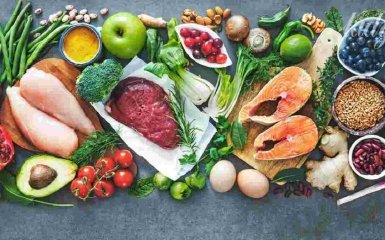
Can you become more attentive, remember information faster, and maintain clarity of thought longer simply by changing your menu? Partially yes, but without "magic" products.
The brain needs a constant supply of energy, fatty acids, amino acids, vitamins, and minerals. At the same time, one serving of blueberries will not improve memory in an hour, walnuts will not increase IQ, and chocolate will not turn into a natural nootropic.
Points of attention
- The brain requires a constant supply of various nutrients, such as proteins, fatty acids, amino acids, vitamins, and minerals.
- Fatty fish, leafy greens, berries, nuts, and whole grains are good for brain health and help improve cognitive function.
- A healthy diet, combined with adequate sleep, physical activity, and other components of a healthy lifestyle, is the most effective way to support brain function.
As of 2026, the most compelling evidence is not on individual superfoods but on overall dietary patterns. Diets like the Mediterranean and MIND, which are high in vegetables, legumes, whole grains, fish, nuts, and unsaturated fats, have been linked to better cognitive health in older age in many studies. But even these do not guarantee protection against dementia.
What the brain really needs from food
The brain uses glucose as an important source of energy, but that doesn't mean you need to eat sweets for mental work.
Glucose is formed after the digestion of simple carbohydrates - oatmeal, buckwheat, legumes, fruits, bread and other foods.
For the normal functioning of the nervous system, you also need:
omega-3 fatty acids;
protein and amino acids;
choline;
iron;
vitamin B12;
folates;
iodine;
magnesium;
other micronutrients.
Vascular health is also important. High blood pressure, diabetes, smoking, and other cardiovascular risk factors are associated with cognitive health in older age.
Therefore, “brain food” is largely food that helps maintain the normal state of the entire body.
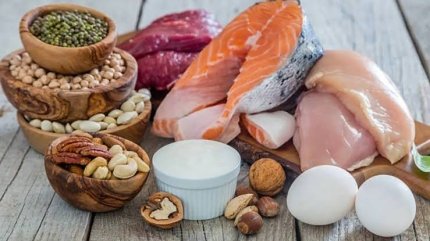
1. Fatty fish
Salmon, sardines, mackerel, herring, and trout are some of the best dietary sources of the long-chain omega-3 fatty acids EPA and DHA.
DHA is part of the membranes of nerve cells and plays an important role in brain function.
Observational studies often link regular fish consumption to better cognitive performance and a lower risk of age-related cognitive decline.
However, there is an important caveat: the results of studies on fish oil supplements are much less conclusive. In healthy people without a deficiency, omega-3 capsules do not show consistent improvements in memory or intelligence.
Therefore, a more practical approach is to regularly include fish in your diet, rather than expecting the same effect from a supplement.
2. Spinach and other leafy greens
Spinach, kale, lettuce, arugula, and other greens contain folate, carotenoids, vitamin K, and a variety of plant compounds.
In one large observational study of older adults, about one serving of leafy greens per day was associated with slower age-related cognitive decline.
But this does not mean that spinach on its own “rejuvenates the brain.”
People who regularly eat greens often have a healthier lifestyle overall, so it is difficult to completely isolate the effects of a single product in such studies.
The practical conclusion is simple: greens should be regularly added to salads, omelets, soups, side dishes, and sandwiches.
3. Berries
Blueberries are often called the ultimate memory berry, but there's no need to limit yourself to just that.
The following may be useful:
bilberry;
blueberries;
currant;
blackberry;
raspberry;
strawberry.
They are united by the content of polyphenols, in particular anthocyanins.
These substances are actively being studied in the context of vascular health, oxidative stress, and age-related changes in the nervous system.
The easiest way to use berries is as part of your regular diet: add them to oatmeal, natural yogurt, or cottage cheese.
Frozen berries are also suitable.
4. Walnuts and other nuts
Walnuts contain alpha-linolenic acid, a plant-based omega-3 fatty acid, as well as polyphenols, vitamin E, magnesium, and other nutrients.
However, the promotion of nuts as a natural “brain booster” is ahead of the evidence base.
In large randomized trials, adding walnuts to the diet of healthy older adults has not shown convincing improvements in overall cognitive performance.
This does not make them useless.
Nuts are a nutritious component of a healthy eating pattern and a good replacement for many salty or sweet snacks.
A small handful is usually enough for a snack, as nuts are very high in calories.
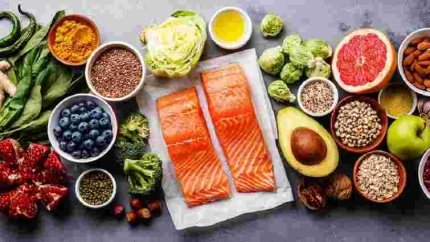
5. Eggs
Eggs are interesting primarily as a source of protein and choline.
Choline is necessary for the formation of cell membranes and the synthesis of acetylcholine, a neurotransmitter involved in memory, attention, mood, and muscle control.
This does not mean that the more choline you get, the better your memory will be.
For a healthy person, the point is to ensure the body's normal needs.
Choline is also found in:
fish;
meat;
dairy products;
soybeans;
legumes;
some nuts.
Eggs are convenient because they are easy to include in a protein-rich breakfast along with vegetables and whole grain bread.
6. Legumes
Lentils, beans, chickpeas, and peas are often underestimated in conversations about brain health.
They simultaneously give:
vegetable protein;
fiber;
folates;
magnesium;
potassium;
iron;
complex carbohydrates.
Legumes are among the dietary patterns most often associated with healthy aging.
Their advantage is also practical: a serving of lentils or beans is very filling and can replace some of the processed or red meat in the diet.
The simplest options are lentil soup, hummus, chickpea salad, or beans with vegetables.
7. Whole grains
Oatmeal, buckwheat, barley, whole grain bread, brown rice, and other whole grains provide the body with complex carbohydrates, fiber, B vitamins, and minerals.
You may sometimes hear claims that whole grains “increase blood flow directly to the brain.” This explanation is overly simplistic.
Their real benefit is broader: they help create a diet with sufficient fiber and a lower proportion of refined carbohydrates.
Whole grains are included in the Mediterranean, DASH, and MIND dietary patterns, which are being studied in the context of cardiovascular and cognitive health.
8. Olive oil
Extra virgin olive oil is a characteristic component of the Mediterranean diet.
It contains mainly monounsaturated fatty acids and various polyphenolic compounds.
Its main advantage is when it replaces less favorable sources of fat, rather than simply being added to an already high-calorie menu.
For example, a salad of vegetables, legumes, and a small amount of olive oil is a good option.
There is no need to drink olive oil by the spoonfuls "for memory": it remains a concentrated source of calories.
9. Cocoa and dark chocolate
Cocoa contains flavanols, plant compounds that are being studied in the context of vascular health and cognitive function.
Some small clinical studies have shown some positive changes after high doses of cocoa flavanols.
However, larger and longer studies have not confirmed consistent improvements in overall cognitive function from cocoa supplementation.
Therefore, dark chocolate can be eaten for taste and as part of a normal diet, but it should not be called a medicine for memory.
In addition to cocoa, chocolate contains fat and calories, and many types contain significant amounts of sugar.
A realistic strategy is a small portion, not half a tile "for the brain."
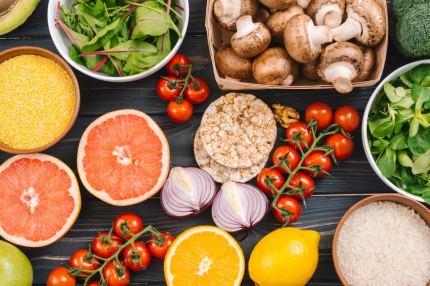
10. Seafood
Mussels, oysters, shrimp, and other seafood can provide protein, vitamin B12, zinc, iron, and other minerals.
Oysters are especially rich in zinc.
But the statement "oysters improve memory" is too categorical.
Zinc and iron are essential for the nervous system. Severe iron deficiency can cause weakness, fatigue, and difficulty concentrating. B12 deficiency can also cause neurological symptoms.
However, a person without a deficiency will not become more alert simply from excess iron, zinc, or B12.
It is especially dangerous to take high doses of iron “for the brain” on your own without a laboratory-confirmed need.
What about coffee and tea?
Caffeine can indeed temporarily increase alertness, reaction speed, and the ability to maintain attention.
This is one of the few food components whose effects a person can feel quite quickly.
But it doesn't make a person smarter.
Large doses of caffeine can cause:
trembling;
palpitation;
anxiety;
difficulty falling asleep.
If a cup of coffee at 5:00 PM impairs your sleep at night, it may even indirectly reduce your productivity the next day.
Therefore, coffee is better viewed as an attention stimulant rather than long-term brain food.
Is it worth drinking ginseng for concentration?
Ginseng is often advertised as a natural coffee substitute.
Studies show some possible effects on attention and reaction speed, but the clinical base is still small, and most trials have been short.
Ginseng can also cause insomnia and interact with some medications, including blood pressure medications, antidepressants, and blood thinners.
Therefore, making it a regular “nootropic drink” unnecessarily makes no sense.
What diet is best studied for brain health?
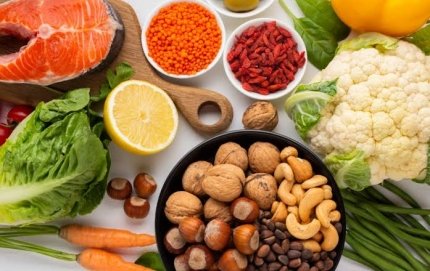
The Mediterranean dietary pattern and MIND have received the most attention.
MIND combines the principles of the Mediterranean diet and DASH and places special emphasis on:
leafy greens;
other vegetables;
berries;
nuts;
legumes;
whole grain products;
fish;
olive oil.
At the same time, a large amount of sweets, fried foods, butter, processed and red meat is limited.
Observational studies consistently show a link between such diets and slower cognitive decline.
However, in a large three-year randomized trial published in 2023, the MIND diet did not produce significantly better cognitive outcomes than a control program with healthy recommendations and a moderate calorie reduction.
This is an important reminder: a healthy diet makes sense, but it's too early to promise dementia prevention through a specific diet.
What is better to limit for brain health
A healthier menu is formed not only by adding fish and berries.
It is worth controlling foods that easily replace more nutritious foods:
sweet drinks;
a large number of industrial sweets;
frequent fast food and fried foods;
excess processed meat;
regular excessive alcohol consumption.
The problem is not one burger or one piece of cake.
The structure of nutrition over months and years is important.
A simple day of brain food
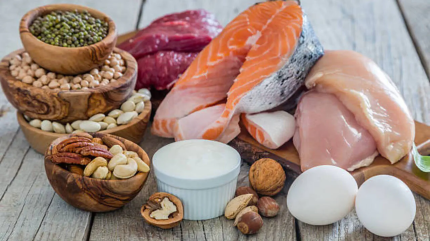
There is no need to create a separate "neuromenu".
Breakfast
Oatmeal, natural yogurt, berries, and a small portion of nuts.
Or eggs, vegetables, and whole grain bread.
Dinner
Lentils or other legumes, lots of vegetables, grains, and fish.
Snack
Fruit with nuts or natural yogurt.
Dinner
Fish, poultry, or tofu with vegetables and a small portion of grains.
Such a day automatically provides various sources of protein, fiber, unsaturated fats, vitamins, and minerals.
If your concentration has deteriorated, don't look for the cause only in food.
"Head fog", forgetfulness and attention problems are often tried to be corrected with vitamins or superfoods.
But the reason may be:
insufficient sleep;
chronic stress;
anxiety;
overfatigue;
anemia;
B12 deficiency;
thyroid dysfunction;
side effects of medications;
sleep disturbances.
If a person suddenly becomes significantly more forgetful or problems progress, menu correction should not replace a medical evaluation.
Similarly, you should not take iron, large doses of B vitamins, or dozens of "memory" supplements on your own without a specific reason.
Conclusion
The best brain food is not a single superfood, but a varied diet that regularly includes fish, leafy and other vegetables, berries, nuts, legumes, whole grains, eggs, and sources of unsaturated fats.
Individual foods may provide important nutrients, but they are not able to instantly boost intelligence or guarantee protection against dementia.
For memory and concentration, nutrition works best in conjunction with adequate sleep, physical activity, blood pressure control, quitting smoking, and other components of a healthy lifestyle.
FAQ
What to eat to make your brain work better?
A healthy foundation is fish, vegetables, leafy greens, berries, legumes, nuts, whole grains, and olive oil. It's the regularity of such eating that matters, not a single serving of a single food.
Which product is best for memory?
There is no single best food. Leafy greens, berries, fish, nuts, and the Mediterranean or MIND diet in general are the foods most commonly found in cognitive health research.
Do nuts help improve memory?
Nuts are a beneficial component of the diet, but large randomized trials have not confirmed consistent improvements in overall cognitive function from adding walnuts alone.
Which fish is best for the brain?
Fatty fish like salmon, mackerel, herring, and sardines are especially good choices because they contain EPA and DHA. It's best to alternate between different types of fish.
Does chocolate help the brain?
Cocoa contains flavanols, but clinical studies do not confirm that chocolate consistently improves memory or overall cognitive function. A small portion of dark chocolate can be part of a normal diet.
Is coffee good for concentration?
Caffeine can temporarily increase alertness, focus, and reaction time. But too much can increase anxiety and disrupt sleep, negatively impacting your productivity the next day.
What vitamins are important for memory?
B12, folate, choline, and other nutrients are important for the nervous system. Severe deficiencies of B12 or iron can be accompanied by cognitive symptoms. Taking additional vitamins without a deficiency does not guarantee better memory.
Can intelligence be improved through nutrition?
Food creates the conditions for normal brain function, but a specific product does not increase IQ. Cognitive abilities depend on many factors: genetics, learning, sleep, mental and physical health, social environment and lifestyle.
What to eat before mental work or an exam?
A regular, filling meal with protein, complex carbohydrates, and fiber is better: for example, oatmeal with yogurt and berries or eggs with whole grain bread. A large amount of sweets or energy drinks does not provide an advantage for studying.
Can diet protect against dementia?
Healthy eating patterns are associated with a lower risk of cognitive decline, but no diet is guaranteed to prevent dementia. The most well-founded approach remains a comprehensive approach: healthy eating, exercise, normal blood pressure, adequate sleep, and control of other risk factors.
undefined

