
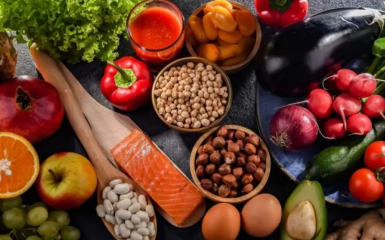
No food will make you smarter after just one meal. Blueberries don't "turn on" your memory, nuts don't boost your IQ, and fish oil doesn't turn into brain fuel right after you take a capsule.
Points of attention
- Nutrition affects the brain: it is important to provide it with the necessary nutrients for memory and clarity of thought.
- A diet rich in vegetables, berries, legumes, whole grains, nuts, fish, and unsaturated fats promotes better brain function.
- It is important to limit your intake of ultra-processed foods, excess sugar, salt, and alcohol to preserve cognitive function.
Nutrition affects the brain differently. The nervous system needs energy, essential fatty acids, amino acids, vitamins, minerals, and proper blood circulation. Deficiencies in certain nutrients can impair concentration and well-being, and a healthy diet is associated with better cardiovascular health and a lower risk of cognitive decline in the long term.
Therefore, effective “brain nutrition” is primarily a dietary model. The most evidence has been accumulated for approaches close to the Mediterranean and MIND: lots of vegetables, berries, legumes, whole grains, nuts, fish and unsaturated fats and less ultra-processed foods, excess sugar, salt and alcohol. At the same time, even for the MIND diet, the results of clinical trials do not allow us to promise guaranteed protection against memory decline.

The brain doesn't need "superfoods”, it needs a steady supply of nutrients
The brain is a constant energy consumer and depends on the proper functioning of blood vessels, nerve cells, and neurotransmitter systems. Therefore, anything that affects blood pressure, glucose levels, blood lipids, and vascular health over the years has the potential to affect cognitive function.
This is where the principle comes from: what is good for the heart and blood vessels is usually good for the brain.
The World Health Organization lists a balanced diet, physical activity, quitting smoking, avoiding harmful alcohol use, maintaining a healthy body weight, and controlling blood pressure, cholesterol, and blood sugar as ways to reduce the risk of cognitive decline.
Therefore, the question "what to eat for the brain?" is better replaced with "how to eat most of the time?".
1. Fatty fish: a source of omega-3s, but not a magic food for memory
Salmon, sardines, mackerel, herring, and trout contain the long-chain omega-3 fatty acids EPA and DHA.
DHA is a structural component of nerve cell membranes, so omega-3 is naturally studied in the context of cognitive functions.
Observational studies have often linked fish consumption to a lower risk of cognitive decline. But the situation is more complicated with supplements: large reviews do not confirm that omega-3 capsules consistently improve cognitive function in healthy older adults or people with Alzheimer's disease. Some effects are possible for mild cognitive impairment, but the evidence is not yet sufficient for a universal recommendation.
Practical conclusion: fish is a good part of a healthy diet, but taking fish oil "for intelligence" without specific indications is not worth it.
2. Leafy greens and other vegetables
Spinach, broccoli, various types of cabbage, salad greens, arugula, and other vegetables provide the body with folate, carotenoids, vitamin K, potassium, fiber, and various phytonutrients.
Their benefit lies in more than one specific “brain vitamin.”
A diet high in vegetables is part of a pattern of eating that has been linked to better cardiovascular and metabolic health. The WHO recommends that people over the age of 10 aim for at least 400g of vegetables and fruit per day.
A simple rule: let vegetables regularly occupy a significant part of the plate, and not appear only as a few lettuce leaves next to the main course.
3. Berries: Polyphenols plus fiber
Blueberries are often touted as a memory powerhouse. In fact, there is no reason to single out one type of berry as essential for the brain.
Blueberries, blackberries, raspberries, strawberries, currants, and other berries contain polyphenols, including anthocyanins, as well as fiber and vitamins.
Observational and small intervention studies provide evidence to support the use of berries in relation to cognitive function, but the effects of a specific serving should not be overstated.
A more practical approach is to regularly rotate different berries. Frozen berries are also suitable if fresh berries are not available, as long as they don't have a lot of added sugar.
4. Nuts and seeds
Walnuts, almonds, hazelnuts, pistachios, pumpkin and sunflower seeds provide unsaturated fats, plant protein, magnesium, vitamin E and other nutrients.
Walnuts additionally contain alpha-linolenic acid, a plant-based omega-3 fatty acid.
But the shape of the product matters.
A small portion of unsalted nuts is a good snack. Nuts in caramel, chocolate, or with a lot of salt are a different matter.
It's also worth remembering about the calorie content: nuts are nutritious but energy-dense. For most people, a small handful is enough, not half a package.
5. Legumes: An Underrated Food for a Stable Diet
Beans, lentils, chickpeas, and peas contain complex carbohydrates, fiber, plant protein, folate, iron, magnesium, and other minerals.
Unlike sweet snacks, they keep you fuller for longer and fit well into a diet with a high proportion of minimally processed plant foods.
The WHO recommends getting a significant portion of carbohydrates from whole grains, vegetables, fruits, and legumes and aiming for at least 25 g of natural dietary fiber per day after age 10.
For a practical menu, it could be lentil soup, hummus, bean salad, or chickpeas with vegetables.
6. Whole grains
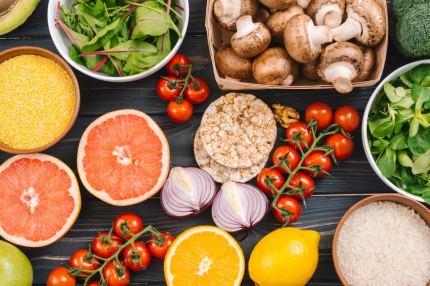
Oatmeal, buckwheat, whole grain bread, barley, brown rice, and other grains provide carbohydrates along with fiber, B vitamins, and minerals.
The brain actively uses glucose as an energy source. But this does not mean that you need to eat sweets for mental work.
The body also gets glucose after digesting starch from cereals, legumes, and other foods. Therefore, a chocolate bar is not a special “brain fuel.”
Regular, full meals are much more important than a short burst of energy after a sweet treat.
7. Olive oil and other unsaturated fats
Extra virgin olive oil is a characteristic component of the Mediterranean diet. It contains mainly monounsaturated fatty acids and various polyphenols.
The WHO recommends preferring unsaturated fats from fish, nuts, avocados, and vegetable oils over excess saturated and trans fats.
This does not mean that olive oil should be drunk by the spoonful “for the brain.” It remains a very high-calorie product.
Its practical benefits are evident when it replaces less favorable sources of fat and is used in moderation.
8. Eggs and Choline
Choline is needed by the body to synthesize acetylcholine, a neurotransmitter involved in memory, mood, muscle control, and other nervous system functions. It is also needed for cell membranes.
Eggs are one of the good food sources of choline. It is also found in meat, fish, dairy products, some legumes, nuts, and vegetables.
At the same time, you don't need to make the following misstep: if choline is needed by the brain, this does not mean that a large dose of choline supplements will automatically improve memory.
The evidence regarding the cognitive benefits of supplementation in healthy individuals remains inconclusive.
9. Coffee can temporarily improve attention
Caffeine is indeed capable of increasing alertness, reaction speed, and concentration.
Therefore, a cup of coffee before a difficult task can subjectively and objectively help you work more attentively.
But this is a short-term stimulating effect, not an increase in intelligence.
Too much caffeine can cause anxiety, jitters, heart palpitations, and poor sleep. And not getting enough sleep can impair your focus the next day more than another cup of coffee can improve it.
The cycle of "I sleep little - I drink a lot of coffee - I sleep poorly again because of caffeine" is especially dangerous.
10. Vitamin B12: Important for deficiency, but not a nootropic
B12 is needed for the nervous system and blood formation.
Its deficiency can be accompanied by weakness, numbness of the extremities, problems with balance, confusion, memory impairment and other neurological symptoms. Deficiency can occur even with adequate intake if the absorption of the vitamin is impaired.
But supplemental B12 doesn't make a person more energetic or smarter if their levels are already adequate. Studies don't show consistent improvements in cognitive function from taking B12 without a deficiency.
Therefore, a “brain complex” with megadoses of B12 should not be confused with the treatment of a true deficiency.
11. Iron: deficiency can impair concentration
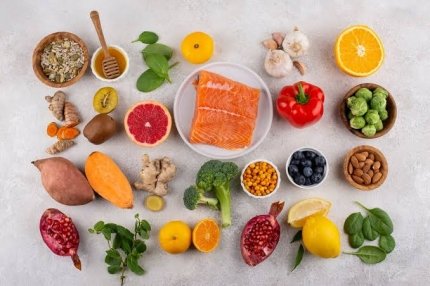
Iron deficiency anemia can cause fatigue, weakness, lack of energy, difficulty concentrating, and impaired cognitive performance.
In this case, a person may really feel that "the head is working worse."
But this does not mean that everyone should take iron for concentration. An excess of this mineral is also undesirable.
Food sources of iron include meat, seafood, legumes, some seeds, green vegetables, and fortified foods. If a deficiency is suspected, laboratory tests should be used, not just fatigue.
What is the MIND diet and does it really protect the brain?
MIND combines the principles of the Mediterranean diet and DASH with an emphasis on foods that have been linked to cognitive health in observational studies.
The basis is:
leafy and other vegetables;
berries;
nuts;
legumes;
whole grain products;
fish;
bird;
olive oil.
Large amounts of butter, fatty cheese, red and processed meat, sweets, pastries, and fried foods are limited.
Observational studies of the MIND and Mediterranean diets often show an association with better cognitive performance. But proving cause and effect is more difficult.
In a large three-year randomized trial, the MIND diet did not provide a statistically significant advantage on cognitive measures compared to a control diet that also advised moderate calorie restriction. Both groups improved.
Therefore, MIND can be considered a healthy eating pattern, but not as a guaranteed prevention of dementia.
What foods are best to limit for brain health?
There is no food that starts to “destroy neurons” after just one meal. Regularity is important.
Ultra-processed food
This category includes many industrial snacks, sweets, some ready-made meals, sweet cereals, sausage products, and other products with complex industrial compositions.
The problem isn’t the word “processed.” Frozen vegetables, plain yogurt, or canned beans are all processed.
This is a diet in which a significant portion of energy comes from foods high in salt, sugar, refined starches, and unhealthy fats instead of foods with high nutritional value.
The WHO recommends building the basis of your diet primarily from minimally processed foods.
Sugary drinks and excess sugar
Carbonated drinks, sugary energy drinks, tea with a lot of sugar, and juice drinks can easily add hundreds of calories without any noticeable satiety.
The WHO recommends limiting free sugars to less than 10% of total dietary energy, and further reductions to 5% may provide additional benefits.
This is a recommendation for overall metabolic health, not because sugar literally "kills the brain."
Trans fats and excess saturated fats
Industrial trans fats are not a necessary part of the diet. The WHO recommends avoiding them as much as possible and replacing saturated fats with unsaturated fats.
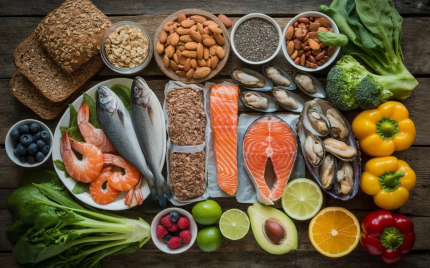
In practice, this means choosing fish, nuts, seeds, and vegetable oils more often and less often making fatty meat products, large portions of butter, and industrial pastries the basis of the menu.
Excess alcohol
You don't need to drink alcohol "for blood vessels" or to prevent dementia.
Current recommendations for reducing the risk of cognitive decline include avoiding harmful alcohol use.
Potential wine antioxidants can be obtained from grapes, berries, and other plant products without ethanol.
A simple menu for a productive workday
"Brain food" doesn't require exotic foods.
Breakfast can consist of oatmeal, natural yogurt, berries, and nuts, or eggs, vegetables, and whole grain bread.
For lunch, lentils or beans, cereals, a large portion of vegetables, and fish or another source of protein.
For a snack, have fruit with a small portion of nuts or natural yogurt.
For dinner, fish, poultry or legumes, baked vegetables and a small portion of cereals.
Coffee or tea can remain in the diet in moderation if they do not impair sleep.
This scheme is much closer to the real principles of supporting cognitive health than buying a separate "superfood."
What else affects brain function more than one product?
Even the perfect diet cannot compensate for chronic sleep deprivation, inactivity, or uncontrolled high blood pressure.
For long-term brain health, it is important to:
regular physical activity;
sufficient sleep;
blood pressure control;
normal cholesterol and glucose levels;
quitting smoking;
moderation in alcohol;
social activity;
mental load;
correction of hearing impairments, if any.
It is this integrated approach that underlies current recommendations for reducing the risk of cognitive decline.
Conclusion
Nutrition can support normal brain function, but there is no product that alone increases intelligence or guarantees protection against dementia.
The most reasonable approach is to eat a varied diet with plenty of vegetables, fruits, legumes, whole grains, nuts, fish, and unsaturated fats. At the same time, it is worth limiting excess sugar, salt, processed snacks, unhealthy fats, and alcohol.
For concentration today, normal sleep, regular meals, and the absence of deficiencies are important. For brain health in decades to come, it's your entire lifestyle.
FAQ
What should you eat to make your brain work better?
The basis of the diet should be formed from vegetables, legumes, whole grains, fish, nuts, berries and quality sources of unsaturated fats. No single product provides an instant improvement in intelligence.
What foods are best for memory?
Leafy greens, berries, fish, nuts, legumes, and whole grains are the foods most commonly studied in cognitive health research, and should be evaluated as part of an overall dietary pattern, rather than as a stand-alone memory drug.
Are nuts good for the brain?
Yes, as part of a balanced diet. They contain unsaturated fats, vitamin E, magnesium and other nutrients. But large portions significantly increase the calorie content of the diet.
Does coffee improve brain function?
Caffeine can temporarily improve alertness, attention, and reaction time. This is a stimulant effect, not an increase in intelligence or long-term memory enhancement.
Should I take omega-3 for memory?
Omega-3 supplements have not been shown to consistently improve cognitive function in healthy adults. A diet rich in fish remains a sound choice, but capsules should not be considered a panacea for memory.
What vitamins are needed for brain function?
The nervous system requires many nutrients, including B12, folate, choline, iron, and others. Significant impairment in concentration can occur in true deficiency. Additional megadoses of vitamins in the absence of deficiency do not make the brain more productive.
Is chocolate good for the brain?
Cocoa contains flavanols, which are being actively studied in the context of vascular and cognitive function. But chocolate is often high in sugar and calories. A small portion of dark chocolate can be part of the diet, but it is not a necessary product for the brain.
Does sugar harm the brain?
A regular serving of sugar does not “destroy the brain.” The problem is a regular excess of free sugars in the diet, especially from sugary drinks and ultra-processed foods, as it impairs the overall quality of nutrition and contributes to metabolic disorders.
What is the MIND diet?
This is an eating pattern that combines elements of the Mediterranean and DASH diets, with an emphasis on vegetables, berries, nuts, legumes, whole grains, fish, and olive oil. It is being studied to support cognitive health, but is not a guaranteed way to prevent dementia.
Which product improves intelligence the most?
There is no such product. Intelligence and cognitive abilities depend on genetic, educational, social, medical and behavioral factors. Nutrition helps to provide conditions for the normal functioning of the nervous system, but cannot instantly make a person smarter.

