
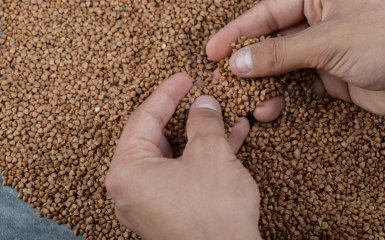
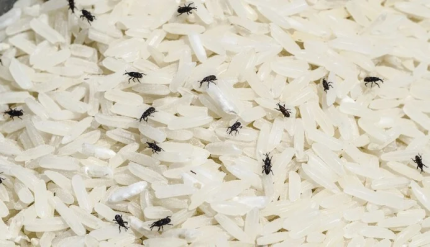
Bugs in cereals can appear even in a clean kitchen. It is enough to buy a pack of rice, buckwheat, flour, cereal, pasta, dried fruits or nuts, which already had insect eggs or larvae. In a warm kitchen cupboard, pests develop quickly, move to neighboring products and in a few weeks can populate the entire shelf.
The main question for the owner is whether it is possible to eat cereals if bugs have settled in them. In most household situations, it is safer not to take risks and throw away the infected product, especially if you see a lot of insects, larvae, cobwebs, lumps, traces of life, a change in smell or moisture. The problem is not one random bug, but that inside the product there may be eggs, larvae, insect particles, excrement, skins after molting, damaged grains and dust.
The right action is not just to throw away one package. You need to check all the dry goods nearby, clean out the cupboard, transfer the undamaged supplies into airtight containers and change your storage approach. Otherwise, the pests may return even after a general cleaning.
Where do bugs in cereals come from?
Insects do not necessarily appear because of dirt in the house. They often enter the kitchen with products from the store, warehouse or production. The package may look normal: without holes, odor and visible insects. But inside there may be eggs that are not noticeable without careful inspection.
The second common reason is long storage. Cereals, flour, semolina, oatmeal, rice, pasta, breadcrumbs, spices, cocoa, tea, dried fruits, nuts, seeds, pet food and even decorative dried flowers can become a source of infection. If the product is opened, not sealed and left for several months, the risk increases.
The third factor is the conditions in the cupboard. Heat, darkness, crumbs, dust, old residues at the bottom of the jar, open packages and humidity create a comfortable environment for pests. The problem develops especially quickly in the summer, near the stove, oven, radiator or dishwasher, where the temperature is higher.
What pests most often occur in cereals?
You can see various pantry pests in the kitchen. They differ in appearance, but the algorithm of actions for the owner is almost the same: find the source, throw out the infected one, clean the cupboard, and protect the remaining supplies.
The most common are:
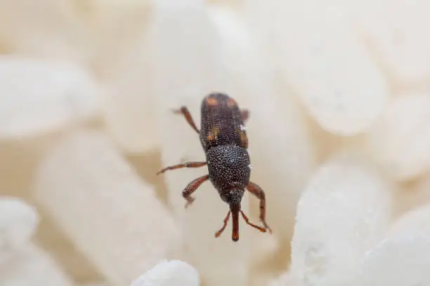
weevils that damage rice, wheat, corn, buckwheat and other grains;
flour beetles, which often live in flour, semolina, cereals, and baking mixes;
food moth, whose larvae leave webs and lumps in products;
grain eaters and other small beetles that can move between cereals, crackers, nuts and animal feed;
beetles that love spices, dried herbs, tea, cocoa, chocolate, dried fruits and seeds.
It is not always necessary to accurately identify the type of insect. For a domestic kitchen, it is more important to understand the scale of the infestation. If insects are already crawling on the shelf, a moth is flying, or larvae are visible in several packages, a complete cleaning is required, rather than a spot "picking bugs" from one cereal.
Can you eat cereal if bugs are found in it?
If the cereal contains live insects, larvae, cobwebs, an unpleasant odor, traces of moisture, mold, or a lot of fine dust, it is better to throw the product away. Even heat treatment does not make such food pleasant and guaranteed to be of high quality. Cooking can destroy live insects, but it will not remove foreign impurities, odor, residues of vital activity, and damage to the product.
Sometimes people try to sift flour or sift through the cereal. This method can remove adult bugs, but it does not always remove eggs, small larvae, dust and dirt particles. If the infestation is noticeable, saving a few hryvnias is not worth the digestive risk, especially when the food will be eaten by children, pregnant women, the elderly or people with weakened immune systems.
A separate situation is a random single bug in a freshly opened package without odor, cobwebs, or other signs. Formally, such a product is sometimes tried to be sorted or heat-treated. But in practice, it is better to evaluate not one bug, but the entire package: if it was there, there could be other stages of the pest's development inside. The safest solution is to throw away the product and check the rest of the stock.
When to throw away cereal without a doubt
There are signs that a product should not be saved. Throw away cereal, flour, or other dry goods if you see:
many live or dead insects;
white or cream larvae;
cobwebs inside the package;
lumps that are not characteristic of the product;
fine dark or gray dust;
gnawed grains;
musty, sour, bitter or unusual odor;
traces of mold;
moisture or stickiness;
damaged packaging;
insects in several neighboring products.
It is also better not to leave the product if it has long expired or has been left open without a lid. Old cereals and flour often have a bitter smell, absorb moisture and become attractive to pests.
Don't throw away the contaminated product in the kitchen bin, where it can lie there for another day. It's better to immediately pack it in a tight bag, tie it up, and take it out of the apartment.
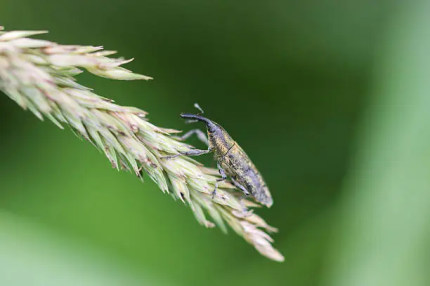
Does freezing cereals help?
Freezing is a useful preventative measure for new purchases. If you have bought several packages of cereals, flour, nuts or pet food and do not plan to use them quickly, you can put the product in the freezer for a few days. The low temperature helps to destroy some of the possible pests at various stages of development.
But freezing should not be seen as a way to "clean" already spoiled cereals. If the product has a lot of bugs, larvae, cobwebs, odor, or traces of contamination, freezing will not make it of good quality. It will only stop or kill the live insects, but will not remove what they have already left behind.
After freezing, the product must be completely dried from possible condensation, without opening the package in a humid environment. If you pour cold cereal into a jar and immediately close it tightly, moisture may appear inside. And moisture for dry products is a separate problem, because it deteriorates the quality and can contribute to mold.
What to do immediately after discovering bedbugs
Don't start with aromatics, bay leaves, or cloves. You need to remove the source of the infection first.
Algorithm of actions:
Remove all cereals, flour, pasta, crackers, spices, nuts, dried fruits, seeds, tea, cocoa, and pet food from the cupboard.
Inspect each package individually.
Pack everything infected in a tight bag and take it out of the house.
Temporarily store produce without signs of pests in a clean place.
Vacuum the shelves, corners, joints, shelf openings, and the back of the cabinet.
Throw away the vacuum cleaner bag immediately or empty the container outside the kitchen.
Wash the shelves with warm water and detergent.
Dry the cabinet well.
Transfer undamaged products into clean, airtight containers.
Repeat the examination after 7-10 days.
Pay special attention to crevices. Eggs and larvae may not be on the visible part of the shelf, but in corners, under paper liners, behind jars, in the folds of bags, and between the cabinet wall and the shelf.
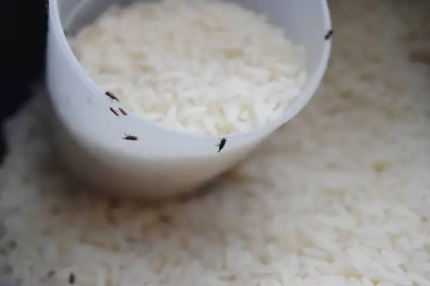
How to clean a closet after bugs
For a kitchen cabinet, warm water, detergent, and thorough drying are usually sufficient. The main goal is to remove crumbs, dust, food residue, eggs, larvae, and odors. There is no need to fill the shelves with aggressive chemicals, especially if food is stored there.
After washing, the cabinet should be completely dry. Wet shelves and immediately closed doors can create another problem - a damp smell and the risk of mold. If the cabinet is made of wood or chipboard, you should not wet it too much. It is better to wipe it with a damp cloth, then dry it and leave it open.
Vinegar is sometimes used as a household odor remover, but it is not a substitute for mechanical cleaning. Bay leaves, cloves, mint, lavender, or pepper can only be an additional preventative after cleaning. They do not destroy the colony that is already living in packages and crevices.
Why you shouldn't use insecticides in your kitchen cabinet
Spraying insect repellent in the grocery store is a bad idea. Even if you remove the cereal bags while you're processing, chemical residue can settle on shelves, container lids, utensils, or surfaces that come into contact with food.
If the infestation is severe and the insects reappear after cleaning, it is best to look for a hidden source: an old food package, forgotten dried fruit, spices, open flour, birdseed, dried ornamental plants, or crumbs in crevices. Household poison will not solve the problem if the food source remains.
In difficult cases, when pests have spread throughout the kitchen, you can contact a professional disinfestation service. But even then, food, dishes, and children's things must be removed or protected, and after treatment, follow the instructions of specialists.
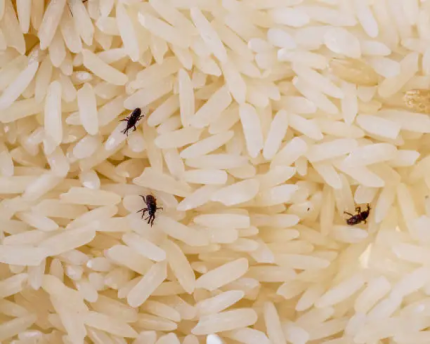
How to properly store cereals to prevent bugs from getting in
The best protection is airtight packaging and small supplies. A paper or thin plastic bag is easily damaged, does not protect well from insect penetration, and does not save neighboring products if one pack is already infected.
Suitable for storage:
glass jars with tight lids;
food plastic containers;
metal cans for dry foods;
containers with silicone seal;
transparent containers in which it is easy to notice the problem.
It is better to refill the cereal not a month after purchase, but immediately after returning from the store and inspecting the packaging. It is worth writing the date of purchase or refill on the container. This makes it easier to adhere to the principle: use up old supplies first, then open new ones.
Do not add new cereal to the old one. This is one of the most common mistakes. If there were already eggs or larvae in the old portion, you will infect the fresh product. It is better to use the rest, wash the jar, dry it completely and only then add new cereal.
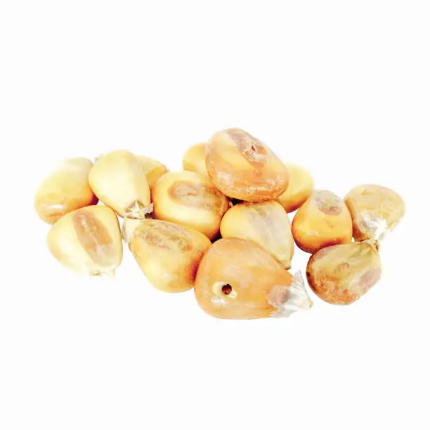
Where is the best place to store grains and flour?
Dry foods need a cool, dry, dark place. A cupboard above the stove, near the oven, radiator, or dishwasher is a bad option. It's warm, sometimes humid, and temperature changes shorten the shelf life.
It is better to keep cereals:
away from heat sources;
not under the sink;
not on the floor;
in a closed closet or pantry;
in a separate area from household chemicals;
in containers that are easy to clean;
in small batches.
Flour, whole grains, nuts, and seeds have more natural oils, so they can go rancid more quickly. If your home is warm or you bought a large amount, you can store some of these foods in a tightly sealed container in the refrigerator or freezer. It is important to protect them from moisture and odors.
Do bay leaves, cloves, and lavender work?
Fragrances can slightly reduce the attractiveness of a cupboard to certain insects, but they are no guarantee. Bay leaves, cloves, dried mint, lavender, peppercorns, or dried citrus peel can be an additional measure in a clean cupboard where food is already stored in airtight jars.
It is important not to put everything in the cereal at once. Garlic, fresh zest, or herbs that are not dried enough can impart odor, add moisture, or spoil the taste of the product. If you use flavorings, it is better to put them in a small cloth bag on the shelf, rather than directly in the food.
These products are not a substitute for a container, cleaning, and inspection. If there are already larvae in the container, bay leaves will not stop the problem.
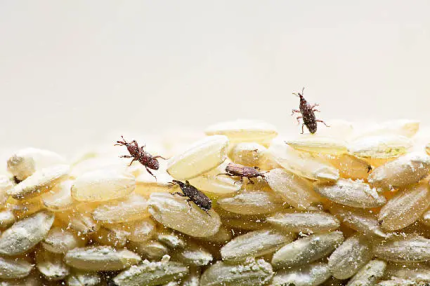
How to check cereals after purchase
After shopping, don't immediately put all the packages in the back of the cupboard. A few minutes of inspection can save the rest of your supplies.
Check:
or the whole package;
are there no small holes;
Are there any visible dust, cobwebs, or lumps?
Is there anything moving in the corners of the package?
is there a musty or bitter smell;
is the shelf life normal?
Is the seam of the package damaged?
Transparent packaging is more convenient for initial inspection, but it does not guarantee complete safety. If you buy products by weight, the risk may be higher due to open containers, shared scoops and long storage. It is especially advisable to freeze such products for several days and quickly transfer them to airtight containers.
What products should you check next?
Collar pests are rarely confined to one bunch. If you find beetles in buckwheat, you need to check more than just the buckwheat.
Take a look:
rice;
millet;
barley;
bulgur;
couscous;
semolina;
oat flakes;
flour;
starch;
breadcrumbs;
macaroni;
breakfast cereals;
cookies and crackers;
dried fruits;
nuts;
seed;
spices;
tea;
cocoa;
powdered milk;
cat and dog food;
bird food;
seeds for planting;
decorative dry bouquets.
Sometimes the source is not where you expect it to be. For example, food moths can emerge from a bag of nuts, old chocolate with filling, dry food or spices, or beetles from a long-forgotten pack of breadcrumbs.
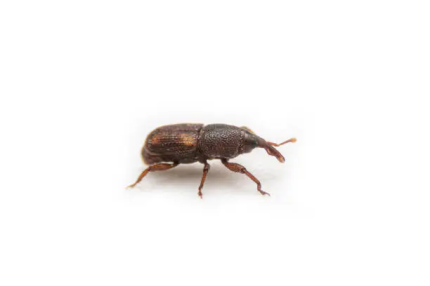
How to understand that the infection has already spread
If you see a single bug inside an airtight jar, the problem may be localized. If the insects are crawling on the shelf, appearing on the walls, flying near the lamp, or appearing in different products, the infestation has already spread beyond a single package.
Signs of spread:
small beetles near several jars;
a moth flies in the kitchen in the evening;
larvae crawl along the walls of the cabinet;
cobwebs are found in various products;
insects appear after cleaning;
there is a musty smell in the closed cupboard;
there are a lot of crumbs and dust on the shelves;
old products were left open for months.
In this case, a complete audit is required. Half-measures will not help: if even one infected pack is left, the cycle will start again.
Why do bugs come back after cleaning?
Most often, the reason is one of three: a source remains, poorly cleaned crevices, or products are stored in open packages again.
Insects can hide in the folds of packaging, under paper on shelves, in cracks in chipboard, behind the back of a cabinet, in can lids, in tea or spice boxes. Food moths can leave their larvae in places that are difficult to notice at first.
After cleaning, it is advisable not to make large purchases for several weeks. Keep a minimum set of products in transparent containers and inspect the shelves every few days. If new insects do not appear, you can gradually replenish the stock.
Can I return contaminated cereal to the store?
If you open a new package and immediately see bugs, larvae, or cobwebs, it is worth saving the receipt, packaging, and photo. Do not pour the product into the jar or mix it with other cereals. The store or manufacturer can consider a complaint if there is proof of purchase and the condition of the product.
In practice, it is better to act quickly: go to the store on the day of discovery or as soon as possible, show the packaging, date, batch, and receipt. If the product was purchased by weight, it is more difficult to prove the source, but a photo and receipt will still help.
For your own kitchen, something else is more important: while the return process is ongoing, do not keep the contaminated packaging in the cupboard. Pack it tightly and isolate it from other products.
Prevention for every day
Prevention is easier than fighting a colony. A few habits are enough:
do not buy excessive inventory;
check the packaging in the store;
transfer products into airtight containers;
sign the date of purchase;
do not mix old and new cereals;
keep the closet dry;
clean up crumbs immediately;
do a quick audit once a month;
store animal food separately;
do not leave open packages in the back of the shelf;
Freeze risky products after purchase.
You should be especially careful after the summer, before the holidays, and after major shopping trips. This is when open packages, leftovers, and leftovers often accumulate at home, which are quickly forgotten about.
Common mistakes
The first mistake is to pick out visible bugs and cook the groats. If the infestation is noticeable, there may be eggs, larvae, and traces of life inside.
The second mistake is to throw away one package and not check the neighboring ones. Pests easily migrate to flour, pasta, dried fruits, nuts, spices, and pet food.
The third mistake is to wash the cupboard and immediately put the jars back in. A damp shelf worsens the storage conditions.
The fourth mistake is to keep cereals in thin bags. They do not provide good protection and tear quickly.
The fifth mistake is to add new product to the old residue. This can contaminate fresh cereal.
The sixth mistake is to rely on bay leaves as a complete protection. The scents can be an additional prevention, but they do not cure the infection.
The seventh mistake is spraying insecticide near food. In the kitchen, it is more important to find the source, clean, wash and dry the shelves.
Conclusion
Bugs in cereals are an unpleasant but common household problem. They can appear even in a clean home, as they often end up in the kitchen with purchased products. If you see a lot of insects, larvae, cobwebs, an odor, lumps, moisture or mold in the package, it is better to throw the product away.
The main thing is not to stop at one package. You need to check all the dry products nearby, clean the cupboard, vacuum the cracks, wash and dry the shelves, and transfer the undamaged supplies into airtight jars or containers.
The best protection against the reappearance of pests is small stocks, a dry, cool place, clean shelves, transparent, airtight containers, freezing new risky products, and regular inspections. Then one unsuccessful pack of cereals will not turn into a problem for the entire kitchen.
FAQ
Can you eat cereal if there was one bug in it?
If one bug is found, but there is no smell, cobwebs, larvae, or lumps, some people try to sort through the product. However, it is safer to throw away the package, as there may be invisible eggs or larvae inside. It is better not to use such a product for baby food, pregnant women, the elderly, and people with sensitive digestion.
What to do if bugs get into flour?
Flour is difficult to clean properly. Even sifting does not guarantee the removal of eggs, small larvae, and contamination. If the flour contains insects, lumps, cobwebs, or a musty odor, it is best to throw it away and clean the cupboard thoroughly.
Will a freezer help get rid of bugs in cereal?
The freezer is useful for post-purchase prevention. New grains, flour, nuts, or seeds can be frozen for a few days and then transferred to an airtight container. But if the product is already heavily contaminated, freezing will not remove the contamination or restore its quality.
Why do bugs appear in a closed package?
They could have gotten there before purchase in the form of eggs or larvae. Also, some pests gnaw through weak packaging or penetrate through microdamage. That is why even new packages should be inspected before storage.
Can I leave the groats after sifting?
For heavily contaminated products, sieving is not a reliable solution. It removes some of the visible insects, but does not guarantee cleanliness. If the cereal or flour shows signs of contamination, it is better to throw it away.
What products should be checked after bugs in cereals?
Check rice, buckwheat, millet, semolina, flour, oatmeal, pasta, crackers, breakfast cereals, nuts, dried fruits, seeds, spices, tea, cocoa, pet food, and bird food. The source may not be in the package where you first saw the insects.
Does bay leaf work against bugs?
Bay leaves, cloves, mint, or lavender can be an additional preventative measure in a clean cupboard. But they do not kill pests in infected produce and are not a substitute for airtight containers, cleaning, and inventory auditing.
What is the best way to store cereals?
It is best to store in glass jars or food-grade plastic containers with tight-fitting lids. Transparent containers are convenient because you can see the problem earlier. It is better not to leave packages from the store open in the cupboard.
How often should you check your kitchen supplies?
It's best to do a quick inspection every few weeks, and a more thorough inspection once a month. It's especially important to check your cupboards in the summer, after major purchases, and if you have a lot of "stock" food at home.
Why do bugs come back after cleaning?
Most often, there is a hidden source: an old packet of spices, pet food, dried fruit, seeds, crumbs in the cracks or maggots behind the shelf. After the first cleaning, it is worth re-inspecting the cupboard in 7-10 days.

