

Car registration in Ukraine in 2026 remains a procedure where a small mistake can delay re-registration, ruin the deal, or create a risk of a fine. This is especially true for used cars, cars from abroad, vehicles with replaced units, credit history, or encumbrances.
Points of attention
- Registering a car in 2026 requires attention to documents, VIN, ownership, and technical condition of the vehicle.
- Inspecting a used car before purchasing is critical to avoiding legal restrictions and financial risks.
- Fines for violating registration and operation rules can be a big expense for car owners, so it is worth avoiding such situations.
Rules and payment amounts may change, so before taking a specific action, it is worth checking the current information at the MIA service center, on the resources of the Main MIA Service Center, in the application or on the Diya portal, if the required service is available there.
What does car registration mean in 2026?
Car registration is the official entry of data about a vehicle and its owner into the state registry. After that, the owner receives or renews a vehicle registration certificate, as well as license plates, if they are subject to issuance or replacement.
In everyday life, drivers often say "register your car" or "reregister your car." In reality, the situations can be different.
Main types of registration actions
The first registration of a car in Ukraine usually concerns a new car or a vehicle imported from abroad that has not previously been registered in Ukraine.
Re-registration of a car is carried out when the owner, owner data, technical specifications, or other information in the documents changes.
Document restoration - required if the registration certificate is lost, damaged, or stolen.
Replacement of license plates - may be required during re-registration, loss, damage, or at the owner's request within the framework of current regulations.
Registration after inheritance, leasing, or a court decision are individual cases where the list of documents depends on the grounds for acquiring ownership.
Important: Registration is not just a “paper formality.” It confirms the correspondence of the car, owner, and documents. If the actual data does not match the registry, this can create problems during a police inspection, sale, or insurance claim.

When to contact the Ministry of Internal Affairs service center
In most standard cases, registration actions are performed through the service center of the Ministry of Internal Affairs. Some procedures can be started or simplified using electronic services, but not all situations are resolved completely online.
You may need to apply if you:
buy or sell a used car;
you are registering a new car for the first time;
you import a car from abroad;
received a vehicle as an inheritance;
lost or damaged the registration certificate;
want to replace license plates;
changed their last name, first name or other personal data;
discovered an error in the documents;
made changes to the design of the car that require official registration;
register the vehicle to a legal entity.
Before your visit, you should make an appointment online, clarify the list of documents for your case, and check whether an expert inspection of the vehicle is required.
What documents are usually required to register a car?
The exact list of documents depends on the type of transaction: purchase in Ukraine, first registration, import from abroad, inheritance, document renewal, company registration, etc.
For a standard re-registration of a car between individuals, you may usually need:
documents proving the identity of the buyer and seller;
the taxpayer's registration card number, if used;
vehicle registration certificate;
a document confirming the basis for acquiring ownership, for example, a car purchase and sale agreement;
license plates, if they are subject to replacement or surrender;
documents on payment of mandatory payments, if any;
additional documents in special cases.
For cars from abroad, customs documents, a certificate of conformity, and other confirmation of legal import may be required. For legal entities, the list is also different.
Don't rely solely on advice from forums or old instructions. In 2026, it's better to check the current list immediately before submitting documents.

What to check before buying a used car
Buying a used car is the riskiest scenario for a driver who doesn't check the documents. Even a technically sound car may have legal restrictions, mismatched unit numbers, or a problematic history.
Checking a car by VIN
The VIN code must match:
on the body or chassis;
in the registration certificate;
in the purchase and sale agreement;
in available registers or inspection reports.
If the VIN is damaged, tampered with, or illegible, it is best to postpone the transaction until the circumstances are officially clarified. Such a problem may be grounds for additional verification or refusal of the registration action.
Owner and right to sell
Make sure the car is being sold by the owner or someone with the proper authority. Selling by proxy may seem like a quick option, but it doesn't always protect the buyer as much as a formal transfer of ownership.
You should be especially careful in situations where the seller:
not recorded in documents;
is in a hurry to get money before the inspection;
refuses to go to the Ministry of Internal Affairs service center;
suggests "re-issue later";
cannot explain the origin of the car or documents.
Encumbrances, arrests and searches
Before making a deal, it's worth checking to see if the car is wanted, under arrest, on bail, or under other restrictions. Such circumstances may make it impossible to re-register the car or create a dispute after the purchase.
For verification, it is worth using official government services and data available through the Ministry of Internal Affairs, service centers, the State Register of Legal Entities, or other legal registers. Commercial reports can be useful, but they should be viewed as an auxiliary tool, not the sole source of truth.
Electronic capabilities in 2026
In 2026, drivers will increasingly use electronic services: online registration at the Ministry of Internal Affairs service center, digital documents, inspections, and certain services through Diya. This is convenient, but it is important to understand the limits of such tools.
Electronic services can help:
to sign up for a specific time;
check the availability of the service;
prepare some of the data;
view digital documents;
reduce waiting time;
avoid some errors in paper documents.
However, complex cases often require a personal visit, vehicle inspection, submission of original documents or additional confirmations. This applies to cars from abroad, disputed documents, inheritance cases, damaged VINs or design changes.
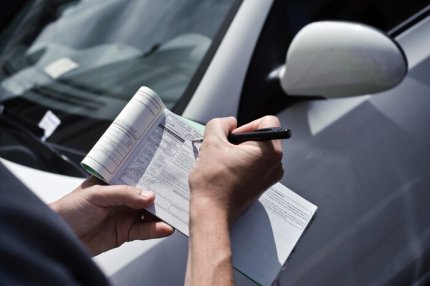
Fines and risks: what a driver can be held liable for
Fines for violating the rules of car registration and operation depend on the specific situation, current regulations and circumstances. The exact amounts should be checked in the current version of the legislation or in official explanations.
Most often, risks arise in the following cases:
driving an unregistered or improperly registered vehicle;
using license plates that do not belong to this car or do not meet the established requirements;
inconsistency of the data in the certificate with the actual characteristics of the car;
delay in mandatory actions after purchase or data changes, if deadlines are stipulated by the rules;
operation of a car with unregistered design changes;
lack of necessary documents during the inspection;
use of forged or questionable documents.
A separate risk is "old" fines, restrictions, or debts that may arise after the purchase. Before transferring money, it is advisable to make sure that there are no legal problems with the car and the seller.
Typical errors when registering a car
Most problems arise not because of the complexity of the procedure, but because of haste. The buyer sees a good price, the seller insists on a quick payment, and the inspection is postponed "for later."
Mistake 1. Buy a car only by proxy
A power of attorney does not always mean a full transfer of ownership. It can be revoked, lose its relevance, or create additional risks. It is safer for the buyer to draw up a car purchase and sale agreement and conduct an official re-registration.
Mistake 2. Not checking VIN and documents
Even a single mistake in a symbol can cause a delay. If the data does not match, you need to sort it out before signing the contract, not after.
Mistake 3. Ignore technical changes
Gas cylinder equipment, body replacement, color change, re-equipment, or other structural changes may require proper registration. If the documents say one thing, but in fact something else, questions may arise during registration.
Mistake 4. Transferring money before verification
Payment before the verification is complete is at the buyer's risk. It is better to agree on payment after confirming the possibility of re-issuance or use a secure money transfer procedure.
Mistake 5. Relying on a “mediator” who promises to solve everything
If someone suggests bypassing official procedures, "not showing the car" or "closing the issue without documents," this should be a cause for concern. In case of problems, the responsibility may lie with the owner or user of the car.

Practical checklist for buyer and seller
The buyer should do before the deal
Check the VIN on the car and in the documents.
Make sure the seller has the right to sell the vehicle.
Check the car for restrictions, searches, arrests and encumbrances using available official methods.
Examine the vehicle registration certificate.
Check the color, body type, engine, and other data for compliance.
Specify whether there have been design changes and whether they have been properly designed.
Do not transfer the full amount until the verification result is clear.
Formalize the purchase and sale agreement.
The seller should prepare
Identity documents.
Car registration certificate.
License plates, if replacement or transfer is required.
Information about technical changes, if any.
Confirmation of no restrictions if requested by the buyer.
Time to visit the Ministry of Internal Affairs service center or undergo the necessary procedure.
A bona fide seller is usually not afraid of inspections. If a person avoids the service center, does not show documents, or puts pressure on the buyer, this is a reason to stop.
What to do if registration is denied or there is a dispute
A registration refusal does not always mean that the situation is hopeless. First, you need to find out the reason: an incomplete package of documents, an error in the data, restrictions, questions about the VIN, a mismatch in technical specifications, or another circumstance.
Practical algorithm:
Ask for a clear explanation of the reason for the refusal or delay.
Specify what documents or actions are required to correct the situation.
Do not sign questionable documents or agree to unofficial "solutions."
If the problem is with the seller, record the communication and documents.
In complex cases, consult a lawyer or obtain official clarification.
If there are signs of fraud, you should contact law enforcement.
The best way to avoid disputes is to conduct checks before transferring money and not agree to schemes that only look convenient at first glance.
FAQ
Is it possible to renew a car online in 2026?
Some services may be available through electronic services, such as Dyia or the Ministry of Internal Affairs tools. However, availability depends on the type of car, the parties to the agreement, technical conditions, and the specific service. Complex cases often require a personal visit to the Ministry of Internal Affairs service center.
Is it safe to buy a car by proxy?
This can be risky. A power of attorney does not always provide the buyer with the same level of protection as a formal purchase and sale agreement and re-registration of the car. It is advisable to obtain legal advice before entering into such a transaction.
What to check with a VIN before buying?
You need to compare the VIN on the body or chassis with the documents, check the registration history, possible restrictions, searches, encumbrances and the correspondence of the car data. If the VIN is damaged or has traces of interference, it is better not to complete the transaction until an official inspection.
Is the seller's presence required during re-registration?
In a standard purchase and sale agreement, the presence of the parties or proper confirmation of their authority is usually important. The specific procedure depends on the method of execution and applicable regulations, so it is worth clarifying it before your visit.
What is needed to register a car from abroad?
Usually, documents on the origin of the car, customs clearance, certification and other confirmations are required. The list depends on the country of origin, type of vehicle and reasons for import. Before buying abroad, it is worth checking the requirements in official sources.
Can I drive without re-registration after purchase?
This depends on the specific rules and deadlines in effect at the time of purchase. Delays can create a risk of fines or problems during inspection. It is safer to complete the re-registration as soon as possible and not rely on verbal agreements.
What to do if the registration certificate is lost?
You need to contact the Ministry of Internal Affairs service center or check the available electronic service options. In most cases, you will need to confirm your identity, the right to drive a car, and the circumstances of the loss of the document.
How to find out the current fines and registration fees?
The current amounts should be checked on the official resources of the Ministry of Internal Affairs, the Main Service Center of the Ministry of Internal Affairs, in current legislation, or directly at the service center. You should not rely on old publications, as payments and rules may change.
Conclusion
Car registration in 2026 requires careful attention to documents, VIN, ownership, and technical condition of the car. Most problems arise when the buyer is in a hurry, trusts only the seller's words, or postpones official re-registration.
Before buying a used car, it is worth checking the documents, encumbrances, history, license plates and the correspondence of the actual data to the registration data. If the situation is non-standard - a car from abroad, inheritance, leasing, damaged documents, design changes - it is better to clarify the requirements in advance at the service center of the Ministry of Internal Affairs or contact a specialized specialist.
Disclaimer: the material is for informational purposes only and does not constitute legal advice. Rules, deadlines, fees, and fines are subject to change; before registering, check the current requirements in the official sources of the Ministry of Internal Affairs, the Main Service Center of the Ministry of Internal Affairs, the Act, and current legislation.

