
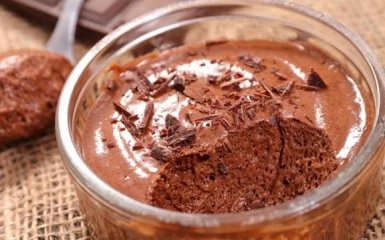
Cocoa jam is an unusual way to combine the taste of seasonal fruits with the rich aroma of chocolate. Cocoa complements plums, cherries, pears and apricots especially well. Instead of the usual sweet jam, you get a thick dessert that can be spread on toast, added to pancakes, cheesecakes or used as a filling for pastries.
Points of attention
- Plums, cherries, pears, apricots, strawberries, and apples are all suitable for chocolate jam; each fruit adds a unique flavor and texture to the dessert.
- Unsweetened cocoa is added at the end of cooking, after mixing it with sugar or hot fruit syrup to avoid lumps.
- The thickness of the dessert can be adjusted by boiling the fruit base, choosing fruits with pectin, or adding appropriate food-grade pectin.
Making chocolate jam is easy, but it's important to get the proportions right. Adding too much cocoa will make the dessert bitter. Overcooking the fruit base can make it lose its fresh flavor, and the thick mixture will start to stick to the bottom of the pan.
The main secret to delicious cocoa jam is to prepare the fruit base first, and add the cocoa closer to the end of cooking, after mixing it with sugar or a small amount of hot syrup. This will help to get a homogeneous consistency without lumps and maintain a balance of fruit and chocolate flavor.
We've collected six chocolate jam recipes, explaining which fruits go best with cocoa, how to properly thicken the dessert, and how to avoid common mistakes.
Important note: these recipes are intended for storage in the refrigerator or freezer , not for airtight preservation at room temperature. Adding cocoa changes the composition of traditional fruit jam, so the usual rules for homemade jams cannot automatically be applied to chocolate mixtures.
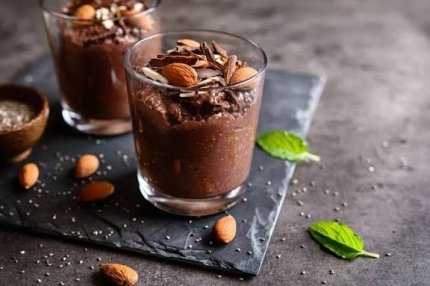
What fruits and berries are best for cocoa jam?
Cocoa has a distinct flavor with a characteristic bitterness. Therefore, the most successful combinations are with fruits that have natural sweetness or noticeable acidity.
For example, plum creates a thick, rich base that resembles a chocolate fruit cream. Cherry adds bright acidity, and pear makes the taste softer and more delicate.
The amount of pectin, a natural substance that helps fruit masses thicken, is also important.
| Fruit or berry | Taste feature | Best add-ons |
| Plum | Rich sweet and sour | Coffee, cinnamon, vanilla |
| Cherry | Pronounced sourness | Orange zest, almonds |
| Pear | Mild natural sweetness | Cardamom, vanilla |
| Apricot | Fruity, with a slight sourness | Vanilla, orange |
| Strawberry | Sweet berry aroma | Mint, lemon |
| Apple | Moderate sweetness and acidity | Cinnamon, nutmeg |
It is best to use ripe, but not spoiled, fruit for jam. Overripe fruit may contain less natural pectin, which is why the dessert sometimes turns out to be thinner.
Do not use fruit that is moldy, rotten, or shows signs of fermentation. Heat treatment does not guarantee the elimination of all hazardous substances that may be present in spoiled raw materials.
What cocoa to choose for homemade chocolate jam
Natural cocoa powder without added sugar is best for preparation.
Such a product should contain cocoa, not a mixture with sugar, powdered milk, flavorings, and other additives.
Instant chocolate drinks are less suitable for this task. They often contain significantly less cocoa, making it more difficult to control the intensity of flavor and sweetness.
Natural and alkalized cocoa: what's the difference?
Regular cocoa powder has a characteristic taste and some natural acidity.
Alkalized cocoa, also called alkali-treated, undergoes additional processing. It often has a darker color, a milder flavor, and lower acidity.
Both options may be suitable for desserts, but the result will be different.
Natural cocoa better emphasizes the fruit's acidity. Alkalized can create a richer chocolate shade.
However, the type of cocoa matters for the acidity of the finished product. That's why you can't assume that a jam is safe for long-term storage just because the recipe includes sour fruits or lemon juice.
How much cocoa to add to jam
For homemade dessert spreads, it is convenient to start with approximately 15–25 g of cocoa per 500 g of prepared fruit.
This is a culinary proportion for flavor, not a ratio tested for canning.
A smaller amount creates a light chocolate shade. A larger amount makes cocoa one of the main flavor accents.
If you are making the dessert for the first time, it is better to add less powder, assess the taste, and gradually increase the amount if necessary.
How to add cocoa to jam correctly so that there are no lumps
Cocoa powder is poorly wetted by water, so it can form lumps when added directly to hot fruit mass.
This is especially noticeable if the jam has already become thick.
The easiest way is to use one of two methods.
Method 1. Mix cocoa with sugar
Set aside a few tablespoons of sugar from the total amount called for in the recipe.
Mix them thoroughly with the cocoa powder.
Gradually pour the mixture into the hot fruit base, stirring constantly.
This method helps distribute the cocoa more evenly.
Method 2. Prepare the chocolate mixture separately
Take a few spoons of hot fruit syrup and gradually add cocoa to it.
Stir until the consistency of a thick chocolate sauce.
Then add the resulting mass to the pan with the fruit.
The second method is especially convenient for thick plum, apple, and pear jam.
There is no need to dilute the cocoa with a large amount of water: excess liquid will increase the boiling time.
6 easy-to-make cocoa jam recipes at home
All recipes are designed for small batches that are convenient to store in the refrigerator and use as dessert spreads.
The weight of the fruit is indicated after removal of the seeds, core and other inedible parts, unless otherwise stated.
Cooking time is approximate. It depends on the juiciness of the fruit, the width of the pan, and the intensity of the heat.
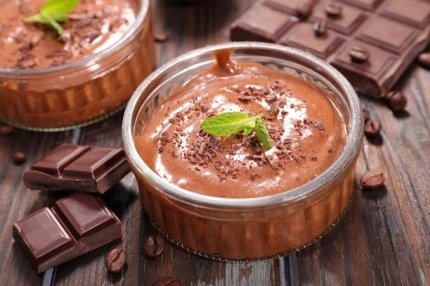
1. Plum jam with cocoa and coffee
The combination of plums, cocoa, and a small amount of coffee creates a rich flavor with a slight bitterness, similar to a chocolate dessert with a fruit filling.
Coffee shouldn't dominate here. Its job is to emphasize the cocoa flavor.
Ingredients:
pitted plums - 700 g;
sugar - 250 g;
cocoa powder - 25 g;
ready-made strong coffee - 30 ml;
lemon juice - 1 tbsp. l.;
cinnamon - a pinch, optional.
How to prepare:
Cut the plums into small pieces and place in a thick-bottomed saucepan.
Add sugar, stir, and leave for about 20 minutes to extract the juice.
Place the saucepan over medium heat and heat until it begins to boil.
Cook for about 15–20 minutes, stirring occasionally.
If desired, puree some of the plums with an immersion blender.
Mix cocoa with prepared coffee until smooth.
Add the chocolate mixture to the plums along with the lemon juice.
Cook for about 5–8 more minutes over low heat, stirring constantly.
The finished dessert should be thick, but not dry.
After cooling, the consistency may become thicker.
What to serve with: with cheesecakes, pancakes, toast, ice cream, or as a layer on a sponge cake.
2. Cherry jam with cocoa and orange zest
Cherries and chocolate are a classic combination that works well thanks to the contrast of sweetness, sourness, and bitter cocoa notes.
Orange zest adds a fresh aroma without significantly changing the main flavor.
Ingredients:
pitted cherries - 600 g;
sugar - 230 g;
cocoa powder - 20 g;
orange zest - ½ tsp;
lemon juice - 1 tsp;
water — 1–2 tbsp. l. only as needed.
How to prepare:
Sort the cherries and remove the pits.
Transfer the berries to a saucepan, cover with sugar, and leave for about 20–30 minutes.
Heat over moderate heat until the berries release enough juice.
Cook for 15–20 minutes, stirring gently.
Mix cocoa with a small amount of hot cherry syrup.
Add the chocolate mixture, zest, and lemon juice.
Continue cooking for another 5–7 minutes until desired consistency.
If you want a thicker spread, you can chop about half of the berries. Leave the rest whole for a more pronounced texture.
Culinary secret: Don't add too much orange zest. Its essential oils have an intense aroma and can overpower the taste of the cherries.
3. Pear jam with cocoa and cardamom
Pear has a delicate flavor and natural sweetness. Combined with cocoa, it creates a delicate dessert base that resembles a fruit-chocolate cream.
Cardamom adds a light spice, but it should be used in moderation.
Ingredients:
peeled pears without cores - 650 g;
sugar - 200 g;
cocoa powder - 20 g;
lemon juice - 1½ tbsp. l.;
ground cardamom - a small pinch;
water — 30–50 ml as needed.
How to prepare:
Cut the pears into small cubes.
Transfer to a saucepan, add sugar and lemon juice.
If the pears are not juicy enough, add a little water.
Cook for about 15–20 minutes until the pieces are soft.
Grind the mass with a blender until desired consistency.
Mix cocoa with a few spoons of hot pear puree.
Return the mixture to the saucepan, add the cardamom.
Heat for about 5 more minutes, stirring constantly.
Pear jam may remain softer and less dense than plum jam. This is normal, as the texture depends on the variety and ripeness of the fruit.
What to serve with: with homemade waffles, cheese desserts, casseroles, or as a filling for sweet tartlets.
4. Apricot jam with cocoa and vanilla
Apricots have a bright fruity aroma that can remain distinct even after the addition of cocoa.
Vanilla softens the perception of chocolate bitterness and helps create a balanced dessert.
Ingredients:
pitted apricots - 700 g;
sugar - 240 g;
cocoa powder - 18 g;
lemon juice - 1 tbsp. l.;
natural vanilla extract - ½ tsp.
How to prepare:
Cut the apricots into small pieces.
Mix with sugar and leave for 15–20 minutes.
Bring the mixture to a gentle boil.
Cook for approximately 15–25 minutes, depending on the juiciness of the fruit.
If desired, chop some of the fruit.
Mix cocoa with a few spoons of hot syrup.
Add it to the apricot mixture and cook for about 5 more minutes.
Remove from heat and add vanilla extract.
If the apricots are very sour, you can adjust the amount of sugar slightly to taste. However, changing the sugar does not make the recipe suitable for storage without refrigeration.
Tip: use cocoa that is not too dark if you want to retain the recognizable apricot flavor.
5. Strawberry jam with cocoa and mint
Strawberries have a delicate flavor that is easily overshadowed by a large amount of chocolate ingredients.
Therefore, for this recipe, you should use a moderate amount of cocoa and not boil the berries for too long.
Ingredients:
strawberries without stalks - 600 g;
sugar - 220 g;
cocoa powder - 15 g;
lemon juice - 1 tbsp. l.;
fresh mint - 3–4 small leaves.
How to prepare:
Cut the strawberries in half or into quarters.
Transfer to a saucepan, add sugar and leave for 20 minutes.
Bring to a boil and cook for about 10–15 minutes.
Some of the berries can be mashed with a spoon to get a thicker base.
Mix cocoa with a few spoons of hot syrup.
Fold the chocolate mixture into the jam.
Heat for about 5 more minutes, stirring gently.
Remove from heat, add mint, and let stand for a few minutes.
Remove the mint leaves before transferring them to the container.
The strawberry base may remain thinner than the plum or apple base. This depends on the natural pectin content and the amount of water.
What to serve with: ice cream, pancakes, yogurt, or chocolate sponge cake.
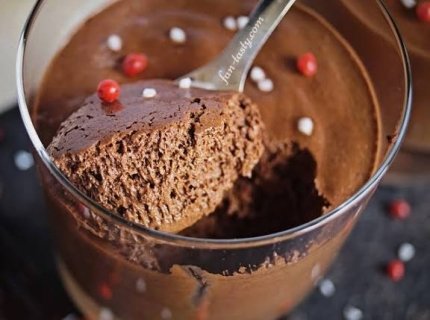
6. Apple jam with cocoa and cinnamon
Apples are a convenient base for a thick homemade dessert. They soften when heated, and when crushed, they form a homogeneous mass.
Cinnamon complements the chocolate flavor well, creating a warm, spicy taste.
Ingredients:
peeled apples without cores - 700 g;
sugar - 200 g;
cocoa powder - 22 g;
lemon juice - 1 tbsp. l.;
water - 50 ml;
ground cinnamon - ½ tsp.
How to prepare:
Cut the apples into small pieces.
Transfer to a saucepan, add water and lemon juice.
Cook, covered, over low heat for about 10–15 minutes, until the apples soften.
Grind the fruit into a puree.
Add sugar and continue cooking uncovered for another 5–10 minutes.
Mix the cocoa with a small amount of hot applesauce.
Add the chocolate mixture and cinnamon.
Heat for about 5 more minutes, stirring constantly.
The finished dessert has a thick, creamy consistency and is good for spreading on bread.
For a more pronounced apple flavor, you can use a mixture of sweet and sour varieties.
How to make chocolate jam thick without starch
The density of jam depends primarily on the ratio of fruit, water, sugar, acid, and pectin.
Pectin is a natural substance found in plant cell walls. Under the right conditions, it helps form a jelly-like structure.
However, different fruits contain different amounts of pectin.
Apples and some plums often produce a thicker base. Strawberries, especially when very ripe, can produce a thinner consistency.
Three ways to get the right consistency
1. Use a wide pan. The larger the surface area, the faster the excess water will evaporate.
2. Cook in small batches. Large quantities of fruit can heat unevenly, and prolonged cooking can degrade the flavor.
3. Add cocoa after partial boiling. Thick chocolate mixture burns more easily, so it is better to first bring the fruit to the desired softness.
For certain desserts, you can use food-grade pectin intended for jams with reduced sugar content.
At the same time, it is important to follow the instructions for the specific product. Different types of pectin have different requirements for the amount of sugar and acid.
How to check if cocoa jam is ready
The duration of cooking does not always allow you to accurately determine the thickness of the dessert.
For example, very juicy cherries may take longer than dense plums.
A convenient way to assess consistency is the cold plate test.
How to do a density test
Place a small plate in the refrigerator or freezer for a few minutes.
Spread a teaspoon of hot jam on it.
Wait for the portion to cool.
Run a spoon through the middle.
Assess how quickly the mass comes back together.
If the jam retains its shape and spreads slowly after cooling, its thickness may be sufficient for spreading.
If it remains liquid, continue boiling in small intervals.
Important: This test only shows consistency. It does not determine acidity, microbiological safety, or the suitability of the product for storage at room temperature.
Why does cocoa jam taste bitter or burnt?
Excessive bitterness can occur for several reasons.
The most common is too much cocoa, especially if you use a product with a pronounced natural bitterness.
The second reason is improper heating.
After adding cocoa, the fruit mixture often becomes thicker. If you continue to cook over high heat without stirring, the mixture may burn to the bottom.
The third reason is the poor balance of sweetness and acidity in the fruit.
For example, very sour cherries combined with a lot of cocoa can create a too sharp taste.
How to avoid bitterness
Start with a moderate amount of cocoa.
Add the powder after the fruit is partially cooked.
Use a pan with a thick bottom.
After adding the cocoa, reduce the heat.
Stir the thick mixture more often.
Appreciate the taste of a small chilled portion, not just hot jam.
If the mixture has already burned, there is no need to scrape the dark layer from the bottom of the pan.
You can carefully transfer the undamaged top to another dish, but the distinct burnt taste usually cannot be completely removed.
Can I add chocolate, butter or nuts?
Dark chocolate, butter, chopped hazelnuts, or walnuts are sometimes added to fruit jam.
These ingredients change the taste and texture, but at the same time affect safe storage conditions.
Chocolate and nuts contain fats, and butter is a dairy product.
Such mixtures cannot be considered ordinary fruit jam, suitable for traditional home canning.
When is it best to add chocolate?
If you want a richer dessert, you can mix the finished chilled jam with a small amount of melted dark chocolate.
This way you can better control the taste and consistency.
However, the resulting product should be stored in the refrigerator and used within a short time.
How to add nuts
It is best to add roasted nuts just before serving.
This will help preserve their crispness and make it easier to store the main fruit mass.
For example, plum jam with cocoa can be served with cheesecakes, sprinkled with finely chopped hazelnuts.
This method gives an interesting flavor without having to cook the nuts with the fruit.
Can I make cocoa jam without sugar?
Yes, you can make a fruit-chocolate dessert without adding sugar or with less of it.
However, two important points need to be taken into account.
First, sugar affects not only sweetness, but also consistency. In traditional jam, it participates in the formation of pectin gel.
Secondly, the high concentration of sugar helps limit the development of certain microorganisms.
Therefore, simply reducing the sugar can make the dessert thinner and less stable during storage.
For such options, you can use pectin specifically designed for low-sugar recipes.
If the fruit mixture is simply boiled without sugar, it usually turns out more like a fruit puree with cocoa than a classic jam.
Recipes with reduced sugar content should be stored according to their technology. The homemade chocolate mixes in this article are not intended for long-term storage without refrigeration, regardless of the amount of sugar added.
How to properly store homemade cocoa jam
This is one of the most important moments in making chocolate jam.
Classic fruit jams may be suitable for storage at room temperature if prepared according to a proven recipe and subjected to appropriate heat treatment in jars.
However, adding cocoa, chocolate, butter, or nuts changes the recipe.
For such mixtures, the canning mode of ordinary fruit jam cannot be automatically applied.
Why it's not enough to just swirl hot jam in a jar
Hot filling of a can and a tight lid do not by themselves prove that the product is safe.
The risks are affected by acidity, water activity, the density of the mixture, the composition of the ingredients, and how evenly it warms up.
Chocolate desserts that contain dairy products, nuts, or a significant amount of fat require special care.
Such products may have different properties than ordinary sour fruit jams.
Therefore, all six recipes in this article should be considered desserts for the refrigerator, not winter twists to store in the pantry.
Even if the lid retracts after cooling, this does not guarantee the safety of the contents.
How long can you store chocolate jam?
For small home batches without milk and butter, it is practical to prepare only as much as you plan to use within about 5–7 days in the refrigerator at a temperature no higher than 4 °C.
This is a cautious household guideline, not a laboratory-confirmed safety date for a specific recipe.
The product should be transferred to clean containers, cooled quickly, and refrigerated within two hours of preparation.
Use only a clean spoon and do not leave an open jar on the table for a long time.
If milk, cream, or butter has been added, it is advisable to prepare even smaller portions for quick consumption.
Can I freeze cocoa jam?
Yes. Freezing is a convenient way to preserve a fruit-chocolate dessert for longer.
To do this:
Cool the jam completely.
Divide into small portions.
Transfer to freezer-safe containers.
Leave some space for the mass to expand during freezing.
Close and mark the date of preparation.
For good quality, it is advisable to use such portions for about 2–3 months at a temperature of −18 °C.
Defrost the dessert in the refrigerator. After defrosting, its consistency may change slightly, so it is worth stirring the mixture before serving.
The most common mistakes when making cocoa jam
Even with a simple recipe, the result may be unsuccessful due to a violation of technology.
Too much cocoa. The fruit flavor almost disappears and the dessert becomes bitter.
Adding dry powder without preparation. Lumps may form in the thick mass.
Boiling too much. The chocolate-fruit mixture burns to the bottom more quickly.
Incorrectly selected fruit. Overripe or overly juicy fruit can produce a thinner consistency.
Overcooking: The dessert loses its fresh flavor, darkens, and may become too thick.
Uncontrolled reduction of sugar. This changes the texture and storage properties.
Adding butter to jam for long-term storage. Such a product cannot be preserved according to the rules of ordinary fruit jam.
Hermetic sealing without proven technology. Twisting the jar does not guarantee the safety of the chocolate mixture.
The easiest way to avoid these problems is to cook small batches, control the heat, and store the finished dessert in the refrigerator.
What to eat cocoa jam with and how to use it in baking
Chocolate jam can be used much more widely than a regular bread spread.
Thanks to its fruity acidity, it pairs well with dairy desserts, pastries, and ice cream.
The most successful options:
Cheesecakes. Plum or cherry jam with cocoa can replace chocolate sauce.
Pancakes and fritters. Pear or apple jam is convenient to use as a filling.
Biscuits. A thick chocolate-fruit mixture can be added between the cakes.
Waffles. Apricot jam with cocoa creates a contrast of sweet pastries and fruity sourness.
Ice cream. Cherry or strawberry dessert is a good sweet addition.
Natural yogurt. A small amount of thick jam changes the taste of a regular breakfast.
If you use jam as a pie filling, consider its thickness.
A liquid mixture may leak during baking, so thick plum and apple options are better suited for closed pies.
And for soaking a sponge cake or serving with ice cream, a softer consistency may be more convenient.
Conclusion
Cocoa jam is a combination of a fruit dessert and a chocolate spread that is easy to make at home without complicated ingredients.
Plums and cherries are best for a rich taste. For a more delicate consistency, pears, apples, and apricots are best. And strawberries make for a lighter berry-chocolate dessert.
To make the jam successful, use high-quality unsweetened cocoa, add it closer to the end of cooking, and do not overheat the thick mass.
The main thing is to organize storage correctly. Homemade chocolate-fruit mixtures according to the above recipes should be kept in the refrigerator or frozen, and not canned for storage at room temperature.
FAQ: Frequently Asked Questions about Cocoa Jam
What jam goes best with cocoa?
The most intense flavor comes from plums and cherries. They have a distinct acidity that balances the bitterness of chocolate well. For a more delicate dessert, pears, apples, and apricots are suitable.
How much cocoa should be added per 1 kg of fruit?
For a homemade dessert spread, you can start with about 30–50 g of cocoa per 1 kg of prepared fruit. The exact amount depends on the variety of fruit and the desired flavor. This is a culinary proportion, not a canning recipe.
When is the right time to add cocoa to jam?
It is most convenient to add cocoa closer to the end of cooking, when the fruit has already softened. It is better to mix the powder with a small amount of hot fruit syrup or some of the sugar beforehand to avoid lumps.
Why does cocoa jam turn out bitter?
The reason may be an excessive amount of cocoa, its peculiar taste or burning of a thick mixture. The acidity of the fruit also affects the result. For a balanced dessert, it is better to start with a small amount of cocoa and not cook the mixture on high heat.
Can I add dark chocolate instead of cocoa?
Yes, you can use melted dark chocolate for a dessert that will be stored in the refrigerator. However, it contains cocoa butter and often sugar, so the taste and texture will be different. Such a product cannot automatically be preserved like regular jam.
How to thicken cocoa jam without starch?
You can boil the fruit base before adding the cocoa, use a wide saucepan, or choose fruits with enough natural pectin. For some recipes, special pectin for jams with reduced sugar content is suitable.
Can cocoa jam be sealed in jars for the winter?
For long-term storage at room temperature, a separate scientifically proven recipe with a specific heat treatment method is required. Simply pouring the hot fruit-chocolate mass into jars and screwing on the lids is not enough. The recipes given are intended for the refrigerator or freezer.
Can I make chocolate jam without sugar?
Yes, but its consistency may be thinner and the taste less sweet. Sugar is involved in forming the structure of traditional jam. For sugar-free desserts, you can use a suitable pectin, but storage rules remain especially important.
How long can you store homemade cocoa jam?
For small home-made batches without dairy additives, you can aim for about 5–7 days in the refrigerator at a temperature no higher than 4 °C. This is not a guaranteed shelf life. For longer storage, it is better to divide the dessert into portions and freeze.
Can cocoa jam be used as a cake filling?
Yes. Thick plum, apple and pear jams are especially good. They can be a fruit-chocolate layer for sponge cakes and homemade cakes. Before using the dessert, it must be completely cooled and its humidity must be taken into account so that the cakes do not get soggy.

