

You wake up tired even after a day off, get irritated over trifles, stare at a simple worksheet for a long time and can't concentrate, and in the evening you only have enough strength to mindlessly scroll through your phone. This condition is often called emotional overload. This is a common term, not an official medical diagnosis. In psychology and medicine, similar manifestations can be considered in the context of prolonged stress, emotional exhaustion, sleep disorders, anxiety or depression. If the problem is mainly related to chronic stress at work, it can be called professional burnout separately. The main difference from ordinary fatigue is that the condition ceases to be normally compensated by rest and begins to affect concentration, sleep, emotions, relationships and everyday performance.
What is emotional overload?
Stress is a normal response to difficult or demanding circumstances. A little, short-term tension can even help you mobilize.
Problems begin when demands remain high for a long time and recovery opportunities are insufficient.
It might look like this:
many work tasks;
constant messages and calls;
family problems;
financial uncertainty;
caring for loved ones;
regular lack of sleep;
information overload;
lack of time without obligations.
A person still functions, goes to work, communicates, and does the necessary, but each subsequent task requires more and more internal effort.
In Ukrainian realities, this is compounded by the prolonged stress of war, nightly air raids, news, security uncertainty, and the need to simultaneously maintain normal daily life.
So feeling overwhelmed doesn't always mean that a person is "doing poorly." Sometimes the workload is simply too much.
Emotional overload or ordinary fatigue: what's the difference?
After a difficult day, it's normal to want to go to bed early and not talk to anyone.
Normal fatigue often decreases noticeably after:
full sleep;
Have a peaceful evening;
day off;
reducing physical or mental stress.
With prolonged stress, the picture may be different.
| Normal fatigue | Possible emotional overload |
| There is an obvious reason. | There are many reasons or the tension has become constant. |
| It gets easier after sleep. | Even after rest, there is no feeling of recovery |
| The mood is generally stable | Irritability and anxiety increase |
| Concentration returns after a pause | "Head fog" repeats regularly |
| I want to take a temporary break from people. | Social contacts begin to systematically exhaust |
| The condition passes quickly. | Symptoms persist for weeks |
This is not a diagnostic chart. Prolonged fatigue has many possible causes, so it is important to consider physical health if symptoms persist.

1. You rest, but you don't feel rested.
One of the typical complaints goes like this:
"I had the day off, but on Monday I woke up as if it wasn't there."
The reason sometimes lies in the fact that a person has formally stopped working, but psychologically continues to remain stuck in work problems.
For example:
checks mail;
reads the work chat;
scrolls the upcoming conversation;
thinks about the deadline;
makes a to-do list in his head.
The body sits on the couch, but the attention remains in readiness mode for the next task.
Research on recovery from work suggests that psychological detachment from work tasks during free time is important. Constant accessibility through smartphones and instant messaging can interfere with this.
What helps
Create a clear end-of-day ritual:
Write down unfinished business.
Identify the first tasks for tomorrow.
Close your work programs.
Turn off unnecessary notifications.
Move on to another activity.
You don’t need to “stop thinking about work by force.” The task is to give your brain a clear signal that there is nothing more to decide today.

2. Little things cause disproportionately strong irritation
The page loads slowly - I want to slam my laptop.
Someone asked a simple question - and I feel like giving a sharp answer.
Plans have changed - it seems like the day is completely ruined.
Irritability can be one of the manifestations of stress.
When resources are sufficient, small problems are easier to bear. In a state of prolonged stress, the same stimulus can become the “last straw.”
This does not mean that any bad mood is a sign of a psychological problem.
A change from your usual state should alert you:
you break down more often;
patience has become much less;
conflicts arise over trifles;
After the reaction, you yourself will be amazed at its strength.
It is useful not only to try to "control emotions better", but also to check the overall level of stress.
3. "Head fog" appears
You reread a paragraph three times and don't remember what it's about.
You walk into a room and forget why.
You open a work task but can't figure out the first step.
The term "brain fog" is not a separate medical diagnosis. It's how people often describe difficulties with concentration, memory, thinking speed, and decision-making.
Stress can indeed make it difficult to concentrate. The situation is further aggravated by lack of sleep, constant attention switching, and multitasking.

Try to reduce cognitive load
Don't rely on memory during periods of overload.
Write down:
tasks;
meetings;
shopping;
important agreements.
Do one difficult task at a time.
Turn off notifications at least for periods of focused work.
Break a big task into small, specific steps.
If memory loss is severe, progressive, or occurs suddenly, it is not worth explaining everything solely by stress.
4. You are exhausted but can't sleep.
A paradoxical situation: during the day you want to sleep, but in the evening the brain suddenly starts actively processing all the problems.
Typical scenario:
you go to bed → remember an unfinished task → start thinking about tomorrow → check your phone → see a message → finally wake up.
Stress can make it difficult to relax and lead to sleep problems.
Lack of sleep, in turn, worsens:
concentration;
emotional regulation;
stress resistance;
feeling of energy.
A vicious circle is formed.

What can be changed?
30–60 minutes before bedtime:
complete work messages;
dim the lighting;
postpone active news reading;
write down thoughts and tasks for tomorrow;
move on to calmer activities.
If sleep problems have become regular and persist for months, “sleep hygiene” alone may not be enough. There are effective treatments for chronic insomnia, including cognitive behavioral therapy for insomnia.
5. You don't even want to see the people you love.
After a difficult day, it's normal to want to be alone.
Another situation is when almost any social interaction starts to feel like an additional burden.
A friend's message goes unanswered for several days.
I want to cancel the meeting I was looking forward to.
Even talking to a loved one seems like "just another thing."
Exhaustion may be the cause, but persistent social isolation and loss of interest require more attention.
Especially if they have stopped bringing pleasure:
hobby;
meetings;
sport;
sex;
travel;
things that used to be liked.
Loss of interest or pleasure is also a possible symptom of depression, so a prolonged feeling of “I don’t feel like doing anything” shouldn’t automatically be attributed to fatigue.

6. The body also begins to react
Stress does not exist separately from physiology.
Prolonged stress can cause:
headache;
muscle tension;
neck and shoulder pain;
sleep problems;
feeling of heartbeat;
abdominal discomfort;
changes in appetite;
general weakness.
However, it is important to avoid another mistake here: explaining any symptom by "nerves."
For example, persistent weakness may be due to anemia, thyroid disorders, infection, sleep apnea, medication, or other conditions.
A new, severe, or persistent physical symptom should be evaluated medically.
Stress may be part of the problem, but should not automatically become the sole explanation.
7. You are constantly surrounded by information noise
Sometimes stress is not created by big events, but by hundreds of small stimuli.
In one evening a person can get:
dozens of work messages;
news;
video;
family chats;
application notifications;
posts on social networks;
letters;
advertising.
The brain constantly has to switch attention and decide what is important and what is not.
The World Health Organization explicitly recommends limiting news consumption if it increases stress.
This is especially important during war, when the desire to constantly check information is understandable, but endless updates can maintain a state of tension for hours.
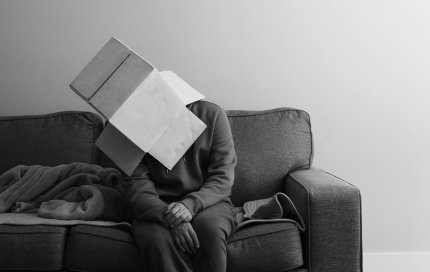
Create information windows
Instead of constantly checking the news, try identifying specific periods throughout the day.
For example:
in the morning;
at lunch;
early evening.
Of course, during an immediate threat, security messages take priority.
It's about the habit of endlessly reading the news at times when it doesn't change your actions.
8. You feel like even simple decisions have become difficult.
What to cook?
Who should answer first?
Should I go to the store today or tomorrow?
What movie should I turn on?
When overloaded, even small choices can feel disproportionately difficult.
The reason is not necessarily a separate phenomenon of “decision fatigue.” The term itself is hotly debated, and research findings are not always clear-cut.
A practical observation is simpler: when a person simultaneously holds dozens of tasks in their head and is under stress, additional decisions may subjectively feel more difficult.
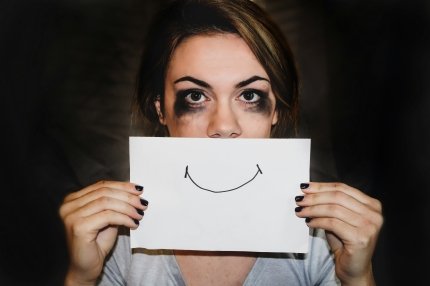
Reduce the number of small elections
Simple systems help:
approximate menu for several days;
shopping list;
fixed training time;
repetitive morning routine;
three main tasks instead of a list of twenty;
automatic payments for recurring bills.
Automating everyday tasks frees up attention for truly important decisions.
Are emotional overload and burnout the same thing?
No.
The term "emotional overload" is used widely and does not have a separate official diagnostic definition.
The World Health Organization defines burnout much more specifically as a syndrome associated with chronic stress at work that has not been effectively managed.
It is characterized by three components:
exhaustion;
psychological distancing from work, negativism or cynicism about it;
decreased sense of professional effectiveness.
Burnout in the international classification is considered an occupational phenomenon, not a separate disease.
Therefore, it is incorrect to call any life fatigue burnout.
Factors that are not related to work at all can also be emotionally draining: caring for a sick person, family conflicts, war, financial problems, or prolonged uncertainty.

Emotional overload or depression
There may be similar manifestations between these conditions:
low energy;
concentration problems;
sleep changes;
irritability;
social distancing.
But depression is a medical condition with specific diagnostic criteria.
Possible symptoms include:
persistent depressed mood;
loss of pleasure from most activities;
hopelessness;
feelings of worthlessness or excessive guilt;
significant changes in sleep or appetite;
concentration problems;
constant fatigue;
thoughts of death.
The combination, duration, and severity of symptoms are important for diagnosis.
It is not worth determining on your own that "it's just overload, there's definitely no depression" if the condition does not improve for a long time.
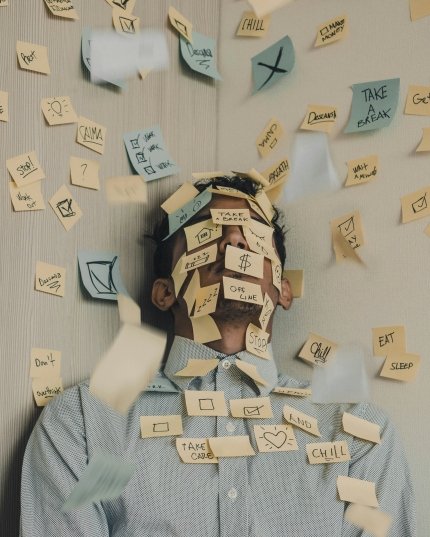
What to do when you are emotionally overwhelmed
1. Reduce the load source
This is the most important and at the same time often overlooked point.
If the problem is that you work twelve hours, additional meditation will not eliminate the twelve-hour workday.
Ask:
what can be canceled;
what to transfer;
what to delegate;
what to give up;
where to set the boundary.
2. Restore normal sleep
For most adults, a baseline is at least about seven hours of sleep, with many needing around 7–9.
Constant sleep deprivation dramatically complicates recovery.

3. Take short breaks throughout the day
A meta-analysis of micro-break studies showed a small but statistically significant reduction in fatigue and an increase in feelings of energy.
You don't have to wait for lunch break.
A few minutes can be used to:
to walk;
to stretch;
look away from the screen;
drink water;
get out into the fresh air.
4. Move
Regular physical activity is part of the stress management recommendations.
You don't have to start at the gym.
Walking, cycling, dancing, swimming, or just brisk walking is already movement.

5. Don't isolate yourself completely
Connecting with people you trust can help you cope with stress.
There's no need to hold a loud meeting if you don't have the strength.
Sometimes it is enough:
take a walk with a friend;
call a loved one;
say directly: "I'm having a hard time right now."
6. Bring back the predictability of the day
When stressed, a simple schedule can reduce feelings of chaos.
Stabilize at least:
lift time;
meals;
working hours;
breaks;
physical activity;
approximate bedtime.

What not to do
Increase the amount of caffeine endlessly
Caffeine may temporarily increase alertness, but is no substitute for recovery and may interfere with sleep.
Try to "rest productively"
If rest has turned into a list of training, classes, cleaning, books, and ten thousand steps, it can remain just another burden.
Use alcohol to relax
Alcohol can make you sleepy, but it can also impair sleep structure and the quality of nighttime recovery.
Ignore status for months
The phrase “I’ll just wait a little longer” sometimes works for several days. If the load doesn’t change structurally, the problem can only accumulate.
When to see a doctor or psychologist
You don't need to wait until you're completely exhausted.
Professional help is advisable if:
the condition lasts for several weeks;
there is no noticeable improvement after rest;
it became difficult to work or perform household chores;
sleep is disturbed;
constant anxiety appeared;
you have lost interest in your usual activities;
physical symptoms often occur;
started using more alcohol or other substances to relax;
loved ones notice a significant change in your behavior.
A doctor can also help rule out physical causes of fatigue.
If you are having thoughts of self-harm, suicide, or feeling that you cannot ensure your own safety, you need immediate professional help.

A simple recovery plan for the next 24 hours
When resources are almost nonexistent, a complex plan is unnecessary.
Try five steps.
1. Remove one unnecessary task.
Don't postpone ten things - cancel at least one.
2. Eat normally.
Don't replace dinner with coffee and snacks.
3. Go for a 15–30 minute walk.
Without a sporting goal.
4. Set the end time for messages and news.
Give your brain a period without new tasks.
5. Leave enough time for sleep.
Don't try to "win the day" by spending two more hours on your phone.
These actions will not solve chronic overload in one day, but they can be the beginning of a normal recovery.
Conclusion
Emotional overload often masquerades as ordinary fatigue, but has a wider range of manifestations: persistent exhaustion, irritability, difficulty concentrating, sleep problems, social distancing, and physical symptoms of stress.
It is important not to look for one magic “reboot” technique. If demands constantly exceed recovery capabilities, you need to reduce the load itself: set boundaries, take breaks, restore sleep, movement, and time without work and information noise.
If the condition persists, worsens, or significantly affects your life, it is necessary to check whether depression, anxiety disorder, sleep problems, or a physical illness are behind the fatigue.
Important: The material is for informational and educational purposes only and does not constitute medical or psychological advice, diagnosis, or treatment recommendations. Self-diagnosis and self-treatment may be harmful to your health. If fatigue, emotional exhaustion, anxiety, sleep problems, or other symptoms persist or worsen, be sure to consult a doctor or qualified mental health professional.
FAQ
What is emotional overload?
This is a common term for a condition where prolonged psychological stress subjectively exceeds a person's resources. Emotional overload is not a separate medical diagnosis.
How do you know it's not just fatigue?
See if normal sleep and rest restore you. If exhaustion lasts for weeks and is accompanied by irritability, trouble sleeping, concentration, or loss of interest in usual activities, the cause should be investigated.
Why is it difficult to think when you are emotionally exhausted?
Stress can make it difficult to concentrate and make decisions. This is often exacerbated by sleep deprivation, constant notifications, multitasking, and a lack of regular breaks.
Can stress cause headaches or stomachaches?
Yes, stress can be accompanied by headaches, muscle tension, and digestive symptoms. However, recurring physical symptoms should be discussed with a doctor to ensure that there is no other cause.
How is emotional overload different from burnout?
Emotional overload is a broad, informal term. Burnout, as defined by the WHO, refers specifically to chronic stress at work and is characterized by exhaustion, detachment from work, and decreased professional effectiveness.
Is it possible to recover over the weekend?
After a short-term stressful period, sometimes yes. If the stress continues for months and the conditions do not change, two weekends are often not enough for a sustainable recovery.
Why am I tired but can't sleep at night?
Stress can keep you mentally and physiologically aroused even when you're very tired. Thoughts about work, news, messages, and an unstable sleep schedule can also delay falling asleep.
Does sport help with emotional overload?
Regular physical activity can help reduce stress and support mental health. You don't have to start with intense workouts—even regular walking will do.
How to quickly relieve emotional stress?
You can take a short break, go for a walk, reduce your information load, talk to a loved one, and give yourself time off from work. If the source of stress remains constant, quick techniques will only provide temporary relief.
When should you see a doctor for constant fatigue?
If fatigue persists for several weeks, does not resolve after normal rest, progresses, or is accompanied by changes in mood, sleep, appetite, concentration, or physical symptoms, professional evaluation is needed.

