
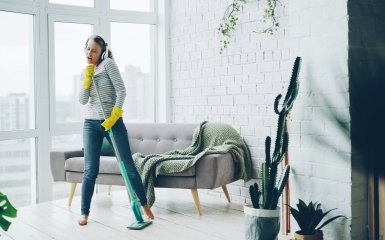
General cleaning of an apartment often turns into a tedious process: things are moved from place to place, washing the kitchen takes several hours, and the bathroom and windows never reach the hands. Usually the reason is not the amount of work, but the lack of a clear plan. Thorough cleaning differs from daily cleaning in that it covers not only visible surfaces. It includes cleaning hard-to-reach places, household appliances, textiles, cabinets, baseboards and areas where dust, grease and other contaminants gradually accumulate.
The most effective principle of general cleaning is to first free surfaces from unnecessary items, then clean the room from top to bottom, moving from dry work to wet work, and leaving floor washing for last.
There is no need to use strong disinfectants every day or buy dozens of specialized products. For most household surfaces, a suitable detergent, water, and mechanical cleaning are sufficient.
Let's look at what is included in a general cleaning, where to start, how to properly clean each room, and how much time you should plan.
What is a general cleaning and how is it different from a regular one?
General cleaning is a comprehensive cleaning of a residential space that covers surfaces and objects that do not require daily care.
For example, during regular cleaning, we wipe the kitchen counter, wash the floor, and put things away.
During the general cleaning, we additionally clean the cabinet fronts, the hood, the internal compartments of the refrigerator, baseboards, upper shelves, and the space behind the furniture.
The main goal is not just to create visual order, but to remove accumulated dirt and make regular cleaning easier.
What is included in a general cleaning?
Depending on the condition of the apartment, the list of works may include:
Removing dust from open and hard-to-reach surfaces.
Washing kitchen appliances, cabinets and work areas.
Cleaning plumbing and tiles.
Washing curtains, bedspreads and other textiles.
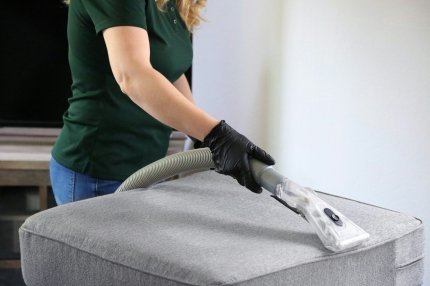
Cleaning of upholstered furniture and mattresses.
Washing mirrors, doors, window sills and windows.
Checking products, household chemicals, and items in cabinets.
Washing floors, baseboards and the space under furniture.
It is not necessary to complete all the work in one day. For a large apartment, it is advisable to divide it into several stages.
How often should you do a general cleaning?
There is no universal periodicity.
It depends on the area of the home, the number of residents, the presence of children and pets, ventilation, and the specifics of the use of the premises.
For many apartments, it is convenient to schedule a comprehensive cleaning twice a year — for example, in spring and autumn.
However, some tasks need to be performed more often.
| What to clean | Approximate frequency |
| Kitchen countertops and cooking surfaces | After use |
| Sinks, plumbing, flooring in active areas | Regularly, as needed |
| Dust on furniture and exposed surfaces | Approximately weekly or more often |
| Refrigerator inside | For contamination, with regular product inspection |
| Baseboards, upper shelves, space behind furniture | Approximately every 1–3 months |
| Curtains and textiles | According to the manufacturer's condition and recommendations |
| Complete general cleaning | Usually 1–2 times a year |
This is a practical schedule, not a sanitary standard.
For example, in an apartment with pets, textiles and floors may need more frequent cleaning.
It is important not to postpone the elimination of mold, leaks, and other problems until the scheduled general cleaning.
What you need for a general cleaning: a list of tools and equipment
Most apartments do not need a large arsenal of household chemicals.
It is much more important to have several quality tools and products that are compatible with the surface materials.
Basic cleaning kit
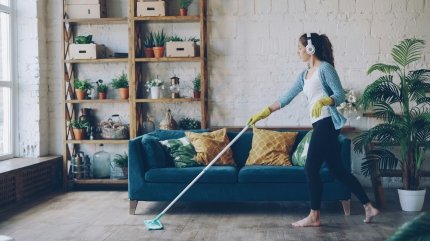
Vacuum cleaner with nozzles for floors, furniture and crevices.
Microfiber cloths or other suitable fabric.
A mop and a bucket.
Soft sponges and brushes.
Universal detergent for suitable surfaces.
Plumbing tool.
Glass and mirror cleaner.
Grease remover, if needed.
Gloves for working with household chemicals.
Garbage bags and containers for sorting things.
Additionally, you may need a small brush for tile joints, a nozzle for furniture upholstery, and products for specific materials.
You should not use the same equipment for the toilet and kitchen surfaces.
It is more convenient to separate napkins and sponges by purpose.
Do I need a steam cleaner?
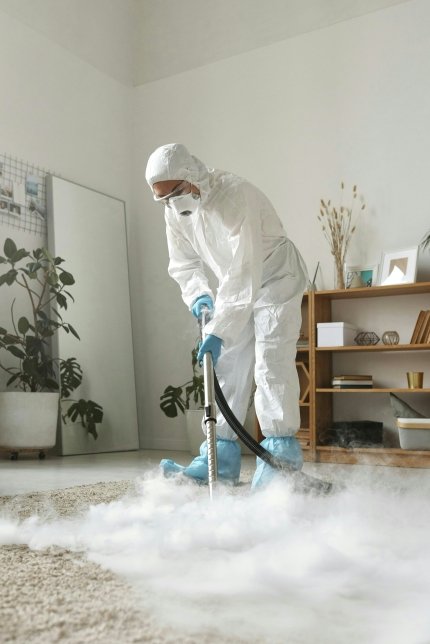
A steam cleaner can help remove some dirt, but is not suitable for all surfaces.
High temperature and humidity can damage certain types of laminate, wood, glued surfaces, wallpaper, and furniture upholstery.
Additionally, the use of steam does not guarantee disinfection of any surface. The result depends on the temperature, contact time and characteristics of the device.
Before use, you must check the instructions of the equipment and material manufacturers.
Where to start with a general cleaning of the apartment
The most common mistake is to immediately start washing the floor or cabinets.
If you don't remove unnecessary things and prepare the room beforehand, some of the work will have to be repeated.
It is more practical to start with a short training.
Step 1. Estimate the scope of work
Walk through the apartment and identify the areas that need the most attention.
For example, in the kitchen it could be the hood and oven, in the bathroom it could be limescale, and in the bedroom it could be the space under the bed.
Make a list of specific tasks, not a general note to "clean the entire apartment."
Step 2. Remove unnecessary items
Clear out countertops, tables, and open shelves.
Return misplaced items to their appropriate storage areas.
Unnecessary items can be separated for repair, transfer to other people, or disposal.
Don't take apart all the closets at once unless you plan to. Otherwise, large piles of things will quickly form in the apartment, making it difficult to clean.
Step 3. Start long-running processes
Washing curtains, bed linen or bedspreads can be started before the main cleaning.
It is also worth checking the instructions for grease or limescale removers in advance.
However, there is no need to leave aggressive substances on surfaces longer than the manufacturer allows.
The correct sequence of general cleaning
It is important not only to complete all the tasks, but to organize them in such a way as not to re-contaminate already cleaned surfaces.
For most rooms, the following logic is convenient:
Remove unnecessary items and trash.
Clean light fixtures, top shelves, and other high surfaces.
Wipe down furniture, doors, and accessible vertical surfaces.
Clean window sills, baseboards, and hard-to-reach places.
Vacuum the upholstered furniture and floor.
Perform wet cleaning.
Check the result and put things back in their places.
The floor is usually washed last, because dust and other contaminants get on it when cleaning shelves, furniture, and textiles.
Why it's better to clean from top to bottom
Some of the dust settles on lower surfaces during cleaning.
If you wash the floor first and then wipe down the tall cabinets, you will have to clean it again.
However, you don't need to intentionally throw dust on the floor. It's better to collect it with a vacuum cleaner or a slightly damp cloth.
General kitchen cleaning: a step-by-step checklist
The kitchen usually needs special attention due to grease, food residue, and moisture.
It is important to clean not only visible surfaces, but also areas around appliances, cabinet handles, and areas of contact with products.
Refrigerator and freezer
Start by checking the expiration dates of your products.
Remove spoiled food and temporarily move suitable products to appropriate storage conditions.
Remove removable shelves and containers, if provided for by the design.
Clean the internal surfaces with a product suitable for contact with the relevant materials, then wipe dry.
Do not use sharp objects to remove ice.
If the refrigerator needs defrosting, follow the manufacturer's instructions.
Stove, extractor hood and oven
Grease stains most often accumulate on grates, burners, oven doors, and hood filters.
For cleaning, use a product that is suitable for the specific surface.
For example, highly alkaline products can damage some metal coatings, and abrasive sponges can damage glass ceramics.
The hood filters need to be cleaned or replaced according to their type.
Not all filters can be washed with water.
Kitchen cabinets and countertops
Pay special attention to handles, areas near the stove, and the lower parts of the facades.
For most surfaces, a suitable detergent and a cloth are sufficient.
After cleaning, materials sensitive to moisture must be wiped dry.
Surfaces that have been in contact with raw meat, poultry, or their juices may require additional disinfection after washing.
Kitchen checklist
Check and organize products.
Clean the refrigerator and its seals.
Wash cabinet fronts and handles.
Clean the stove, oven, and range hood.
Wash the sink and faucet.
Clean the countertops and kitchen apron.
Check the trash can.
Clean the floor and available space under the appliances.
How to properly do a general cleaning of the bathroom
The bathroom combines several types of dirt: soap scum, limescale, cosmetic residue, and high humidity.
Therefore, one universal remedy is not always enough.
How to remove limescale
Limescale deposits are formed mainly due to water hardness salts.
Special acidic products can be used to remove them.
However, they are not suitable for all surfaces.
In particular, natural marble, travertine and other acid-sensitive materials can be damaged.
There is no need to apply vinegar or descaling agent to any surface without checking its compatibility.
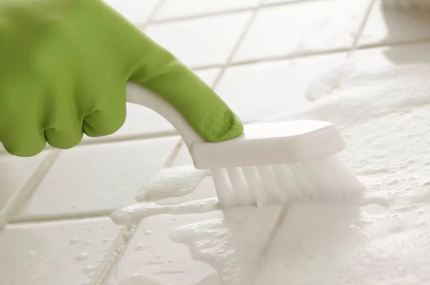
How to clean tile joints
For cleaning, you can use a soft brush and a suitable product.
Do not use excessive force or stiff metal brushes, which can damage the grout.
If the seams are constantly darkening due to moisture, it is important to check the condition of the ventilation and the tightness of the plumbing connections.
What to do with a shower curtain
If the manufacturer allows washing, the curtain can be washed according to the label.
It is also important to clean the bottom edge, which regularly comes into contact with water.
After using the shower, it is better to straighten the curtain so that it dries faster.
Bathroom checklist
Clean the sink and faucet.
Wash the bathtub or shower.
Clean the tiles and joints.
Wash the mirror.
Wipe down shelves and cabinets.
Organize cosmetics and household chemicals.
Clean the available ventilation grilles.
Wash the floor and dry the wet areas.
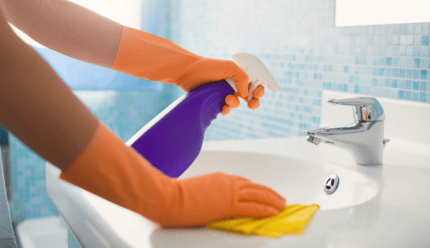
General toilet cleaning: what needs special attention
It is important to clean the bathroom with separate equipment.
When cleaning, you need to pay attention not only to the inside of the toilet, but also to the flush button, seat, exterior parts, and the surrounding floor.
It is necessary to use products suitable for the respective materials.
Is it necessary to disinfect the entire apartment every day?
No.
According to recommendations from the US Centers for Disease Control and Prevention (CDC), in normal household conditions, regular cleaning with water and an appropriate detergent is often sufficient to remove most microorganisms from surfaces.
Additional disinfection is especially important if someone at home is sick or there are other increased risks.
It is important to distinguish between cleaning and disinfection.
Cleaning physically removes dirt and a significant portion of microorganisms.
Disinfection involves the use of special agents to destroy microorganisms on a surface.
If disinfection is required, first remove visible dirt, and then apply the product according to the instructions, adhering to the specified contact time.
How to clean your bedroom and reduce dust accumulation
A bedroom often looks clean even when a lot of dust has accumulated in the textiles and behind the furniture.
Particular attention should be paid to the mattress, headboard, curtains, carpets, and space under furniture.
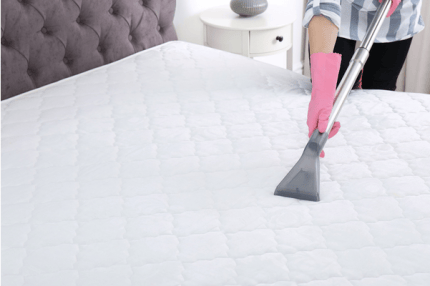
How to clean a mattress
The mattress can be carefully vacuumed with a nozzle designed for furniture.
If there are stains on the surface, the manufacturer's recommendations must be taken into account.
Excessive moisture in the mattress is undesirable: its inner layers can take a long time to dry out, which creates conditions for mold to appear.
There is no need to fill the mattress with water or detergent solution.
How to remove dust from furniture
For smooth surfaces, it is convenient to use a slightly damp cloth.
It allows you to collect dust, not just move it through the air.
An efficient filtration system is desirable for a vacuum cleaner. Models with a proper HEPA filter can help trap fine particles during cleaning.
However, even a high-quality filter does not replace regular textile care and humidity control.
Bedroom checklist
Wash the bed linen.
Clean the mattress according to the instructions.
Vacuum under the bed.
Wipe down bedside tables and shelves.
Clean the baseboards.
Check the condition of the curtains.
Organize clothes in the closet.
Vacuum and wash the floor.
How to do a general cleaning of the living room
The living room often accumulates dust, crumbs, pet hair, and dirt on furniture upholstery.
You need to consider the type of fabric and the manufacturer's instructions.
Not every sofa can be cleaned with water or steam.
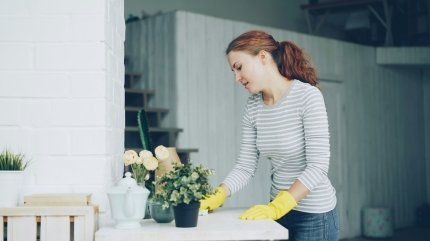
How to clean upholstered furniture
Start with a vacuum cleaner with the appropriate nozzle.
Pay special attention to the joints of the cushions, seams, and the space under the seats.
To remove stains, use a product that is compatible with the fabric.
Before applying a new product, test it on an inconspicuous area.
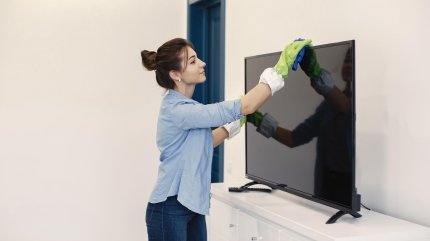
How to clean your TV and electronics
Screens and electronic devices require delicate care.
Do not spray liquid directly onto a TV, monitor, or other electronic components.
Before cleaning, it is advisable to turn off the device and follow the manufacturer's instructions.
Harsh solvents and abrasive materials can damage the protective coatings on screens.
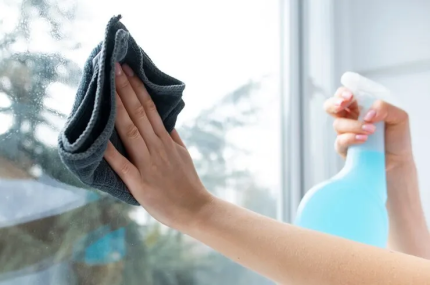
How to properly clean windows, mirrors and window sills
Window washing is often left for last, when we are already running out of energy.
However, for a large apartment, this can be a separate, full-fledged task.
It is important to consider air temperature, weather conditions, and the possibility of safe access.
Why do streaks remain on glass?
The most common causes are too much detergent, a dirty cloth, and letting the liquid dry before it is removed.
It is better to use a small amount of the appropriate product and clean equipment.
For windows on the sunny side, it is more convenient to choose a time when the glass is not heated by direct rays.
What not to do when washing windows
There is no need to lean out, stand on windowsills, or use unstable furniture.
Washing exterior glass on high floors is especially dangerous.
If access to the external surface cannot be ensured safely, such work should be carried out using special means of access or with the help of suitably trained specialists.
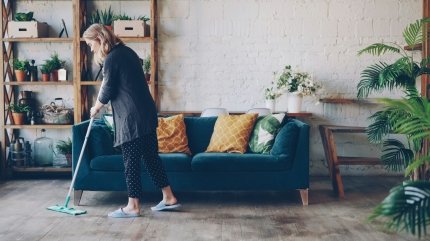
How to properly wash the floor after a general cleaning
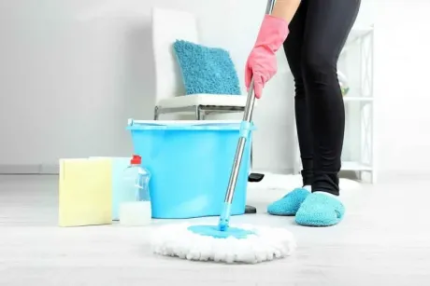
The floor is usually cleaned after the main work in the room is completed.
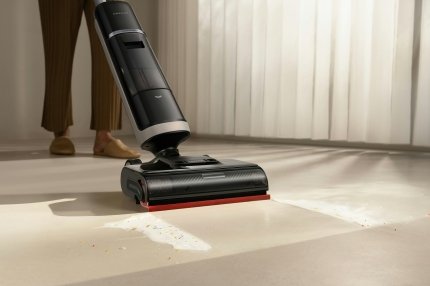
First, you need to remove dry dirt with a vacuum cleaner or other suitable method.
After that, you can proceed to wet cleaning.
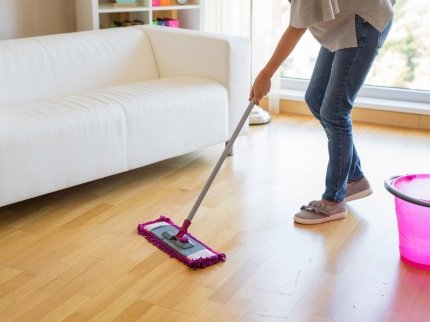
Laminate and wooden flooring
A large amount of water is undesirable for such surfaces.
Excessive moisture can cause deformation of joints, damage to the coating, and swelling of individual materials.
Therefore, it is better to use a well-wrung mop and products recommended by the floor manufacturer.
Tiles and porcelain stoneware
These coatings are usually more resistant to moisture, but you need to consider the material of the seams and the properties of the detergent.
Some surfaces are not suitable for strong acids or abrasives.
After cleaning, it is important to remove any remaining product according to the instructions.
Is it necessary to disinfect the apartment during a general cleaning?
Disinfection is not a mandatory part of every general cleaning.
For many everyday surfaces, proper cleaning removes dirt and most microorganisms.
The CDC recommends using disinfectants primarily when there is a sick person in the home or other increased risk factors.
Which surfaces need special attention?
The most common items that come into contact with hands are doorknobs, switches, faucets, remote controls, cabinet handles, and telephones.
Such items need to be cleaned regularly.
If disinfection is necessary, use products suitable for the specific surface.
Not all disinfectants can be used on electronics, natural stone, or food surfaces.
Why it is dangerous to mix detergents
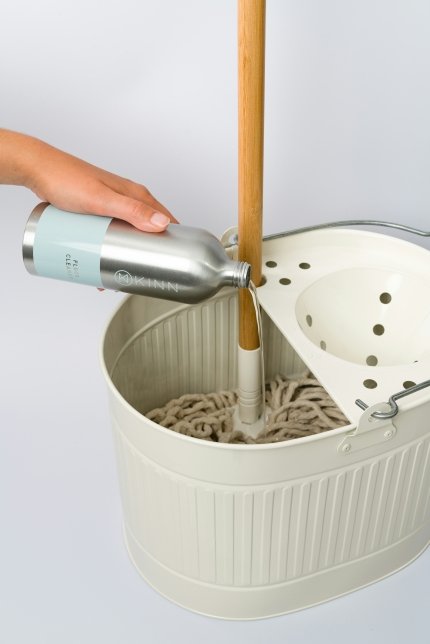
Chlorine bleaches should never be mixed with vinegar, acidic products, ammonia, or other household cleaners.
Such mixtures can release dangerous gases.
There is also no need to combine several disinfectants unless specifically stated in the instructions.
When working with household chemicals, it is necessary to ensure ventilation, use recommended protective equipment, and store the products away from children and animals.
What to do if you find mold while cleaning
Mold often appears in places with high humidity: near windows, in the bathroom, behind furniture, or on walls with insufficient insulation.
The main thing is not to simply remove visible plaque, but to eliminate the cause of moisture accumulation.
According to the U.S. Environmental Protection Agency (EPA), moisture control is the primary way to prevent mold growth.
What is the optimal humidity?
The EPA recommends keeping relative humidity below 60%, and if possible, around 30–50%.
In a room that is too humid, mold can return even after thorough cleaning.
Therefore, sometimes it is necessary to improve ventilation, eliminate leaks, or use a dehumidifier.
When not to clean mold yourself
If a large area is affected, the mold appears after flooding, or has spread inside building structures, simple surface cleaning may not be enough.
The EPA notes that special measures may be required for areas larger than approximately 0.9 m² or for significant water damage.
People with bronchial asthma, allergic diseases, and weakened immune systems should be especially careful.
General cleaning of the apartment in one day: time allocation
The duration depends on the area of the home, the amount of furniture and the degree of contamination.
A rough plan for an apartment of 50–70 m² might look like this:
| Stage | Estimated time |
| Preparing and sorting things | 30–45 min |
| Kitchen | 60–90 min |
| Bathroom and toilet | 45–75 min |
| Bedroom | 40–60 min |
| Living room | 40–60 min |
| Corridor and other areas | 20–30 min |
| Flooring and finishing works | 30–45 min |
In total, this is approximately 4.5–7 hours of active work, not including long washing, complex cleaning of equipment, and large windows.
If the apartment hasn't been thoroughly cleaned in a long time, it may take much more time.
For two people, some tasks can be performed in parallel.
How to divide a general cleaning into three days
It's not necessary to do everything in one weekend.
For a large apartment, it is more practical to divide the work into zones.
Day one — kitchen and products
Check your supplies, clean out the refrigerator, oven, range hood, and kitchen cabinets.
Pay special attention to surfaces where grease accumulates.
Day two — bathroom, bedroom, and textiles
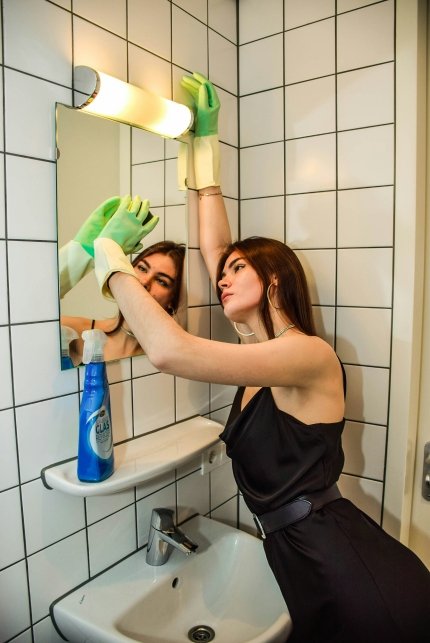
Clean plumbing fixtures, tiles, mirrors, and ventilation grilles.
Wash appropriate textiles, vacuum the mattress and the space under the furniture.
Day Three — Living Room, Windows, and Finishing Work
Clean upholstered furniture, shelves, doors, baseboards, and accessible window surfaces.
Finally, vacuum and wash the floor.
This approach allows you to avoid accumulating fatigue and pay more attention to difficult areas.
How to do a general cleaning if you have small children or animals at home
While working, it is important to minimize access of children and animals to household chemicals, buckets of water, sharp tools and electrical appliances.
Do not leave open bottles of detergent on the floor or pour them into food containers.
To clean toys, you need to consider the material and manufacturer's recommendations.
Not all toys can be boiled, steamed, or washed in the dishwasher.
Also, you shouldn't use strong fragrances just for the sake of a feeling of freshness.
Some scented products can irritate the respiratory tract.
If there are people in the family with allergies or asthma, it is advisable to choose products without excessive fragrance and avoid cleaning methods that raise a lot of dust.
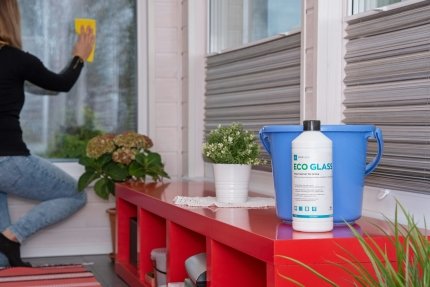
Ten mistakes that make general cleaning take longer
1. Starting without a plan
Because of this, we have to return to areas that have already been cleaned.
2. Dismantle all cabinets immediately
Things fill the room and interfere with cleaning.
3. Wash the floor first
Dust from the upper surfaces settles back down.
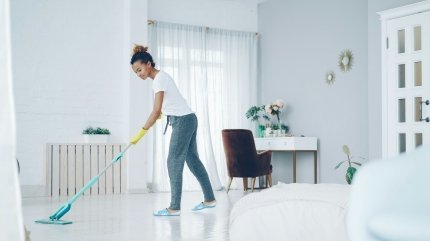
4. Using too much detergent
Residues may form streaks and require additional rinsing.
5. Mix household chemicals
This does not enhance cleaning in a safe manner and can cause toxic fumes.
6. Use one sponge everywhere
This way, you can transfer contamination between the kitchen and the bathroom.
7. Excessively humidifying furniture
Some fabrics and interior layers of furniture dry slowly.
8. Ignore material instructions
Inappropriate products can damage wood, stone, metal or protective coatings.
9. Consider a strong odor a sign of cleanliness
The scent of the product does not prove that dirt or microorganisms have been removed.
10. Postpone minor malfunctions
Leaks, poor ventilation, or a damaged seal can cause contamination again.
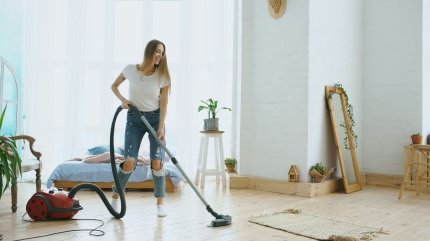
How to maintain cleanliness after a general cleaning
The result of comprehensive cleaning will last longer if you regularly perform small household tasks.
For example, it's easier to wipe down your kitchen countertop immediately after cooking than to remove dried-on grease a few weeks later.
It is also useful to regularly remove dust, not accumulate unnecessary things on open surfaces, and check damp areas.
To keep things organized, you can use a simple schedule:
| Frequency | Main tasks |
| Daily | Kitchen surfaces, dishes, local contamination |
| Weekly | Floor, dust, regular bathroom cleaning |
| Monthly | Door handles, baseboards, individual shelves and appliances |
| Once every few months | Hard-to-reach areas, textiles, interior compartments of cabinets |
| Once or twice a year | Full complex cleaning of the apartment |
The frequency needs to be adapted to real conditions.
In an apartment with pets or a large number of textiles, some tasks may need to be performed more frequently.
Conclusion
General cleaning shouldn't turn into endless washing of everything.
The best result is achieved by a clear sequence: remove unnecessary items, clean upper and hard-to-reach surfaces, pay attention to the kitchen and bathroom, refresh textiles, and finish by washing the floor.
It is equally important to choose the right products for different materials, follow safety rules, and not use disinfectants unnecessarily.
A comprehensive cleaning once or twice a year, combined with regular maintenance, helps maintain order without constant, large-scale efforts.
FAQ: Frequently asked questions about general cleaning
Where to start with a general cleaning of the apartment?
It's best to start by assessing the scope of the job, preparing your equipment, and clearing away unnecessary items. After that, you should clean the surfaces from top to bottom, leaving the floor washing for last.
What is necessarily included in a general cleaning?
Typically, this includes cleaning kitchen appliances, plumbing, furniture, textiles, hard-to-reach surfaces, windows, doors, baseboards, and floors. The specific list depends on the apartment and the condition of the premises.
How often should you do a general cleaning?
For many apartments, it is practical to carry out a full comprehensive cleaning once or twice a year. However, the kitchen, bathroom, floors and surfaces that are frequently touched require more regular care.
How long does a general cleaning of an apartment take?
For an apartment of approximately 50–70 m², you can roughly plan 4.5–7 hours of active work. The actual duration depends on the amount of furniture, dirt, the composition of the tasks and the number of people cleaning.
What tools are needed for general cleaning?
The basic kit includes a vacuum cleaner, cloths, a mop, a bucket, sponges, gloves and several cleaning products for different surfaces. Special products are only needed for suitable materials or stubborn dirt.
Is it necessary to disinfect all surfaces?
No. According to the CDC, regular cleaning is sufficient for most common household situations. Disinfection is especially important if there is a sick person or other high-risk person in the home.
How to quickly clean an apartment in one day?
It is necessary to set priorities in advance, prepare inventory, divide work by room and do not start several large tasks at once. It is advisable to clean the most difficult areas first, leaving the floor for last.
How to properly remove dust so that it does not scatter?
For smooth surfaces, it is convenient to use slightly damp cloths that collect dust. Carpets and upholstered furniture are cleaned with a vacuum cleaner with a proper filtration system. It is advisable not to use dry sweeping where it raises many small particles.
Can vinegar and baking soda be used for general cleaning?
They can be useful for certain household tasks, but they do not replace all specialized products. Vinegar can damage natural stone and some coatings. It should never be mixed with chlorine bleach.
What to do if mold is discovered during cleaning?
The cause of the high humidity needs to be identified and addressed. Small localised contamination on suitable surfaces can sometimes be cleaned up yourself, but if there is significant mould growth, structural damage or the problem reoccurs, special measures may be required.
The material is for informational purposes only. Household chemicals can cause skin and respiratory tract irritation, and improper mixing of products can cause dangerous chemical reactions. Self-medication can be harmful to health. If symptoms of poisoning, difficulty breathing, or a severe allergic reaction occur, you should immediately seek medical attention.

