
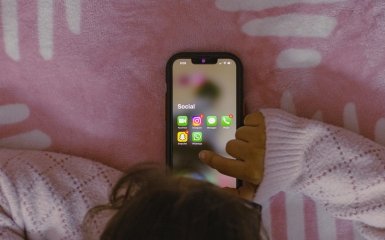
A child watches a regular entertainment video, but the next video unexpectedly contains scenes of violence. A teenager joins a game chat, where a stranger begins to ask personal questions. Or a schoolchild receives a link from classmates to a dangerous online challenge that everyone supposedly has to try. Today, such situations are possible even when parents carefully monitor what applications are installed on their child’s smartphone.
The problem is not just the availability of harmful content. Social networks, video platforms, and online games use recommendation algorithms that can suggest materials without taking into account a particular child's psychological readiness to view them.
A combination of three approaches can help protect children from dangerous content: age restrictions and technical settings, developing digital literacy, and building trusting relationships with parents. None of them alone provides complete protection.
The American Academy of Pediatrics, in its 2026 recommendations, emphasizes that the safety of children in the digital environment depends not only on the amount of screen time, but also on the content of the materials, the characteristics of the platforms, the child's needs, and family circumstances.
Let's consider what content can really pose a danger, how to recognize the negative impact of the Internet, what to set up on your child's phone, and what to do if your child has already encountered threats, blackmail, or traumatic materials.
What is harmful content on the Internet?
Harmful content is digital material that can cause psychological or physical harm, encourage dangerous behavior, violate personal boundaries, or promote human exploitation.
It is important to distinguish between harmful, illegal, and simply inappropriate content for a certain age.
For example, an adult horror movie is not necessarily illegal, but may be inappropriate for a younger schoolchild.
At the same time, materials containing sexual abuse of children fall into the category of illegal content and require reporting to the appropriate services.

What types of content pose the greatest risks?
1. Violent violence. Realistic scenes of trauma, death, torture, or war crimes can cause intense fear and psychological distress.
2. Pornographic materials. Content that depicts sexual violence, coercion, or creates distorted ideas about consent and personal boundaries can be especially dangerous for children.
3. Content that encourages self-harm. This doesn't include just any mental health conversation, but posts that romanticize or encourage dangerous behavior.
4. Content with risky challenges. Some videos present dangerous activities as entertainment or a way to gain popularity.
5. Cyberbullying and Hate Speech: Derogatory comments, threats, harassment, and public bullying can cause significant psychological harm.
6. Manipulative content and scams. These include fake messages, fake videos, financial traps, and attempts to obtain personal information.
7. Sexual harassment and blackmail. Strangers may pose as peers, gradually gain a child's trust, and demand private images or other actions.
However, not all content on difficult topics is harmful. For example, quality educational content on mental health, sex education, or social conflicts can be beneficial if it is age-appropriate and appropriate for the child's needs.
How prevalent is dangerous content among children?
In 2025, the Australian government online safety regulator, the eSafety Commissioner, released the results of a survey of 3,454 children aged 10–17.
It turned out that 32% of those surveyed had seen sexualized images or videos on the Internet at least once, and 12% reported viewing sexually violent materials.
These figures apply to Australia. They cannot be automatically transferred to Ukraine, where the prevalence of online threats may be different.
At the same time, the study demonstrates an important problem: children do not always intentionally seek out inappropriate material.
Sometimes they see them by chance in recommendations, messages from friends, or search results.
In September 2026, the Cyber Police of Ukraine separately reminded of the risks of bullying, blackmail, personal data leakage, and other forms of digital violence among schoolchildren.

Why social media algorithms may exacerbate the problem
Parents often believe that it is enough to explain to their child which videos are not allowed to be searched for.
However, a significant portion of the materials reach the user without a targeted search.
Recommendation algorithms analyze interaction with content: views, reactions, subscriptions, and other signals.
The American Academy of Pediatrics' January 2026 guidelines state that attention-based systems may increase the spread of dangerous material, including content about self-harm, eating disorders, and risky challenges.
For example, a teenager may watch several videos about appearance and nutrition, and their feed may then increasingly include posts with unrealistic body standards.
This doesn't mean that any nutrition or fitness video is harmful.
The content, repetition of materials, individual vulnerability, and the child's overall psychological well-being are important.
How harmful content can affect a child
The reaction depends on age, previous experience, the nature of the material, and adult support.
One child may see a frightening video and quickly return to their usual routine.
Another is to remember what you saw for a long time, be afraid to fall asleep, or avoid situations that remind you of an unpleasant experience.
Possible consequences include:
fear, anxiety and intrusive memories of what was seen;
sleep disturbance or nightmares;
shame and reluctance to tell adults about the situation;
negative attitude towards one's own appearance;
peer pressure for risky behavior;
difficulty concentrating;
decreased trust in people after deception or blackmail.
It is important not to exaggerate: watching one unwanted video does not mean that a child will necessarily suffer psychological trauma.
Most studies of the digital environment are observational in nature and do not always allow for the establishment of a direct cause-and-effect relationship.

How to understand that a child has encountered danger on the Internet
Not all children immediately inform their parents about an unpleasant situation.
Some are afraid of punishment, losing their smartphone, or are embarrassed to talk about what they saw.
UNICEF lists mood changes, sleep disturbances, anxiety, device avoidance, or unusual secrecy as possible signs of a negative online experience.
What parents should pay attention to
The child can:
get very upset after receiving messages;
be afraid to open a certain application;
avoiding school or socializing with peers;
lose interest in previously favorite activities;
start hiding correspondence out of fear or shame;
complain of a headache or stomach ache;
demonstrate persistent changes in eating or sleeping patterns.
These signs are nonspecific. They may be related to academic stress, family circumstances, illness, or other problems.
Therefore, you should not automatically conclude that the reason is the Internet.

What to do if your child sees a scary or inappropriate video
The most important response for parents is to help the child feel safe, not to immediately look for someone to blame.
UNICEF recommends that adults respond calmly, listen carefully to the child, and not create the impression that they are being punished for seeking help.
The first five steps
Step 1. Stop watching. Close the material and don't make your child watch it again to explain the details.
Step 2: Find out what happened. Ask where she saw the content, whether someone sent it intentionally, and how she feels.
Step 3: Be supportive without blaming. Explain that a chance encounter with inappropriate material is not a reason to be ashamed.
Step 4: Assess the risk. Distinguish between unpleasant viewing and a situation in which someone is threatening a child or encouraging them to do dangerous things.
Step 5: Use your safety tools. Report the material, block the dangerous contact if necessary, and review your safety settings.
There is no need to interrogate the child or demand detailed retelling of scenes of violence.
If she is very scared, you can continue the conversation later, when the tension has subsided.
How to protect your child from harmful content: 8 rules of digital safety
1. Agree on rules for using the Internet
Instead of a blanket ban on dangerous sites, discuss specific situations.
For example:
What to do if a stranger writes a private message?
Can I send photos to people in the game?
What to do if someone threatens you?
Who can a child tell about a scary video?
Can I click on links from unknown messages?
Rules should be age appropriate.
Younger children need a simpler and clearer system. Teenagers need an explanation of the risks and a gradual increase in independence.
2. Set up parental controls
For younger children, special modes that restrict access to applications and materials can be useful.
Among the common tools:
Google Family Link — manage some of your child's account settings, apps, and devices.
Apple Screen Time — restricts content, purchases, apps, and some interaction methods.
YouTube Kids is an environment for watching children's videos with additional settings.
SafeSearch — filtering out some of the inappropriate content in Google search results.
Feature availability and setup methods may vary depending on age, country, software version, and device type.
No filter guarantees that a child will never see unwanted material.
It's also important to check settings within games, messengers, and social networks, not just on the phone itself.
3. Limit contact with strangers
Teach your child not to share their home address, school, phone number, passwords, and location information with strangers.
Pay special attention to game chats.
A person who presents themselves as a peer is not necessarily who they say they are.
For younger children, it is advisable to limit the ability to receive messages from unfamiliar users.
It is better to discuss with teenagers the signs of manipulation and dangerous requests.
4. Teach how to recognize false content
Show your child that videos, photos, and even voice messages can be altered or created by artificial intelligence.
Discuss simple questions:
"Who published this material?"
"Can I check the information with another reliable source?"
"Are they trying to scare us or make us angry on purpose?"
It is especially important to explain that the popularity of a publication does not prove its truthfulness.

5. Explain the risks of a digital footprint
The child should understand that published photos, comments, and videos may remain after deletion.
UNICEF recommends setting account privacy and minimizing the sharing of personal data.
It is also useful to review your own family habits.
For example, do parents publish photos of their children without considering their wishes and privacy?
6. Check recommendations and subscriptions
Periodically ask what your child is watching.
Suggest finding features together for hiding unwanted content, reporting, and blocking users.
On some platforms, you can change recommendation settings or mark content as uninteresting.
But don't promise that after one adjustment, the algorithm will stop showing dangerous materials.

7. Maintain a healthy gadget usage pattern
The American Academy of Pediatrics in 2026 recommended assessing children's digital lives more broadly than just the number of minutes in front of a screen.
It is important that gadgets do not replace sleep, physical activity, learning, and communication.
It is helpful for every family to set clear rules regarding devices before bedtime, during shared leisure and study time.
At the same time, educational use of a computer should not always be equated with aimless video watching.
8. Create a rule of helping without punishment
The most important agreement may sound simple:
"If something scary, strange, or embarrassing to talk about has happened on the Internet, you can contact me. First, we'll figure out how to help you."
This is especially important in blackmail situations.
If a child is sure that after a frank conversation they will lose access to the phone forever, they may be hiding the danger.

How to explain internet safety rules to children of all ages
| Age | What to focus on |
| 3–5 years | Shared viewing, adult-selected content, a simple rule to ask for help |
| 6–9 years | Safe search, strangers in chats, privacy and the ability to close unpleasant materials |
| 10–12 years | Cyberbullying, recommendation algorithms, fraud, personal data and dangerous calls |
| 13–17 years old | Digital reputation, sexual blackmail, consent, deepfakes, manipulation and independent decisions |
This is a rough estimate. It does not mean that all children of the same age have the same skills or needs.
It is also important to adhere to the age requirements of the platforms: parental consent in itself does not override the rules of a specific service.
What to do if a child is being blackmailed with photos or videos
One of the most dangerous scenarios is sexual blackmail, or sextortion.
An attacker can obtain an intimate image, use edited material, or create a fake using artificial intelligence.
He then threatens to distribute the images if the child does not pay money or meet other demands.
In August 2026, the Cyber Police of Ukraine separately warned about the risks of using deepfakes, fake voices, and artificial intelligence to manipulate teenagers.
How should parents act?
First of all, explain to your child that the perpetrator is responsible for the blackmail.
Do not pay the money or comply with the blackmailer's demands. This does not guarantee that the threats will stop.
Do not engage in aggressive correspondence with the abuser.
Record account details, threatening messages, and other available information without hastily deleting correspondence.
Do not download, copy, or forward intimate images of minors for the purpose of gathering evidence. You can save profile information, dates, text of threats, and other secure information for reporting to law enforcement without sharing the materials themselves.
Contact the police and use the complaint mechanism on the platform.
The international organization NCMEC also recommends not agreeing to the demands of blackmailers and seeking help to stop the distribution of the images.
Cyberbullying: how to help a child who is being bullied online
Cyberbullying can include repeated insults, threats, derogatory posts, and the intentional spreading of false information.
Not every conflict in a group chat is bullying.
But if a child is systematically harassed or humiliated, the situation requires intervention.
If it's safe, save messages, dates, account names, and screenshots of regular correspondence.
There is no need to publicly respond with insults or organize harassment of the offender in response.
If the participants in the conflict are schoolchildren, contact the school administration.
If there are threats, blackmail, or other possible violations, law enforcement agencies should be notified.

Dangerous challenges and self-harm content
Online videos sometimes present risky behavior as a fun game or a way to gain peer approval.
The worst reaction from adults is to recount in detail the dangerous method of action or distribute the corresponding video "as a warning."
This can only increase its reach.
It is better to explain to the child that the popularity of a video does not mean that the behavior is safe.
If she has already participated in a dangerous challenge, assess possible injuries or other health consequences.
If you suspect poisoning, injury, or other emergency, you should seek immediate medical attention.
If a child talks about wanting to harm themselves, take such words seriously, ask directly and calmly about their safety, and seek professional help.
In case of immediate danger, do not leave the child alone.
Shocking war videos: a particular risk for Ukrainian children
In the Ukrainian information space, children may come across real footage of shelling, destruction, and deaths.
Not all such materials are created with the intention of causing harm: sometimes they are part of journalistic coverage of events.
However, realistic scenes of violence may be too difficult for a child.
Especially if she has already experienced shelling, loss of loved ones, or other traumatic events.
There is no need to force children to watch violent footage for the sake of "understanding reality."
It is better to use age-appropriate explanations, verified information, and the opportunity to ask adults questions.
If after watching the film your child has persistent nightmares, severe fear, or other persistent symptoms, consult a specialist.
Where to report dangerous content and online crimes in Ukraine
The choice of service depends on the nature of the situation.
| Situation | Where to go |
| Threats, blackmail, sexual exploitation | National Police or Cyber Police |
| Immediate threat to life or safety | 102 or 112 |
| Cyberbullying between schoolchildren | Educational institution administration; police if necessary |
| The child's need for confidential counseling | National hotline for children and youth — 116 111 |
| Psychological consequences of a dangerous experience | Pediatrician, child psychologist or psychiatrist, as appropriate |
| Unwanted content without signs of a crime | Complaint function on the relevant platform |
The National Hotline for Children and Youth is also available at 0 800 500 225 .
You can report a cybercrime through the official Cyber Police channels or by contacting the nearest police station.
Current channels for appeals and rules for submitting messages should be checked as of the date of the appeal.
Why a total internet ban doesn't solve the problem
After a dangerous incident, parents sometimes want to take away the smartphone completely and ban all social networks.
In a specific threatening situation, temporary access restriction may be necessary.
However, a permanent ban without explanation does not necessarily help a child learn to behave safely online.
UNICEF drew attention in December 2025 that age restrictions alone are not enough to protect children.
Some minors may seek workarounds, while the Internet remains an important medium for education, communication, and maintaining social connections.
Therefore, it is more appropriate to combine reasonable restrictions with the development of digital literacy.
At a younger age, control can be more direct. In adolescence, it is important to gradually move towards agreements, support, and responsible independent choices.

Family Online Safety Plan: What to Check Today
You don't have to look at all devices and dozens of applications at once.
Start with a simple plan.
| What to check | Specific action |
| Accounts | Make sure the age is correct and age settings are available |
| Privacy | Limit the number of people who can see the profile and write to the child |
| Search and video | Enable available filters and content restriction modes |
| Online games | Check chats, purchases, and the possibility of contact with strangers |
| Account security | Update passwords and enable multi-factor authentication where possible |
| Complaints | Show your child how to block users and report abuse |
| Family rules | Agree on who to contact in a dangerous situation |
Check your settings periodically: application features and platform recommendations change.
However, settings should not replace conversations about real risks.
Conclusion
It is almost impossible to completely isolate a child from dangerous content on the modern Internet.
Even age restrictions, filters, and parental controls don't guarantee that she'll never see a shocking video, receive a message from a stranger, or encounter manipulation.
However, the risks can be reduced.
To do this, it is important to choose age-appropriate services, set up privacy, teach digital literacy, and maintain an open dialogue.
If an unpleasant situation has already occurred, the main thing is not to blame the child, but to help them feel safe and receive the necessary support.
The most valuable skill that parents can give a child is not only the ability to recognize danger, but also the confidence that in a difficult situation they can seek help without fear or shame.
FAQ: Frequently asked questions about harmful content and child safety online
What is considered harmful content on the Internet?
This includes content that may encourage dangerous behavior, show graphic violence, contain sexual exploitation, threaten, harass, or manipulate. It is important to distinguish between illegal content and content that is simply not appropriate for a particular child's age.
How to protect your child from dangerous videos on YouTube?
Use the available age modes and settings, check the recommendations, and choose appropriate content. For younger children, consider YouTube Kids. But no mode provides complete filtering, so shared viewing and conversations are important.
How to block adult content on your child's phone?
Compatible devices include Google Family Link, Apple Screen Time, and SafeSearch. Additional restrictions are available in individual apps and browsers. Specific features vary by device, age, and software version.
What to do if a child accidentally sees pornography?
Don't scold or shame your child. Find out how it happened and explain, in an age-appropriate way, that pornography is not a reliable source of information about healthy relationships, consent, and sexuality. Review safety settings if necessary.
How to understand that a child has been affected by cyberbullying?
Signs may include anxiety after notifications, avoiding certain apps, not wanting to go to school, poor sleep, and mood swings. However, these symptoms can have other causes. It's important to talk to your child calmly and clarify the situation.
What to do if a stranger threatens a child online?
Do not comply with the attacker's demands or send money. Record the threat securely without sharing intimate images of children. Report the platform and contact the police. If there is immediate danger, call 102 or 112.
Can TikTok or another social network show dangerous content without search?
Yes. Recommendation systems suggest content based on various interaction signals. Therefore, unwanted content sometimes ends up in your feed without a targeted search. It is worth using filters, recommendation settings, and reporting features.
At what age can a child use social media?
You need to consider the platform’s rules, age, maturity, and personal needs. Many services have their own minimum age requirements. Even after reaching the legal age, privacy settings and adult support are still important.
How much time can a child spend on the Internet?
There is no single, universal limit for children of all ages. The American Academy of Pediatrics recommends considering not only the duration of device use, but also content content, sleep quality, physical activity, education, and family life.
Where to turn if a child has been victimized by online violence in Ukraine?
For threats, sexual blackmail, or other possible crimes, contact the police or Cyber Police. The National Hotline for Children and Youth operates at 116 111. For an immediate threat to life or safety, call 102 or 112.
Important: the material is for informational purposes only and does not replace individual consultation with a pediatrician, child psychologist, psychotherapist, psychiatrist or other appropriate specialist. Self-medication for mental disorders, anxiety disorders or the effects of psychological trauma can be harmful to health. If a child shows persistent changes in behavior, sleep disturbances, signs of self-harm or other symptoms, first consult a doctor. In case of immediate danger, emergency assistance is required. Platform functions, rules of use and methods of reporting violations may change, so you should check the current information before use.

