
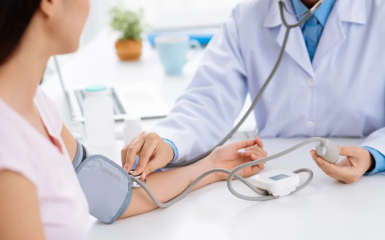
Blood pressure changes throughout the day. In most people, it decreases during sleep and gradually increases after waking up with increased activity. Therefore, a morning reading may be slightly higher than a night reading, and this does not in itself indicate hypertension.
Points of attention
- Blood pressure may be higher in the morning due to natural physiological fluctuations, but a persistent increase may be a sign of hypertension.
- Incorrect measurement technique, consumption of coffee, nicotine, alcohol, excess salt, lack of sleep, sleep apnea, and other factors can affect morning blood pressure.
- It is worth observing a steady increase in blood pressure in the morning and keeping a diary to assess trends.
Another situation is when high blood pressure in the morning recurs regularly. The cause may be measurement errors, coffee, nicotine, alcohol, excess salt, lack of sleep, sleep apnea, missed medications, or diseases that affect blood pressure regulation.
Hypertension often has no noticeable symptoms, so it's not worth focusing only on a headache or feeling unwell. The World Health Organization emphasizes that high blood pressure can only be determined by measuring it.
Why blood pressure can be higher in the morning
Blood pressure does not remain the same 24 hours a day. It responds to sleep, exercise, emotions, food, stimulants, and other factors.
After waking up, a person transitions from a state of sleep to activity. The work of the nervous system changes, the frequency of movements increases, the person gets up, walks, and begins to perform everyday tasks. Therefore, a certain increase in pressure compared to nighttime indicators is physiological.
The problem should be distinguished from a situation where home measurements consistently show elevated values.
According to the European ESC 2024 recommendations, hypertension is defined as a confirmed office pressure of 140/90 mm Hg. For home measurements, the guideline is an average of 135/85 mm Hg. However, the diagnosis is not established based on a single random measurement.
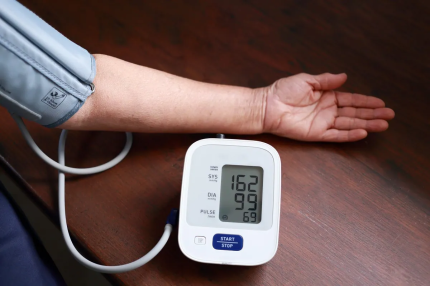
First, make sure you are measuring your blood pressure correctly.
One of the most common causes of "morning hypertension" is incorrect measurement technique.
If you measure your blood pressure immediately after a shower, a walk, coffee, a cigarette, or a hasty get-together for work, the result may reflect a short-term reaction of the body, rather than your usual blood pressure level.
The American Heart Association recommends not smoking, drinking caffeine, or exercising for at least 30 minutes before the measurement. Your bladder should be empty, and you should sit quietly for about five minutes before the procedure.
The correct technique looks like this:
sit on a chair with a back;
keep your feet completely on the floor;
do not cross your legs;
place the cuff on the bare shoulder;
keep your hand approximately at heart level;
do not talk or use the phone;
take two measurements with an interval of about one minute.
For home monitoring, it is better to use an automatic tonometer with a cuff on the arm. The size of the cuff should correspond to the circumference of the arm, as an incorrect cuff can significantly distort the result.
The ESC recommends that home monitoring should include two measurements, one in the morning and one in the evening, for at least three days, and preferably up to seven days, and that the average result be taken. The morning measurement should be taken before breakfast and blood pressure medication, but not immediately upon waking.
Coffee may temporarily boost performance
Caffeine can have a short-term effect on blood pressure, so morning coffee immediately before measurement creates the risk of getting an inflated reading.
This doesn't mean that everyone with high blood pressure should give up coffee completely. Everyone's reaction to caffeine is individual, and the total amount of coffee consumed throughout the day also matters.
For assessing morning blood pressure, something else is important: first measure, then coffee . If the results are systematically different before and after caffeine, this can be recorded in a blood pressure diary.
The NHLBI lists excessive caffeine consumption as a factor that can contribute to high blood pressure.
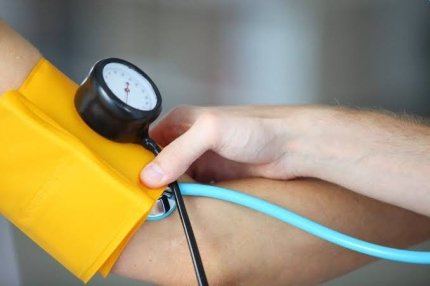
Nicotine before measurement also changes the result.
A cigarette, nicotine vape, or other nicotine product before measurement can temporarily affect the cardiovascular system.
Therefore, it is not advisable to measure blood pressure immediately after smoking. The AHA recommends abstaining from smoking for at least 30 minutes before the procedure.
In the long term, tobacco also increases cardiovascular risks, so in hypertension, the issue of smoking matters far beyond one morning reading.
Evening salty food can affect morning blood pressure
Sodium is involved in regulating fluid volume in the body. Excess salt can contribute to water retention and increased blood pressure, especially in people with increased sensitivity to sodium.
The main source of salt is often not the salt shaker, but prepared foods:
sausages and smoked meats;
cheeses;
canned food;
chips and snacks;
ready-made sauces;
semi-finished products;
fast food;
salty snacks.
The NHLBI notes that high sodium intake is a risk factor for hypertension, and older adults, patients with kidney disease, diabetes, and metabolic syndrome may be especially sensitive to salt.
One salty dinner does not prove the presence of hypertension, but if high morning readings recur after regular consumption of very salty foods, this factor should be taken into account.
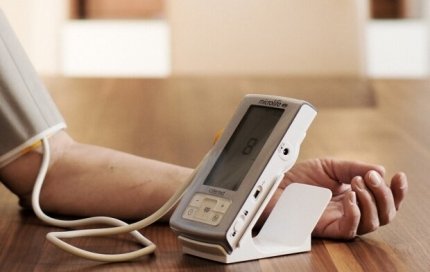
Alcohol in the evening can affect blood pressure the next day
Regular or excessive alcohol consumption is associated with increased blood pressure. The WHO classifies excessive alcohol consumption as a modifiable risk factor for hypertension.
There is also an indirect mechanism. Alcohol can disrupt sleep patterns and exacerbate breathing problems in people who are prone to snoring and apnea. As a result, a person may get enough sleep, but nighttime recovery will be inadequate.
Therefore, with a repeated increase in blood pressure in the morning, it is useful to evaluate not only morning habits, but also what happened the night before.
Sleep deprivation and poor sleep matter
Insufficient or poor-quality sleep is among the factors associated with the development of high blood pressure.
Particular attention should be paid to the situation when a person:
snores a lot;
wakes up with a feeling of shortness of breath;
has breathing stops during sleep that have been noticed by the partner;
wakes up with a dry mouth or headache;
constantly wants to sleep during the day.
This is how obstructive sleep apnea can manifest. The NHLBI indicates that apnea is associated with an increased risk of hypertension, heart disease, and stroke.
In such a situation, the problem may not be the wrong dinner or cup of coffee, but rather repeated episodes of breathing disturbance during the night.
Stress and the morning rush can temporarily raise blood pressure
Blood pressure responds to emotional and physical stress.
If a person wakes up late, quickly gets ready, argues, runs up the stairs, looks for things, and checks their blood pressure at the same time, the number obtained is unlikely to characterize their resting blood pressure.
The AHA specifically notes that even rushing before a measurement can temporarily increase readings.
That is why five minutes of sitting quietly before using the tonometer is part of standard practice, not a formality.
Medications can affect blood pressure
If a person is already receiving treatment for hypertension, recurring high morning blood pressure may be due to missed doses, irregular dosing, or inadequate blood pressure control throughout the day.
It is not worth changing the dose on your own or moving the pills from morning to evening just because of one high reading.
The 2024 European guidelines state that there is no convincing evidence of the benefits of routinely taking blood pressure medications right before bed. Regularity and adherence to the prescribed regimen are more important.
This was confirmed by a large randomized BedMed study: taking antihypertensive drugs before bedtime did not reduce the risk of death or major cardiovascular events compared to taking them in the morning.
Some other medications can also raise blood pressure. The NHLBI lists some antidepressants, nasal decongestants, hormonal contraceptives, and nonsteroidal anti-inflammatory drugs as among them.
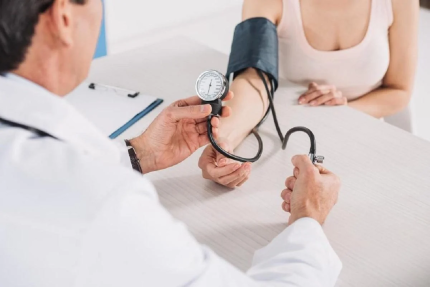
If high blood pressure in the morning recurs, the cause may be medical.
You shouldn't explain constantly high indicators only by coffee, weather, or nerves.
Among the conditions that can contribute to the development of hypertension, the NHLBI names:
chronic kidney disease;
sleep apnea;
thyroid disease;
adiposity;
metabolic syndrome;
some hormonal disorders.
Suspicion becomes stronger if high blood pressure appears suddenly, is poorly controlled with multiple medications, occurs at an unusually young age, or is accompanied by other symptoms.
In such cases, a home blood pressure diary provides much more information than a separate measurement.
What is 24-hour blood pressure monitoring and when is it useful?
Sometimes home measurements are not enough to understand what is happening during the night and early morning.
For this purpose, ambulatory blood pressure monitoring (AMP) is used. A small automatic device measures blood pressure at certain intervals throughout the day and night.
This method allows you to see:
average pressure over 24 hours;
day and night indicators;
Does the pressure decrease sufficiently during sleep?
Is there nocturnal hypertension?
How does blood pressure change after waking up?
The ESC notes that ambulatory monitoring has a strong prognostic evidence base and helps detect nocturnal, “masked” hypertension and the white coat phenomenon.
What to do if the blood pressure monitor shows high blood pressure in the morning
One elevated value does not mean a diagnosis.
If your reading is higher than normal, you should stay still, check the cuff position, and repeat the measurement in about a minute. The AHA specifically recommends not jumping to conclusions based on a single, random high reading.
To understand the trend, it is useful to keep a diary:
Date - time - first measurement - second measurement - pulse - notes.
Notes can include sleep deprivation, alcohol the night before, stress, caffeine, or missed medication.
If home averages remain consistently elevated, the data should be evaluated in conjunction with overall cardiovascular risk and health status.
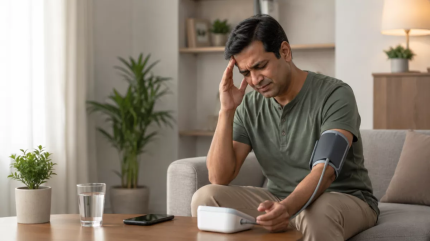
When high blood pressure requires emergency care
Very high values require special attention.
According to the American Heart Association recommendations, if the blood pressure reading is above 180/120 mm Hg , you should wait at least one minute and repeat the measurement.
If the pressure remains this high and at the same time:
chest pain;
dyspnea;
sudden weakness or numbness;
speech disorders;
vision changes;
severe back pain;
other new pronounced neurological symptoms,
This may be a hypertensive emergency that requires urgent medical attention.
If a reading above 180/120 mm Hg is confirmed again but no symptoms are present, the AHA also advises contacting a doctor as soon as possible for evaluation.
Conclusion
A slight increase in blood pressure upon waking may be part of a normal circadian rhythm. It is not a single morning reading that is important, but a consistent trend.
If blood pressure is regularly high in the morning, you first need to rule out measurement errors and evaluate obvious factors: caffeine, nicotine, excess salt, alcohol, lack of sleep, stress, and irregular intake of prescribed medications.
If elevated values persist, especially in conjunction with snoring, apnea, other symptoms, or difficulty controlling already diagnosed hypertension, a more detailed evaluation of the causes is needed. Regular home measurements or daily monitoring provide a much more accurate picture than a random number on a blood pressure monitor.
FAQ
Why does blood pressure increase in the morning?
After waking up, the body transitions from sleep to activity, so blood pressure naturally rises compared to nighttime values. Excessive or persistent morning elevations may be related to hypertension, sleep apnea, lifestyle, medications, or other factors.
What blood pressure is considered high when measured at home?
According to the 2024 ESC recommendations, an average home blood pressure of 135/85 mm Hg corresponds to the threshold for hypertension. The diagnosis is not made based on a single measurement.
When is the right time to measure blood pressure in the morning?
The ESC recommends taking your blood pressure measurement at home in the morning before breakfast and taking your antihypertensive medication, but not immediately after waking up. You should sit quietly for about five minutes before the procedure.
Can I measure my blood pressure after drinking coffee?
For a control measurement, it's best not to do this. The AHA recommends not consuming caffeine for at least 30 minutes before the procedure, as it can temporarily alter the readings.
Why is blood pressure high in the morning and normal in the evening?
Causes may include natural diurnal fluctuations, morning stress, caffeine, nicotine, sleep problems, nocturnal hypertension, or inadequate blood pressure control with medication. A series of home measurements or daily monitoring can help identify patterns.
Can lack of sleep increase blood pressure?
Yes. Not getting enough quality sleep is a risk factor for high blood pressure. Special attention should be paid to snoring and possible sleep apnea.
Do I need to postpone taking blood pressure pills until the evening?
It is not advisable to change the time of administration on your own. The ESC notes that there is no convincing evidence of an overall advantage of evening administration over morning administration. Regularity and adherence to an individual treatment regimen are important.
Can high blood pressure have no symptoms?
Yes. Most people with hypertension do not experience specific symptoms. That is why regular, accurate measurement is the main way to detect high blood pressure.
At what pressure does the situation become dangerous?
Values over 180/120 mm Hg are considered very high. If repeated measurements confirm this level and are accompanied by chest pain, shortness of breath, weakness, numbness, speech or vision problems, immediate medical attention is required.
undefined

