
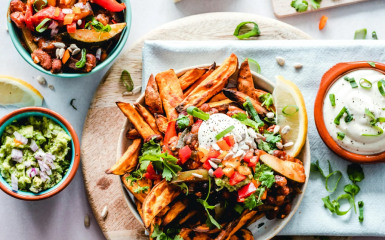
A high-protein breakfast doesn't have to consist of a protein shake or a large portion of meat. In the Mediterranean diet, it looks different: natural sources of protein, vegetables or fruits, whole grains, nuts, seeds and healthy fats. This combination can be satisfying, nutritious and convenient for many people in their daily diet.
Points of attention
- A high-protein Mediterranean-style breakfast is a satisfying and nutritious option that includes natural protein sources, vegetables, whole grains, and healthy fats.
- Protein for breakfast plays a crucial role in keeping you full and aiding muscle tissue maintenance and recovery from exercise.
Why protein is important in the morning
Protein for breakfast helps make your first meal more filling. It is digested more slowly than simple carbohydrates, so it can keep you feeling fuller longer, especially when combined with fiber and fat.
For adults, adequate protein in the diet is important for maintaining muscle tissue, normal recovery from exercise, and overall nutritional quality. But this does not mean that you should have as much protein as possible. Excess does not automatically make breakfast more useful, and needs depend on age, activity, health, and the overall menu throughout the day.
The best approach is not to count every gram unnecessarily, but to build a balanced breakfast: add a quality source of protein, vegetables or fruits, a whole grain product, and some unsaturated fats.
What does a Mediterranean breakfast mean?
The Mediterranean diet is not a rigid list of allowed and forbidden foods. It is an eating pattern dominated by minimally processed plant-based foods, fish, seafood, legumes, nuts, seeds, olive oil, whole grains, vegetables, and fruits.
At breakfast it might look like this:
Greek yogurt or cottage cheese with berries, nuts, and seeds;
eggs with vegetables, herbs and whole grain toast;
toast with hummus, tomatoes and olive oil;
whole grain porridge with yogurt, fruit and nuts;
leftover baked fish or legumes with salad and whole grain bread.
This Mediterranean-style breakfast isn't just about protein. Its power lies in the combination of nutritional components.
The best option: a protein-packed Mediterranean plate
If there were one universal template that nutritionists often recommend for most healthy adults, it would be the Mediterranean Protein Plate. It consists of four parts:
Protein sources include Greek yogurt, eggs, cheese, legumes, tofu, or fish.
Fiber — vegetables, berries, fruits, herbs, legumes.
Healthy fats — olive oil, nuts, seeds, avocados.
Slow carbohydrates — whole grain bread, oatmeal, bulgur, buckwheat or other whole grains.
It is this combination that makes a high-protein breakfast not just "protein", but balanced.
Greek yogurt option
One of the simplest options is Greek yogurt with no added sugar, berries, walnuts or almonds, chia or flax seeds, and a small serving of whole grain granola or oatmeal.
Why it works:
yogurt provides protein and a creamy texture;
berries add fiber and natural sweetness;
nuts and seeds provide unsaturated fats;
Whole grains make breakfast feel fuller for longer.
If a person is lactose intolerant or does not consume dairy products, you can choose a plant-based yogurt with a higher protein content, such as soy-based, but it is worth checking the composition and amount of added sugar.
Option with eggs and vegetables
Another strong option is an omelet, frittata, or shakshuka with vegetables, herbs, beans, or chickpeas. You can add whole-grain toast and a little olive oil to it.
This breakfast is great for those who like savory foods in the morning. The vegetables add bulk and fiber, the eggs provide protein, and the legumes can make the dish even more filling.
How to put together a high-protein breakfast: a simple formula
In order not to get tied to one recipe, it is convenient to use the formula:
protein + fiber + healthy fats + slow carbohydrates.
Examples of components:
Protein: eggs, Greek yogurt, cottage cheese, fish, tofu, hummus, beans, chickpeas.
Fiber: vegetables, greens, berries, apple, pear, legumes.
Healthy fats: olive oil, nuts, seeds, avocado.
Slow carbohydrates: whole grain bread, oatmeal, buckwheat, bulgur, quinoa.
For example, toast with hummus and egg will be more balanced if you add tomatoes, arugula and a little olive oil. And yogurt will become a better breakfast if you combine it with berries, seeds and oatmeal instead of sweet syrup.
The best sources of protein for a Mediterranean breakfast
Greek yogurt
Greek yogurt is convenient for breakfast because it doesn't require cooking and goes well with both fruit and savory toppings. It's worth choosing a version without added sugar, and adjust the flavor with berries, fruit, cinnamon, or nuts.
Eggs
Breakfast eggs are easy to adapt to the Mediterranean diet: add spinach, tomatoes, peppers, mushrooms, onions, herbs, a little feta or legumes. It is important not to turn the dish into a greasy fried breakfast with lots of sausage or butter.
Sour milk cheese
Cottage cheese can be the basis of both a sweet and savory breakfast. It can be combined with berries, nuts, and seeds, or with cucumber, herbs, and whole-grain bread.
Fish
Fish is a traditional Mediterranean diet. For breakfast, toast with fish, herbs, tomatoes, and olive oil is a good option. Be careful with the amount of salt, especially when it comes to smoked or salted fish.
Legumes and hummus
Chickpeas, beans, lentils, and hummus not only add protein but also fiber, making them a good choice for those looking to reduce the amount of animal products in their diet.
Tofu and soy products
Tofu can be the basis of a plant-based protein breakfast. It can be prepared as a "scramble" with turmeric, vegetables, herbs and whole grain toast.
Nuts and seeds
Nuts and seeds shouldn't be considered your main source of protein, but they're a great addition to your breakfast. They add healthy fats, texture, and nutrition. Because of their high energy density, servings are best kept to a minimum.
Breakfast ideas for every day
Here are some practical options without complicated recipes:
Greek yogurt + berries + flax seeds + walnuts + oatmeal.
Omelette with spinach, tomatoes and herbs + whole grain toast.
Toast with hummus, egg, cucumber and arugula.
Sour milk cheese with berries, almonds and cinnamon.
Shakshuka with beans and vegetables.
Tofu scramble with peppers, mushrooms, herbs, and whole grain bread.
Whole grain porridge with yogurt, apple, seeds and nuts.
Toast with fish, tomatoes, herbs and a drizzle of olive oil.
The best high-protein breakfast is one that you can repeat regularly without feeling pressured. If the meal is delicious, affordable, and doesn't require too much effort, you're much more likely to stick with the habit.
Mistakes that make breakfast less healthy
Even a healthy breakfast can be ruined by details. The most common mistakes:
Too much added sugar. Yogurt with syrup, sugary granola, and sweetened drinks can turn a balanced breakfast into a dessert.
Low in fiber. Eggs or cheese alone without vegetables, fruits, or whole grains can be less filling.
Excess salt. Salted fish, cheese, olives, and prepared spreads can be high in salt when combined in one dish.
Focus on protein only. A protein bar or shake doesn't always replace a full breakfast.
Ignoring product ingredients. “Fitness,” “protein,” or “natural” on the label does not guarantee quality ingredients.
Too small a portion. If breakfast is formally healthy but not filling, a person may quickly revert to snacks with low nutritional value.
Who should be careful?
A high-protein Mediterranean-style breakfast is suitable for many people, but not for everyone. Caution is needed if you have:
kidney disease or recommendations to limit protein;
diabetes or other conditions that require carbohydrate control;
cardiovascular disease with restrictions on salt or saturated fats;
food allergies, such as to nuts, fish, eggs, or dairy products;
lactose intolerance;
pregnancy, lactation or therapeutic diet.
In such cases, it is best to consult a doctor or a qualified nutritionist before making any dietary changes. General recommendations do not replace an individualized nutrition plan.
FAQ
Can you eat eggs every day on the Mediterranean diet?
For many healthy people, eggs can be part of a balanced diet. But the frequency depends on your overall diet, health status, and your doctor's recommendations. For a Mediterranean-style breakfast, pair eggs with vegetables, greens, legumes, and whole grains.
Is Greek yogurt good for a high-protein breakfast?
Yes, plain Greek yogurt is a convenient source of protein. It pairs well with berries, nuts, seeds, and oatmeal. If you are lactose intolerant or have other restrictions, it’s worth looking into an alternative.
What should I choose if I don't eat dairy products?
You can use tofu, hummus, chickpeas, beans, lentils, eggs, fish, or plant-based yogurt for a good amount of protein. For a vegan option, tofu scramble with vegetables or toast with hummus and herbs works well.
Is it possible to make a sweet breakfast in the Mediterranean style?
Yes, as long as the sweetness comes mostly from fruit or berries, rather than lots of sugar, syrups, or sweet toppings. For example, yogurt with berries, nuts, and oatmeal is a better option than sweetened dessert yogurt.
Are protein powders necessary?
Not necessarily. Most people can get protein from regular foods. Protein supplements may be appropriate in certain circumstances, such as high needs or time constraints, but they should be chosen carefully and not used as a complete replacement for a quality diet.
What breakfast is best before a workout?
This depends on the time of training, food tolerance, and intensity of the load. Many people prefer a lighter option: yogurt with fruit, toast with hummus, or a small portion of porridge with a protein supplement. If the training is intense or there are medical restrictions, the diet should be coordinated with a specialist.
Is this breakfast suitable for weight loss?
A high-protein breakfast may help you better control your satiety, but it alone won't guarantee weight loss. Your overall diet, portion size, activity, sleep, and health are all important.
What to cook if you don't have much time in the morning?
The quickest options are Greek yogurt with berries and nuts, toast with hummus and egg, cottage cheese with fruit, or a pre-made vegetable frittata. Some of the ingredients can be prepared the night before.
Conclusion
The best high-protein breakfast for the Mediterranean diet isn't one specific food, but a balanced formula. Choose a quality protein source, add vegetables or fruit, whole grains, and healthy fats. For most people, Greek yogurt with berries, seeds, and nuts, or eggs with vegetables, legumes, and whole-grain toast are good options.
This approach maintains satiety, makes the diet more diverse, and fits well with the Mediterranean diet. The main thing is to adapt breakfast to your own needs, taste, and health.
The material is for informational purposes only and does not constitute individual dietary or medical advice. If you have a chronic medical condition, dietary restrictions, are pregnant, lactating, or are on a prescribed medical diet, discuss dietary changes with your doctor or a qualified dietitian.

