

Constant fatigue, reluctance to start the workday, irritability and the feeling that even simple tasks require excessive effort can be the consequences of prolonged overload. Especially if the weekend no longer helps to recover, and thoughts of work cause tension. However, not all fatigue means emotional burnout. Sometimes the cause is insufficient sleep, temporary stress or health problems. In other cases, exhaustion is associated with working conditions over which a person has limited influence: excessive workload, constant urgent tasks, conflicts or uncertainty.
To reduce the risk of professional burnout, it is important not only to rest, but also to change the causes of chronic stress: review workload, set limits on working hours, restore sleep, take regular breaks, and agree on realistic priorities.
According to the World Health Organization (WHO), depression and anxiety disorders result in an estimated 12 billion working days lost each year worldwide, highlighting the importance of supporting mental health at work.
For Ukrainians, the problem is further complicated by air raid alarms, nighttime awakenings, power outages, worries about loved ones, and the need to work in conditions of prolonged uncertainty.
Let's look at how to distinguish normal fatigue from signs of burnout, what really helps restore strength, and when medical attention is needed.
What is emotional burnout and why does it occur?
Burnout is often described as a state of physical, mental, and emotional exhaustion associated with prolonged stress.
However, in the International Classification of Diseases ICD-11 , the WHO uses a more precise concept - burnout .
This is a syndrome that occurs as a result of chronic work stress that has not been successfully managed.
The WHO identifies three main characteristics:
Feeling exhausted or lacking energy.
Psychological distancing from work, negativism or cynical attitude towards it.
Decreased sense of one's own professional effectiveness.
An important nuance: WHO classifies burnout as an occupational phenomenon, not a separate disease.
This term refers specifically to the work context. Other explanations may be appropriate for burnout related to other life circumstances.
Why burnout isn't just a result of too much work
Two people can work the same number of hours but experience different workloads.
The ability to influence one's own tasks, support from management, clear expectations, and fair work rules are of great importance.
The WHO lists excessive workload, understaffing, inflexible schedules, authoritarian leadership, bullying, and job uncertainty as risks to mental health.
Therefore, burnout cannot be explained solely by the inability to plan the day.
Sometimes the main problem needs to be solved at the work organization level.

How to distinguish normal fatigue from professional burnout
Fatigue after a difficult day is a normal reaction to physical or mental stress.
After getting enough sleep, rest, or ending a stressful period, you usually feel better.
In professional burnout, the problem is more long-term and complex.
A person may experience not only a lack of energy, but also a gradual loss of interest in work and a decrease in confidence in their own professional abilities.
| Sign | Normal fatigue | Possible professional burnout |
| Duration | Often associated with a specific workload | Can be stored for a long time |
| Rest | Usually helps | May not provide enough relief |
| Attitude towards work | Interest is mostly maintained | Indifference and cynicism may appear. |
| Efficiency | Temporarily reduced | May steadily deteriorate |
| Reasons | Lack of sleep, intense day, physical exertion | Chronic stress and organizational problems |
This is a rough comparison, not a method for self-diagnosis.
Can constant fatigue be a sign of illness?
Yes.
The UK's National Health Service (NHS) notes that prolonged fatigue can be linked to anemia, thyroid disorders, sleep apnea, diabetes, depression and other conditions.
Therefore, you should not automatically attribute any exhaustion to stress.
If fatigue lasts for several weeks without an obvious cause, interferes with daily life, or is accompanied by other symptoms, medical evaluation is necessary.

What signs may indicate that burnout is approaching?
The problem does not always begin with complete loss of ability to work.
More often, a person gradually notices that habitual tasks require more effort, and there is not enough time to recover.
Among the possible manifestations:
Constant feeling of exhaustion after work.
Irritability in normal work situations.
Decreased concentration.
Reluctance to take on even familiar tasks.
Feeling of detachment from colleagues.
Negative attitude towards work that you previously enjoyed.
Doubts about one's own professional competence.
Difficulty recovering after the weekend.
Some of these signs may also occur in other conditions.
It is important to pay attention to their duration, severity, and connection with working circumstances.
1. Start by checking the real load
Before looking for additional ways to relax, you need to understand where your energy is being spent.
For example, an employee may spend a standard eight hours at work, but receive dozens of urgent messages throughout the day, constantly switch between tasks, and solve problems after the shift is over.
Formally, the schedule remains normal. In fact, the work never ends.

How to conduct a simple workweek audit
For five days, record the main categories of workload:
Planned professional tasks.
Unplanned urgent requests.
Meetings and work calls.
Correcting other people's mistakes.
Work after the workday is over.
At the end of the week, check which tasks are truly your responsibility and what can be changed.
The purpose of such an analysis is not to force yourself to work even more efficiently, but to find sources of overload.
2. Prioritize, don't try to do everything
An endless list of tasks creates a feeling that the work will never be completed.
Even after a productive day, a person sees new unfulfilled items.
Therefore, it is advisable to separate the most important tasks from the secondary ones.
How to plan your day without too much pressure
At the beginning of your work, identify two or three main results that you would like to achieve by the evening.
For example:
"Prepare the final version of the presentation, check the budget and agree on the plan for next week."
The remaining tasks may remain additional.
If a new urgent assignment appears, there is no need to automatically add it to an already filled schedule.
It is better to clarify:
"Which of the current tasks needs to be postponed to complete the new one on time?"
This helps make overload visible to the manager.

3. Take regular breaks during the workday
Working for long periods without rest can impair attention, reaction speed, and decision-making skills.
The US National Institute for Occupational Safety and Health (NIOSH) emphasizes that worker fatigue can reduce concentration, short-term memory, and the ability to assess risks.
This is especially important to consider when working with vehicles, equipment, or other potentially hazardous processes.
How long should breaks be?
There is no universal regime for all professions.
During office work, you can try taking short breaks after periods of focused activity.
For example, work for 45–60 minutes, then change body position for a few minutes, take a walk, or take a break from the screen.
Another option is 25-minute work intervals with short breaks.
These are organizational methods, not medical standards.
The main thing is that breaks really provide an opportunity to switch, and not be filled with additional work messages.

4. Restore full sleep
Insufficient sleep impairs the ability to concentrate, regulate emotions, and perform complex tasks.
According to the recommendations of the US Centers for Disease Control and Prevention (CDC), adults aged 18–60 generally need at least seven hours of sleep per night.
This does not mean that exactly seven hours is enough for everyone.
Individual need may be greater.
What helps to improve sleep
It is helpful to stick to a relatively consistent bedtime and wake-up time.
In the evening, it is advisable to reduce the influence of factors that prevent you from falling asleep: intensive work, excessive caffeine consumption, and constant viewing of disturbing information.
A comfortable temperature, darkness, and silence are also important, as much as possible.
What to do if your sleep is disturbed by air alarms
In times of war, it is not always realistic to stick to a regular schedule.
After nighttime awakenings, additional time may be needed to recover.
If circumstances allow, it is advisable to review the load the next day.
At the same time, in times of danger, the priority remains compliance with safety rules, not maintaining a sleep schedule.
There is no need to try to compensate for systematic sleep deprivation with just coffee or energy drinks.

5. Set boundaries between work and personal time
Constant availability in work chats can make it feel like the workday never ends.
This is especially true for remote work, when the same computer is used for professional and personal matters.
How to agree on communication rules
The first thing to do is determine which questions really need to be answered outside of business hours.
For routine tasks, a response can be agreed upon for the next business day.
For critical situations, there is a separate channel and response procedure.
For example:
"After 6:00 PM, I do not monitor current work messages. If a critical situation arises, use the agreed communication channel."
Such arrangements should take into account job responsibilities and the nature of the work.
If the position involves on-call duty or emergency response, a different rest arrangement is required.
6. Learn to discuss excessive workload with your manager
Sometimes an employee tries to cope with overload on their own because they are afraid of appearing incompetent.
However, if the number of tasks systematically exceeds the available working time, the problem requires a management solution.
In its recommendations on mental health at work, WHO emphasizes the importance of organizational measures: changes in workload, schedules, and work processes.

How to prepare a topic conversation
Instead of a general message, “I can’t handle it anymore,” it’s helpful to show a specific situation.
For example:
"There are three major tasks scheduled for this week, each requiring approximately two work days. With the current schedule, it is impossible to complete all three. I suggest you prioritize or revise the deadlines."
This shifts the discussion from personal endurance to the actual workload.
The result may be a postponement of deadlines, a redistribution of functions, or the involvement of additional resources.
If management systematically ignores legitimate concerns, it is worth evaluating broader opportunities for changing working conditions.
7. Add physical activity without exhausting workouts
Movement has a positive effect on physical and mental health.
The CDC recommends that adults get at least 150 minutes of moderate-intensity physical activity per week, as well as strength training at least twice a week.
However, these are general guidelines for health, not a prerequisite for overcoming burnout.

How to move if you have almost no strength
You can start with an affordable load.
For example, a short walk, a gentle warm-up, or a few minutes of movement between work tasks.
There's no need to turn physical activity into another item that you'll criticize yourself for not completing.
Especially if the exhaustion is accompanied by unusual physical symptoms.
Sudden or marked deterioration in exercise tolerance requires medical evaluation.
8. Separate rest from endless news watching
After a difficult day, it's easy to spend a few hours on social media or news feeds.
However, such an activity does not always provide psychological recovery.
Especially if the information flow constantly causes anxiety or makes you check messages again.
How to reduce information overload
It is practical to set a specific time to watch the news.
The number of inspections should be selected according to your own circumstances.
There is no scientifically established rule that reading the news exactly twice a day prevents burnout.
For people in dangerous regions, it is important to keep official threat alerts active.
At the same time, you can limit aimless viewing of disputes, comments, and duplicate messages.
The goal is to reduce unnecessary information overload without losing access to critically important information.

9. Use simple stress reduction techniques
Brief practices of mindfulness, relaxation, and controlled breathing can help cope with certain manifestations of stress.
The US National Center for Complementary and Integrative Health (NCCIH) notes that there is evidence of benefits for some mindfulness-based approaches regarding stress and anxiety.
However, effectiveness depends on the specific technique, the person's condition, and the quality of the research.
A simple practice during a busy day
If you are in a safe environment, you can postpone the work task for a minute or two.
Pay attention to body position, foot support, and normal breathing.
Gradually relax your shoulders and jaw.
There is no need to hold your breath or force yourself to breathe too deeply.
If dizziness or discomfort occurs during the practice, it should be stopped.
Such techniques can be helpful, but they do not eliminate chronic overload or a problematic work environment.
10. Maintain social connections outside of work
During prolonged stress, people sometimes gradually reduce communication.
After work, there is no energy left for meetings, conversations, and joint activities.
At the same time, support from loved ones and a sense of social connection can be important resources for psychological resilience.

How to maintain contact without additional burden
It is not necessary to organize large meetings.
It could be a short walk with a friend, a phone conversation, or a meal together.
It is important that communication does not turn into just another obligation.
It's also worth distinguishing between support and situations in which people systematically violate your boundaries or create additional pressure.
The quantity of contacts is less important than their quality.
11. Plan for rest that is not related to productivity
Sometimes a person tries to make every free minute useful.
Weekends are filled with studying, cleaning, sports, household chores, and planning for the next week.
As a result, there is almost no time left without requirements and deadlines.
Why you don't need to be productive all the time
Rest doesn't necessarily have to produce measurable results.
Taking a walk without a goal, reading an art book, listening to music, or doing a quiet activity can be a valuable part of recovery.
The choice depends on personal interests.
If you don't feel like doing self-development after a working day, it doesn't mean that the time was spent incorrectly.
At the same time, a prolonged loss of interest in all previously enjoyable activities can be an important symptom that requires special attention.

12. Check if the working conditions themselves need to be changed
Individual habits only help partially if the underlying source of stress remains unchanged.
For example, a person may get enough sleep, walk regularly, and use relaxation techniques, but continue to work under conditions of systematic humiliation or chronic overload.
In such a situation, there is no reason to expect that breaks alone will solve the problem.
What changes can help?
Depending on the circumstances, these may be:
Realistic view of work tasks.
Redistribution of responsibility.
Changing your schedule or work format.
Reducing the number of unnecessary meetings.
Hiring additional employees.
Resolving conflicts in the team.
Transfer to another unit.
WHO recommends combining individual support with organizational measures and leadership training.
This is important because the responsibility for a healthy work environment should not rest solely with the employee.

How to quickly reduce fatigue during the workday
If the workday has already begun and your concentration has noticeably decreased, the first thing to do is check your basic needs.
For example, did you get enough sleep, did you have a chance to eat and take a break?
For short-term relief, the following may be helpful:
A few minutes of rest from the screen.
Changing body position.
A short walk.
Calm eating without parallel work.
Reviewing priorities for the rest of the day.
Postpone non-critical tasks whenever possible.
These are ways to temporarily reduce the workload, not guaranteed treatments for chronic fatigue.
Particular caution is required in tasks where reduced attention may pose a risk to other people: driving, operating machinery, or making critical decisions.
NIOSH emphasizes that severe fatigue can impair reaction time and hazard assessment.
How to avoid burnout during war and constant uncertainty
In Ukraine, work stress is often combined with circumstances that do not depend on personal organization.
For example, a person can work after a night interrupted by air alarms, while simultaneously worrying about loved ones and solving everyday problems due to a power outage.
In such conditions, conventional time management recommendations do not always take into account the real workload.
Why more flexible expectations are needed
After disrupted sleep or a dangerous event, attention and performance may temporarily decrease.
This does not automatically mean professional unsuitability.
It is useful when the employer allows, where possible, to change the start time of work, postpone non-critical meetings, and take into account actual working conditions.
For professions with a constant presence in the workplace, other organizational solutions may be required.

How to maintain a sense of predictability
In times of prolonged uncertainty, it is helpful to separate what can be influenced from what is beyond personal control.
For example, it is impossible to eliminate all wartime risks on your own, but you can prepare the necessary things in case of an alarm, agree on a backup method of communication with the team, or determine the order of transferring tasks.
Such actions do not guarantee psychological peace, but they can reduce some of the daily uncertainty.
What to do if rest doesn't help
One of the most common mistakes is to attribute any prolonged exhaustion to burnout.
If a person feels very tired for several weeks, despite adequate sleep and rest, other possible causes should be considered.
According to the NHS, fatigue can accompany sleep disorders, anemia, thyroid disease, diabetes, depression and other conditions.

When to see a doctor
Fatigue that:
Lasts for several weeks for no apparent reason.
Significantly interferes with daily activities.
Accompanied by unexplained weight loss.
It is combined with pronounced mood changes.
Accompanied by palpitations, shortness of breath, or other unusual symptoms.
Occurs along with loud snoring and breathing stops during sleep.
The doctor can determine what tests are needed.
You should not self-prescribe tests, iron supplements, hormones, or high doses of vitamins just because you feel tired.
Can burnout be depression?
Professional burnout and depression are not the same thing.
According to the WHO definition, burnout is related to the work context.
Depressive disorder can affect different areas of life, accompanied by a persistent decrease in mood, loss of interest, and other symptoms.
At the same time, the manifestations may partially overlap.
Therefore, it is sometimes difficult to distinguish these conditions independently.
If thoughts of self-harm or suicide arise, emergency help is needed.

How to Regain Strength in Seven Days: A Practical Plan
It is impossible to guarantee the elimination of the effects of prolonged professional stress in one week.
However, during this time, you can identify the main sources of exhaustion and begin to change your daily workload.
| Day | Main action | What to find out |
| Monday | Analyze work tasks | What creates the most congestion? |
| Tuesday | View priorities | What tasks can be transferred? |
| Wednesday | Take regular breaks | Is there enough time for rest? |
| Thursday | Check your sleep and evening habits | What hinders recovery? |
| Friday | Discuss the workload | What changes are possible at work? |
| Saturday | Set aside time without work tasks | What kind of vacation is really suitable? |
| Sunday | Assess your well-being | What should change next week? |
How to assess progress
You don't need to demand noticeable improvement from yourself every day.
It is more useful to pay attention to the trend over a period of several weeks.
For example, has it become easier to finish the workday, has the number of urgent tasks decreased, or has there been more time for sleep?
If the condition worsens or the symptoms have no clear cause, medical evaluation is required regardless of the results of this plan.
Common myths about burnout
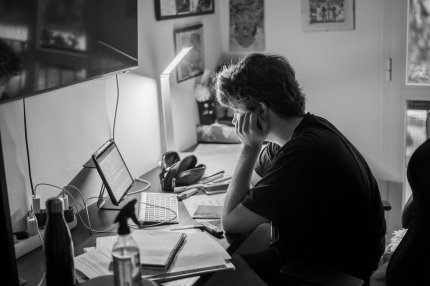
Myth 1. Burnout only occurs in people who work a lot.
Excessive workload is an important factor, but insufficient control over work, conflict, unfair treatment and lack of support are also important.
Myth 2. Just take a vacation and everything will pass.
Taking a vacation can provide a temporary reprieve. However, if work conditions remain the same upon return, stressors may continue to affect your well-being.
Myth 3. Strong people don't burn out
Burnout is not a sign of weakness. It is associated with chronic work stress and can occur in a variety of professional environments.
Myth 4. Meditation will help regardless of work conditions
Relaxation practices can be helpful, but are no substitute for making changes to excessive workload, toxic communication, or unsafe working conditions.
Myth 5. Constant fatigue always means burnout
Prolonged fatigue can be associated with diseases, sleep disorders, and other causes. If you experience these symptoms, you should consult a doctor.
How to prevent burnout in the long term
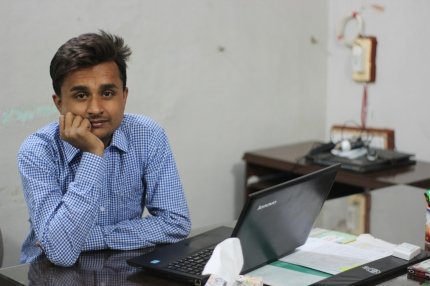
The most sustainable results are possible when personal and organizational changes are combined.
For the employee, this means realistic planning, sufficient rest, attention to one's own condition, and timely discussion of overload.
For the employer, clear job responsibilities, sufficient resources, predictable schedules, constructive leadership, and procedures for responding to conflicts and harassment.
It is especially important to regularly assess whether the actual amount of work corresponds to the available time.
If a person systematically works beyond their normal schedule and tasks just pile up, the problem is unlikely to go away with a better planner.
Burnout prevention is not about the ability to withstand increasing workloads, but about creating conditions under which work does not require constant exhaustion.
Conclusion
To avoid professional burnout, you need to recognize early signs of overload and change its causes in a timely manner.
The most important components of prevention are sufficient sleep, regular breaks, realistic work priorities, physical activity, support from loved ones, and the opportunity to discuss workload with management.
At the same time, individual habits do not replace the employer's responsibility for organizing a healthy working environment.
If exhaustion lasts for weeks, significantly affects daily life, or is accompanied by other symptoms, it is important to go beyond advice about rest and seek medical evaluation.

FAQ: Frequently Asked Questions about Fatigue and Burnout
How do I know if I have emotional burnout?
Burnout is characterized by a combination of exhaustion, a negative or detached attitude toward work, and a decreased sense of self-efficacy. However, these symptoms can overlap with other conditions, so it is not a good idea to self-diagnose.
How to quickly get rid of fatigue after work?
Rest, food, plenty of fluids, a leisurely walk, and sleep can provide short-term relief. If fatigue is related to chronic overwork, changes in work routine and recovery are needed, not just one-time relaxation techniques.
Is it possible to overcome burnout without quitting?
Yes, if there is an opportunity to change the workload, schedule, division of responsibilities, or other stressors. However, in some situations, broader organizational changes are necessary. The outcome depends on the specific circumstances.
How long does it take to recover from burnout?
There is no universal time frame. It depends on the duration of stress, the severity of symptoms, your health, and the ability to eliminate stressors. Promises of full recovery in seven or ten days are not well-founded.
Why am I always tired, even if I get enough sleep?
Causes can include sleep quality, stress, sleep-disordered breathing, anemia, endocrine disorders, and other conditions. If fatigue lasts for several weeks or interferes with daily life, you should see a doctor.
Does sport help with emotional burnout?
Moderate physical activity supports mental and physical health, but is not a stand-alone treatment for burnout. The load should be selected according to the person's condition and existing medical limitations.
What to do if you don't have the strength to work?
First of all, it is worth assessing sleep, well-being and current workload. If possible, you should review your priorities, take a break and discuss the scope of tasks with your manager. If the condition is severe or prolonged, a medical evaluation is important.
How to avoid burnout while working remotely?
A defined work schedule, regular breaks, agreed-upon communication rules, and separation of work and personal time help. It is equally important that the volume of tasks corresponds to the employee's real capabilities.
Can a vacation help with burnout?
Vacation can reduce temporary exhaustion and allow for recovery. However, if the underlying causes of chronic stress remain the same, the problem may return after the vacation is over. Therefore, it is also important to review your work environment.
When should you see a doctor if you have constant fatigue?
If fatigue lasts for several weeks without an obvious cause, significantly limits daily activities, or is accompanied by other symptoms, seek immediate attention for dangerous symptoms, including severe chest pain, severe shortness of breath, or thoughts of self-harm.
The material is for informational purposes only and does not replace medical advice. According to the WHO classification, burnout is a work-related phenomenon, not a separate medical diagnosis. Constant fatigue, sleep disturbances, anxiety and other symptoms can have various causes. Self-medication can be harmful to health. If persistent symptoms appear, you should first consult a doctor.

