
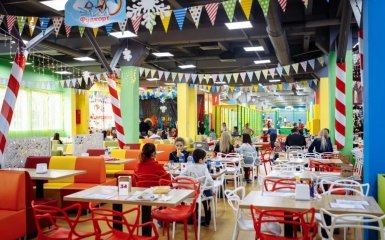
Choosing a developmental center for a child often starts with simple things: close to home, beautiful photos, convenient schedule, advice from friends. But for a child, other things are more important: whether the space is safe for him, whether the program is age-appropriate, how the teacher reacts to tears or fatigue, and whether there is a gentle adaptation.
Points of attention
- If your child isn't ready for a group format yet, it's not a problem. Sometimes it's better to start with shorter sessions, individual counseling, or just give them more time.
- It may be normal for a child to watch from the sidelines at first. For many children, watching is part of the adjustment process.
- For a young child, a journey that is too long can negate the benefits of even a good program. If the child is already overtired after the route, it is worth reviewing the time or format.
A children's development center in Chernivtsi can be a good solution for socialization, preparation for kindergarten or school, development of speech, creativity and independence. At the same time, not every format is suitable for every child. Below are practical criteria that will help you evaluate the center without haste and unnecessary expectations.
Where to start choosing: the child's needs and parents' expectations
Before looking for a development center in Chernivtsi based on reviews or location, you should answer a few questions:
How old is the child and what is their experience with group classes?
Does she stay with new adults easily or does she need time?
The purpose of the classes is socialization, preparation for school, creativity, movement, speech, getting used to the regime?
Does the child tire easily or does he/she cope well with activities?
Are there any special educational, behavioral, speech, or medical needs?
For one family, a center with short play sessions twice a week would be the best option. For another, a school preparation program in Chernivtsi with a clear program, tasks, and gradual development of skills would be the best option. For toddlers, safe contact with a teacher, predictability, and the opportunity to play alongside other children are often more important than the "result."
Don't choose a center just because "everyone else is going." If your child isn't ready for a group format yet, it doesn't mean there's a problem. Sometimes it's better to start with shorter classes, individual counseling, or just give them more time.
Class schedule: what looks good and what should be a concern
A quality developmental program doesn't have to be complicated. For preschoolers, play, movement, sensory experience, speech, creativity, music, fine motor skills, communication, and breaks for rest are important.
It is good if the program:
corresponds to the age of the children;
has a clear goal, but does not put pressure on the result;
combines active and calm parts;
does not overload the child with writing, math, or academic tasks too early;
leaves room for play, choice and independence;
takes into account the attention span of children of a certain age.
Promises like “we will teach you to read in a month,” “we will guarantee to prepare you for school,” “we will develop genius” should be on the alert. Development depends on many factors: age, regularity, the child’s condition, family environment, and the quality of the pedagogical approach.
Questions to ask about the program
Before recording, ask:
What age group is the group for?
What is the structure of one lesson?
How long does the active part last and are there any pauses?
Do children get homework?
How does a teacher act if a child does not want to do an exercise?
Is it possible to see a monthly lesson plan or a general program?
How are parents informed about progress without comparing with other children?
If the administration responds specifically, without pressure or excessive promises, this is a good sign.

Teachers and communication with parents
The qualifications of a teacher are often more important than a beautiful interior. A person who works with children must understand age-related characteristics, be able to maintain contact, explain in simple words, not shame the child or punish him for natural reactions.
It is worth asking about:
education or specialized training of teachers;
experience working with children of the appropriate age;
approach to discipline;
rules regarding tears, protest, refusal to participate;
communication with parents after class;
working with children who need longer adaptation.
A good teacher doesn't promise that a child will "never cry." But he can explain how he helps a child calm down, how he involves them in the group, and when he advises parents to be there.
How to understand a teacher's approach in a trial lesson
During a trial lesson, pay attention not only to whether the child completed the task. Other things are more important:
the teacher addresses the child by name;
does not compare her to others;
does not ridicule mistakes;
gives time to turn on;
notices fatigue or fear;
explains the rules calmly;
does not force contact.
It may be normal for a child to watch from the sidelines at first. For many children, watching is part of the adjustment process.
Room safety and rules of stay
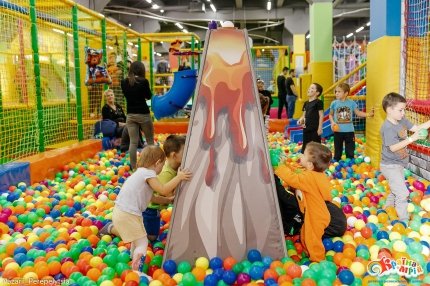
Childcare safety is not just about clean floors and new toys. Parents should evaluate the entire space and the rules by which it operates.
Pay attention to the following criteria:
entrance control: who can pick up the child, are adults checked;
furniture according to age, without sharp corners or unstable structures;
toys without small dangerous parts for toddlers;
cleanliness of the bathroom, play area, carpets, materials;
ventilation and comfortable temperature;
availability of a first aid kit and a clear procedure in case of injury;
disease rules: are they asking not to bring a child with obvious symptoms of infection;
algorithm of actions during an air alarm;
availability of shelter or safe route according to the organizational capabilities of the institution.
Don't be afraid to ask direct questions. A center that operates transparently will usually calmly explain safety rules.
Child adaptation: what a soft start should look like
A child's adaptation to classes can take different lengths of time. Some children are included from day one, others need several visits, and some need a longer presence of mom or dad nearby.
A soft start may include:
trial lesson without obligation;
shorter first visit;
the opportunity for parents to be there at the beginning;
gradual increase in time;
getting to know the teacher before the start of the group;
a stable farewell ritual;
calmly explaining to the child where they are going and when they will be picked up.
It is normal for a child to be anxious, stay close to their parents, or not participate immediately. However, if after classes, sleep regularly worsens, appetite disappears, severe fear appears, tantrums appear before each visit, or there is a noticeable regression in behavior, it is worth taking a break and discussing the situation with the teacher. If necessary, you can contact a child psychologist or pediatrician.
Group size, age of children and class format
Preschool groups in Chernivtsi can vary in format: mini-groups, large groups, individual classes, comprehensive early development, creative or motor areas.
Toddlers are usually more comfortable in small groups where the teacher can observe the condition of each child. For older preschoolers, a group format can be useful for communication, taking turns, common rules, and preparing for school.
It is important to clarify:
how many children are in the group;
how many adults work with the group;
whether they bring together children of different ages;
what to do if the child is tired;
Is it possible to change the group if the format doesn't suit you?
Homogeneity by age is not always necessary, but activities for two-year-olds and five-year-olds should be significantly different. If everyone is offered the same exercises, this is a reason to ask additional questions.
Location in Chernivtsi: not only close to home
Location is really important, especially if classes take place after school, work, or during busy city hours. But “closest” doesn’t always mean “most convenient.”
Rate:
how long does the road take in real conditions;
Is the route safe to walk?
Is it convenient to get there by public transport?
Is there a place for a short stop if you are carrying a child?
whether the lesson falls at a time when the child is usually sleeping or very tired;
Is it convenient to combine the schedule with kindergarten, work, and other clubs?
For a young child, a journey that is too long can negate the benefits of even a good program. If the child is already overtired after the route, it is worth reviewing the time or format.
Red flags when choosing a center
When choosing a daycare center for toddlers, you should be wary if you notice the following signals:
the administration avoids answers about safety, teachers, or the program;
parents are not allowed to view the premises before recording;
the child is forced to work because of crying without explanation or support;
the teacher shames, compares or ridicules children;
promise a guaranteed quick result;
there are too many children in the group for one adult;
the space looks unsafe or untidy;
there are no clear rules regarding illnesses, injuries, anxieties, and handing over a child to parents;
parents are pressured to pay “right today”;
do not take into account the individual characteristics of the child.
One flaw doesn't always mean a center is bad. But several of these signs together are a reason to look for another option.
Checklist for parents before registration
Before you finally choose a class for children in Chernivtsi, go through a short checklist.
About the child:
Is the format appropriate for age and temperament?
Does the activity coincide with a time of sleep or extreme fatigue?
Is there a possibility of gradual adaptation?
About the program:
Is the purpose of the lesson clear?
Is there a balance of play, movement, creativity, and quiet activities?
Are there any unrealistic promises?
About teachers:
Do they openly talk about their experience and approach?
Do they not use shame or pressure?
Are you ready to discuss adaptation?
About safety:
Is the premises clean and safe?
Are there any rules for entry and transfer of a child?
Is the algorithm of actions explained in the event of an injury or air alarm?
About the organization:
Is the location in Chernivtsi convenient?
Are the payment and pass conditions transparent?
Can I attend a trial class for my child?
If most of the answers are clear and do not cause internal tension, the center can be considered more seriously.
FAQ
From what age can you take a child to a development center?
It depends on the format of the classes and the child's readiness. For toddlers, short play sessions, the presence of a close adult at the start, and the absence of pressure are important. If the child has difficulty tolerating new places, it is better to start gradually.
Is a trial lesson mandatory?
Desirable. A trial lesson helps to evaluate not only the program, but also the atmosphere, the teacher, the child's reaction, the safety of the space, and the style of communication with parents.
What to do if a child cries during class?
First, find out the reason: fear, fatigue, hunger, overload, difficult goodbyes, or an inappropriate format. Crying at the start may be part of adaptation, but it should not be ignored. Discuss a gentler entry plan with the teacher.
How often should you attend classes?
There is no universal frequency. For some children, 1-2 times a week is enough, while others feel better with a more regular, but not overloaded, schedule. Focus on age, regime, sleep, mood, and overall workload.
Is it necessary to prepare for school in Chernivtsi at a development center?
It can be helpful if the program is age-appropriate and not limited to just writing and arithmetic. Attention, speech, independence, the ability to listen to instructions, and interaction with children and adults are also important.
How to check the safety of a childcare center?
Ask to be shown the room, clarify the rules for entry, transfer of the child, actions to take in case of injury, illness or air alarm. Evaluate the furniture, toys, cleanliness, bathroom and whether the space is appropriate for the children's age.
What to ask about teachers?
Ask about education, experience, working with children of a certain age, approach to discipline, reaction to crying and refusal to participate. It is important that the teacher can explain their actions in simple terms.
Is the development center suitable for a child with special educational needs?
Sometimes yes, but it depends on the child's needs, the teachers' training, the size of the group, and the center's willingness to adapt the format. Before signing up, it is worth discussing the situation with the administration, and if necessary, with specialized specialists or an inclusive resource center.
Conclusion
To choose a development center for your child, it's not enough to look at the photos, price, and schedule. It's important to evaluate the program, teachers, safety, adaptation, group size, and real convenience for the family.
The best children's development center in Chernivtsi is not the one that promises the fastest results, but the one where the child is safe, understandable and interesting, and parents receive honest answers. Observe the child after classes: his mood, sleep, appetite and desire to return often say no less than the program on paper.
Informational disclaimer: the material is for informational purposes only and does not replace individual consultation with a pediatrician, child psychologist, speech therapist, special education teacher, or other specialist. If a child has medical, speech, behavioral, or special educational needs, the format of the classes should be selected individually.

