
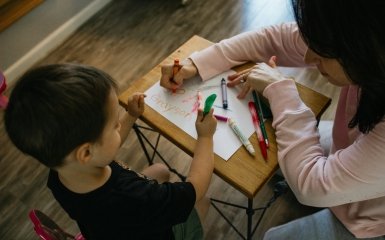
Choosing a kindergarten is not only a matter of price, area, or beautiful photos on social media. For a child, safety, a stable regime, attentive adults, clear rules, and a space where they are not embarrassed for their emotions are important. For parents, transparent communication, a contract, trust in educators, and the feeling that questions are answered honestly are important. A private kindergarten in Ternopil can be a good solution for a family if its conditions match the child's needs. But you should choose not based on promises, but on specific criteria.
Where to start choosing a private kindergarten
Before signing up for a screening, it's a good idea to briefly describe your child's needs. This will help you avoid getting lost among the options and choosing a kindergarten based solely on the principle of "closer" or "more expensive means better."
Pay attention to the following questions:
how old is the child and whether he or she has experienced separation from his or her parents;
what is her temperament: active, cautious, sensitive, sociable;
whether you need a full day, half day or flexible schedule;
Are early pick-up, late pick-up, meals, and daytime sleep important?
Are there any allergies, dietary restrictions, or health conditions that need to be discussed?
How convenient is it for the family to get to kindergarten every day?
For one family, a kindergarten close to home or work will be key. For another, a small group, an unhurried adaptation, or a teacher who knows how to work with anxious children. Choosing a good kindergarten for your child starts with an honest understanding of their needs.
Kindergarten safety: what to check during a visit
A safe kindergarten is not just closed doors and a tidy room. It is a system of rules: who can pick up a child, what to do during an air alarm, what to do in case of an injury, how to supervise the walk, and whether the employees know first aid algorithms.
During your visit, please pay attention to:
access control: can an outsider freely enter the premises;
rules for handing over a child to parents or trusted persons;
condition of stairs, floors, furniture, sockets, windows;
age-appropriate safety of toys and small objects;
cleanliness of bathrooms, hand washing areas, and food areas;
walking area: fencing, covering, condition of equipment;
having a clear plan of action during an air alarm;
availability of a first aid kit and procedures for dealing with injuries or feeling unwell.
Don't be afraid to ask direct questions. The administration of a quality institution usually calmly explains the rules and doesn't perceive parents' interest as distrust.
Questions to the administration about security
During the introduction, you can ask:
Who has the right to pick up a child from kindergarten?
How do you verify the identity of the person who came to pick up the child?
Where are the children during an air raid?
Is there a written emergency response plan?
Who provides first aid before the arrival of doctors?
How do parents report an injury, fever, or conflict?
Are incidents recorded and how are they discussed with the family?
If these questions are answered vaguely or irritatedly, this is a reason to take a closer look at the institution.
Tutors and nannies: how to assess professionalism
Kindergarten teachers are a major factor in a child's daily experience. Even a beautiful classroom cannot compensate for rudeness, shouting, or indifference. Conversely, a calm, attentive adult helps a child adapt more easily, learn to interact, and feel secure.
Ask them to tell you about the team:
What education or specialized training do educators have?
what experience do you have working with children of the appropriate age;
how many adults are with the group during the day;
how caregivers react to crying, refusal to eat, conflicts;
Does the institution have internal rules for communication with children?
how parents receive feedback.
During the visit, it is important not only to listen to the answers, but also to observe. What tone do adults use when speaking to children? Do they get down to eye level? Do they explain the rules, rather than just give orders? Do they shame the child for tears, slowness, or mistakes?
The professionalism of a teacher is not manifested in perfect silence in the group, but in the ability to maintain order without humiliation and fear.
Conditions of stay: groups, space, sleep and walks
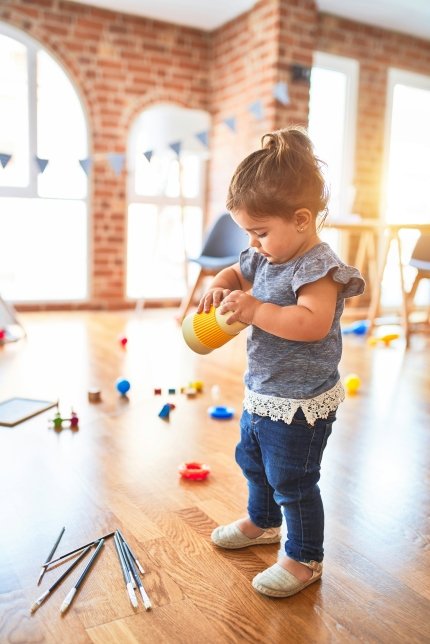
The conditions in a private kindergarten should correspond to the age of the children and the real daily routine. It is important to look not only at the reception or the "most beautiful" room, but also at all the areas where the child will spend time.
Rate:
Is there enough space for play, movement and rest?
Is there a separate or comfortable area for daytime napping?
Is the furniture appropriate for the children's age?
Are the rooms ventilated?
is there a place for personal belongings;
Are toys, books, and creative materials available to children?
Is the space overloaded with decor and objects?
how the toilet and hand washing are organized.
Specify the number of children in the group and the number of adults separately. A small group can be an advantage, but in itself does not guarantee quality. What is important is how the day is organized and whether each child receives enough attention.
Walks are also important. Ask how often the children go for walks, what weather conditions they stay indoors in, who accompanies the group on the playground.
Child nutrition and health
Kindergarten meals should be clear to parents. Ask to see an example menu and explain how the institution works with allergies, individual restrictions, or a child's refusal of certain foods.
It is worth clarifying:
who makes the menu;
where the food is prepared or who supplies it;
how products are stored;
is there information about allergens;
Is drinking water available throughout the day?
Do they notify parents if the child has barely eaten?
what to do if a child has a fever or signs of illness.
If your child has a food allergy, chronic condition, or special medical needs, don't just talk to them. Discuss this with your pediatrician and the daycare center, and if necessary, put important details in writing.
The kindergarten should not prescribe medication or give medical advice on its own. Any treatment issues should be discussed with the doctor and parents.

Adaptation to kindergarten
Adapting to kindergarten is a process that varies from child to child. Some children adapt quickly to the group, while others need more time, predictability, and support.
It's good if a private kindergarten in Ternopil offers a gradual entry:
short first visits;
the opportunity for parents to be nearby or remain available for a certain period of time;
gradual increase in the length of the day;
gentle introduction to the teacher and the group;
a stable farewell ritual;
regular feedback on the child's condition.
Crying in the first few days doesn't always mean that the kindergarten isn't right for you. But it's important how adults react to it. If a child is shamed, abruptly separated from their parents, ignored, or told "everyone will get used to it," this is not the best signal.
It is worth being wary if, after visiting kindergarten, a child has sudden changes in sleep, appetite, behavior, or is very afraid of a particular adult for a long time. In such situations, it is better to calmly talk to the teachers, observe, and, if necessary, consult a child psychologist.
Educational program without overload
Preschool education is not about chasing early reading, foreign words, or a dozen clubs. For preschoolers, play, movement, speech, sensory experience, creativity, self-care, emotional security, and communication with peers are important.
Ask how the day is structured:
how much time children play freely;
what are the classes and how long do they last;
is there physical activity;
how speech, attention, and fine motor skills are developed;
Is there creativity without a "good/bad" evaluation?
how older preschoolers are prepared for school;
Do they take into account the age and fatigue of children?
A busy schedule may look appealing, but too much activity is not always beneficial. If the schedule lacks play, walks, and rest, it’s worth checking how the facility prevents overwork.

Contract, payment and rules
Before you finally choose a kindergarten for your child in Ternopil, read the contract carefully. Verbal agreements are easily forgotten, and written rules help avoid misunderstandings.
Please note:
what exactly is included in the monthly payment;
is there an entry fee or additional payments;
how sick leave is paid for;
whether a refund is provided in the event of termination of the contract;
how to arrange vacations or temporary absences;
what are the rules regarding food, clubs, holidays, materials;
how the institution reports a change in value;
What responsibility of the parties is stipulated in the document.
Don't sign a document if key terms are unclear. You can ask for time to calmly re-read the contract at home.
Red flags when choosing a kindergarten
Not every flaw means that the institution is bad. But there are signs that should be taken seriously.
They can alert:
the administration does not allow inspection of the premises where the children are;
questions about safety are answered with general phrases;
teachers yell at children or humiliate them;
the child is promised to be "quickly trained" without taking into account his condition;
there are no transparent payment rules;
they do not explain who works with children and what training they have;
the group is in chaos, and the adults look exhausted and indifferent;
parents are not informed about conflicts, injuries or poor health;
The institution is pressuring: "You have to pay for your place today, otherwise you will lose your chance."
If you are left with a persistent feeling of opacity after your visit, it is best to consider other options.

A short checklist for a visit to a private kindergarten
Before you look, keep a list of questions to help you compare several establishments without feeling rushed.
Ask about:
The number of children in the group and the number of adults.
Education and experience of educators.
Daily routine: sleep, walks, classes, meals.
Adaptation: how the first days go.
Safety: access, alarms, playground, first aid.
Menu, allergens, drinking regimen.
Communication with parents: daily communication, reporting of incidents.
Photos and videos: how to protect children's privacy.
Contract, payment, passes, additional payments.
Actions in case of a child's illness.
After the visit, it is useful to write down your impressions: what you liked, what you were concerned about, which answers were specific and which were vague. When there are several options, such notes are very helpful.
FAQ
When is it better to send a child to a private kindergarten?
There is no single ideal age. The child's readiness for separation, health status, family needs, and the format of the kindergarten are important. Some children are suited to a short day with gradual adaptation, while others are better off waiting or starting with a few hours.
Is a small group always better?
A small group can give more attention to the child, but quality depends not only on the number of children. The experience of the educators, the organization of the day, safety, space, and attitude towards the children are important.
What is the most important thing to ask about security?
Clarify who can pick up the child, what to do during an air alarm, what to do in case of injury or fever, how walks are supervised, and whether there are clear rules for access to the premises.
How do you know if a tutor is right for your child?
Pay attention to tone, patience, ability to explain rules without yelling, reaction to tears and conflicts. A good sign is when the teacher speaks about the child with respect, not labels.
Do I need to prepare my child for kindergarten in advance?
Yes, gentle preparation can help. It is worth gradually introducing the child to short separations, a regimen, independent eating, hand washing, and changing clothes. But there is no need to intimidate the child with kindergarten or demand instant independence.
What to do if a child cries in kindergarten?
First, find out when she cries: during goodbyes, during the day, before bedtime, or after conflicts. Talk to the teacher, shorten the day for the adaptation period, make goodbyes predictable. If severe stress continues, it is worth reviewing the pace of adaptation.
Should I choose a kindergarten only near my house?
Location is important because the daily commute affects your schedule and fatigue. But a kindergarten nearby is not always the best option. It is better to combine convenience with checking the safety, team, conditions, and approach to the child.
What to pay attention to in the contract?
Check the payment, additional fees, rules for skips, refunds, price changes, meals, clubs, responsibilities of the parties and the procedure for terminating the contract. If the wording is unclear, ask for an explanation before signing.
Conclusion
Choosing a private kindergarten in Ternopil means finding a place where the child is safe, respected, and parents receive honest answers. You should not focus only on price, renovation, or promises of early development. Much more important are the adults who will be with the child every day, safety rules, transparency of payment, high-quality adaptation, and an atmosphere of trust.
The best kindergarten is not an abstractly "prestigious" one, but one that suits a specific child and family.
Disclaimer: The material is for informational purposes only. Issues of health, dietary restrictions, allergies, special educational needs, or difficult adaptation of a child should be discussed individually with a pediatrician, a specialized specialist, and the administration of the chosen institution.

