

Choosing a veterinary clinic is not just about finding the nearest address on the map. It is important for a pet owner to understand who will examine their pet, what examinations can be done on site, how the clinic works on weekends or in the evenings, and whether it clearly explains the treatment plan. There are different formats of veterinary care in Khmelnytskyi: small offices, multidisciplinary clinics, institutions with diagnostics, surgery, or a hospital. A reliable choice does not depend on loud advertising, but on a combination of several criteria: the competence of doctors, equipment, communication, transparency, and the real experience of other owners.
Why is it better to choose a clinic for an emergency?
When an animal suddenly becomes unwell, the owner often acts under stress: he searches for "veterinary clinic Khmelnytskyi", calls the first facility he finds and does not have time to calmly compare options. Therefore, it is worth preparing a basic contact list in advance.
Check in advance:
address and travel time from your area;
work schedule on weekdays, weekends and holidays;
is there emergency veterinary care?
Does the clinic accept walk-ins in critical cases?
Is it possible to perform basic animal diagnostics on site?
how quickly they respond to calls or messages.
You can choose a convenient time for prevention, vaccination, or a routine checkup. But in case of injury, acute pain, difficulty breathing, cramps, severe bleeding, or suspected poisoning, you should not delay - call the clinic and find out where to go immediately.
Doctors and specialization: what to check before making an appointment
The name of the facility is important, but the veterinarian plays a key role. A good veterinary clinic usually openly explains who is in charge of the appointment, what patients the doctor works with, and when a referral to a specialist is needed.
It is worth paying attention to the following signs:
the doctor asks clarifying questions and does not make hasty conclusions;
explains why the examination, analysis or procedure is needed;
does not promise a guaranteed result where it depends on the condition of the animal;
is ready to provide an extract, examination results and a plan for further action;
recognizes the limits of his/her competence and, if necessary, recommends consulting a specialized specialist.
For a cat or dog with basic needs - vaccinations, check-ups, and parasite treatments - a general practitioner is often sufficient. But for more complex issues, a surgeon, dentist, dermatologist, cardiologist, ophthalmologist, or exotic animal specialist may be needed.
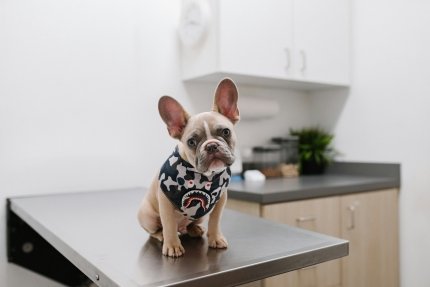
What questions to ask the administrator or doctor
Before the first entry, you can briefly clarify:
Does the clinic accept animals of your species and age?
Is there a doctor who specializes in your problem?
What tests are available on site?
Can I get written appointments and test results?
How is an emergency appointment done?
Do I need to register in advance?
What is the approximate cost of the initial examination and basic procedures?
Answers don't have to be perfectly "salesy." It's more important that they be specific, calm, and clear.
Equipment and diagnostics: what really matters
Not every veterinary clinic for cats or dogs needs to have a full suite of sophisticated equipment. But the facility should clearly explain what can be done on site and what requires a referral to another clinic or laboratory.
For many situations, the following can be useful:
laboratory tests of blood, urine or other basic research;
Ultrasound to evaluate internal organs;
X-ray, especially in case of injuries or suspicion of a foreign body;
equipment for safe anesthesia and monitoring;
dental equipment, if professional cleaning or dental treatment is required;
means for infusion therapy and stabilization of the condition;
a separate area or rules for working with infectious patients.
If a clinic does not have a certain device, this is not always a minus. Honesty is more important: the doctor should explain whether the available diagnostics are sufficient, or whether it is worth going to a place where the necessary equipment is available.
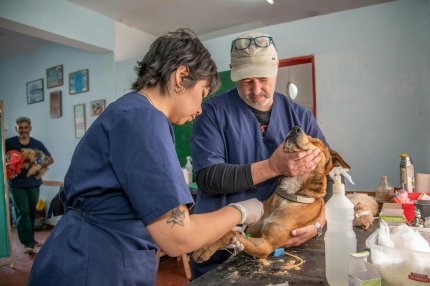
Emergency care, duty and schedule
The query "24-hour veterinary clinic Khmelnytskyi" often appears exactly when the animal already needs help. However, the word "24-hour" or "on call" is worth checking: sometimes it is a full-fledged night reception, sometimes - a telephone consultation or a visit by appointment.
When calling, please specify:
Is there a doctor in the clinic right now?
Do they accept appointments without prior appointment?
Are X-rays, ultrasound, and laboratory services available outside of business hours?
whether emergency surgeries are performed if necessary;
Is it possible to leave the animal under supervision?
how to act before arrival without using medication yourself.
Urgent care may be necessary for difficulty breathing, seizures, loss of consciousness, significant bleeding, trauma, suspected poisoning, severe abdominal distension, inability to urinate, severe vomiting or diarrhea, especially in puppies, kittens and older animals. A veterinarian should make the final assessment.
Sanitation, safety and animal handling
During your first visit, pay attention not only to repairs or signage. For veterinary care for animals, cleanliness, organization of the reception, and calm treatment of the patient are important.
Signs of a responsible approach:
the room is clean, there is no sharp, persistent smell of dirt;
surfaces after patients are treated;
staff wash or treat their hands, use gloves as needed;
infectious patients are not mixed uncontrollably with others;
the animal is fixed without excessive roughness;
the owner is explained what they will do and why;
for cats, small dogs or frightened animals trying to reduce stress.
If your pet is afraid of clinics, let them know before the appointment. Sometimes you can choose a less busy time or come with a carrier, blanket, and a familiar scent.
Transparency of prices and treatment plan
Veterinary services in Khmelnytskyi may vary in price depending on the clinic, complexity of the case, examinations, medications, and need for hospitalization. It is not always possible to name the final amount before the examination, but the owner has the right to understand the logic of the costs.
Reliable communication looks like this:
the doctor explains the preliminary plan: examination, tests, treatment, control;
before the procedure, states the approximate cost or range;
warns of possible additional costs;
explains alternatives, if any;
does not put emotional pressure on the owner;
obtains consent before manipulations, especially invasive or expensive ones.
A low price does not always mean a benefit, and a high price does not always guarantee quality. Evaluate not only the amount, but also what is included in the service: examination, consumables, anesthesia, monitoring, postoperative control, discharge.
Medical documentation and monitoring
After the appointment, the owner should receive clear instructions: names of drugs, dosage, frequency, duration, method of application, and conditions for re-application. If tests or diagnostics were performed, it is worth asking for the results in paper or electronic form.
Keep:
animal passport and vaccination data;
test results;
ultrasound, X-ray or other examination results;
discharge after operations;
information about allergic reactions or drug intolerance;
a list of regular medications, if the animal is taking them.
This is especially important for older animals, patients with chronic conditions, and those who may see multiple specialists. A complete history helps avoid duplication of examinations and inaccuracies.
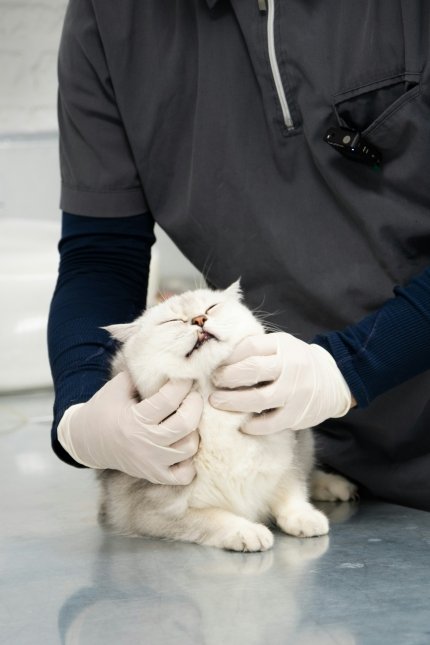
How to correctly read reviews about veterinary clinics in Khmelnytskyi
Reviews about veterinary clinics are useful, but they should be evaluated critically. One emotional story does not always reflect the systemic quality of work, and a large number of short, similar comments also do not always give a complete picture.
Pay attention to repeating signals:
Are doctors' attentiveness often mentioned?
Are diagnostics and treatment explained to owners?
Are there any complaints about rude treatment?
Are there recurring complaints about opaque prices?
how the clinic responds to negative reviews;
Are specific situations described, not just "everything is great" or "terrible"?
Are there any fresh reviews, not just old ones?
It is useful to compare several platforms: maps, social networks, the clinic's website, local communities. But the final decision is best made after a call or the first scheduled visit.
Checklist for the first call or visit
Before choosing a veterinary clinic in Khmelnytskyi for constant monitoring, go through a short checklist.
During a call:
Does your animal accept your age, species, and problem?
When is the next available recording?
What is included in the initial examination?
Is on-site diagnostics required?
How does the clinic work on weekends or in the evenings?
What should I do if my condition worsens before I receive treatment?
During the visit:
Does the doctor take a careful history?
Does he examine the animal completely, not just "by eye"?
Does it explain possible causes of the condition without making definitive conclusions before diagnosis?
Does the action plan clearly describe it?
Does the appointment come in writing?
Are you comfortable asking questions?
If there is still much that is unclear after the visit, you can ask for additional explanation or seek a second opinion.
Typical mistakes owners make when choosing a clinic
The most common mistakes are not always obvious. They can cost time, money, and additional stress for the animal.
Choosing only by proximity. The nearest clinic is convenient, but does not always have the necessary specialist or equipment.
Focus only on price. A cheaper procedure may not include diagnostics, materials, or monitoring. A more expensive option should also be evaluated based on the content of the service.
Trusting only the rating. The average rating without analyzing the content of the reviews says little.
Lack of documentation. If the owner does not keep records and tests, every new doctor starts with a minimum of information.
Self-medication before examination. Human medications or "forum advice" can be dangerous for animals. This is especially true for painkillers, antibiotics, and anti-vomiting or anti-diarrhea medications.
Late treatment. If the animal's condition is rapidly deteriorating, it is better to contact the veterinarian immediately, rather than waiting for it to "go away on its own."

FAQ
Is it necessary to choose a veterinary clinic near your home?
Not necessarily. For routine checkups, you can travel a little further if you are comfortable with the doctors, service, and diagnostics. But for emergencies, it's a good idea to have the contacts of a clinic you can get to quickly.
How do I know if a clinic really accepts emergencies?
Call and find out if a doctor is available, what tests are available at that time, whether they accept walk-ins, and what to do before you arrive. The word "on call" does not always mean full 24-hour reception.
Can you trust reviews about veterinary clinics?
Yes, but critically. Evaluate not only the stars, but also the content: specifics, recurring complaints or benefits, the clinic's response to comments, and the relevance of the reviews.
What to bring to your first vet appointment?
Take the veterinary passport, previous tests and discharge notes, a list of medications the animal has taken, information about diet, vaccinations, parasite treatments, and symptoms with the approximate time of appearance.
Is a narrow specialization of a doctor necessary?
Depends on the problem. For prevention, a general practitioner is often sufficient. For complex conditions, surgeries, heart, skin, eye, dental, or exotic animal problems, a specialist may be needed.
What to do if the cost of treatment is unclear?
Ask to be explained what the amount consists of: examination, tests, medications, procedures, hospitalization, follow-up visits. It is normal to clarify the approximate cost before the procedure begins.
When should you seek a second opinion?
A second opinion is appropriate for a complex diagnosis, expensive or risky treatment, planned surgery, lack of improvement, or if the rationale for the appointments was not explained to you. Bring all documents and examination results with you.
Should I change clinics if I didn't like the first visit?
If the problem is communication, opaque pricing, rude treatment, or lack of documentation, it is worth considering another option. If the issue is complex, sometimes it is enough to ask for an explanation or make an appointment with another doctor in the same clinic.
Conclusion
To choose a veterinarian in Khmelnytskyi, evaluate not one factor, but a set of characteristics: the qualifications of doctors, available diagnostics, schedule and duty, price transparency, quality of communication, sanitation, and the content of reviews. It is best to check the clinic during a scheduled visit, and not when the animal already needs urgent help.
Keep contact information for several facilities: a primary clinic for regular follow-up and an emergency clinic. This will help you act more calmly and quickly if your pet needs help.
Disclaimer: The material is for informational purposes only and is not a substitute for examination, diagnosis, or consultation with a veterinarian. If your pet's condition worsens or there are signs of an emergency, contact your veterinarian as soon as possible.

