
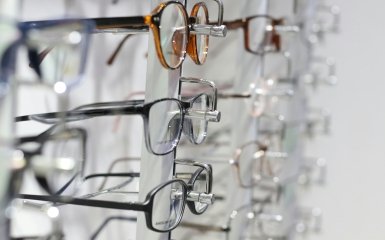
Choosing an optician is not just about finding a beautiful frame or the lowest price. The quality of the eye exam, the correct selection of lenses, the accuracy of the fitting, and clear guarantees determine whether the glasses will be comfortable at work, driving, studying, or for everyday use. In Ivano-Frankivsk, you can find different formats of opticians: from small salons to chain stores with an eye exam room. In order not to make a mistake, you should evaluate not only the assortment, but also how they work with you before and after the purchase.
What should be the characteristics of reliable optics?
A good optician in Ivano-Frankivsk should be clear to the client. They should explain to you who is performing the eye test, what parameters will be determined, which lenses fit your prescription, and what is included in the order price.
Signs of reliable service:
there is an opportunity to have your vision checked or bring a current prescription;
the specialist explains the parameters without pressure to buy;
the consultant warns about the limitations of a specific frame or lenses;
before payment you are told the full cost of the order;
they issue a receipt, warranty documents and glasses parameters;
after manufacturing, the glasses are checked and the fit is adjusted;
There are clear conditions for repair, replacement, and fit correction.
It is a situation that should alert you when you are immediately offered "universal" lenses, without specifying your lifestyle, without explaining the difference between the options, or without refusing to record the terms of the order in writing.
Vision screening: what to ask before making an appointment
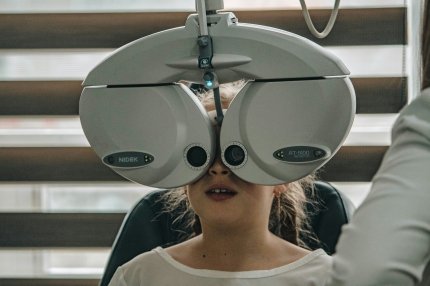
Vision check Ivano-Frankivsk is one of the most common requests, but it is important to understand that the service may differ in content. In one optician, it is a basic check for selecting glasses, in another - a more extensive consultation with an ophthalmologist.
Before recording, it is worth clarifying:
who conducts the examination: an ophthalmologist, optometrist, or other trained professional;
whether they select glasses for distance, reading, computer, driving;
whether the interpupillary distance is determined;
whether astigmatism is checked;
Do they issue results or a prescription in person?
Is it possible to come with old glasses for comparison?
Is advance registration required?
If you have complaints of pain, sudden vision loss, double vision, flashes, eye injury, severe redness, or symptoms in your child, it is better not to limit yourself to an optician's checkup. Such situations require evaluation by an ophthalmologist.
Eyeglass screening and medical examination: what's the difference?
Choosing glasses is usually about determining the optical correction: which lenses help you see more clearly at the right distance. This is important, but it does not always replace a full medical examination.
An eye exam may include a more comprehensive assessment of your eyes, depending on your symptoms, age, underlying medical conditions, and medical history. Therefore, if you have unusual symptoms or chronic conditions, it is a good idea to see a doctor.
How to understand your eyeglass prescription
A prescription for glasses may look complicated, but the basic notations help you understand what you are ordering. You should not change the settings yourself - this should be done by a specialist. But you have the right to ask for an explanation.
Most often, the recipe indicates:
SPH / sphere - optical power of the lens for nearsightedness or farsightedness;
CYL / cylinder - astigmatism correction parameter, if any;
AX / axis - direction of cylindrical correction;
PD / interpupillary distance - important for proper lens centering;
ADD - additional reading power, often used in progressive or bifocal lenses;
purpose of glasses: for distance, reading, office, permanent wear, etc.
If you are not given the parameters or are told that “only the master needs them,” this is a reason to ask additional questions. It is important for the client to understand what exactly he is ordering.
Lenses for glasses: how to choose without overpaying
Eyeglass lenses are not only selected based on their power. The material, thickness, coating, type of work, habits, and frame are also important. The most expensive option is not always necessary, and the cheapest one may be inconvenient under certain conditions.
What to pay attention to:
lens material - modern polymer lenses are lighter than mineral ones, but require high-quality coating against scratches;
thinning index - may be important with high diopters so that the glasses are not too heavy or thick;
lens design - single vision, office, progressive, sun protection with diopters;
coating - affects glare, care, scratch resistance, lighting comfort;
Frame compatibility - not every lens fits well with thin, rimless or very large frames.
Progressive lenses can be convenient for people who need correction at different distances, but not everyone adapts to them the same way. Office lenses can be useful for desk work, but they are not a replacement for distance or driving glasses if a different correction is needed.
What coatings can really be useful?
They most often offer anti-reflective coating, scratch resistance, hydrophobic layer, photochromic, polarization, UV protection, or filters for working with screens.
The practical approach is as follows:
Anti-glare may be useful for driving and working with lighting;
Scratch resistance and easy cleaning are important for daily wear;
for the sun - UV protection, and if necessary, polarization;
photochromic lenses may be suitable for frequent transitions from indoors to outdoors;
For a computer, it's worth discussing not only coverage, but also the correct correction and working distance.
Don't buy all the coverages at once just because they're on the price list. Ask them to explain what problem each one solves in your specific case.
Frame: comfort is more important than the photo in the mirror
Eyeglass frames are often chosen for their design, but comfort and prescription compatibility are just as important. Even high-quality lenses can be uncomfortable if the frame slips, presses on the bridge of your nose, or sits crookedly.
When trying on, check:
Do the ear hooks press against the ears?
Do nose pads leave painful marks?
whether the lenses touch the eyelashes or cheeks;
Does the frame slip when you tilt your head?
does the width of the frame match the width of the face;
Is there enough space for the desired type of lens?
Will the finished product be too heavy?
For high prescriptions, very large frames can make the lenses thicker and heavier. For progressive lenses, sufficient frame height is important. For children's glasses, durability, fit, and safe materials are especially important.
Contact lenses: why you shouldn't buy them "with a prescription for glasses"
Contact lenses are not just rimless glasses. They come into contact with the surface of the eye, so they require special fitting, hygiene training, and tolerance testing.
A prescription for glasses does not always work for contact lenses. The power of correction, fit, radius of curvature, diameter, wearing mode, and material may differ.
Before buying contact lenses, it is worth getting a consultation from a specialist and understanding:
how to properly put on and take off lenses;
how often to replace them;
what solution to use, if needed;
when you can't wear lenses;
What symptoms require immediate removal of lenses and consultation with a doctor?
Do not sleep in your lenses, wear them for longer than recommended, or rinse them with water unless instructed to do so. Improper use can increase the risk of irritation and complications.
Warranties, documents and after-purchase service
The warranty on glasses should be clear before payment. It is important to distinguish between a frame warranty, a lens warranty, a coating warranty, installation warranty, and after-sales service. Terms and conditions may vary from optician to optician, so do not rely on verbal promises.
Please clarify:
what exactly is covered by the warranty;
does it work on mechanical damage;
what happens if a screw falls out or a bracket loosens;
Is it possible to adjust the fit for free?
Is there a guarantee that the recipe will be manufactured correctly?
what to do if you feel uncomfortable in new glasses;
what documents should be kept.
When you receive your glasses, check whether they match your order, whether there are any visible defects, whether the frame fits properly, and whether it is comfortable to look straight ahead and to the side. If you experience discomfort, don't just sit there and wait - contact your optician to check the fit, centering, and compliance with the parameters.
Mistakes when choosing optics in Ivano-Frankivsk
The most common mistakes are usually related to rushing and not asking enough questions.
What is best to avoid:
ordering glasses with a very old prescription without rechecking;
choose frames based solely on appearance;
buy contact lenses without separate selection;
agreeing to lenses and coatings whose purpose has not been explained to you;
not specifying the guarantee before payment;
do not collect the receipt and order parameters;
ignore discomfort in ready-made glasses;
buy ready-made glasses for permanent wear without checking if individual correction is needed.
Ready-made glasses can be a temporary or auxiliary solution for some situations, but they do not take into account all individual parameters. For permanent wear, personal selection is often required.
Checklist before paying for the order
Before paying for custom-made glasses, ask yourself a few simple questions:
Who checked my eyesight and when?
Does this frame fit my prescription?
What type of lenses are offered to me and why?
What coverages are included in the price?
Are there cheaper or simpler alternatives?
What is the total price of the order?
What is included in the warranty?
Do they issue a receipt, warranty document and specs for the glasses?
What should I do if I feel discomfort after receiving it?
A good optician should not be annoyed by such questions. On the contrary, clear answers are a sign of professional service.
When not to postpone an ophthalmologist consultation
Choosing glasses should not replace medical care if there are symptoms that may require a doctor's examination.
See an ophthalmologist if you have:
sharp or sudden vision loss;
eye pain;
eye injury;
doubling;
flashes, "curtain", sudden appearance of a large number of flies;
severe redness, photophobia, or discharge;
complaints about vision in a child;
diabetes, hypertension, or other conditions for which a doctor has recommended regular eye checkups.
In such cases, the issue is not just about diopters. An assessment of the eye condition and further recommendations from a specialist are required.
FAQ
How often should you have your vision checked?
It depends on your age, complaints, health status, and previous doctor's recommendations. If your vision has changed, you feel uncomfortable, or your glasses no longer fit, don't wait for the scheduled appointment - it's better to make an appointment for a check-up.
Can I order glasses with an old prescription?
It is possible if the prescription is current and the vision has not changed, but this is not always safe for comfort. If the prescription is several years old, there are new complaints or the old glasses have become uncomfortable, it is better to repeat the check.
Which is better: cheap or expensive lenses?
The best lenses are those that match your prescription, lifestyle, and frame. More expensive lenses may have better coatings, thinner designs, or more sophisticated optics, but not everyone needs them. Ask to be explained the differences between the options.
Do I need a separate prescription for contact lenses?
Yes, contact lenses usually require a separate fitting. A prescription for glasses does not take into account all the parameters of the lens that comes into contact with the eye.
How long does it take to get used to new glasses?
It depends on the change in prescription, type of lenses, and individual tolerance. Some glasses take people to get used to quickly, while progressive or significantly changed settings take longer. If the discomfort is severe or persists, it is worth seeing an optician for a check-up.
What to do if you get a headache or feel dizzy wearing new glasses?
Do not change your prescription or discontinue use without consulting your eye doctor. Consult an optician to check fit, alignment, and prescription accuracy. If you have additional symptoms, consult an ophthalmologist.
What documents should an optician issue?
It is advisable to have a receipt, warranty document, order parameters or prescription, as well as information about the lenses and frame. This will help when making a warranty claim or when selecting glasses next time.
Can a child's vision be checked at an optician's?
For children, it is better to consult a pediatric ophthalmologist, especially if there are complaints, strabismus, headaches, squinting, or learning problems. Children's vision has its own characteristics, so simply selecting glasses may not be enough.
Conclusion
To choose an optician in Ivano-Frankivsk, evaluate not only the price and range of frames. It is important how the vision test is performed, whether they explain the prescription, whether they help you choose lenses for your real needs, whether they fit the frame, and whether they provide a clear guarantee.
Reliable optics does not pressure the buyer, does not promise universal solutions, and does not hide order parameters. It helps to make a choice that will be comfortable, safe, and practical in everyday life.
Disclaimer: This material is for informational purposes only and is not a substitute for consultation with an ophthalmologist. If you experience pain, sudden vision loss, injury, redness, double vision, symptoms in your child, or other worrisome signs, please consult a doctor.

