
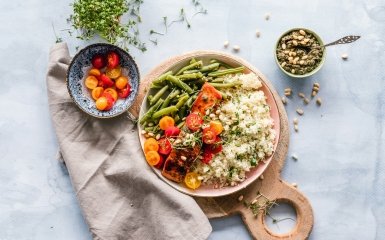
Healthy eating is often associated with expensive foods: salmon, avocado, quinoa, berries out of season and special diet snacks. However, for a balanced diet it is not necessary to regularly buy imported superfoods or products with the “fitness” label. Ordinary buckwheat, oatmeal, beans, eggs, seasonal vegetables, fermented dairy products and affordable types of fish can provide the body with many necessary nutrients. Often the difficulty lies not in the cost of individual products, but in organizing shopping, cooking and home supplies.
To eat healthily and save money, you need to plan your menu, choose affordable protein sources, buy seasonal and frozen vegetables, compare prices per unit weight, and reduce food waste. It is important to evaluate not only the purchase price, but also how many full servings you can prepare from it.
Let's look at 12 practical ways to reduce food costs, examples of budget-friendly products, and ready-made combinations for your daily menu.
Can healthy eating be inexpensive?
Yes, a balanced diet does not necessarily have to consist of expensive foods. However, its real cost depends on local prices, food availability, a person's needs, and a family's budget.
The World Health Organization, in its recommendations updated in January 2026, highlights four basic principles of healthy eating: adequacy, balance, moderation, and variety.
This means that the body must receive the necessary nutrients, and the diet should not be limited to one food group.
For most people, vegetables, fruits, whole grains, legumes, a variety of protein sources, and adequate fats are important.
At the same time, there is no need to buy the most expensive representatives of each category.
For example, lentils can be an affordable source of plant-based protein, and frozen vegetables can be a convenient alternative to fresh ones when they are out of season.
What a balanced plate looks like
You can use a simple guideline to plan your main meals:
Approximately half of the plate is taken up by vegetables and, depending on the meal, fruit.
About a quarter are cereals, potatoes, or other sources of carbohydrates, preferably with sufficient fiber content.
The rest is fish, eggs, meat, legumes, or another source of protein.
A moderate amount of fat, such as vegetable oil, is added.
This is a rough guide, not a mandatory ratio for each meal. The needs of children, pregnant women, athletes, and people with certain medical conditions may vary.
1. Plan common ingredients, not individual recipes
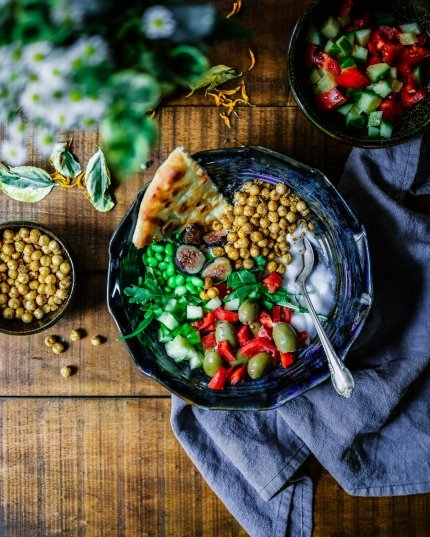
One of the most effective ways to save money is to use the same basic ingredients for several different dishes.
For example, you can make soup, vegetable stew, and side dishes from carrots, onions, lentils, tomatoes, and buckwheat.
This is more practical than buying a separate set of ingredients for each dinner.
How to make a menu without complicated calculations
Before shopping, it is enough to determine:
Three or four main course options.
Two or three usual breakfasts.
Protein sources for the coming days.
Seasonal vegetables and fruits.
Products that are already left at home.
It is not necessary to list every meal down to the gram.
The main thing is to understand what exactly you need to buy and how the products will be used.
Practical example: if you plan to have stewed beans with vegetables for dinner, the remaining vegetables can be used for an omelet, and the finished beans can be added to a salad the next day.
This reduces the risk that some of the ingredients will spoil.

2. Replace some of the expensive protein products with more affordable ones
Protein is essential for maintaining and repairing body tissues. However, its sources are not only meat and expensive fish.
Available options include eggs, beans, lentils, peas, chickpeas, cottage cheese, and some types of canned fish.
The cost depends on the store, manufacturer, and season, so it is important to compare specific offers.
Why legumes are beneficial for the home menu
Dried legumes usually store well and increase in volume after cooking.
They contain protein, fiber, carbohydrates, and various trace elements.
For example, lentils can be used for thick soup, salad, or vegetable cutlets.
Beans are suitable for borscht, stews, and spreads.
This does not mean that legumes should completely replace meat in everyone's diet. It is important to maintain a variety of foods and take into account the digestibility of individual nutrients.

How to reduce costs on meat dishes
It is not necessary to give up meat.
For example, you can add boiled lentils to a sauce with minced meat. As a result, the number of servings will increase and the dish will receive additional fiber.
You can also alternate meat, fish, and bean dishes throughout the week.
However, dry beans must be properly cooked. Undercooked red beans can contain dangerous amounts of natural lectins.
3. Buy seasonal vegetables and fruits
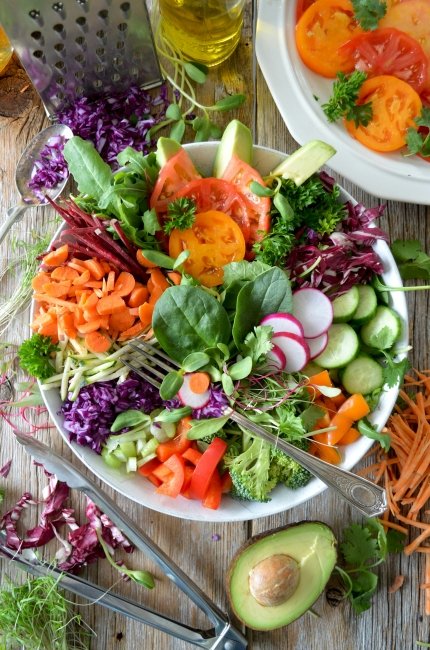
Seasonality often affects the price of products, especially if they are grown and sold in large quantities.
For example, in winter, fresh berries can cost significantly more than apples, cabbage, or root vegetables.
Therefore, there is no need to buy the same set of fruits and vegetables all year round.
What seasonal products are convenient in Ukraine?
| Season | Examples of available products |
| Spring | Radishes, cabbage, greens, seasonal vegetables |
| Summer | Zucchini, cucumbers, tomatoes, berries |
| Autumn | Pumpkin, carrots, beets, apples, cabbage |
| Winter | Root vegetables, cabbage, apples from storage, frozen vegetables |
Prices can vary significantly depending on region, weather, harvest, and logistics.
Local origin also does not guarantee a lower price.
Therefore, seasonality should be used as a guideline, but compare the actual cost in the store.
How many vegetables and fruits should you eat?
WHO recommends that people over the age of 10 consume at least 400 g of vegetables and fruits per day.
For younger children, the recommended amounts are smaller and depend on age.
This guideline does not include potatoes and other starchy root vegetables.
It is important to get the necessary amount with a variety of foods, not just expensive fruits or berries.
4. Don't ignore frozen vegetables and berries
Frozen foods can be a practical alternative to fresh, especially out of season.
Quick freezing allows you to preserve a significant portion of the nutrients. However, the specific composition depends on the type of product, pre-processing and storage conditions.
The WHO allows the use of frozen and canned vegetables and fruits in a healthy diet, as long as they do not contain excessive amounts of salt or added sugar.
When frozen foods are more profitable
For example, soup or stew doesn't always require fresh broccoli, green beans, or green peas.
Frozen mix may be more convenient because it is already cleaned and prepared.
However, you need to compare the price per kilogram, not just the cost of the package.
You should also consider how much waste will be generated when preparing fresh vegetables.

Do you need to defrost vegetables before cooking?
Not always.
Many frozen vegetables can be added immediately to a hot dish.
However, you must follow the manufacturer's instructions and ensure proper heat treatment.
Frozen berries that are intended to be consumed without heating require special attention: separate recommendations for safe preparation may apply to them.
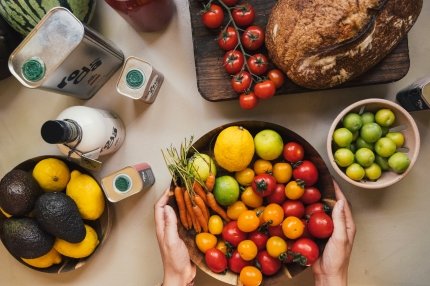
5. Compare the cost of products per kilogram and finished portion
The lowest package price does not always mean the most profitable purchase.
For example, a 400 g pack of cereal may seem cheaper than a 900 g pack, but the cost of one kilogram will be different.
How to compare prices correctly
Let's say the store offers two types of oatmeal:
400 g for 36 UAH.
900 g for 72 UAH.
The first option costs 90 UAH per kilogram.
The second one is 80 UAH per kilogram.
So, in this hypothetical example, a larger package is more profitable by UAH 10 per kilogram.
However, it is worth buying it only if the product will actually be used before the expiration date.
Why is it important to consider the edible part?
When comparing meat, fish, fruits and vegetables, it's not just the total weight that matters.
For example, fish with bones, head, and entrails has a different yield of edible parts than a finished fillet.
Similarly, peeled vegetables may cost more per kilogram, but do not require additional preparation.
For an objective comparison, it is worth considering waste and the number of ready-made portions.
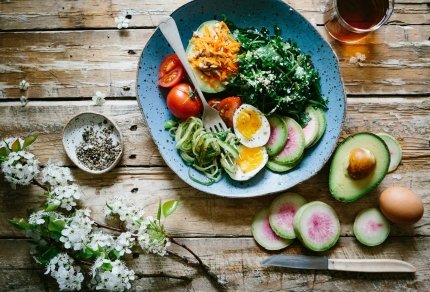
6. Don't overpay for the "healthy" label on the packaging
Labeling "fitness," "natural," "protein," or "sugar-free" does not guarantee that the product has better nutritional content.
For example, a specialty bar may be more expensive than regular nuts and fruits, although it may not always provide a significant advantage.
Similarly, expensive granola may contain a significant amount of added sugar.
What to look for in the lineup
It is useful to check:
Amount of protein per 100 g.
Dietary fiber content.
The amount of added sugar.
Salt content.
Type and amount of fats.
Portion size.
You don't need to automatically avoid all products with additives or a complex list of ingredients.
It is more important to evaluate their real composition, purpose, and place in the overall diet.
Plain oatmeal, natural yogurt, and seasonal fruit often allow you to prepare a complete breakfast without special dietary products.
7. Use promotions only for planned purchases
Discounts can help you save money, but sometimes they can lead to unnecessary expenses.
For example, buying three packages of a product on sale will not be profitable if two of them spoil.
Therefore, before purchasing, you need to evaluate not only the discount percentage.
When promotional items are really profitable
It is best to buy discounted products that:
Regularly used in the family.
They have a sufficient shelf life.
Can be stored under existing conditions.
Already included in the planned menu.
At the same time, products with a short shelf life require special attention.
It is advisable to buy them only when there is an opportunity to use or safely freeze the product before the expiration date.
Cashback should also not be a reason to buy unnecessary food.
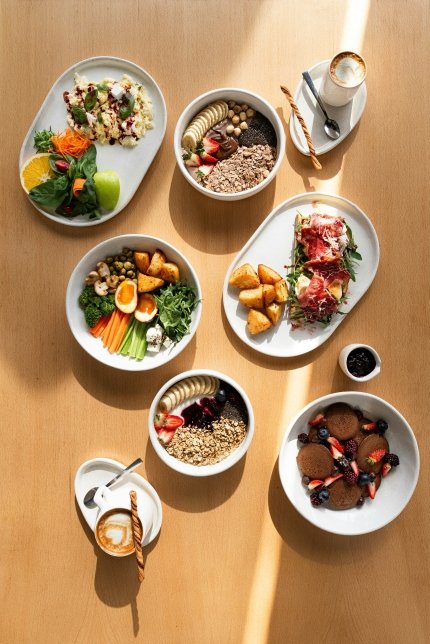
8. Cook at home, but consider the full cost of the meal
Home cooking often allows you to control the ingredients, amount of salt, sugar, and fat.
However, the statement that any homemade dish is necessarily cheaper than a ready-made one is incorrect.
The cost is affected by products, electricity, gas, cooking time and number of servings.
How to save money when cooking at home
It is most convenient to use basic ingredients in several dishes.
For example, baked vegetables can be served with grits, used in a salad, or added to an omelet.
This reduces the amount of leftovers that would have to be thrown away.
At the same time, it is not necessary to prepare all the sauces, bread and dairy products yourself.
Sometimes a ready-made quality product can be more practical if its price and composition meet the needs.
9. Cook for multiple meals without risking safety
Preparing more food at once can save time and simplify planning.
For example, you can boil cereals for two meals or make several servings of vegetable soup.
However, you don't need to store cooked food in the refrigerator indefinitely.
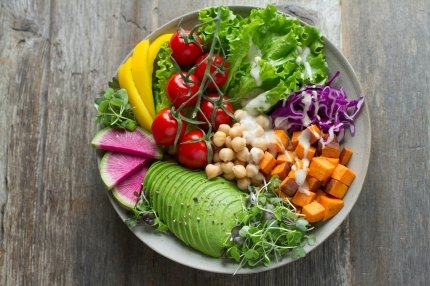
How long can you store ready-made meals?
According to the USDA, most prepared leftovers should be refrigerated within two hours of cooking.
At a refrigerator temperature of no higher than +4 °C, they are usually used within 3–4 days.
If longer storage is planned, it is better to freeze the corresponding dishes.
Some products, such as cooked rice, may have stricter rules. The UK Food Standards Agency recommends that rice be refrigerated quickly and used within 24 hours.
Savings should not be achieved by consuming food with compromised storage conditions.
10. Reduce food waste
Part of the grocery spending actually comes from food that is never eaten.
According to estimates by the United Nations Environment Programme, in 2022, about 1.05 billion tons of food waste was generated globally at the retail, food service and household levels.
Approximately 60% of this volume was accounted for by households.
This data does not mean that every family throws away the same amount of food, but it demonstrates the importance of proper planning.
How to use products before they spoil
The first thing you should do is check the refrigerator before shopping.
For example, if you have leftover carrots, cabbage, and eggs, you can include them in subsequent dishes rather than buying a new set of vegetables.
It is also useful to keep products with a shorter remaining shelf life in a visible place.
Freezing can be used for some vegetables and fruits.
However, you should not try to save products that show signs of dangerous spoilage.
11. Choose simpler sources of healthy fats
A balanced diet requires fats, particularly essential fatty acids.
It's not necessary to get them only from expensive nuts, avocados, or imported oils.
Sunflower, rapeseed, and some other vegetable oils can be sources of unsaturated fats.
Pumpkin seeds, walnuts, and available types of fish also help diversify the diet.

Do I need to buy olive oil?
Olive oil can be part of a healthy diet, but it is not a prerequisite for a balanced diet.
The WHO recommends favoring unsaturated fats over excessive consumption of saturated fats.
The total amount of fat, the method of preparation, and the variety of their sources are important.
You shouldn't save money by completely eliminating fat from your diet.
12. Budget for the week, not for individual purchases
During daily trips to the store, it's difficult to understand how much money is spent on food.
Therefore, it is useful to estimate expenses for a week or a month.
For example, if a family has set a weekly budget for groceries, it is worth dividing it between the main groups: vegetables and fruits, protein sources, grains, dairy products and other needs.
There is no need to set a universal percentage rate for each group.
The cost of the ration depends on prices, number of family members, age, and individual needs.

How to check real savings
You can compare costs for two similar periods.
It is important to consider not only the amount of checks, but also the remaining products.
For example, if you purchased cereals and canned goods a month in advance in one week, such a receipt cannot be directly compared to a week when you only bought fresh produce.
For correct analysis, it is necessary to evaluate products consumed and inventory changes.
What inexpensive products are worth having at home?
A practical budget set should combine different food groups.
| Category | Product examples | What to use |
| Cereals | Oatmeal, buckwheat, rice, bulgur | Porridge, side dishes, soups |
| Legumes | Lentils, beans, peas | Soups, stews, spreads |
| Protein products | Eggs, cottage cheese, canned fish | Main dishes, breakfasts |
| Vegetables | Carrots, beets, cabbage, pumpkin | Salads, soups, baking |
| Frozen foods | Broccoli, peas, mixed vegetables | Side dishes and main dishes |
| Fruits | Apples, seasonal fruits | Snacks, cereals, desserts |
| Fats | Sunflower oil, seeds, nuts | Preparing and adding dishes |
| Basic ingredients | Tomatoes, iodized salt, spices | Sauces and everyday cooking |
This list is not a complete diet. It should be supplemented according to the needs of the family.
Example of a budget menu for five days
A balanced menu can be made from simple foods, reusing common ingredients.
| Day | Breakfast | Dinner | Dinner |
| Monday | Oatmeal with apple and seeds | Lentil soup, vegetable salad | Buckwheat with chicken and vegetables |
| Tuesday | Omelette with vegetables, whole grain bread | Lentil soup, fermented milk product | Pasta with tomatoes and beans |
| Wednesday | Natural yogurt, oatmeal and fruit | Rice with fish and vegetables | Braised cabbage with chickpeas |
| Thursday | Buckwheat porridge, egg and vegetables | Vegetable soup with beans | Baked fish with potatoes and salad |
| Friday | Oatmeal with berries and nuts | Leftover safely stored ready-made meal | Vegetable stew with lentils |
This is an illustrative menu for adults, not a personal meal plan.
Portion sizes, snacks, amounts of vegetables, fruits, and other components should be selected according to individual needs.
For a person with high physical activity, the amount of food may be larger, and for children, separate age recommendations are important.
How to save on food without feeling constantly restricted
A common mistake is to perceive budget eating as the need to eat the same meals every day.
This approach can quickly get boring and not provide the necessary variety.
Instead, it is worth changing the ways of preparing the same foods.
For example, buckwheat can be served with vegetables, added to soup, or combined with an egg.
Lentils are suitable for pureed soup, thick sauce, and vegetable cutlets.
Seasonal vegetables can be baked, stewed, used in salads and first courses.
Thanks to this, a small grocery set does not necessarily mean a monotonous menu.
Common mistakes when saving on healthy eating
Buy the cheapest without considering nutrition
A low price does not always mean a good purchase.
For example, a product may be low in protein or fiber and not provide enough nutrition for a main course.
Avoiding entire food groups
Completely eliminating fats, protein foods, or other important components for the sake of economy can worsen the balance of nutrition.
Buying too many discounted products
If the food cannot be used before the expiration date, the promotion does not bring the expected savings.
Relying only on cereals and pasta
These foods can be the basis of many dishes, but a varied diet also requires vegetables, fruits, protein sources, and fats.
Consider all expensive products more useful
The price depends not only on the nutritional composition, but also on the brand, logistics, packaging, and positioning of the product.
An expensive imported product does not necessarily have a fundamental advantage over a regular local analogue.
Conclusion
Healthy eating can be more affordable if you plan your shopping, choose versatile ingredients, and avoid spending extra on products you don't use.
Grains, legumes, eggs, seasonal and frozen vegetables, affordable fish, and common vegetable oils can form the basis of a varied diet.
The best way to save money is not to reduce the amount of food as much as possible, but to use your budget wisely: buy as much as you need, compare the real cost of portions, and maintain proper food quality.
FAQ: Frequently Asked Questions about Healthy Eating and Savings
How to eat right if your food budget is limited?
It is worth planning a menu for several days, using cereals and legumes, alternating available protein sources, and buying seasonal or frozen vegetables. It is important to provide variety, and not limit your diet to the cheapest products.
What are the cheapest foods suitable for a healthy diet?
Available options often include oatmeal, buckwheat, peas, lentils, beans, eggs, carrots, cabbage, and seasonal fruits. However, actual prices vary by region, store, and time of year.
Is it possible to eat healthy without avocado, quinoa and salmon?
Yes. None of these foods are essential for a healthy diet. The necessary nutrients can be obtained from a variety of available foods as long as the diet remains adequate and varied.
What is more profitable: fresh or frozen greens and vegetables?
Depends on the season, price, and how you use it. Frozen vegetables are often convenient out of season and can help reduce spoilage. However, fresh seasonal produce can sometimes be cheaper.
Can legumes really partially replace meat?
Yes, legumes are a source of vegetable protein and other nutrients. They can replace some meat dishes, but for complete nutrition it is important to consider the overall composition of the diet, in particular the intake of iron, vitamin B12 and other essential substances.
How to save on groceries if you don't have time to cook?
It is helpful to have canned beans, frozen vegetables, eggs, and instant cereals ready to use. You can also prepare individual ingredients in advance and store them according to food safety guidelines.
Is it worth buying products in bulk?
It is profitable to buy in bulk what is used regularly, keeps well and has a lower price per unit weight. For perishable food, large purchases may be unprofitable due to the risk of losses.
How to make an inexpensive menu for the week?
First, they identify a few basic meals with common ingredients. Then they add protein sources, vegetables, fruits, and fats. After checking their home supplies, they make a shopping list of only the missing items.
Are canned foods good for a budget diet?
Yes, properly prepared canned legumes, fish, tomatoes, and some vegetables can be part of a balanced diet. It is worth checking the composition, amount of salt, added sugar, and condition of the packaging.
What should you not skimp on when eating healthy?
Food security, sufficient food, and essential nutrients should not be compromised. It is especially important to consider the individual needs of children, pregnant women, people with chronic diseases, and those with special dietary restrictions.
The material is for informational purposes only and does not replace individual medical advice. Self-medication and self-prescription of restrictive diets can be harmful to health. If you have any diseases, food allergies, or other medical restrictions, you should first consult a doctor.

