
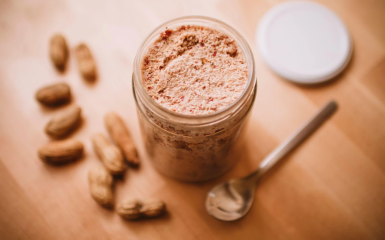
Homemade nut butter can be made with just one ingredient—nuts. No sugar, thickeners, flavorings, or other additives. All you need is a powerful food processor or blender, a little patience, and an understanding of how hard nuts gradually turn into a delicate, creamy mass.
Points of attention
- At the same time, homemade pasta does not undergo industrial safety and stability testing. Therefore, it is especially important to use high-quality ingredients and store the finished product properly.
- A food processor with a sufficiently powerful motor and a spacious bowl is best suited for this task.
- Almond paste may remain thicker than peanut paste. This is normal: its consistency depends on the variety of almonds and the degree of grinding.
The main secret of homemade nut paste is grinding it for a long time. First, the nuts turn into crumbs, then into a thick lump, and then they begin to release natural oils. They are what create the characteristic smooth texture that we are used to seeing in store-bought pastes.
You can make more than just classic peanut butter at home. Almonds, cashews, hazelnuts, pistachios, and walnuts have different flavors and are suitable for both sweet and savory dishes.
We tell you how to choose and prepare nuts correctly, how long to grind them, what to do if the paste remains dry, and how to store the finished product. We also collected six recipes for every taste — from classic peanut to chocolate-hazelnut and spicy paste for savoury dishes.
What is nut paste and how is homemade different from store-bought?
Nut paste is a product obtained by grinding nuts to a homogeneous or nearly homogeneous mass.
During prolonged mechanical processing, the cellular structures of nuts are destroyed and the natural fats are gradually released. This is what turns the dry-looking kernels into a plastic paste.
A natural product can only contain nuts. Salt, sugar, cocoa, spices, and vegetable oil are optional ingredients that are added depending on the desired taste.
Store-bought spreads can be more complex. Some manufacturers use stabilizers to keep the oil from separating, or add sugar for a sweeter taste.
However, the mere presence of additional ingredients does not mean that the product is necessarily of poor quality. What matters is their composition, quantity, and human nutritional needs.
Home cooking has several practical advantages:
you can control the amount of sugar and salt yourself;
easy to change the density and degree of grinding;
the opportunity to create your own combinations of nuts is available;
you don't need to buy a large package of a product that you use occasionally;
You can make the paste without additional oil if the nuts are finely chopped.
At the same time, homemade pasta does not undergo industrial safety and stability testing. Therefore, it is especially important to use high-quality ingredients and store the finished product properly.
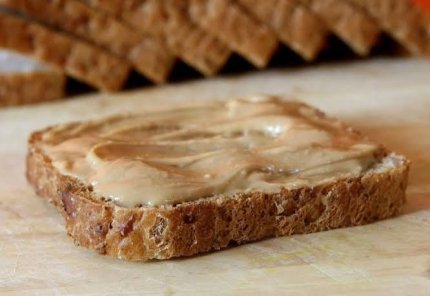
Which nuts are best for homemade pasta?
Almost all common nuts can be ground to a paste-like consistency. However, the result will depend on their natural fat content, moisture content, texture, and roasting characteristics.
For the first preparation, it is easiest to use peanuts or cashews. They usually turn into a homogeneous mass quite well.
Almonds take longer, and pistachios can form a thick paste that sometimes requires a small amount of additional oil.
| Basis | Taste | Texture features |
| Peanut | Rich, toasted, slightly sweet | Grinds well to a creamy consistency |
| Almond | Delicate, with nutty notes | May require longer grinding |
| Cashew | Soft, creamy, naturally sweet | Usually forms a gentle thick paste |
| Hazelnut | Expressive, with chocolate-nut associations | Good for dessert pastes |
| Pistachios | Rich, characteristic, with a slight sweetness | Color and density depend on the raw material |
| Walnuts | Expressive, sometimes with a slight bitterness | Can form a fairly fluid mass |
It is worth considering that from a botanical point of view, peanuts belong to legumes, although in cooking they are usually used as a nut.
For cooking, choose high-quality, peeled kernels without signs of mold, excessive moisture, rancid odor, or insect damage.
Important: For homemade pastes, it is convenient to use nuts that have already undergone proper industrial heat treatment and are intended for direct consumption. A brief additional roasting at home improves the flavor, but is not a guaranteed way to destroy all possible pathogenic microorganisms.
How to properly make nut paste in a blender or food processor
A food processor with a sufficiently powerful motor and a spacious bowl is best suited for this task.
A regular immersion blender may not be able to handle thick mixtures, and a low-power device may overheat.
Before you begin, it's worth checking whether the manufacturer of your equipment allows grinding nuts into a paste.
Step-by-step cooking technology
Step 1: Prepare the nuts. If you are using already roasted kernels, you can warm them slightly to help release the natural oils. The temperature and time will depend on the type of nut.
Step 2: Let them cool slightly. The nuts may still be slightly warm, but they should not be so hot that they overheat the plastic bowl or the motor of the appliance.
Step 3. Pour the nuts into the bowl. The amount should be sufficient for the knives to effectively capture the product, but not exceed the allowable volume.
Step 4. Start grinding. At first, a fine crumb will form. After a while, it will become moist in appearance and start to clump together.
Step 5. Continue processing. Stop the appliance as needed, scrape the mixture down the sides with a spatula, and take breaks to avoid overheating.
Step 6. Wait for a creamy texture to appear. When enough oil is released from the nuts, the mass will become more plastic and uniform.
Step 7. Add seasonings. Salt, cocoa, or other dry ingredients are best added after the basic texture has formed.
Depending on the power of the equipment, the type of nuts and the size of the portion, the process can take about 5 to 20 minutes of active grinding, sometimes longer.
Do not try to compensate for insufficient power of the equipment by continuous operation. Follow the manufacturer's limitations.
6 recipes for homemade nut paste
For most recipes, it's best to use unsalted roasted nuts. This makes it easier to control the final flavor.
The amount of oil is indicated as additional: if the paste already has the desired consistency, it is not necessary to use it.
1. Classic sugar-free peanut butter
This is the easiest option for beginners. Peanuts contain enough natural fats to create a creamy paste when properly ground, even without additional oil.
Ingredients:
roasted peeled peanuts - 300 g;
salt - approximately ¼ tsp or to taste;
peanut or neutral vegetable oil — 1–2 tsp. as needed.
Preparation:
Transfer the peanuts to the bowl of a food processor.
Grind for several minutes, stopping the appliance periodically.
When the mass begins to gather into a dense lump, continue processing.
Wait until it becomes creamy.
Add salt and mix briefly again.
If the consistency remains too thick, add a small amount of oil.
For crunchy peanut butter, set aside 30–40 g of roasted nuts, chop them with a knife and add to the finished base.
What to eat with: with whole grain toast, oatmeal, bananas, or as an ingredient in sauces for noodles and vegetables.
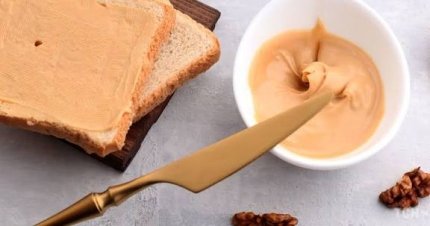
2. Almond paste with cinnamon
Almonds have a delicate flavor that pairs well with cinnamon, vanilla, and other warm spices.
The paste turns out thick, fragrant, and suitable for homemade desserts.
Ingredients:
roasted almonds - 300 g;
ground cinnamon - ½ tsp;
salt - a small pinch;
almond or other neutral oil — 1–2 tsp. as needed.
Preparation:
Slightly warm the already roasted almonds if they are cold.
Transfer the nuts to a food processor and start chopping.
Gradually move from crumbs to a thick mass, taking breaks according to the device's instructions.
When the paste is smooth, add the cinnamon and salt.
Mix again. Add a little oil if necessary.
Almond paste may remain thicker than peanut paste. This is normal: its consistency depends on the variety of almonds and the degree of grinding.
Cooking tip: For a milder taste, you can use blanched almonds. The paste will have a lighter color and a more delicate texture.
3. Creamy cashew and vanilla paste
Cashews are good for delicate dessert spreads. Their flavor is less harsh than many other nuts, and when ground, the mass can resemble thick cream.
Ingredients:
unsalted roasted cashews — 300 g;
natural ground vanilla - a small pinch;
salt - to taste;
neutral vegetable oil - up to 2 tsp. as needed.
Preparation:
Pour the cashews into a food processor.
Grind to a fine crumb.
Continue processing, periodically removing the mass from the walls of the bowl.
When the nuts form a plastic paste, add the vanilla and salt.
Beat until desired consistency.
Cashews usually have enough natural fats to form a paste, so don't rush to add oil if the mixture is still at the coarse crumb stage.
How to use: for homemade cookies, fillings, toast, sweet creams or as a sauce base for baked vegetables.
4. Pistachio paste for desserts
Pistachio paste has a distinctive flavor and can be the basis for creams, croissant fillings, ice cream, and homemade desserts.
However, its natural color is not always bright green. It depends on the variety, the quality of the kernels, the presence of the skin, and the roasting.
Ingredients:
peeled unsalted pistachios - 250 g;
neutral vegetable oil — 1–2 tsp. as needed;
salt - a pinch.
Preparation:
Use ready-to-eat peeled, shelled pistachios.
If desired, warm them slightly in the oven, taking care not to let them darken too much.
Transfer the nuts to a food processor and start chopping.
Gradually bring the mass to a pasty state.
Add salt. If the paste is too thick, add a little oil.
Continue grinding until the texture is as smooth as your equipment allows.
To get a lighter paste, you can use pistachios without the thin outer skin.
You should not try to achieve a bright green color by prolonged heating: strong frying, on the contrary, can darken the product.
What to pair with: cheese desserts, natural yogurt, white chocolate, pastries, and berries.
5. Chocolate-hazelnut spread
Homemade chocolate spread can contain significantly more nuts and less sugar than some ready-made dessert spreads.
Hazelnuts have a distinct aroma that pairs well with cocoa.
Ingredients:
roasted hazelnuts without shells - 300 g;
sugar-free cocoa powder - 20 g;
powdered sugar - 20–35 g or to taste;
neutral vegetable oil — 1–2 tbsp. l. as needed;
salt - a small pinch.
Preparation:
If the hazelnuts have a lot of dark skin, after lightly heating them, wrap the kernels in a clean towel and rub them gently.
Transfer the nuts to a food processor.
Grind until creamy.
Add cocoa, powdered sugar, and salt.
Continue whisking until the ingredients are evenly distributed.
Gradually add oil if necessary.
Cocoa absorbs some of the available moisture and fat, so the paste may become thicker after adding it. That's why it's important to chop the hazelnuts well first.
Powdered sugar is usually better than regular sugar because its smaller particles are less noticeable in the finished product.
For a richer flavor, use high-quality cocoa and don't try to completely hide the natural nutty bitterness with lots of sugar.
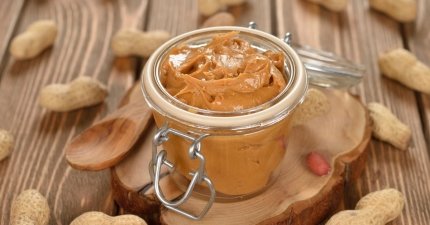
6. Spicy walnut paste for savory dishes
Nut spreads can be the basis of sauces for vegetables, grains, poultry, and baked dishes.
Walnuts go well with garlic, coriander, paprika, and other spices.
Ingredients:
peeled walnuts - 250 g;
ground coriander - ¼ tsp;
smoked paprika - ¼ tsp;
dried garlic - ¼ tsp;
salt - to taste;
neutral nut or vegetable oil — up to 2 tsp. as needed.
Preparation:
Use high-quality nuts without a rancid smell.
If desired, warm them slightly to enhance the flavor.
Grind to a paste-like consistency.
Add coriander, paprika, garlic and salt.
Mix until smooth.
Walnuts can have a natural bitterness, especially if the thin skin remains.
Don't try to hide the rancid taste with spices. If the nuts have an unpleasant smell of old oil, they shouldn't be used.
How to serve: A small amount of pasta can be mixed with lemon juice and water just before serving to make a sauce for roasted vegetables. This diluted sauce should be prepared for one meal and not returned to the can of pasta.
Why nut paste doesn't come out: the most common problems
Even high-quality nuts don't always turn into a smooth mass right away. The most common reason is insufficient grinding or inappropriate equipment.
The paste remains dry and crumbly.
This is a typical problem at the initial stage.
The nuts first turn into crumbs, and only later do they begin to form a plastic mass.
If the equipment allows, continue processing, taking breaks and removing the nut mass from the walls.
Don't rush to add oil. Sometimes a few more grinding cycles are enough.
The mass is whipped into a dense lump.
This is a normal intermediate stage.
When some of the oil has already been released, the nut crumbs can combine into a dense lump that rotates with the knives.
Typically, further grinding gradually changes its consistency.
If the lump does not fall under the blades or the motor is working under excessive load, stop the appliance and check the instructions. Do not overload the appliance.
The paste is too thick.
The reason may be the peculiarity of specific nuts, insufficient oil release, or the addition of dry ingredients.
Try continuing the grinding process first.
If the result does not change, you can add one teaspoon of the appropriate vegetable oil, mix and assess the consistency.
It is important to use oil with a fresh, pleasant taste.
The pasta overheats during cooking
Prolonged grinding creates friction. This causes the mass and the appliance bowl to gradually heat up.
If you notice excessive heating, stop the equipment.
Breaks help prevent engine damage and overheating of the product.
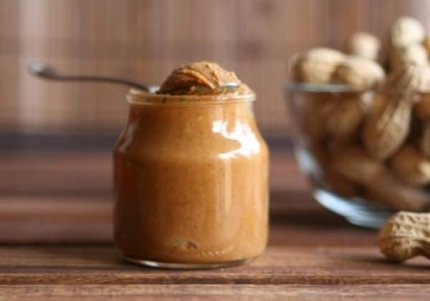
Solid particles are felt in the paste
Homemade pasta will not always have the same smooth texture as an industrially produced product.
Production can use special mills that grind nuts much finer than a regular household combine.
Small graininess in itself does not mean that the pasta was prepared incorrectly.
Can I add water or milk to nut paste?
For pasta that you plan to store, it's best not to add water, milk, fresh fruit, or other ingredients with a high moisture content.
Nuts contain relatively little water, which limits the growth of many microorganisms.
Adding liquid ingredients changes these conditions. In particular, milk or fruit puree can make the finished mixture perishable.
Additionally, water doesn't always help achieve the desired consistency. When adding a small amount of water, the nut paste sometimes thickens noticeably at first.
To adjust the thickness of the paste, it is better to use a small amount of oil and add milk, yogurt, or water immediately before consumption.
For example, for a vegetable sauce, you can mix a spoonful of nut paste with lemon juice and water. But this is a different product that should not be stored according to the rules of dry nut paste.
How to make nut butter without oil and sugar
For many nuts, additional fats are not necessary.
Peanuts, cashews, almonds, and hazelnuts contain enough of their own oils to form a paste if you choose the right amount of product and grinding time.
To get a natural paste without additives:
Use good quality roasted nuts.
If necessary, warm them slightly before grinding.
Do not overload the combine.
Continue grinding until the natural fats are released.
Do not add water.
Stop processing when you reach the desired consistency.
Ready-made pasta may be less sweet and have a different texture than store-bought pasta.
At the same time, the absence of sugar does not make nut butter low-calorie. Its energy value remains high due to its natural fat content.
What are the benefits of nut butters and how much can you eat?
Nuts contain unsaturated fatty acids, vegetable protein, dietary fiber, vitamins, and minerals.
The specific composition depends on the type of nuts.
For example, almonds are a source of vitamin E, walnuts contain alpha-linolenic acid, a plant-based omega-3 fatty acid, and peanuts provide the body with protein and niacin.
However, nut spreads have a high energy density.
One tablespoon of pasta weighing about 15–16 g usually contains approximately 90–105 kcal , although the exact value depends on the composition.
Therefore, it is advisable to consider the amount of the product in the context of the overall diet.
For an adult, one to two tablespoons can be a convenient serving to add to breakfast or a snack. This is not a universal daily allowance: nutritional needs depend on age, physical activity, and general health.
Who needs to be careful with nut spreads?
Peanuts and tree nuts are common food allergens. Allergic reactions can be serious and sometimes life-threatening.
It is important to distinguish between individual types of nuts: an allergy to one of them does not always mean an allergy to all, but cross-reactivity or simultaneous allergy to several products is possible.
In addition, it is necessary to consider the risk of cross-contact: even a small amount of allergen can remain on knives, in the bowl of a food processor, or on kitchen utensils.
For young children, thick nut butter should not be given in large lumps or directly from a spoon due to the risk of choking. It can be served in a thin layer or in another consistency that is appropriate for the child's age and chewing skills.
Important: The material is for informational purposes only. If you have food allergies or other conditions that require special nutrition, you should consult a doctor first. Self-medication can be harmful to your health.
How to properly store homemade nut paste
Homemade pasta differs from industrial pasta in that its shelf life is not tested in a laboratory.
The stability of the product is affected by the quality of the nuts, the cleanliness of the equipment, additional ingredients, temperature and storage conditions.
It is best to prepare small portions that can be used in a relatively short time.
Basic storage rules
Transfer the paste to a clean, completely dry jar with an airtight lid.
Store in the refrigerator at a temperature not exceeding 4 °C.
Use only a clean and dry spoon.
Do not add water or milk to the main serving jar.
Do not leave the paste near the stove or in direct sunlight for a long time.
Mark the date of preparation on the jar.
For homemade pasta without adding water, it's practical to focus on making small portions that you plan to use within one to two weeks in the refrigerator.
This is a conservative household guideline, not a guaranteed safe-for-use date. If fresh fruit, milk, or other perishable ingredients were used, this date should not be used.
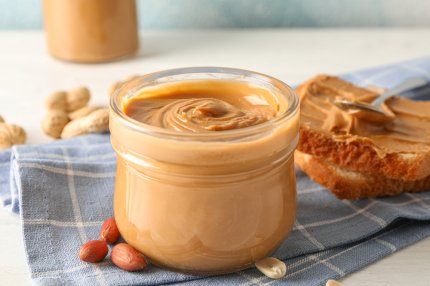
Why does oil appear on the surface of pasta?
The delamination of natural nut paste is a normal physical phenomenon.
During storage, some of the natural fats may gradually separate from the hard nut mass and accumulate on top.
This in itself does not mean spoilage.
If the product has been stored properly and shows no signs of deterioration, it is sufficient to stir it with a clean spoon.
However, a rancid smell, unnatural taste, mold, or other suspicious changes are grounds for discarding the product.
Can you freeze nut butter?
Yes, pasta without watery additives can be frozen in small portions.
For this, it is convenient to use airtight containers suitable for the freezer.
Freezing slows down the oxidation of fats, but does not correct the shortcomings of the raw materials or make spoiled pasta safe.
After defrosting, the product may separate slightly, so it needs to be mixed.
Thaw the pasta in the refrigerator. To maintain quality, it is best to use frozen portions within a few months.
How to use nut butter in your everyday menu
Nut butter is not just a spread for sandwiches.
Depending on the composition, it can complement sweet breakfasts, desserts, and main courses.
For breakfast, add a small amount of peanut or almond butter to oatmeal, plain yogurt, or cheese casserole.
For fruit snacks , use the paste as a complement to bananas, apples, or pears.
For baking , cashew and hazelnut paste is suitable for creams, cookies, and homemade fillings.
For savory sauces, peanut or nut paste can be mixed just before serving with soy sauce, lemon juice, spices, and a small amount of water.
For desserts , pistachio paste goes well with berries, cream cheeses, and chocolate.
It is important to consider that pasta has a rich flavor. Sometimes one teaspoon is enough to noticeably change the character of a dish.
What are the most common mistakes made when making nut paste?
Even a simple recipe can fail due to a few common mistakes.
Using old nuts. The rancid taste does not disappear after grinding. On the contrary, it may become more noticeable.
Insufficient grinding. If you stop at the wet crumb stage, the paste will remain crumbly.
Portion too small. In a large bowl, a small amount of nuts may not fit under the knives.
Too much oil. The paste may become too runny and break apart more quickly.
Adding water to thin. This changes the structure of the product and its safe storage conditions.
Overheating of the equipment. Prolonged continuous operation may damage the motor or bowl.
Improper storage. Pasta left in the heat loses quality faster due to oxidation of fats.
It is also worth remembering the quality of the raw materials. Moldy nuts should not be used even after roasting: certain types of mold fungi can form mycotoxins, which are not necessarily destroyed during ordinary home heating.
Conclusion
Homemade nut butter is an easy way to add variety to breakfasts, desserts, and main courses. All you need is good-quality nuts and the right kitchen equipment, and you can add salt, spices, cocoa, and oil to your liking.
The easiest way to start is with peanut butter or cashew butter. After that, you can experiment with almonds, pistachios, hazelnuts, and walnuts.
The main thing is to take your time when chopping, use fresh ingredients, avoid excess moisture, and prepare portions that can be stored properly and used quickly.
FAQ: Frequently Asked Questions About Homemade Nut Paste
How to make nut paste at home without special equipment?
To get a truly creamy consistency, you usually need a fairly powerful food processor, a special chopper, or a blender that the manufacturer allows for such use. A regular coffee grinder can grind nuts into crumbs, but it is not always able to turn them into a paste.
How long does it take to grind nuts into a paste?
Depending on the type of nuts, the power of the appliance and the amount of product, this may take approximately 5–20 minutes of active grinding, sometimes longer. Be sure to take breaks according to the equipment instructions.
Why doesn't the nut paste become liquid?
Possible reasons are insufficient grinding, the characteristics of the nuts or the low power of the appliance. First, try continuing the processing with necessary breaks. If the mass is already well ground but remains too thick, you can add a little vegetable oil.
Can you make peanut butter without oil?
Yes. Roasted peanuts contain enough natural fats to form a paste. If ground properly, additional oil is often not needed.
Which nut paste is best for desserts?
Hazelnuts are good for chocolate desserts, cashews for delicate creams, almonds for baking, and pistachios for ice cream and fillings. The choice depends on the desired flavor, density, and combination with other ingredients.
Do I need to roast the nuts before making the paste?
Roasting enhances the aroma, can make chopping easier, and changes the taste. However, it is not necessary for all recipes. It is best to use good quality, ready-to-eat roasted nuts.
How long does homemade nut paste last?
The exact period depends on the raw materials, composition, cleanliness of the equipment and storage temperature. For small home-made portions without watery additives, you can aim for use within one to two weeks in the refrigerator. This is not a guarantee of safety, so it is important to evaluate the preparation and storage conditions.
Why does homemade nut paste separate?
In natural pastes without stabilizers, natural nut oils may gradually separate from the solid mass. This is a normal process if the product does not show signs of spoilage. Stir the paste sufficiently before use.
Can I mix different nuts in one paste?
Yes. For example, peanuts can be combined with cashews, almonds with hazelnuts, and pistachios with cashews for a milder flavor. It is important to note that different nuts may grind at different speeds and vary in final consistency.
Can I give homemade nut butter to children?
Nut butters can be part of a child's diet if there are no allergies and the consistency is age-appropriate. It is dangerous to give large lumps of thick butter or whole nuts to toddlers because of the risk of choking. If a food allergy is suspected, the introduction of such products should be coordinated with a doctor.

