
Hydrangeas can survive the winter well, put out healthy green leaves in the spring, but never bloom. Often the reason is not a lack of fertilizer, but frost damage to the flower buds or improper autumn pruning. Large-leaved hydrangea is especially sensitive to such mistakes, as many traditional varieties form future inflorescences in late summer and autumn. If you cut the shoots before winter, you can accidentally remove almost all the flower buds for the next season.
At the same time, panicle and tree hydrangeas have a different fruiting pattern — or rather, flowering. They form inflorescences on the shoots of the current year, so the rules for pruning and winter protection are different.
The main rule for preparing a hydrangea for winter is to determine its species, preserve the necessary shoots, protect the root system, and not stimulate late growth with excessive fertilization.
We'll figure out how to care for hydrangeas in the fall, when to prune the bushes, whether to leave dry inflorescences, how to properly mulch the soil, and which plants need shelter from frost.
Which hydrangeas need shelter for the winter?
Not all hydrangeas react to low temperatures the same way. Their winter hardiness depends on the species, variety, age of the plant, and growing conditions.
For autumn care, it is especially important to understand which shoots produce flowers.
Large-leaved hydrangea
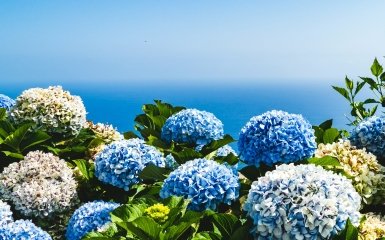
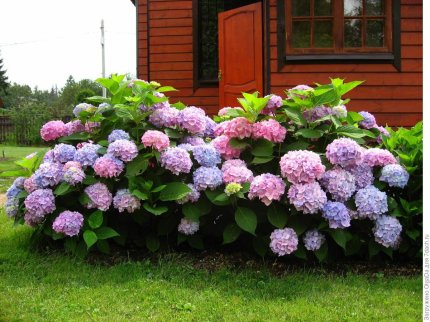
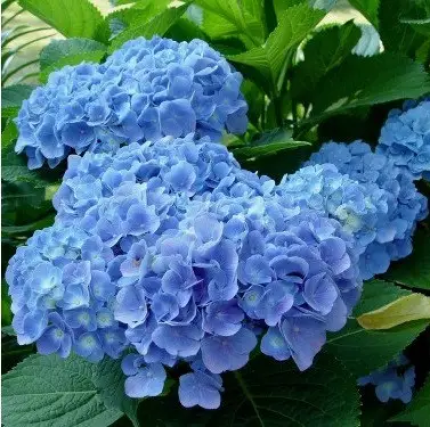
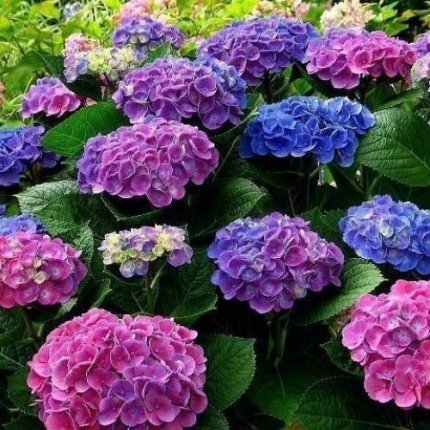
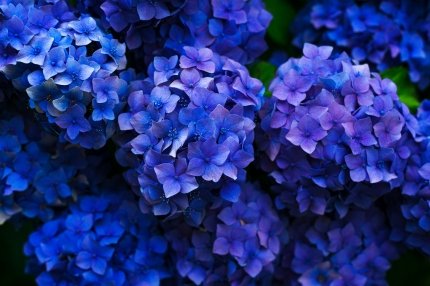
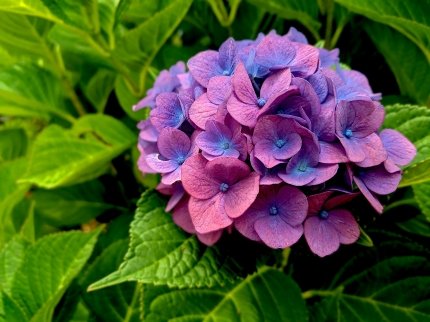
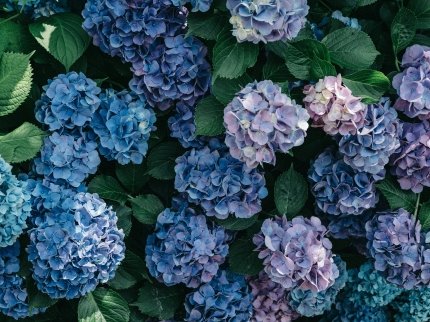
Bigleaf hydrangea ( Hydrangea macrophylla ) often has large, round or flat flowers in pink, blue, purple, or white.
In most traditional varieties, flower buds are laid on the previous year's shoots.
They must survive the winter so that the plant can bloom next season.
If the tips of the shoots freeze, the bush may be left without flowers, even if the roots are not damaged.
It is large-leaved hydrangeas that most often need additional protection of flower buds.
Panicle hydrangea
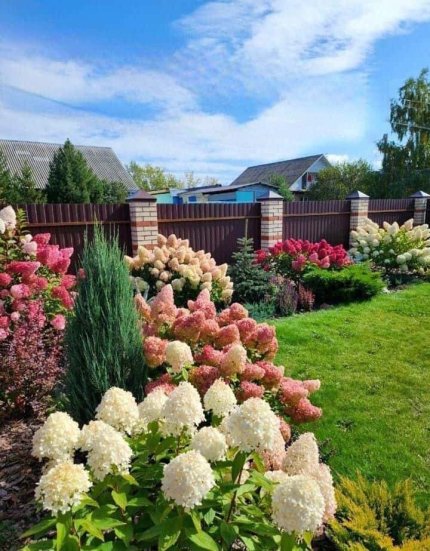
Panicle hydrangea ( Hydrangea paniculata ) forms characteristic cone-shaped inflorescences.
Most varieties are well adapted to cold climates and bloom on new shoots that grow in the spring.
Therefore, partial winter damage to last year's growth usually does not deprive the plant of the opportunity to bloom.
Adult bushes of winter-hardy varieties usually do not require complete shelter.
Tree hydrangea
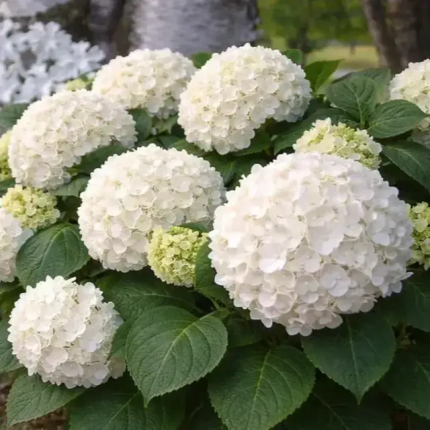
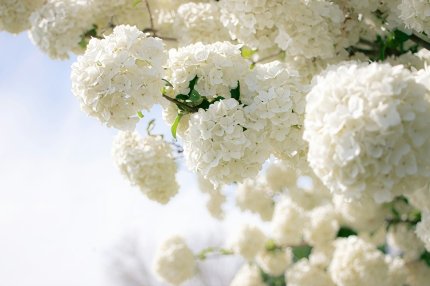
Tree hydrangea ( Hydrangea arborescens ) is known, in particular, for the Annabelle variety with large white inflorescences.
It also blooms on the current year's shoots.
Even if some of the above-ground shoots are damaged in winter, a healthy root system can ensure the regrowth of new ones.
For adult plants, proper soil care is usually sufficient.
Hydrangea serrate and oakleaf
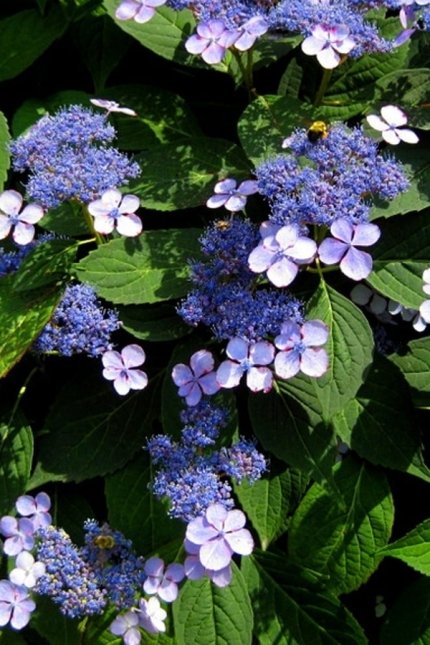
Serrated hydrangea ( Hydrangea serrata ) is often similar to large-leaved hydrangea in terms of pruning characteristics.
Many of its varieties set flower buds on last year's shoots.
Oakleaf hydrangea ( Hydrangea quercifolia ) also blooms primarily on old wood.
For both species, it is important to avoid reckless autumn pruning.
| Hydrangea type | On which shoots does it bloom? | Is shelter needed? |
| Large-leaved | Mostly last year's | Kidney protection is often needed |
| Panicle | Current year | Adult winter-hardy varieties usually do not |
| Tree-like | Current year | Root protection is usually sufficient as needed. |
| Serrated | Often last year's | Depends on variety and climate |
| Oak-leaf | Mostly last year's | May need protection in cold regions |
A separate group is made up of remontant hydrangeas, which are capable of blooming on both last year's and new shoots. However, even for them, preserving the buds after winter can ensure earlier and more abundant flowering.
When to start preparing hydrangeas for winter
There is no single calendar date that is suitable for all regions of Ukraine.
In September, many hydrangeas are still in bloom or have green leaves. In October, the plants gradually end their active growth, and in November, depending on the weather, they go into dormancy.
It is important not to rush into taking cover.
If you wrap a bush during prolonged warm and humid weather, moisture and condensation can accumulate under the protective material.
Approximate calendar of autumn works
| Period | What to do |
| September | Check humidity, stop unreasonable nitrogen fertilization |
| October | Inspect the bush, remove diseased plant debris, prepare mulch |
| November | Mulch the soil, protect sensitive varieties after the onset of persistent cold weather |
| Winter | Check the condition of the shelter after strong winds and snowfalls |
| Early spring | Gradually remove the protection and carry out the appropriate pruning |
The actual timing depends on soil temperature, frost forecast, and the characteristics of the specific site.
Do you need to prune hydrangea in the fall?
This is one of the most important questions.
Improper pruning can significantly reduce the number of flowers next year.
Before you pick up a pruner, you need to know the type of plant.
Why you shouldn't prune large-leaved hydrangea in the fall
In most traditional varieties of large-leaved hydrangea, next season's flower buds are already formed at the ends and tops of the shoots.
If you shorten all the stems by a third or half in the fall, a significant portion of these buds will be lost.
In spring, the bush may actively grow leaves, but not form inflorescences.
Therefore, large-leaved hydrangea is usually not pruned in the fall to form a crown .
You can carefully remove any obviously broken or dead branches if necessary. However, it is best to leave questionable shoots until spring, when it will be clear which buds are still alive.
When to prune panicle and tree hydrangea
These species form inflorescences on new shoots.
Therefore, it is advisable to carry out the main shaping pruning in late winter or early spring, before active growth.
Panicle hydrangea is usually pruned, maintaining a strong base of the bush.
A tree-like plant can be pruned more heavily if the variety and condition of the plant require it.
However, pruning some varieties too low can promote the formation of long shoots that bend under the weight of large inflorescences.
It is better not to subject young bushes to radical pruning unnecessarily in the first few years.
Is it necessary to cut off dry hydrangea inflorescences for the winter?
It is not necessary to remove dry inflorescences in the fall.
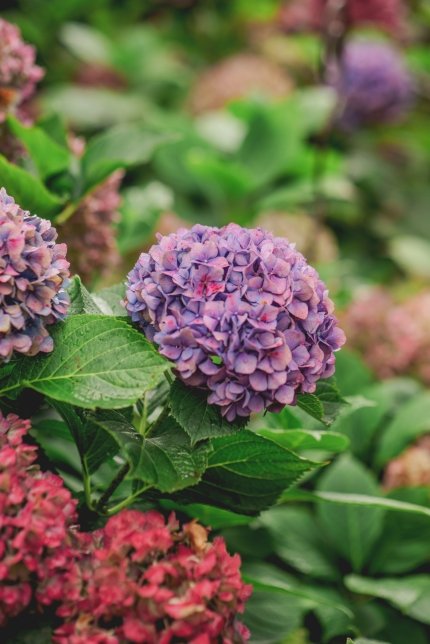
This is especially true for large-leaved varieties with large, rounded flower heads.
The remaining inflorescences can partially protect the buds located below from adverse weather conditions.
They also maintain the decorativeness of the garden in winter.
When to remove faded flowers
In large-leaved hydrangea, this is most often done in the spring.
Dry inflorescences are cut to the first or second strong, healthy pair of buds.
In panicle hydrangea, the flower heads can be left until scheduled spring pruning.
However, if large dry inflorescences accumulate wet snow and pose a risk of breaking thin branches, they can be carefully removed without damaging important parts of the shoots.
How to properly water hydrangea in the fall
Hydrangeas generally like fairly moist but well-drained soil.
In the summer, they may need regular watering, especially in the heat.
In the fall, evaporation gradually decreases, so it is not necessary to water the bushes according to the summer schedule.
At the same time, prolonged drought before winter is undesirable for young and recently planted plants.
How to determine if water is needed
Carefully check the soil moisture at a depth of about 10–15 centimeters.
If the ground is dry and it hasn't rained in a long time, the bush may need moisture.
Apply water slowly so that it penetrates the root zone.
It is not necessary to moisten only the soil surface with small amounts of water every day.
If the soil is already moist enough, additional watering can lead to waterlogging.
When to stop watering before frost
After a plant enters a dormant state, its need for water decreases.
During regular autumn rains, watering is usually not needed.
Water should not be applied to frozen soil.
For hydrangeas in pots, the rules are slightly different: the substrate can dry out even in winter, so its condition needs to be checked periodically.
How to mulch hydrangea before winter
Mulching helps reduce moisture loss and sudden fluctuations in soil temperature.
This is especially useful for young plants with a root system that has not yet had time to develop well.
Organic mulch gradually decomposes and helps improve soil structure.
What materials are suitable?
For hydrangeas you can use:
shredded tree bark;
mature compost;
leaf humus;
wood chips;
clean dry leaves for seasonal insulation.
A typical layer of organic mulch around a mature bush can be approximately 5–8 centimeters.
It is important to leave a little free space around the base of the shoots.
There is no need to pour wet compost or bark directly onto the stems.
When is it better to mulch?
A thin layer of organic mulch can be used throughout the season to conserve moisture.
But additional thick winter insulation to protect against frost heaving of the soil is better to arrange after the onset of persistent cold weather, when the ground begins to freeze.
This helps reduce temperature fluctuations and the risk of premature regrowth.
In the spring, an excessively thick insulation layer must be removed or reduced in a timely manner.
Do you need to feed hydrangea in the fall?
A common recommendation is to be sure to apply potassium and phosphorus before frost.
However, a healthy hydrangea growing in fertile soil does not always need autumn fertilization.
Excess fertilizer does not guarantee better wintering or more flowers.
Why nitrogen is undesirable at the end of the season
Nitrogen stimulates the growth of leaves and shoots.
If you apply a significant dose of fast-acting nitrogen fertilizer in late summer or fall, the plant may begin to form young growth.
Such shoots do not always have time to mature sufficiently before frost.
Therefore, late nitrogen fertilization is usually not recommended.
Will potassium and phosphorus help you survive the winter?
These elements are necessary for normal plant development.
However, their additional application is beneficial primarily when the soil truly lacks the appropriate nutrients.
To determine the need, it is advisable to take into account soil analysis and plant condition.
There is no need to apply large doses of phosphorus-potassium fertilizers just because of the approaching cold weather.
Can I use ash?
Wood ash contains mineral elements, but can also raise soil pH.
This is important for hydrangeas because nutrient availability and the color of individual varieties depend on acidity.
Therefore, systematic application of ash without soil analysis may be undesirable.
Similarly, you should not acidify the soil with vinegar or add large doses of sulfates without understanding the current pH.
How to cover large-leaved hydrangea for the winter
For large-leaved hydrangea, it is important not only to preserve the root system, but also to protect the flower buds on last year's shoots.
If they die from frost, the plant may produce healthy leaves, but flowering will be weak or absent.
When to install shelter
You shouldn't do this during warm autumn.
It is better to wait until active growth is complete and the bush enters a state of dormancy.
Final protection is established taking into account the forecast of persistent cold weather and the winter hardiness of the variety.
How to make a breathable shelter
One practical way is to create a protective frame around the bush.
To do this, use strong supports or a net that will not put direct pressure on the shoots.
If necessary, fill the space around the branches with dry insulating material, such as leaves.
It is important that it does not remain constantly wet.
Outside, you can use breathable winter shelter designed for plants.
It is not a good idea to wrap the hydrangea tightly with plastic wrap. Condensation can accumulate under such material, especially during thaws.
Shelter should provide protection from sudden temperature fluctuations, but not create conditions for prolonged wetting of the shoots.
Can you just bend the branches to the ground?
This method is sometimes used for flexible shoots, but it is not suitable for all bushes.
Lignified stems can break when bent too hard.
Therefore, you should not forcibly bend an adult hydrangea if the branches offer significant resistance.
For many plants, a frame shelter is safer.
How to prepare panicle hydrangea for winter
Panicle hydrangea usually does not require complex winter protection.
Most common varieties tolerate cold well if the plant is healthy and planted in an appropriate location.
In the fall, it is enough to check the condition of the soil, remove obviously diseased plant residues, and renew the mulch if necessary.
It is better to leave shaping pruning for late winter or early spring.
Is it necessary to cover young bushes?
After fall planting, a young plant may benefit from mulching the root zone.
In open, windy areas, additional protection is sometimes needed.
However, it is not necessary to completely wrap each panicle hydrangea for the winter.
Excessive shelter can create problems with ventilation and moisture accumulation.
How to prepare tree hydrangea for frost
Tree-like hydrangea usually regenerates shoots well in spring.
Since it forms flowers on the current year's growth, damage to part of last year's stems does not always lead to loss of flowering.
In the fall, it is advisable to ensure normal soil condition and, if necessary, mulch the root zone.
Heavy pruning can be postponed until after the winter period.
For young plants, especially after autumn planting, it is important to protect the roots from sudden temperature fluctuations and avoid stagnant water.
How to keep a hydrangea in a pot in winter
Hydrangeas in containers are more vulnerable to frost than plants in open ground.
The reason is the small volume of substrate, which can freeze much faster than the soil in the garden.
Wintering small pots on an open balcony is especially risky.
Where is the best place to put the container?
For many deciduous hydrangeas, a cool, sheltered location where the plant can remain dormant is suitable.
This can be a suitable unheated room or a protected greenhouse, if temperature conditions do not pose a risk of critical freezing of the roots.
In an open area, containers are sometimes grouped near a protected wall and additionally insulated.
However, wrapping the pot with thin material alone does not guarantee protection of the root ball during severe, prolonged frosts.
Do you need to water a potted hydrangea in winter?
Yes, sometimes it is necessary.
Even during the dormant period, the substrate should not dry out completely for a long time.
At the same time, excess water is undesirable.
Watering is carried out only when necessary, when the substrate is not frozen and water can pass through it normally.
It is important to ensure drainage and not leave the pot in a pan of standing water.
Can you transplant hydrangea in the fall?
Fall can be a favorable time to plant hydrangeas, especially when the summer heat has subsided.
But the seedling needs time to adapt to the new location.
When planting, it is important to consider lighting, drainage, and the future size of the bush.
Most hydrangeas prefer fertile, sufficiently moist soil without stagnant water.
How to plant hydrangea correctly
Prepare a planting hole large enough to accommodate the root system.
Do not deepen the root collar unnecessarily.
After planting, carefully compact the soil, water and mulch the surface.
If early severe frosts are forecast, the feasibility of late fall planting depends on the condition of the seedling and weather conditions.
In colder regions, spring planting is sometimes a safer option for sensitive varieties.
Why doesn't hydrangea bloom after winter?
The absence of flowers does not always mean that the plant has died or is lacking fertilizer.
The reasons may be different.
Frost damage to flower buds
This is one of the most common problems with large-leaved hydrangeas.
The plant survives thanks to a healthy root system, but the buds on old shoots may die.
As a result, a lot of green leaves appear in the spring, but inflorescences do not form.
Improper pruning
If a large-leaved hydrangea was cut almost to the ground in the fall or early spring, the flower buds may have been removed along with the shoots.
For traditional varieties, this often means losing a significant portion of the blooms.
Insufficient lighting
Although hydrangeas are often grown in partial shade, a location that is too dark can limit flowering.
The need for lighting depends on the species.
Panicle hydrangea usually blooms better with plenty of sun, while large-leaved hydrangea often needs protection from intense midday sunlight.
Excessive nitrogen fertilization
A large amount of available nitrogen can promote active leaf and shoot development.
However, this does not guarantee the formation of inflorescences.
If a bush has a thick green crown but is not blooming well, you need to evaluate not only fertilization, but also lighting, pruning, and the condition of the flower buds.
When to open hydrangea in spring
Winter shelter should be removed taking into account the weather.
If protection is removed too early, the buds may be damaged by return frosts.
But leaving a tight cover for the entire period of spring warming is also undesirable.
Moisture can accumulate under it, and shoots can start growing prematurely.
How to remove protection correctly
During sustained warming, ensure gradual ventilation.
Remove damp insulation material, which can contribute to rotting.
If return frosts are forecast, sensitive plants may need temporary protection.
Do not rush to prune shoots that seem dry after winter.
Some buds may wake up later, so the final assessment of winter damage is best done after the start of active vegetation.
The most common mistakes when preparing hydrangeas for winter
Prune all hydrangeas the same way. Large-leaved and panicle varieties have different flowering characteristics.
Cut the tops of large-leaved hydrangea in the fall. You can also remove next year's flower buds with them.
Applying too much nitrogen late in the season can encourage unwanted new growth.
Covering plants too early. In warm, humid weather, condensation can build up under the shelter.
Use airtight film. Insufficient ventilation increases the risk of prolonged moisture loss of shoots.
Apply mulch close to the stems. Constantly wet material at the base of the bush can contribute to tissue damage.
Water without checking the soil. Excess water is undesirable for the root system.
Leave pots in severe frost. Roots in containers can freeze faster than in open ground.
Open sensitive bushes abruptly in the spring. After the thaw, the buds may suffer from repeated cold snaps.
A practical plan for preparing hydrangea for winter
If large-leaved, panicle, and tree-like hydrangeas grow in the garden, it is advisable to organize care separately for each species.
For large-leaved hydrangea, the main thing is to preserve last year's shoots. Do not prune them in the fall and provide protection for the buds if the variety is sensitive to frost.
For panicle hydrangea, it is enough to assess the condition of the bush, check the moisture and mulch the soil as needed. Postpone shaping pruning to late winter or early spring.
For tree-like hydrangea, it is important to provide normal conditions for the root system. Severe pruning in the fall is not required.
All plants should be inspected for signs of damage and disease.
If the soil is moist enough and the bushes are healthy, additional watering and fertilizing are not necessary.
This approach helps to avoid unnecessary procedures and preserve the potential for flowering next season.
Conclusion
Preparing a hydrangea for winter primarily depends on its type.
It is important for large-leaved varieties to retain flower buds on last year's shoots. Panicle and tree-like hydrangeas usually tolerate cold better and form inflorescences on new growth.
The main autumn tasks are soil moisture control, mulching, protection of sensitive varieties, and avoidance of unjustified late fertilization.
Proper winterization does not guarantee exactly the same blooms every year, but it helps reduce the risk of plant damage and preserve flower buds for the next season.
FAQ: Frequently asked questions about preparing hydrangeas for winter
How to properly prepare hydrangea for winter?
First, determine the type of hydrangea. Check the soil moisture, water as needed, and mulch the root zone. Large-leaved and other sensitive varieties may need to be protected from bud break. Major pruning of most species is best left until the appropriate time.
Do you need to prune hydrangea in the fall?
It is usually best to postpone major pruning. Large-leaved hydrangeas may lose future flower buds due to autumn pruning. Panicle and tree-like hydrangeas are usually pruned in late winter or early spring.
Do I need to cut off dried hydrangea flowers before winter?
Not necessarily. In large-leaved hydrangea, dry inflorescences can be left until spring, as they partially protect the buds below. In paniculate hydrangea, they are also often left until spring pruning.
How to feed hydrangea in the fall for lush flowering?
If the soil has sufficient nutrient reserves, special autumn fertilization may not be necessary. Nitrogen fertilizers at the end of the season are undesirable due to the risk of stimulating young growth. Phosphorus and potassium should be applied only when justified.
How to cover large-leaved hydrangea for the winter?
You can use a protective frame, dry insulation material and breathable winter shelter. It is important not to damage the flower buds and avoid moisture accumulation. Hermetic wrapping with polyethylene is undesirable.
Do I need to cover panicle hydrangea?
Adult plants of winter-hardy varieties usually do not need complete shelter. Young seedlings may benefit from mulching the root zone and protection from strong winds. The need for additional insulation depends on the variety and climate.
Do I need to water hydrangea before frost?
If the autumn is dry and the soil in the root zone is not moist enough, watering may be beneficial. During regular rains, additional water is usually not needed. Frozen soil should not be watered.
How to keep a hydrangea in a pot in winter?
It is better to move the container to a cool, protected place with an appropriate temperature regime. It is important to prevent the root ball from freezing, ensure drainage and periodically check the moisture content of the substrate.
Why doesn't hydrangea bloom after winter?
Possible causes include frost damage to flower buds, improper pruning, insufficient lighting, or unbalanced nutrition. The lack of flowers after winter is especially common in traditional varieties of large-leaved hydrangea.
When to remove the shelter from hydrangea in spring?
The shelter is removed gradually, depending on the weather and the risk of return frosts. During warming, ventilation must be ensured and moisture must not accumulate. Sensitive buds sometimes require temporary protection even after the beginning of spring.

