
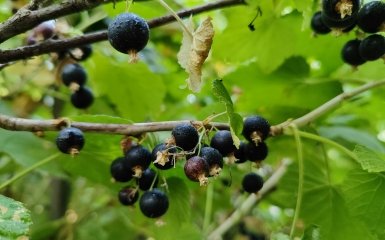
Currants are frost-resistant berries, but this does not mean that after harvesting you can forget about them until spring. It is in the fall that you should assess the condition of the bushes, remove plant residues, check soil moisture and plan pruning. Improper care can worsen the wintering of plants and affect the next harvest. For example, excessive nitrogen fertilization at the end of the season can stimulate the growth of young shoots that will not have time to properly prepare for frost. And too much pruning of red currants can lead to the loss of some of the fruit-bearing branches.
To properly prepare currants for winter, you need to take into account the age of the bush, the variety of the crop, the condition of the soil and weather conditions. Adult healthy plants usually do not need complex shelter, while young seedlings may need additional root protection.
We'll figure out what to do with currants in September, October, and November, how to properly prune black and red currants, whether fall fertilizers are needed, when to carry out moisture-recharging irrigation, and what mistakes to avoid before winter.
Why autumn currant care affects the future harvest
After fruiting is complete, currants do not stop all physiological processes.
While the leaves remain green, the plant continues to photosynthesize and accumulate organic matter that it will use during wintering and regrowth in the spring.
In autumn, the shoots gradually enter a state of dormancy, and the tissues become more resistant to low temperatures.
At the same time, the root system can remain active as long as the soil temperature and moisture allow it to absorb water and nutrients.
That is why it is important not to stimulate late intensive growth and not to create conditions for prolonged waterlogging.
What has the greatest impact on wintering?
Healthy, well-rooted bushes usually withstand the cold better than weakened plants.
Important factors are:
winter hardiness of a particular variety;
condition of the root system;
sufficient soil moisture before freezing;
absence of serious illnesses and injuries;
proper nutrition during the season;
protecting young plantings from sudden temperature fluctuations.
At the same time, a large amount of fertilizer or thick shelter does not guarantee a better wintering.
Sometimes excessive care creates more problems than lack of it.
When to start preparing currants for winter
The timing depends on the region of Ukraine, the weather, and the characteristics of the variety.
In September, in many areas, the bushes still have green leaves. In October, active leaf fall usually begins, and in November the plants gradually enter winter dormancy.
However, these deadlines may change.
In warm autumns, leaves sometimes last longer, and after early frosts, they fall earlier.
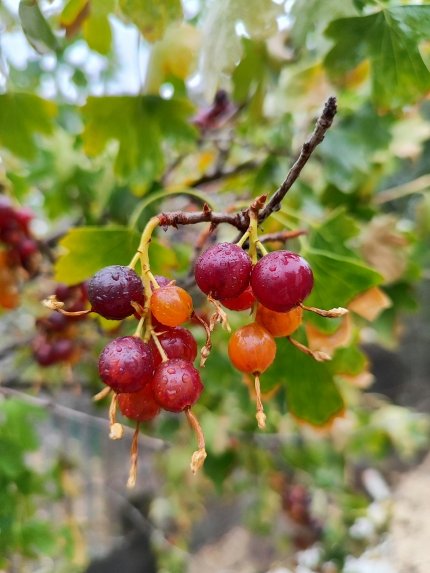
What work to do during the fall
| Period | Main works |
| September | Inspection of bushes, removal of damaged parts, humidity control |
| October | Removal of plant residues, soil assessment, mulch preparation |
| November | Mulching, watering in dry weather before freezing, protecting young plantings |
| Winter dormancy period | Planned pruning taking into account the type of currant and weather conditions |
This is a tentative calendar, not mandatory dates for each garden.
For example, the main pruning can be postponed until the end of winter, when the bush is dormant.
1. Remove leaves, weeds, and berry debris from under the bushes
It is convenient to start autumn care with sanitary cleaning.
Fallen leaves, small branches, dried berries, and weeds often accumulate under currants.
Some of this material may contain pathogens of fungal diseases.
For example, currants can be affected by powdery mildew and leaf spot.
Cleaning up infected plant debris helps reduce the number of potential sources of infection for the next season.
What needs to be removed?
First of all, remove fallen berries with signs of rot, affected leaves, and broken branches.
It is also worth removing perennial weeds, especially those that form a dense root system and compete with currants for water and nutrients.
There is no need to leave a thick layer of wet leaves with signs of disease under the bush.
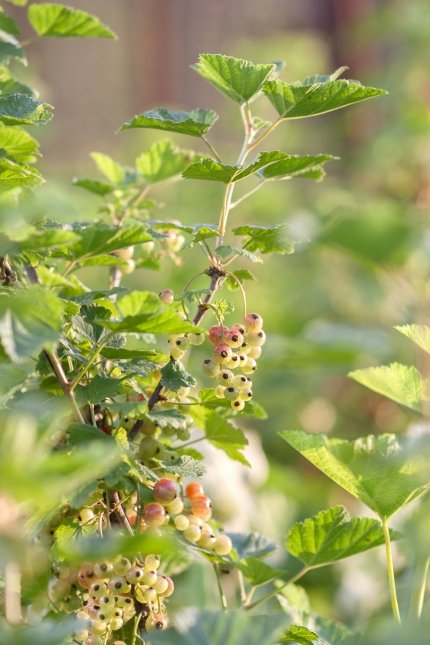
Can I add currant leaves to compost?
Healthy plant residues can be composted.
But leaves with pronounced signs of fungal diseases are best not added to a regular cold compost pile.
At home, temperatures sufficient to reduce the viability of all pathogens are not always provided.
It is advisable to dispose of such material in accordance with available local regulations for green waste management.
2. Prune currants correctly, but consider the variety
Pruning helps maintain bush productivity, improve lighting and air circulation between branches.
However, black, red, and white currants bear fruit differently.
Because of this, a universal pruning scheme is not suitable for all varieties.
The main formative pruning is most often performed during the dormant period - at the end of winter or in early spring, before the buds open.
For blackcurrants, winter pruning is also possible after the end of November, if weather conditions allow for safe work.
In early autumn, it is sufficient to remove obviously dead, broken, and severely damaged branches.
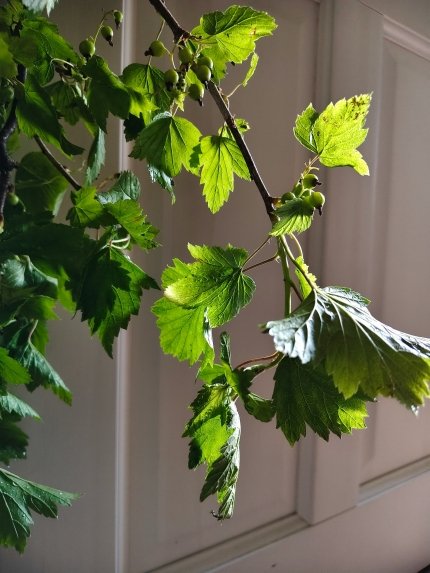
How to prune blackcurrants
Blackcurrants bear fruit best on relatively young wood.
Strong one-year growths and young branches that form new fruit-bearing shoots are especially productive.
Therefore, the main task of pruning is to gradually replace old, unproductive stems with young ones.
In an adult, well-developed bush, up to a third of the oldest branches can be removed each year, cutting them off at the base.
Usually older stems are thicker and have darker bark.
Leave strong young shoots, positioned so that they do not thicken the middle of the bush.
You should not unnecessarily shorten all the young growths every year: they can provide a significant part of the future harvest.
How to prune red and white currants
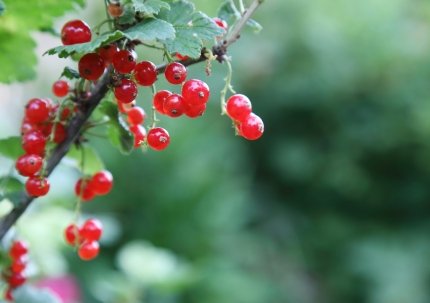
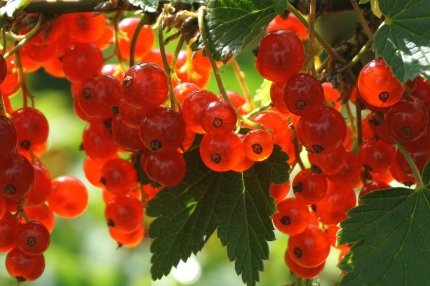
Red and white currants form a significant portion of their berries on short fruiting bodies that develop on older wood.
Therefore, they should not be pruned as intensively as black.
For an adult bush, it is important to maintain well-positioned main branches and fruit-bearing side shoots.
During pruning, dry and damaged wood, crossing branches, and excessively thickened areas are removed.
Old, unproductive branches are gradually replaced by young ones.
Radical removal of most two- and three-year-old shoots can significantly reduce yields.
Do you need to prune young bushes in the fall?
Young bushes require a different approach.
In the first years, the main task is to form a healthy base for the plant.
If currants are growing well, it is usually sufficient to remove weak, damaged, or poorly positioned shoots.
Severe pruning without considering the age and condition of the bush can stunt its development.
For newly planted seedlings, separate formation schemes are used, which depend on the type of currant and the quality of the planting material.
3. Check soil moisture and water the bushes as needed
Autumn rains do not always provide sufficient moisture to the root system.
This is especially true for areas with sandy soils and young bushes that have not yet had time to take root well.
If September and October were dry, currants may need additional watering.
But there is no need to flood the ground just because frost is approaching.
How to determine if water is needed
Carefully check the soil moisture under the bush at a depth of approximately 15–20 centimeters.
If the soil is dry, crumbling, and there has been no rain for a long time, watering may be beneficial.
If the soil is already moist enough, additional water is not needed.
You should be especially careful in heavy clay areas.
Waterlogging can limit oxygen access to the roots.
How much water does currants need in the fall?
There is no universal norm in liters.
The volume depends on the age of the bush, the size of the root system, the type of soil, and the available moisture.
It is better to apply water slowly so that it penetrates the root zone and does not run off the surface.
For young plants, it is important to moisten not only the area near the stems, but also the soil around the planting hole.
Watering is stopped when the soil is sufficiently moist.
There is no need to carry it into frozen soil.
4. Mulch the soil around the currants
Mulching is one of the most useful methods of autumn care.
Organic mulch helps retain moisture, limits weed growth, and reduces sudden fluctuations in soil temperature.
Over time, it gradually decomposes and replenishes the soil with organic matter.
For currants, you can use well-rotted compost, shredded bark, wood chips, or other suitable organic materials.
How thick should the mulch be?
A practical guideline is a layer of approximately 5–8 centimeters.
On heavy, moist soils, it is important not to create too dense a cover, which will prevent the surface from drying out normally.
Mulch is distributed throughout the root zone, not just in a small ring near the stems.
At the same time , the base of the bush should be left free of mulch .
Do not pour wet compost or bark directly onto the shoots.
Constant contact with moist material can contribute to tissue damage and the development of rot.
Can I mulch with fresh sawdust?
Sawdust can be used as a surface mulch, but it has certain characteristics.
During the decomposition of materials with a high carbon to nitrogen ratio, microorganisms can temporarily fix the available nitrogen.
This is especially true in cases where fresh sawdust is actively mixed with the soil.
Therefore, for currants, it is more convenient to use compost, aged wood chips, or other proven materials.
There is no need to apply large amounts of fresh sawdust directly to the root zone.
5. Do not rush to fertilize currants with mineral fertilizers.
After picking berries, it is often advised to apply phosphorus and potassium so that the bushes can better survive frost.
However, fertilization must meet the real needs of the plant.
If the soil contains enough nutrients, additional fertilization does not guarantee better wintering or a larger harvest.
An excess of individual elements can disrupt the nutritional balance.
Why is an excess of nitrogen undesirable in the fall?
Nitrogen is needed by plants for growth.
But excessive application of fast-acting nitrogen fertilizers in late summer or early fall can stimulate the formation of young shoots.
They may not have time to mature enough before severe frosts.
Therefore, the main nitrogen fertilization of currants is usually carried out in spring or in the first part of the season, depending on the condition of the plants and soil.
Are phosphorus and potassium needed?
Phosphorus is involved in energy metabolism and plant development, and potassium is important for regulating water balance and many physiological processes.
However, this does not mean that each bush needs the same dose of phosphorus-potassium fertilizer in the fall.
It is best to rely on soil analysis results and recommendations for a specific site.
You should not apply fertilizer "in reserve".
Can I add compost or rotted manure?
Mature compost can be used as an organic mulch and a means of improving soil structure.
Well-rotted manure is also used in growing berry crops, but its amount must be taken into account in the overall nutritional balance.
Even organic materials contain nutrients, particularly nitrogen.
Therefore, there is no need to pour large amounts of manure under each bush just because it is of natural origin.
6. Check the acidity and structure of the soil
Currants grow best in fertile, well-drained soils that are able to retain enough moisture.
For many varieties, slightly acidic soil with a pH of approximately 5.6–6.5 is favorable.
However, specific needs may vary depending on the species and growing conditions.
What to do with heavy clay soil
If water stands near the bushes for a long time after rain, the problem may be insufficient drainage.
Adding mature compost and gradually improving soil structure can help.
But you should not dig deeply into the ground directly under the bushes.
Some of the currant roots are located close to the surface, so they are easy to damage with a shovel.
Is it necessary to lime the soil in the fall?
Liming is used to reduce soil acidity.
But it is not worth carrying it out without measuring pH.
If the soil already has the appropriate acidity, adding lime can impair the availability of individual nutrients.
Similarly, there is no need to automatically acidify the soil with vinegar or other household acids.
Proper soil adjustment begins with determining its characteristics.
7. Inspect the currants for signs of disease and pests
Autumn is a good time to assess the general condition of plants.
After the leaves fall, damaged branches and buds become more visible.
Black currants require special attention, as they can be affected by the currant bud mite.
How to recognize a kidney mite
One of the characteristic signs is abnormally enlarged, rounded kidneys.
Healthy buds are usually more elongated and pointed.
Damaged ones may take on an unnatural spherical shape and fail to bloom normally in spring.
The mite is very small and lives inside the buds.
It can also carry a dangerous blackcurrant disease, reversion, which reduces plant productivity.
What to do with affected buds
If there is little damage, individual, obviously affected buds can be removed and disposed of during winter dormancy.
If the bush is severely damaged, this may not be enough.
Sometimes it is more advisable to remove the plant and replace it with healthy planting material.
You should not take cuttings from bushes that have suspicious signs of infection.
Do I need to spray currants in the fall?
Preventive spraying is not a mandatory procedure for every healthy bush.
You should not use insecticides or fungicides just because the season is over.
First, you need to identify the specific problem.
If treatment is truly necessary, use only the product approved for the respective crop according to the instructions.
Do not mix the products yourself and do not exceed the concentration.
You should also not use boiling water to pour directly on living tissues of bushes: the wrong temperature can damage buds and shoots.
8. Protect young bushes from winter damage
Most zoned currant varieties tolerate Ukrainian winters well.
Therefore, healthy adult bushes growing in open ground usually do not need complete shelter.
However, young seedlings may be more vulnerable due to their underdeveloped root system.
Plants planted in the fall require special attention.
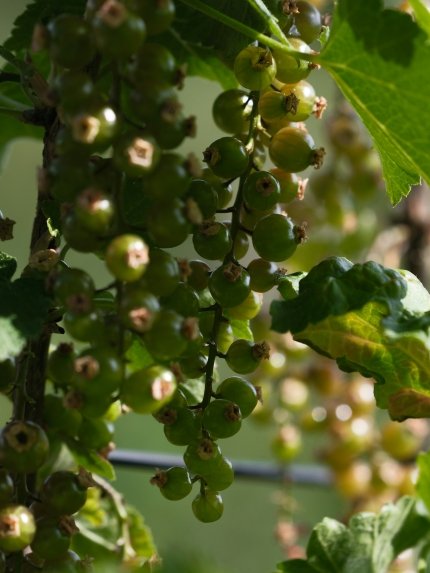
How to cover young plantings
First of all, provide a sufficient layer of organic mulch in the root zone.
This helps reduce sharp fluctuations in soil temperature.
In very exposed areas, protection from strong winds may be necessary.
If unusually severe frosts are forecast, the need for additional shelter depends on the winter hardiness of the variety and the condition of the seedling.
It is not necessary to hermetically wrap the bush with plastic wrap.
Moisture can accumulate under such material, and condensation can form during thaws.
Do you need to bend currant branches to the ground?
For ordinary adult currant bushes, this is not a universally necessary procedure.
Forcibly bending over woody shoots can damage them.
If the variety is winter-hardy enough for the local climate, the main thing is to maintain the healthy condition of the plant and root system.
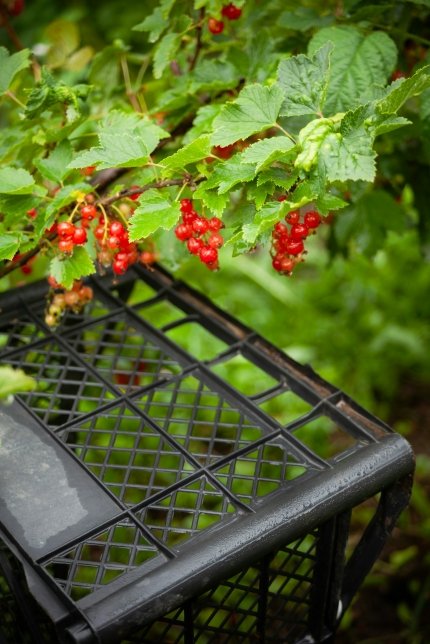
9. Prepare currants in containers for frost
Currants are sometimes grown in large pots on a terrace or balcony.
Such plants require a separate approach.
In open ground, the root system is partially protected by a large volume of soil.
In a container, the substrate cools much faster, especially when frost and wind affect the pot from all sides.
How to reduce the risk of freezing roots
The containers can be moved to a sheltered, cool location that meets the plant's needs during the dormant period.
It is also possible to insulate the outer walls of the pot or temporarily bury the container in the soil.
It is important to ensure drainage.
Do not leave pots in trays filled with water that may freeze.
In winter, the substrate should not be constantly wet, but it is also undesirable to completely dry out the root ball.
10. Can currants be transplanted in the fall?
Fall can be a suitable time for planting and transplanting deciduous berry bushes.
This is especially true for seedlings with an open root system that are planted during the dormant period.
However, you need to make time before the ground freezes and take the weather into account.
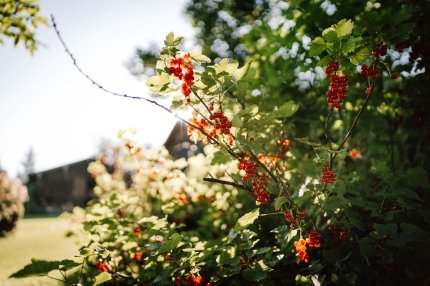
How to plant currants in the fall
Choose a site with sufficient light and well-drained soil.
Remove perennial weeds and prepare the planting hole according to the size of the root system.
The roots should be placed without bending too much.
Planting depth depends on the type of currant and the method of forming the bush.
Blackcurrants are often planted a little deeper than they were growing in the nursery to encourage new shoots to form from the base.
For red and white currants, especially standard forms, the rules may differ.
After planting, the soil is carefully compacted, watered, and mulched.
There is no need to apply concentrated mineral fertilizers directly to the roots.
How does autumn care for black, red and white currants differ?
Although these crops are closely related, their fruiting characteristics are of practical importance.
| Feature | Blackberry | Red and white currants |
| Main fruiting | On young wood | On fruit formations of older branches |
| Purpose of pruning | Regularly replace old shoots | Maintain structure and fruiting branches |
| Basic pruning dates | Dormancy period, often in winter | Mostly late winter - early spring |
| Autumn watering | As needed | As needed |
| Mulching | Useful | Useful |
| Winter shelter | Depends on age and variety | Depends on age and variety |
For all types of currants, the cleanliness of the site, proper humidity, and the absence of stagnant water are important.
But you shouldn't trim them according to one pattern.
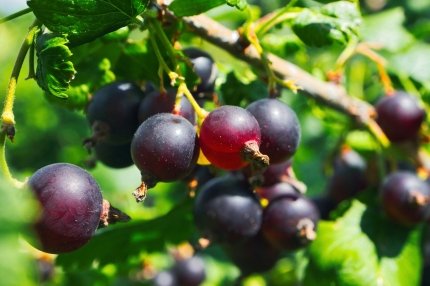
What to do if the currant bush is old and does not bear fruit well
Reduced yield may be due to aging branches, crown thickening, lack of light, unfavorable soil conditions, or diseases.
Therefore, it is not necessary to cut the entire bush to the ground at once.
First, it is worth evaluating its structure.
How to rejuvenate black currants
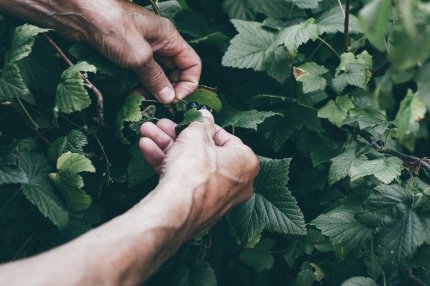
If the bush has many old dark stems and few young shoots, gradual rejuvenation is advisable.
During planned pruning, some of the oldest branches at the base are removed.
This stimulates the development of new shoots.
Rejuvenation can be carried out over several seasons without losing all the productive wood at once.
When is it better to replace an old bush?
If the plant is severely affected by disease, has systematic growth problems, or produces almost no healthy shoots, pruning may not provide the desired result.
In this case, it is worth evaluating the possibility of replacing the bush.
It is advisable to choose a new seedling taking into account the variety's resistance to common diseases.
You should not propagate an old, diseased plant with cuttings.
Is it possible to propagate currants by cuttings in the fall?
Yes, currants can be propagated by lignified cuttings.
For this purpose, healthy mature shoots are used, usually during the plant's dormant period.
This method is especially suitable for black currants.
How to choose a material
Shoots should be healthy, with no signs of pest damage or disease.
There is no need to cut cuttings from branches with suspiciously enlarged buds.
For rooting, use a suitable substrate and provide conditions that prevent drying out or rotting.
However, in the fall, the rooting process depends on soil temperature and the characteristics of the variety.
You should not expect that all cuttings will necessarily take root.
The most common mistakes when preparing currants for winter
Prune all bushes heavily and equally. Black and red currants have different fruiting characteristics.
Applying too much nitrogen in the fall can encourage unwanted late growth.
Water without checking the soil. Excessive water can impair oxygen access to the roots.
Apply mulch directly to the shoots. Constant moisture at the base can contribute to tissue damage.
Leave affected leaves under the bushes. Some pathogens may persist on plant debris.
Using insecticides without identifying the pest does not guarantee results and may create unnecessary risks.
Dig the soil under the currants deeply. It is easy to damage the surface roots.
Cover the bushes tightly with plastic wrap. Condensation may accumulate under the cover.
Do not inspect blackcurrant buds. Abnormally enlarged buds may indicate a mite infestation.
Ignore the condition of young seedlings. Their root system often needs more attention to moisture and winter protection.
A practical plan for preparing currants for winter
If several adult blackcurrant bushes, redcurrants, and a young seedling grow on the site, care can be organized in stages.
First, inspect the plants and remove affected leaves, berries, and dry branches.
Then check the soil moisture.
If the autumn is dry and the soil in the root zone is not sufficiently moist, carry out moderate deep watering.
After that, distribute the organic mulch, leaving a free space at the base of the shoots.
For adult blackcurrants, identify the oldest branches that will need to be removed during the dormant period.
Do not prune red currants in the same pattern: preserve the main fruit-bearing structure.
Near a young seedling, check the condition of the mulch and the possibility of root damage during severe frosts.
In late fall, inspect blackcurrant buds for signs of mite infestation.
This consistent approach allows you to prepare plants for winter without unnecessary pruning and unreasonable use of fertilizers.
Conclusion
Preparing currants for winter does not require complicated procedures if the bushes are healthy and growing in appropriate conditions.
The most important thing in the fall is to remove infected plant debris, monitor soil moisture, renew mulch, and check the condition of shoots and buds.
Basic pruning should be carried out taking into account the dormant period and the characteristics of fruiting: black currants require regular replacement of old branches, and red and white currants require the preservation of productive fruit formations.
Fertilizers should be applied as needed, not according to a calendar. Healthy adult bushes usually do not need additional winter shelter.
FAQ: frequently asked questions about currant care in the fall
What should you do with currants in the fall before winter?
Remove affected leaves and other plant debris, check the condition of branches and buds, assess soil moisture, and water the plants as needed. Then renew the organic mulch. Carry out major pruning during the appropriate dormant period.
When is it better to prune currants - in autumn or spring?
The main pruning is carried out during the dormant period of the plants. For black currants, winter is suitable, and for red and white currants, late winter or early spring, before bud break, is often recommended. In autumn, obviously dry and damaged branches can be removed.
How to feed currants in the fall for a good harvest?
Fertilization should depend on soil fertility and plant condition. Mature compost can be used as organic mulch. Phosphorus and potassium fertilizers should be applied when necessary. Excessive late nitrogen fertilization should be avoided.
Do I need to water currants before frost?
In dry autumns, watering can be beneficial, especially for young bushes. If the soil in the root zone is already sufficiently moist, additional water is not necessary. Water stagnation and frozen ground should not be allowed.
How to properly prune black currants?
In an adult bush, during the dormant period, some of the oldest, dark, and unproductive shoots at the base are removed. Usually, up to a third of the old wood can be removed per season, while maintaining strong young shoots.
Can I prune red currants heavily in the fall?
This is usually not necessary. Redcurrants bear fruit on short fruit formations on older branches. Radical removal of productive wood can reduce yield. Formative pruning is best done according to a scheme appropriate to the type and age of the bush.
How to mulch currants for the winter?
Mature compost, shredded bark, wood chips, and other suitable organic materials are suitable. The approximate thickness of the layer is 5–8 centimeters. Mulch does not need to be poured directly onto the base of the stems.
Is it necessary to cover adult currants for the winter?
Healthy, mature bushes of hardy varieties usually do not need complete shelter. Young seedlings and plants in containers may need additional root protection. Do not tightly wrap bushes with polyethylene.
How do you know if there is a kidney mite on currants?
A characteristic feature is the unnaturally large, rounded buds on blackcurrants. They differ from the usual elongated buds and may not bloom in the spring. With minor damage, individual buds are removed, and severely damaged bushes sometimes have to be replaced.
Can I transplant currants in November?
Yes, if the plant is dormant, the soil has not yet frozen, and weather conditions allow planting. After transplanting, it is necessary to ensure proper contact of the roots with the soil, watering as needed, and mulching. In regions with early severe frosts, the timing may be different.

