
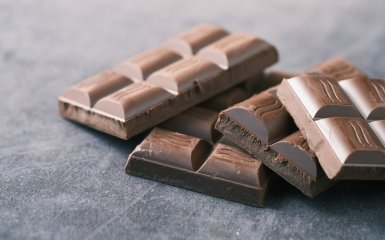
Chocolate can lose its characteristic shine, aroma and delicate texture long before its expiration date. The most common causes are incorrect temperature, high humidity, sunlight or proximity to products with a strong odor. Changes are especially noticeable in the summer, when the temperature in the apartment exceeds 25 °C. Chocolate softens, and after re-cooling, grayish spots may appear on its surface. At the same time, storage in the refrigerator also has disadvantages: temperature changes cause condensation of moisture, which changes the structure of the surface.
It is best to store regular chocolate bars at a temperature of approximately +14–20 °C, relative humidity of 40–65%, in a dry, dark place and tightly sealed. If your home is hot, a refrigerator may be a better solution, but the chocolate should be protected from moisture and foreign odors.
However, dark, milk, white chocolate, and candies with fillings have different shelf lives and storage requirements.
Let's consider where it's best to store chocolate at home, whether it can be frozen, how to prevent the appearance of white plaque, and when you should no longer eat the treat.
What is the best temperature to store chocolate at?
Temperature is one of the most important factors affecting the quality of chocolate.
The basis of traditional chocolate is cocoa products, particularly cocoa butter. It has a complex crystalline structure that determines the characteristic shine, hardness and the way the bar melts in the mouth.
Under the right conditions, chocolate maintains a uniform surface and a pleasant texture.
However, cocoa butter is sensitive to heat and temperature fluctuations.
Optimal storage temperature
For most conventional tiles, manufacturers recommend a range of approximately +14 to +20 °C.
Some professional chocolate makers consider even narrower limits to be optimal — around +16–18 °C.
This does not mean that chocolate will spoil immediately at a temperature of +21 °C.
The duration of heat exposure, product composition, and stability of conditions are important.
It's much worse when the tile heats up every day, softens, and then cools down again.
At what temperature does chocolate start to melt?
Chocolate does not have one universal melting point.
Cocoa butter contains different forms of fat crystals, and milk fat, filling, and other ingredients can affect the behavior of the product.
Many types of chocolate soften noticeably at temperatures around +28–30 °C, and melting increases with further heating.
That is why tiles left in the sun or in a car can lose their shape even if the packaging is not damaged.
For long-term storage, stable moderate coolness is more important than the lowest possible temperature.
Where is the best place to store chocolate at home?
The best place is a dry, closed closet or pantry without significant temperature fluctuations.
It is necessary to take into account not only the air temperature, but also the proximity of heat sources, lighting and humidity.
In the kitchen cabinet
A cupboard is good for chocolate if the room is not excessively hot.
It is advisable to choose a place away from the stove, oven, radiators, and electric kettle.
A cabinet directly above the hob is a bad option, even if the rest of the kitchen remains cool.
During cooking, the air around the stove heats up and the steam increases humidity.
You should also not store open chocolate next to coffee, spices, garlic, and other aromatic foods.
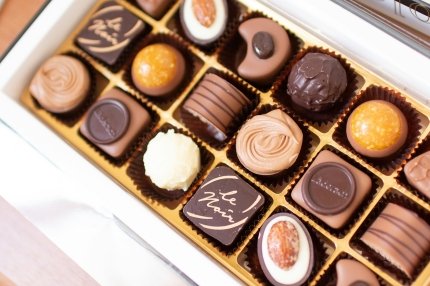
In the pantry
If the pantry is dry, clean, and cool, it can provide better conditions than the kitchen.
This is especially true for apartments, where the temperature of living rooms increases significantly in the summer.
However, a cold basement with high humidity is not necessarily suitable for chocolate.
Excessive moisture can negatively affect its surface and packaging.
On an open shelf
Keeping chocolate on an open shelf is only permissible under appropriate conditions.
Direct sunlight and heat from lighting fixtures can heat the packaging.
Even if the air temperature in the room is acceptable, the tiles near the window may heat up more.
Therefore, for long-term storage it is better to choose a closed place.
Can you store chocolate in the refrigerator?
Yes, chocolate can be stored in the refrigerator, but for regular bars, this is not always the best solution.
The main problems are humidity, foreign odors, and temperature differences between the refrigerator and the room.
If chocolate sits in the refrigerator without proper packaging, it may lose some of its flavor or change its texture.
However, during the summer heat, the refrigerator is often a better option than a warm kitchen.
When a refrigerator is really needed
If the temperature at home regularly exceeds +24–25 °C, chocolate may gradually lose its properties.
In such a situation, it is advisable to protect it from heat using a refrigerator.
Refrigeration may also be required for certain chocolate desserts with creamy, cheesy, or other perishable fillings.
However, such products must be stored according to the manufacturer's instructions or the requirements of a specific recipe.
A regular dark chocolate bar and a chocolate ganache cake are not the same products in terms of storage conditions.
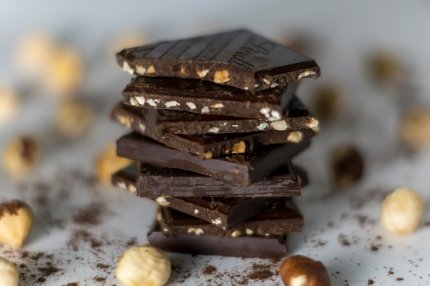
How to properly put chocolate in the refrigerator
To reduce the risk of condensation and foreign odors, you should follow several rules:
Leave the chocolate in its original packaging if it is not damaged.
If necessary, additionally wrap the tile in suitable food-grade material.
Place it in a dry, airtight container.
Place in the main compartment of the refrigerator, away from foods with strong odors.
Before consumption, allow the chocolate to gradually warm up without opening the packaging.
The last point is particularly important.
If a cold tile is immediately unpacked in a warm room, condensation may form on its surface.
Moisture can dissolve some of the sugar, which later leads to the appearance of a light, rough coating.
How long to keep chocolate out of the fridge before opening
There is no exact universal interval.
A small tile will heat up faster than a large box of chocolates.
A few hours are often enough to gradually equalize the temperature.
The main thing is not to open the airtight package while the chocolate remains significantly colder than the surrounding air.
When it comes to a perishable dessert with cream, the rules are different: it cannot be left at room temperature for a long time just to improve the texture.
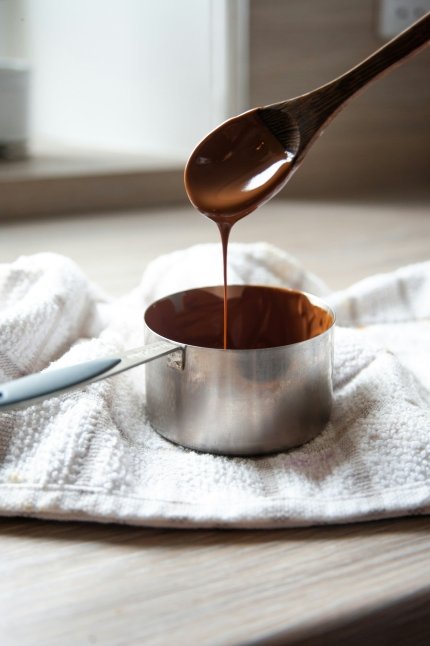
How to properly store dark, milk and white chocolate
Different types of chocolate have different compositions.
The content of cocoa products, dairy components, sugar and additional ingredients affects the aroma, texture and shelf life.
Black chocolate
Dark chocolate usually contains cocoa mass, cocoa butter, and sugar.
It may contain fewer components sensitive to oxidation and loss of freshness than dairy varieties.
Therefore, some bars with a high cocoa content have a relatively long shelf life.
However, this depends on the specific recipe.
To preserve its distinct flavor, dark chocolate must be protected from heat, moisture, and foreign odors.
It is especially important not to keep it near coffee or spices in an open package.
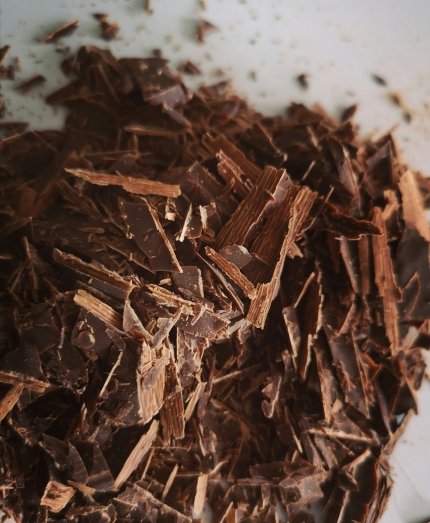
Milk chocolate
Milk chocolate contains dairy components that give it its characteristic flavor and texture.
Compared to many types of dark chocolate, it may be more sensitive to flavor changes during long-term storage.
However, this does not mean that milk chocolate must be kept in the refrigerator.
At a stable temperature of around +14–20 °C, a dry closet remains a suitable location for most conventional tiles.
White chocolate
White chocolate is usually made from cocoa butter, sugar, and dairy ingredients without the cocoa mass that gives dark chocolate its dark color.
Its delicate flavor profile can be more easily altered by foreign odors.
Therefore, tight packaging is particularly important.
At the same time, the statement that white chocolate should always be stored only in the refrigerator is incorrect.
If the manufacturer recommends storing in a cool, dry place, this is usually sufficient.
How long does chocolate last: shelf life
There is no universal expiration date for all chocolate.
It depends on the composition, production technology, packaging and storage conditions.
According to manufacturers, many regular chocolate products have a stated shelf life of approximately 9–12 months. Some types of dark chocolate with a high cocoa content can maintain proper quality for up to 15–18 months.
However, these are examples of production times, not a rule that can be applied to any tile.
The most reliable guide is the date and storage conditions indicated on the packaging of a specific product.
| Type of chocolate | Storage features | What to focus on |
| Black without filling | Usually retains quality well in cool conditions | Manufacturer's date; some types have a long shelf life |
| Dairy without filling | Needs protection from heat and odors | Date on the package |
| White chocolate | Sensitive to odors and changes in texture | Date on the package |
| Chocolate with whole nuts | Freshness of nuts and fats is important | Declared shelf life of a specific product |
| Chocolate with wafers or cookies | The filling may lose its crispiness. | Manufacturer's date and packaging condition |
| Caramel candies | The shelf life depends on the humidity and composition of the filling. | Manufacturer's instructions |
| Candies with fresh cream | Can be perishable | Special conditions and shorter term |
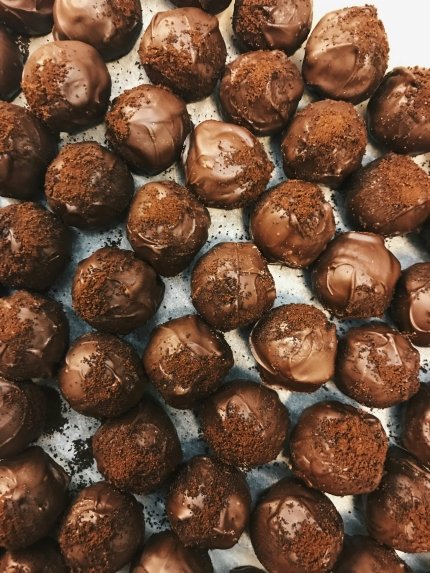
| Homemade truffles | Depends on the recipe, especially the water content | Recipe conditions and refrigeration storage |
You should not determine the shelf life of filled chocolate solely by the shelf life of the outer chocolate shell.
The filling is often the main factor limiting shelf life.
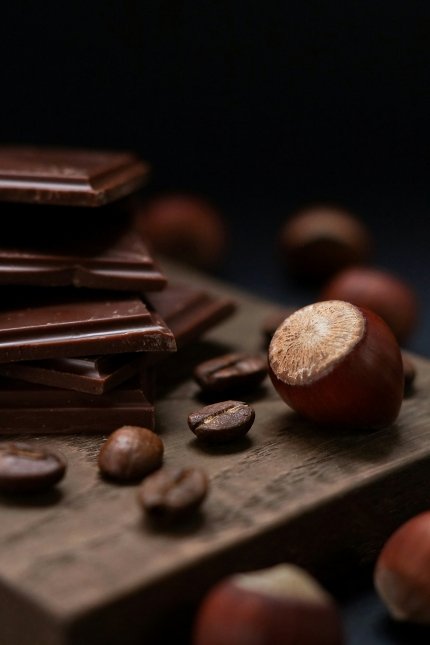
Why filled chocolate needs special attention
Chocolate candies may contain cream, fruit puree, nut pastes, caramel, liqueurs, and other ingredients.
Each of them affects the product's shelf life in different ways.
A particularly important indicator is water activity, a characteristic that reflects the availability of moisture for microbiological and chemical processes.
Why cream filling can spoil faster
Fresh cream contains a significant amount of water.
After mixing with chocolate, a ganache is formed, which can have a different shelf life depending on the recipe.
Professional manufacturers use special technologies, water activity control, and other methods to ensure the expected shelf life.
Therefore, you cannot transfer the long shelf life of industrial chocolates to homemade truffles.
For example, fresh homemade ganache with cream, in the absence of a proven long-term storage recipe, should be considered a perishable product.
It should be kept in the refrigerator and used within the time limit specified by the safe recipe.
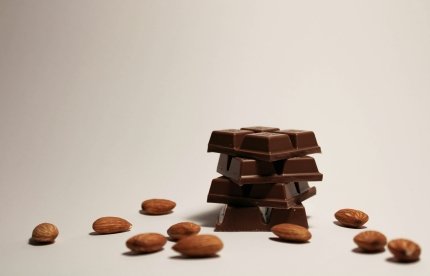
Does chocolate with nuts spoil faster?
Nuts contain fats that can oxidize.
Because of this, chocolate with nuts can develop an unpleasant rancid taste over time.
The quality of the nuts, storage conditions, and the tightness of the packaging are especially important.
If the tile has a distinct smell of old oil or a bitter rancid taste, this indicates a deterioration in its quality.
Do not try to mask such changes by heating or adding the product to baking.
Why chocolate turns white: what does a light coating mean?
A white or grayish coating on chocolate is often perceived as a sign of mold.
However, in regular chocolate bars, it often occurs due to physical changes in the fat or sugar.
This phenomenon is called chocolate graying .
There are two main types.
Fatty graying
Fatty deposits occur due to changes in the structure of cocoa butter.
For example, the tile was heated in a store or at home, some of the fats changed location, and after cooling, light stripes appeared on the surface.
This graying can also occur due to the transfer of fats from the filling to the chocolate shell.
The surface sometimes looks dull or covered with grayish spots.
In the absence of other signs of spoilage, fatty graying of regular chocolate does not in itself indicate danger.
However, the taste, shine, and characteristic crunch may deteriorate.
Sugar graying
Sugar plaque is associated with moisture.
When condensation forms on cold chocolate, the water can dissolve some of the sugar on the surface.
After drying, the moisture evaporates, leaving sugar crystals.
This gives the chocolate a light, rough appearance.
Sugar graying often occurs after suddenly moving the tile from the refrigerator to a warm room.
Can you eat chocolate with a white coating?
If it is specifically about fat or sugar graying of regular chocolate, the product does not necessarily become dangerous.
However, it is important not to confuse such changes with mold or other spoilage.
If chocolate has wet areas, a fluffy coating, an unusual odor, damaged filling, or has been stored under questionable conditions, it should not automatically be considered safe.
You should be especially careful when evaluating candies with fruit, milk, and cream fillings.
The white color alone is not enough to reliably determine the cause of the plaque.
Can you freeze chocolate?
Regular chocolate bars can be frozen, but this method has limitations.
Low temperature alone does not necessarily destroy chocolate.
The main problems are related to temperature changes, water condensation and possible structural changes.
Freezing may be appropriate if you need to preserve a supply of regular chocolate and there is no consistently cool place.
However, for most tiles, it is not necessary under normal storage conditions.
How to prepare chocolate for freezing
First of all, you need to protect it from moisture and odors.
A practical way is to leave the tile in its original packaging, seal it additionally, and place it in a container or suitable freezer bag.
It is important that the packaging remains intact.
If the product is already open, it should be divided into convenient portions so as not to defrost the entire supply several times.
How to properly defrost chocolate
The most important thing is to avoid sudden condensation.
The tile can be gradually moved from the freezer to the refrigerator, and then to a cool room.
The package should be left closed until the temperature equalizes.
You don't need to immediately put the frozen chocolate near a radiator or on a sunny windowsill.
Can you freeze chocolate candies?
It depends on the filling.
Plain hard chocolate products can tolerate freezing better than candies with complex creamy or fruit fillings.
Some fillings change consistency, become flaky, or lose their flavor after defrosting.
For finished products, the manufacturer's recommendations must be taken into account.
You should not freeze a perishable dessert just to extend its shelf life if the product has already been stored incorrectly.
How to store chocolate after opening the package
Open tiles are more exposed to air, moisture, and foreign odors.
Therefore, it needs to be protected from the environment.
The easiest solution is to wrap the leftovers tightly in the original wrapper and place them in an airtight container.
For long-term storage, it is better to use packaging that does not allow foreign odors to pass through.
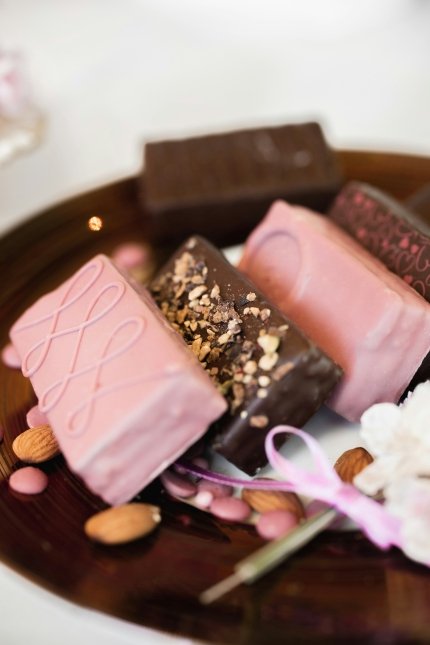
Can you store chocolate in foil?
Food foil is suitable for packaging chocolate.
It helps protect the surface from light and contact with the environment.
However, it does not always provide complete tightness by itself.
Therefore, it is advisable to use an additional container or bag for the refrigerator that closes tightly.
Can you keep several types of chocolate in one container?
It is possible, but it is advisable to separate the tiles and take into account their composition.
For example, chocolate with mint, coffee, or other flavorings can transfer odors to other products.
Also, don't mix regular bars with candies that require refrigeration.
If the storage conditions of the products are different, it is better to keep them separate.
What to do if chocolate melts and freezes again
Chocolate can lose its shape in the heat, even if the packaging remains closed.
After cooling, the tile hardens again, but its structure may change.
For example, chocolate becomes grainy, dull, or begins to break unevenly.
The reason lies in changes in the crystalline structure of cocoa butter.
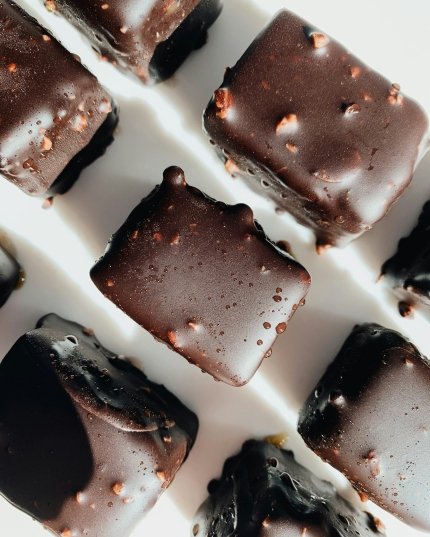
Can you eat chocolate after it has been refrozen?
If regular chocolate has melted in a clean, sealed package, has not been in contact with moisture, shows no signs of spoilage, and remains within its shelf life, the change in form alone does not necessarily make it unsafe.
However, the taste and texture may differ significantly from the original.
A different situation is chocolate with creamy, milky, or other perishable filling.
If such a product has been kept warm for a long time, contrary to storage conditions, it cannot be considered safe just because it has solidified again.
Can chocolate that has lost its shape be used for baking?
Regular chocolate that has only changed its texture due to heating can often be used to make brownies, cupcakes, or frosting.
During the melting process, the initial shine is no longer as important.
But this is not a way to restore a damaged product.
Chocolate with mold, a rancid smell, or questionable filling should not be used for baking.
How to store chocolate in the summer when it's hot at home
Summer temperatures can be a major problem for storing chocolate in Ukrainian apartments.
Especially if the housing is located on the top floor or the windows face the sunny side.
At temperatures around +28–30 °C, even ordinary tiles can quickly lose their shape.
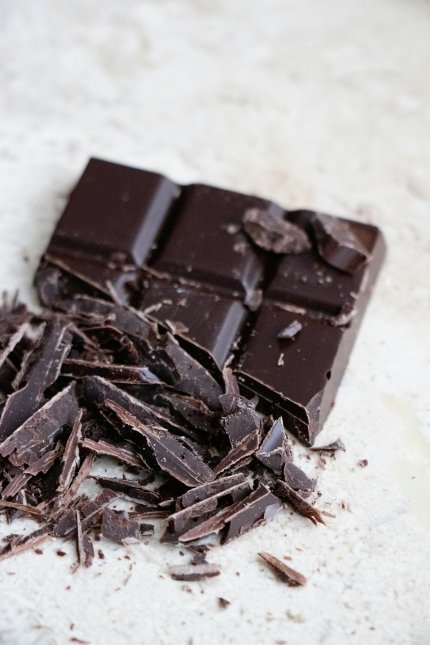
What to do without air conditioning
If there is no consistently cool room in the apartment, a refrigerator is often the most practical solution.
It is necessary to hermetically package chocolate and avoid repeatedly moving it between heat and cold.
It is better to immediately divide the stock into portions.
Then you can only take out the amount you plan to consume.
Can you leave chocolate in the car?
In hot weather, it is undesirable.
The temperature inside the car can be significantly higher than the outside temperature.
Even a short exposure to the sun can cause chocolate to soften or melt.
If you need to transport expensive chocolate products in the summer, it is worth using thermally insulated packaging.
However, the cold element should not come into direct contact with the chocolate without protective packaging, as this can cause local supercooling and condensation.
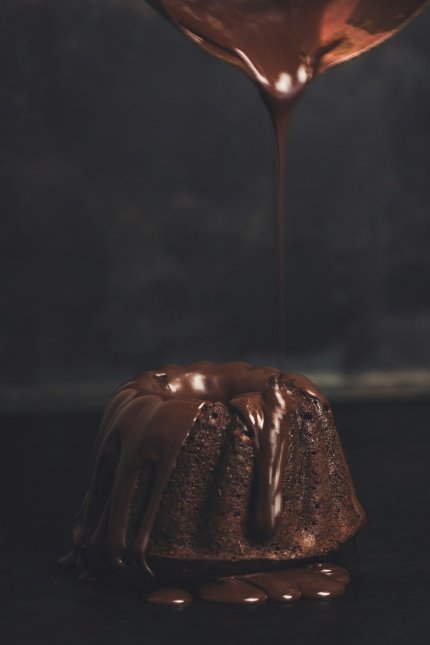
How to store chocolate during power outages
If chocolate is in the refrigerator and the power goes out, the question arises whether it needs to be urgently moved to another location.
For ordinary tiles without perishable filling, a short-term increase in temperature can primarily affect quality.
There is no need to constantly open the refrigerator to check the condition of the chocolate.
On the contrary, frequent opening accelerates the flow of warm air.
If the outage is long, it is important to assess the indoor temperature and the availability of a cool place.
However, normal food safety rules apply to chocolate cakes, fresh ganache, and other perishable desserts.
Such products should not be left without proper refrigeration indefinitely.
What is the difference between the shelf life and the preservation quality of chocolate?
The date may be worded differently on the packaging.
For regular chocolate, the designation "best before" is often used.
It usually refers to the period during which the producer expects the product to maintain its proper flavor and texture characteristics under specified conditions.
Can you eat chocolate after the "best before" date?
For conventional sealed tiles, the expiration of such a period does not always mean an immediate loss of safety.
However, the aroma, taste, fat structure, and texture may change over time.
If chocolate contains nuts, dairy ingredients, or other additives, their condition also affects the quality.
Storage conditions and packaging integrity are important.
For chocolate with perishable filling, it is necessary to adhere to the specified time and temperature regime.
When is it better to throw away chocolate?
You should not consume the product if you have:
Visible mold or suspicious fluffy coating.
Unusual rancid or other unpleasant odor.
Signs of spoilage of the filling.
Damaged packaging with possible contamination.
Traces of insects or other pests.
The storage conditions of the perishable chocolate dessert are unknown.
You should not taste test suspicious chocolate.
This is especially true for products with creamy and fruit fillings.
Seven mistakes that make chocolate lose its flavor faster
Even a quality product can deteriorate if not cared for properly.
The most common mistakes relate to storage location and packaging handling.
1. Storage near a heat source
An oven, stove, radiator, or sunny windowsill can heat chocolate much more than the surrounding air.
2. Constant movement between the refrigerator and the room
Sharp temperature changes contribute to the appearance of condensation and sugar graying.
3. Open tile storage
Without protective packaging, chocolate absorbs odors and comes into contact with moisture more quickly.
4. Neighborhood with fragrant products
Coffee, spices, fish, and some other foods can affect the flavor of chocolate.
5. Buying a large stock without proper conditions
Even expensive chocolate will not maintain its quality indefinitely.
If there is no cool place at home, large stocks can gradually lose their properties.
6. Evaluating suitability based on white coating only
Graying is not always a sign of deterioration, but not every light coating can automatically be considered harmless.
It is necessary to take into account the type of chocolate, its composition and storage conditions.
7. Applying the same rules to bars and desserts
Regular dark chocolate, caramel candies, and cream cake require different conditions.
The most dangerous thing is to store perishable fillings according to the rules of regular chocolate bars.
How to properly store chocolate: a quick guide
For most regular chocolate bars, you can use the following guidelines.
| Parameter | Recommendation |
| Temperature | Approximately +14–20 °C |
| Air humidity | About 40–65% |
| Lighting | Dark place without direct sun |
| Packaging | Tight, protected from odors and moisture |
| Kitchen cabinet | Suitable if dry and cool |
| Refrigerator | Allowed in heat with airtight packaging |
| Freezer | Possible for individual products, taking into account quality |
| Unpacking after the cold | After gradual temperature equalization |
| Expiration date | According to the labeling of a specific product |
| Chocolate with filling | According to the filling requirements and manufacturer's instructions |
These rules primarily apply to regular chocolate bars.
For truffles, ganache, chocolate cakes and products with fresh fillings, separate food safety requirements must be considered.
Conclusion
Chocolate best retains its flavor, aroma, and texture in a cool, dry, and dark place with a stable temperature of approximately +14–20 °C.
A refrigerator is not required for regular bars, but it can help in the summer heat. The key is to seal the packaging and gradually bring the chocolate back to room temperature.
A white coating is often caused by fat or sugar graying and does not always indicate spoilage. However, chocolate with creamy, fruit, and other perishable fillings requires special attention.
The most reliable way to preserve quality is to adhere to the conditions and expiration date specified by the manufacturer, prevent overheating, and avoid sudden temperature changes.
FAQ: Frequently Asked Questions About Storing Chocolate
Where is the best place to store chocolate at home?
For regular chocolate bars, a dry, dark cupboard or cool pantry with a temperature of approximately +14–20 °C is best. The bars should be protected from the sun, moisture and foods with strong odors.
Can chocolate be stored in the refrigerator?
Yes, especially if it's hot at home. However, the chocolate should be sealed to protect it from moisture and odors. It's a good idea to gradually warm it to room temperature before opening the package.
At what temperature does chocolate start to melt?
The temperature depends on the composition. Many types of chocolate soften noticeably at around +28–30 °C. Milk fat, cocoa butter and other ingredients affect the melting process, so there is no universal temperature for all bars.
Why does a white coating appear on chocolate?
The most common cause is fat or sugar graying. The former occurs due to changes in the crystalline structure of fats, the latter due to contact with moisture and recrystallization of sugar. Both processes can change the appearance and texture of the chocolate.
Can you eat chocolate if it has turned white?
If it is specifically a matter of fat or sugar graying of ordinary tiles, this does not necessarily mean danger. However, if there is mold, an unpleasant odor, suspicious filling, or unknown storage conditions, the product should not be consumed.
How long can dark chocolate be stored?
The shelf life depends on the composition and manufacturer. Some types of dark chocolate have a stated shelf life of up to 15–18 months, but this is not a universal rule. You need to be guided by the date and storage conditions of a specific bar.
Can chocolate be frozen?
Yes, regular chocolate can be frozen in an airtight container. However, after defrosting, the shine and texture sometimes change. Condensation and sudden temperature changes should be avoided. For products with fillings, the suitability for freezing depends on the recipe.
How to store chocolate after opening?
It is better to wrap the remaining tiles tightly and place them in an airtight container. Store them in a cool, dry place without foreign odors. If the room is too warm, you can use a refrigerator with additional moisture protection.
Can you eat chocolate after its expiration date?
This depends on the type of label, the ingredients, and the storage conditions. The “best before” date is mostly about the quality of the product. However, chocolate with perishable fillings may have stricter restrictions, and violation of storage conditions makes the date a less reliable guide.
How to preserve chocolate in the summer without air conditioning?
If the temperature at home regularly exceeds +24–25 °C, it is advisable to hermetically package regular chocolate and put it in the refrigerator. To avoid a white coating, the bar should be taken out in advance and not opened until its temperature gradually approaches room temperature.
The material is for informational purposes only. Storage conditions for chocolate products may vary depending on the composition, filling, and production technology. For perishable chocolate desserts, the manufacturer's recommendations and food safety rules must be followed. Self-medication can be harmful to health; if symptoms of food poisoning appear, you should first consult a doctor.

