
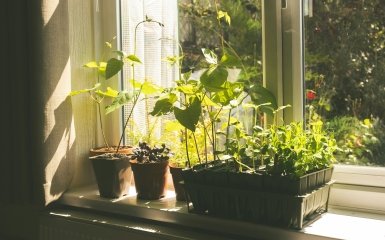
Repotting houseplants seems simple: just buy a larger pot, fill it with fresh soil, and move the plant in. However, it is at this stage that even unpretentious ficuses, monsters, spathiphyllums, and succulents can start to turn yellow, lose leaves, or stop growing. Most often, the problem arises due to improperly selected pot size, root damage, excessive compaction of the substrate, or overwatering after transplanting.
The best time to repot most houseplants is in spring and early summer, when they are actively growing. The new pot should usually be only 2–5 cm wider than the previous one, and the substrate should meet the needs of the particular species.
At the same time, it is not necessary to transplant the plant every year. If the root system has enough space, the soil remains suitable, and the plant develops normally, the procedure can be postponed.
Let's consider how to determine the need for transplantation, choose the right pot and soil, avoid damaging the roots, and help the plant adapt to new conditions.
Why do you need to repot houseplants?
Houseplants grow in a limited amount of substrate. Over time, their root system can fill almost the entire pot, and the soil gradually changes its properties.
Organic components decompose, the substrate compacts, and the number of air spaces necessary for the roots to work decreases.
Because of this, water can be distributed unevenly, and the root system may not receive enough oxygen.
Transplanting helps solve several problems:
Provide additional space for roots.
Replace old or compacted substrate.
Improve air access and drainage of excess water.
Check the condition of the root system.
Eliminate the effects of some soil problems.
However, not every transplant involves increasing the size of the pot.
Sometimes it is enough to replace part of the substrate or transplant the plant into the same container.
How to know when it's time to repot a houseplant
It is not enough to focus only on the calendar.
Some young plants quickly master the volume of the pot, while adult slow-growing specimens can remain in the same container for years.
The most reliable way to assess the need for a transplant is to examine the root system.
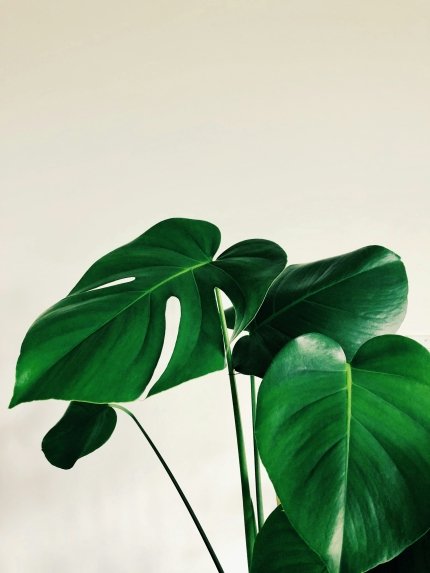
The main signs that the plant has become cramped
Please note the following changes:
Roots actively emerge through the drainage holes.
A dense mass of intertwined roots formed inside the pot.
The substrate dries very quickly after watering.
Water flows along the walls, almost without wetting the root ball.
The plant became unstable due to the ratio of the crown and pot sizes.
Growth slowed noticeably under normal lighting and care.
A single root that has appeared from below does not mean that the plant needs to be transplanted immediately.
Some species naturally form long roots that seek moisture.
It is more important to check how tightly they fill the entire volume of the pot.
When the problem is not in a cramped pot
Yellowing leaves and slowed growth may be due to lack of light, overwatering, pests, or temperature stress.
If you transplant a plant without finding out the reason, its condition sometimes worsens.
For example, spathiphyllum can lose the elasticity of its leaves not only due to a lack of moisture, but also due to damage to the roots in constantly wet soil.
Therefore, before transplanting, it is important to assess not only the appearance, but also the moisture content of the substrate, lighting, and the condition of the roots.
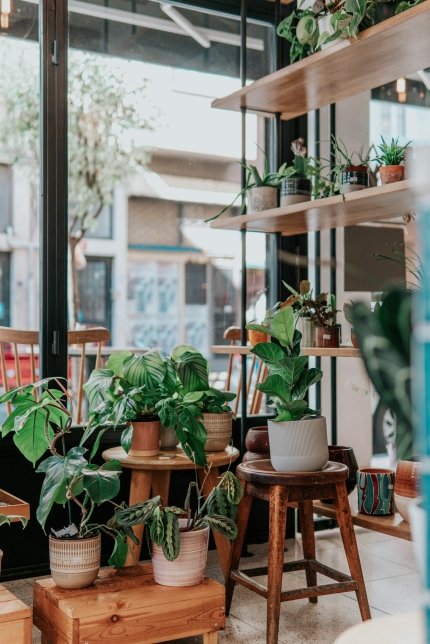
When is it better to transplant houseplants?
For most popular ornamental and deciduous plants, the most favorable period is spring, when the length of daylight hours increases and active growth begins.
At this time, the root system usually absorbs the new substrate more quickly.
The beginning of summer is also suitable for many species.
However, the specific time depends on the plant and growing conditions.
Can plants be transplanted in the fall?
It is possible if there is a justified need.
For example, when the substrate has started to rot, serious problems with the roots have been detected, or the pot is damaged.
However, it is better to postpone planned transplanting of a healthy plant in low light until it is actively growing.
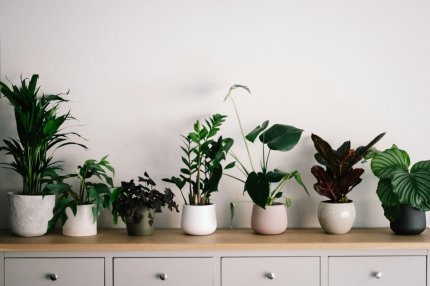
Can flowers be transplanted in winter?
Many houseplants grow more slowly in winter.
Due to the lack of natural light, the new substrate may remain moist longer, increasing the risk of overwatering.
The exception is emergency transplanting, when leaving the plant in the old soil poses a greater risk.
For species with winter active growth or flowering, calendar recommendations may differ.
Should I transplant a flowering plant?
If the plant is actively blooming and has no problems with its roots, it is advisable to wait until flowering is complete.
Root damage and changing conditions can cause buds to drop prematurely.
However, if there is root rot or another serious problem, repotting may be necessary even during flowering.
How often should you repot houseplants?
There is no universal "once a year" rule.
Fast-growing young plants may need to be repotted more frequently. Large adult specimens sometimes remain in the same container for several years.
| Plant type | When to check for the need for a transplant |
| Young fast-growing plants | Every year or according to actual root development |
| Monsteras, philodendrons, epipremnums | When the roots fill the pot |
| Adult ficuses | Often once every few years |
| Spathiphyllums | For compaction of the root ball |
| Sansevieria and Zamioculcas | Preferably after the pot is noticeably full |
| Cacti and succulents | By the condition of the roots and substrate |
| Phalaenopsis | Often after 1–2 years or due to substrate destruction |
These are guidelines, not a mandatory schedule.
A healthy plant that is growing well in its existing pot does not need to be disturbed just because a certain amount of time has passed.
How to choose the right pot for transplanting
A pot that is too large is one of the most common causes of problems after transplanting.
When the root system is small and there is a lot of substrate around it, a significant portion of the soil can remain moist for a long time.
In such conditions, the roots receive less oxygen, and the risk of rotting increases.
How many centimeters larger should the new pot be?
For most small and medium plants, increasing the diameter by about 2–5 cm is sufficient.
For example, if the old pot has a diameter of 12 cm, you can consider a new one with a diameter of 14–15 cm.
For a large plant, the allowable growth may be greater.
However, it is important to consider the size of the root system, not just the height of the leaves.
Plastic or ceramic pot
Both options may be suitable.
Plastic pots are lightweight, affordable, and usually retain moisture longer because water hardly evaporates through their walls.
Unglazed ceramic pots are porous, so the substrate in them often dries out faster. They are heavier, which can be an advantage for tall plants.
However, the material does not compensate for improper watering.
For most houseplants, container size, drainage holes, and soil properties are more important.
Can I plant a plant in a pot without holes?
A decorative planter without drainage holes is best used as an outdoor container.
You can place a regular plastic pot with holes inside.
After watering, you need to check to see if water has accumulated at the bottom of the pot.
Constantly leaving roots in water can cause rot.
Do I need expanded clay at the bottom of the pot?
The common advice to pour a few centimeters of expanded clay or pebbles into the bottom of the pot to improve drainage does not correspond to how water moves in the substrate.
Studies of container soil properties show that a layer of coarse material under a finer substrate does not necessarily accelerate water drainage.
On the contrary, it can raise the zone of excessive moisture closer to the roots.
What actually provides good drainage
The three most important factors are:
Sufficient number of drainage holes.
A permeable substrate with an appropriate structure.
Correct watering regime.
Expanded clay can be used as a component of some special mixtures or growing systems, but a thick layer at the bottom of a regular pot is not required.
If substrate spills out through large holes, they can be covered with a small piece of mesh without blocking the water drainage.
What soil to choose for repotting houseplants
Universal substrate is suitable for many ornamental deciduous plants, but not for all.
The main task of the soil mixture is to simultaneously provide the roots with moisture, nutrients, and oxygen.
That is why the structure is important, not just the label on the package.
For monstera, philodendron and epipremnum
These plants usually thrive in a breathable substrate that retains a moderate amount of moisture.
The mixture can use fine bark, perlite, coconut fiber, and other structural components.
However, there is no universal proportion for all aroid plants.
The composition needs to be adjusted depending on the frequency of watering, lighting, and air humidity.
For ficuses, spathiphyllums and other deciduous plants
Many species are suitable for a quality substrate for houseplants with sufficient air permeability.
If the mixture is too dense, it can be improved with appropriate components, such as perlite.
Do not arbitrarily add large amounts of sand: fine sand in certain mixtures can even worsen the structure.
For cacti and succulents
Most desert cacti need a substrate that quickly drains excess water.
For this purpose, special mixtures with mineral components are used.
Ordinary dense all-purpose soil without additional structural materials can remain too wet.
For orchids
Phalaenopsis should not be planted in regular potting soil.
Most of these orchids are grown in a special bark-based substrate that provides air access to the roots.
Additional components may include sphagnum moss and other materials depending on the conditions of detention.
How to properly transplant a houseplant: step-by-step instructions
For most common houseplants, repotting while preserving a significant portion of the root ball is suitable.
This helps reduce root damage.
Step 1. Prepare everything you need
You will need a clean pot, suitable substrate, water, a tray, and, if necessary, garden shears.
Tools need to be cleaned, especially if they have previously come into contact with diseased plants.
It is worth using gloves when working with prickly or irritating plants.
Step 2. Check the moisture content of the old substrate
A slightly damp root ball is often easier to remove without damage.
If the soil is very dry and hardened, you can moisten it moderately beforehand.
However, it is not necessary to water the plant immediately before the procedure, especially if it is already suffering from waterlogging.
Step 3. Carefully remove the plant
Hold the pot, supporting the base of the plant and the root ball.
If it doesn't come out, gently squeeze the walls of the plastic container or tap them lightly.
Do not pull the plant by the leaves or thin stems.
Step 4. Inspect the roots
Healthy roots may be light, cream, brown, or other shades depending on the species.
Color itself is not a universal indicator.
Instead, soft, slimy tissues with an unpleasant odor may indicate decay.
If the roots are tightly twisted around the root ball, they can be carefully untangled.
There is no need to completely wash a healthy root system from the old substrate without a specific reason.
Step 5. Place the plant in a new pot
Pour the appropriate amount of substrate into the bottom and install the root ball.
Keep approximately the same planting depth as before.
The root collar or base of the stem should not be buried unnecessarily.
Fill the empty space with fresh substrate, carefully compacting it with your fingers.
Leave about 1–2 cm from the soil surface to the edge of the pot for convenient watering.
Step 6. Water and ensure adaptation
Most common ornamental foliage plants need to be watered carefully after transplanting so that the substrate is evenly moistened and settles around the roots.
Excess water should drain freely.
After that, there is no need to repeat watering until the substrate reaches the appropriate moisture for the species.
For cacti, succulents with damaged roots, and certain orchids, the regimen may vary.
When to water houseplants after transplanting
The rule that all houseplants should be left without water for two or three days is wrong.
For most common deciduous plants, the first watering is done immediately after transplanting.
This helps to evenly moisten the substrate and ensure root contact with the new mixture.
At the same time, excessive watering is dangerous, especially if the pot has become much larger.
Is it necessary to water a cactus immediately after transplanting?
If the roots of a succulent were damaged or cut during repotting, it is often advisable to allow the damaged areas to dry out before watering heavily.
The duration depends on the type and nature of the damage.
If the root system remains intact, the recommendations may be different.
Therefore, one scheme is not suitable for a cactus, spathiphyllum, and orchid at the same time.
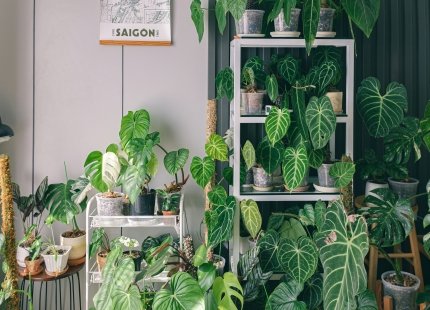
How to care for a plant after transplanting
Even careful transplanting can temporarily affect the functioning of the root system.
This phenomenon is often called transplant stress.
During the first few days, the plant sometimes looks less resilient or loses a few older leaves.
Do I need to change the lighting?
After transplantation, it is advisable to avoid a sharp increase in lighting.
Plants that normally receive bright light can be temporarily protected from intense midday sun.
However, there is no need to move a light-loving species to a dark corner.
It is better to leave him in familiar conditions, reducing additional stress factors.
When can you fertilize?
Fertilizer is often not needed immediately after transplanting.
Fresh substrate may already contain a supply of nutrients, and the root system needs time to adapt.
For most common houseplants, it is advisable to wait about 2–4 weeks or longer, depending on the condition of the roots and the composition of the mixture.
If the substrate contains a long-acting fertilizer, additional feeding may not be needed for even longer.
There is no need to automatically add growth stimulants to the first watering.
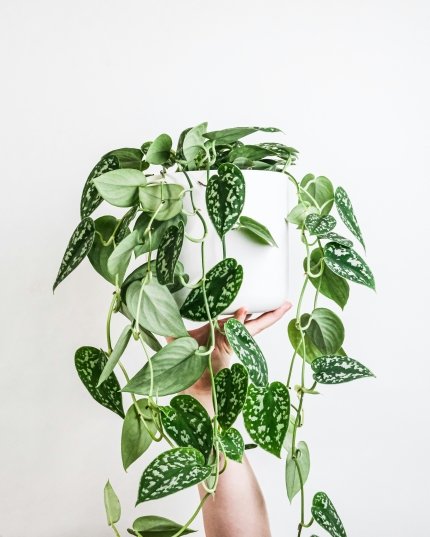
How to transplant orchids, cacti and large plants
Certain groups require a special approach.
Transplanting a Phalaenopsis orchid
The most important thing is to assess the condition of the bark and roots.
If the substrate has decomposed, become too dense, or remains wet for a long time, it needs to be replaced.
Use a special orchid mix, do not bury the center of the rosette, and do not prune healthy aerial roots just because of their appearance.
In the absence of an urgent need, transplanting is often carried out after flowering, when new roots begin to actively grow.
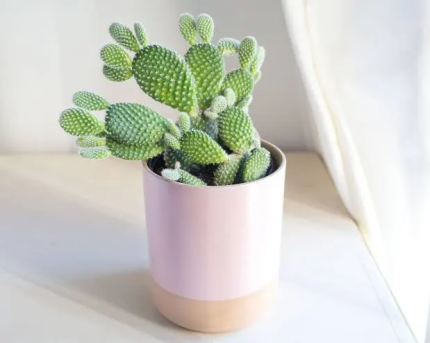
Transplanting cacti and succulents
You need to use a permeable substrate and a pot of the appropriate size.
It is convenient to support prickly plants with tightly folded paper or special protective gloves.
There is no need to choose a much larger container, as excess wet substrate can damage the roots.
Transplanting a large ficus or monstera
For large plants, repotting into an even larger container is not always practical.
Sometimes it is enough to gently renew the top of the substrate.
If necessary, a professional will perform partial root pruning and return the plant to the same container.
However, significant pruning of the root system without experience can weaken the plant.
Ten common mistakes when transplanting
1. Too big a pot
A large amount of substrate around a small root system retains moisture longer.
2. Lack of drainage holes
Water accumulates at the bottom of the container, which increases the risk of rotting.
3. Thick layer of pebbles on the bottom
Such a layer does not necessarily improve drainage and may reduce the useful depth of the soil.
4. Inappropriate substrate
Ordinary universal soil is not suitable for all orchids, cacti, and other specialized groups.
5. Complete cleaning of healthy roots
Unnecessary removal of all old substrate can injure the delicate roots.
6. Excessive soil compaction
Strong compaction reduces the number of air gaps.
7. Planting too deep
Deepening the stem base can contribute to tissue damage in sensitive species.
8. Excessive watering
Especially dangerous for plants with damaged roots or in a pot that is too large.
9. Nutrition immediately after the procedure
Excessive fertilizer concentration can create additional stress on the roots.
10. Simultaneous change of all conditions
Repotting, moving into direct sun, and sudden changes in watering can increase stress.
Why does a plant turn yellow or wilt after transplanting?
A slight temporary deterioration in appearance may be a reaction to root damage.
However, prolonged wilting, massive yellowing, and softening of the stem require attention.
The first thing you need to do is check the moisture content of the substrate.
If the soil remains wet for many days, there may be a problem with aeration or a pot that is too large.
If it is completely dry, the roots may not be getting enough water.
You shouldn't automatically increase watering just because the leaves have drooped.
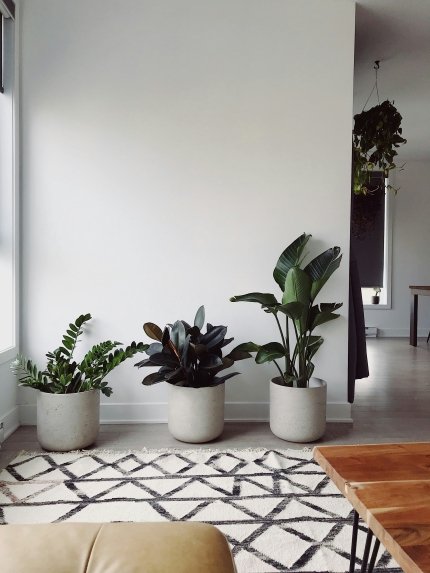
When re-transplantation is needed
Repeated intervention is justified if root rot, unsuitable substrate, or a serious planting error is detected.
However, replanting the plant again after a few days is usually not necessary due to only moderate yellowing of the leaves.
It is much more important to provide stable conditions and watch for new growth to emerge.
Do I need to repot the plant immediately after purchase?
Not always.
A plant that has come from the store to the apartment is already adapting to the new temperature, lighting, and humidity.
Additional interference with the root system can increase stress.
If the pot matches the size of the plant and the substrate remains suitable, repotting can be postponed.
However, if there are signs of rot, dangerous waterlogging, or other serious problems, you need to act sooner.
It is also advisable to keep new plants separate from the existing collection for a while to check for pests.
Conclusion
Properly repotting houseplants starts with assessing the roots, not buying a new pot.
For most species, a period of active growth, a slight increase in the container, and fresh, breathable substrate are best.
Special attention should be paid to drainage holes, planting depth, and watering after the procedure.
Not all plants need to be repotted annually, and over-involvement can be just as harmful as a cramped pot. The main thing is to take into account the specifics of the particular species and create conditions for the healthy development of the root system.
FAQ: Frequently Asked Questions About Repotting Houseplants
When is the best time to repot houseplants?
For most popular indoor plants, the best time to repot is during spring and early summer, when plants are actively growing. However, root rot or other serious problems may require repotting regardless of the season.
How do you know if a plant needs a bigger pot?
The main signs are a dense root ball, active roots emerging through the holes, rapid drying of the substrate, and slowed growth. The safest thing to do is to carefully remove the root ball and check how full it is of roots.
How many centimeters should I increase the pot size?
For most small and medium-sized plants, increasing the diameter by about 2–5 cm is sufficient. A container that is too large can retain excess moisture for a long time. The exact size depends on the development of the root system.
Do I need to pour expanded clay on the bottom of the pot?
No, for a regular pot with drainage holes, a thick layer of expanded clay is not necessary. It does not guarantee better water drainage. More important are a permeable substrate, drainage holes, and proper watering.
Do I need to water the plant immediately after transplanting?
Most common ornamental foliage plants are watered gently after transplanting. However, for cacti, succulents with damaged roots, and certain orchids, the regime may differ. Further watering is determined by the condition of the substrate.
Why do leaves turn yellow after transplanting?
Causes can include transplant stress, root damage, overwatering, or a change in lighting. A small loss of older leaves is sometimes temporary, but massive yellowing and softening of the stem requires checking the roots and soil moisture.
Can I repot houseplants in winter?
Yes, if there is an urgent need. However, it is better to carry out planned repotting of most plants during active growth. In winter, the substrate often dries more slowly, so the risk of overwatering increases.
Can I use regular garden soil?
For indoor pots, it is usually not the best choice. Such soil can become compacted, contain pests, or have an inappropriate structure. It is more practical to use a high-quality substrate selected for a specific group of plants.
When can you feed a plant after transplanting?
It is often recommended to wait at least 2–4 weeks, and sometimes longer. This depends on the condition of the roots and the nutrient content of the substrate. If the fresh mixture already contains long-acting fertilizers, additional feeding may not be necessary.
Is it necessary to transplant a flower immediately after purchase?
No. If the plant is healthy, the substrate is suitable, and the roots have enough space, it is best to let it adapt to the new location. Immediate repotting is justified in case of serious problems with the roots, substrate, or container.

