

Cravings for sweets are not always a matter of willpower. They can be exacerbated by lack of sleep, stress, irregular eating, or going too long between meals. Often, the body asks for quick energy, and the hand reaches for cookies, candy, or a bar. A complete ban on sweets rarely works in the long run. Instead, it is more useful to have foods on hand that give a pleasant taste, but at the same time contain fiber, protein, or healthy fats. These are the snacks that can help reduce the amount of store-bought sweets in your diet without strict restrictions.
Why do you crave sweets?
The desire to eat something sweet can arise for various reasons. The most common of them are:
irregular eating - if you skip breakfast or lunch, you will crave fast carbohydrates more in the evening;
there is little protein in the diet - meals without sufficient satiety quickly bring back hunger;
lack of fiber - vegetables, fruits, whole grains and legumes help you feel fuller for longer;
lack of sleep - can affect appetite and desire for high-calorie food;
stress and fatigue - sweets often become a way to quickly get pleasant sensations;
a habit — for example, a daily cookie with coffee or dessert after dinner.
So the question is not just what to eat instead of candy. It's also important to understand when and why sugar cravings arise.
Why store-bought sweets are easy to overeat
Store-bought sweets are usually designed to be as appealing as possible: sweet taste, soft or crunchy texture, fat content, flavorings, and sometimes salt. Such products provide quick satisfaction, but often do not satiate well.
Cookies, waffles, chocolate bars, glazed desserts and sugary drinks can all contain a lot of added sugar. Organisations such as the WHO and the NHS recommend limiting the amount of free sugars in your diet. This doesn’t mean dessert is “off limits”, but it’s best not to make it a daily staple snack.
Whole foods work differently. Fruits, berries, plain yogurt, nuts, or baked sweet potatoes not only have a sweet taste, but also other components that can help with satiety.

1. Fruits and berries — natural sweetness with fiber
Fruit instead of sweets is one of the easiest options when you're craving something sweet. They contain natural sugars, but also water, fiber, acidity, and micronutrients. As a result, an apple, pear, or handful of berries is usually more filling than the same amount of sugar in a drink or candy.
What to choose
For a snack, the following are suitable:
apples;
pears;
berries;
citrus fruits;
kiwi;
peaches or plums in season;
banana if you need a heartier option.
Fruit can be combined with natural yogurt, nuts, or seeds. This way, the snack will be more balanced: the sweetness will be complemented by protein or fats, and the feeling of satiety can last longer.
An important caveat: fruit juice is not the same as whole fruit. Juice has less fiber, is consumed more quickly, and may not be as filling.

2. Natural yogurt or kefir without sugar
Natural, unsweetened yogurt or kefir can be the basis for a quick dessert. Their advantage is protein and a fermented milk base that goes well with berries, fruit, cinnamon, seeds, or a small amount of nuts.
Simple combination ideas
sugar-free yogurt + berries + chia or flax seeds;
kefir + banana + cinnamon;
Greek yogurt + apple + a few nuts;
natural yogurt + frozen berries as an alternative to ice cream.
It’s best to read the ingredients carefully. Some “fruit yogurts” contain added sugar or syrups, so they may be closer to a dessert than a balanced snack.
If you are lactose intolerant or have other restrictions, you should choose alternatives individually. Plant-based yogurts can also be an option, but it is advisable to check whether they do not contain a lot of added sugar.

3. Nuts and seeds — when you want something sweet and crunchy
Sometimes, a sweet craving isn't just about the taste, but also about the desire to "chew on something crunchy." Nuts and seeds can help in this situation. They contain fat, protein, and fiber, so they often make a snack more filling.
Suitable:
almond;
walnuts;
hazelnut;
cashews;
pumpkin seeds;
sunflower seeds;
sesame or tahini in a small amount.
Nuts go well with fruit: for example, an apple with a few nuts can satisfy hunger better than an apple alone. But it is important to remember: nuts are high in calories. This is a healthy product, but not a “food without restrictions”.
People with allergies should also be careful. If there are reactions to nuts or seeds, such snacks should be excluded and alternatives should be discussed with a doctor.
4. Sweet potatoes, pumpkin and baked fruits - a warm alternative to dessert
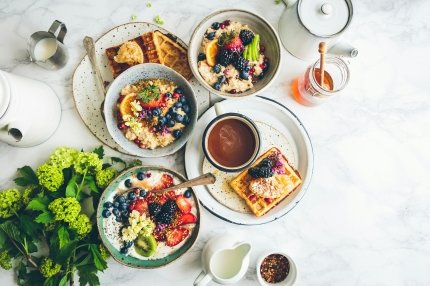
When you want not just a sweet, but a warm dessert, it's worth trying naturally sweet foods after baking. Sweet potatoes, pumpkin, carrots, apples, or pears taste sweeter without adding sugar.
What can you cook?
baked apple with cinnamon;
sweet potato slices with a little oil and spices;
pumpkin baked with cinnamon or nutmeg;
carrot sticks, baked until soft;
pear baked with natural yogurt as a topping.
These can be a good option for evening meals when you don't want a cold snack. They give the feeling of a dessert, but remain closer to a whole meal than cakes or waffles.
For people who are monitoring their blood glucose levels, the amount and combination of such products should be discussed with a specialist. Even naturally sweet foods can have different effects on your well-being.
5. Dark chocolate is a compromise, not a license for everything
Dark chocolate can be a good compromise if you really want the chocolate flavor. It usually has a richer flavor, so a small amount is enough for many people.
But it’s important not to overdo it. It’s not a “cure” for sugar cravings, and it’s not something you can eat without control. It can also be high in sugar and calories.
How to choose
Pay attention to:
short and clear composition;
the amount of added sugar;
no unnecessary toppings, caramel, cookies or sweet fillers;
your own reaction: if chocolate provokes overeating, it is better to choose another snack.
Sometimes it's healthier to eat a small piece of quality chocolate consciously than to forbid yourself everything and then eat more store-bought sweets because of a breakdown.

How to make a snack so you crave sweets less
It’s not just single “magic” foods that work best, but combinations. If a snack contains only fast carbohydrates, hunger can return more quickly. Adding protein, fiber, or fat often helps keep you full longer.
A simple snack formula:
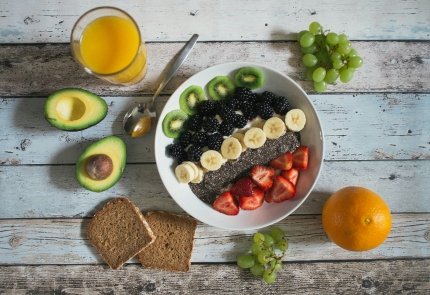
something sweet made from whole foods: fruit, berries, baked apple, pumpkin;
protein source: natural yogurt, kefir, cottage cheese, egg or other appropriate product;
some fats: nuts, seeds, tahini;
sugar-free drink: water, tea, coffee without syrups.
Examples:apple + natural yogurt;
berries + Greek yogurt + a few nuts;
baked sweet potato + sugar-free yogurt sauce;
banana + peanut butter without added sugar in a small amount;
pear + walnuts.
These options won't guarantee that you'll never crave sweets again, but they can help reduce impulse snacking on cookies, candy, or candy bars.
Common mistakes when replacing sweets
Replacing store-bought desserts doesn't always automatically make your diet more balanced. There are a few common mistakes.
Replace sweets with juices
Juice seems healthier because it's made from fruit. But it doesn't provide as much fiber as whole fruit, and it's easy to drink too much. It's better to choose fruit or berries.
Eat lots of dried fruits
Dates, raisins, dried apricots, or figs may be part of your diet, but they are a concentrated source of natural sugars. It's easy to overeat them, especially if you eat them straight from the package.
Considering “fitness” bars as healthy by default
Some bars contain a lot of syrups, glazes, or sweeteners. It’s worth reading the ingredients and not just focusing on the words “protein,” “natural,” or “sugar-free.”
Completely forbid yourself from sweets
Strict restrictions can exacerbate obsessive thoughts about food. For many people, moderation works best: plan dessert, eat it slowly, and don't make it a daily automatic ritual.
When to consult a specialist
Cravings for sweets are usually not dangerous in themselves. However, you may need to consult a doctor or dietitian if:
the desire for sweets has become dramatically stronger for no apparent reason;
there is constant fatigue, severe thirst, weight changes, or other symptoms;
you have diabetes, insulin resistance or suspected glucose metabolism disorders;
have eating disorders or compulsive food control;
after sweets, you often feel unwell;
there are chronic gastrointestinal diseases, allergies or medical dietary restrictions.
In such cases, universal advice from the Internet does not replace individual consultation.
FAQ
Can you eat sweets every day?
It's okay if it's a small amount and your overall diet remains balanced. But if daily sweets crowd out normal meals or are difficult to control, it's worth reviewing your habits.
What to eat in the evening instead of sweets?
You can choose natural yogurt with berries, a baked apple with cinnamon, a pear with a few nuts, or a warm sweet potato. The main thing is not to make the snack too big and to take into account your own well-being.
Are dried fruits useful instead of sweets?
Dried fruits may be a better option than candy, but they contain a lot of natural sugars in a concentrated form. They are best eaten in small portions and paired with nuts or yogurt.
Can I have dark chocolate if I have sugar cravings?
Yes, in moderation. Dark chocolate can help satisfy a chocolate craving, but it is not a health food and may also contain sugar.
Why do you crave sweets after dinner?
The cause may be habit, an insufficiently filling lunch, not enough protein or fiber, fatigue or stress. Sometimes a more balanced lunch and a planned snack instead of an automatic dessert can help.
Will fruit help you lose weight?
Fruits alone do not guarantee weight loss. But they can be part of a balanced diet and help replace higher-calorie store-bought sweets. The result depends on the entire diet, activity, sleep and health status.
What to give children instead of store-bought sweets?
You can offer fruits, berries, natural yogurt without sugar, homemade baked apples, cottage cheese with fruit, or nuts if the child is old enough and there is no risk of allergies or choking. For young children, it is better to coordinate the products and portions with a pediatrician.
When can sugar cravings be a warning sign?
If it is accompanied by extreme fatigue, extreme thirst, frequent urination, weight changes, binge eating, or anxiety around food, you should see a doctor.
Conclusion
It's easier to cut back on store-bought sweets in your diet if you don't fight it, but prepare healthier alternatives. Fruits, berries, natural, unsweetened yogurt, nuts, seeds, sweet potatoes, pumpkin, baked fruits, and a small amount of dark chocolate can help to satisfy your sweet tooth more gently.
The best approach is not prohibition, but balance. Regular meals, enough protein, fiber, sleep, and fewer ultra-processed snacks often work better than another strict diet.
Informational Disclaimer: The material is for informational purposes only and does not constitute individual medical or dietary advice. If you have diabetes, insulin resistance, eating disorders, allergies, chronic conditions, or special dietary needs, please consult a doctor or qualified dietitian.

