

Laser hair removal seems like a simple service: choose a studio, sign up, take a course. But in practice, the result and safety depend not only on the price or a beautiful office. The type of device, settings, skin condition, the qualification of the master, preparation for the procedure and an honest assessment of contraindications are important. If you are looking for laser hair removal in Dnipro, it is worth evaluating not only the area and promotions, but also how responsibly the studio works with risks.
What you should know before booking a laser hair removal appointment
Laser hair removal is a method of hair removal using light energy, which is absorbed by the pigment in the hair. The energy is converted into heat and affects the hair follicle. That is why dark hair on lighter skin usually responds best, but modern devices can work with different phototypes, provided the correct settings are made.
It is important to understand: the procedure does not guarantee complete hair removal forever. In most people, after the course, the hair becomes less, it may be thinner and grow more slowly. But the result depends on the hormonal background, area, hair color, skin phototype, regularity of sessions and professionalism of performance.
Before your first recording, you should ask yourself three questions:
Are you ready to undergo a consultation, not just a “quick session”?
whether there is a fresh tan, irritation or damage in the treatment area;
whether you are taking medication or have any conditions that need to be discussed with a specialist.
Which device to choose: diode, alexandrite and other options
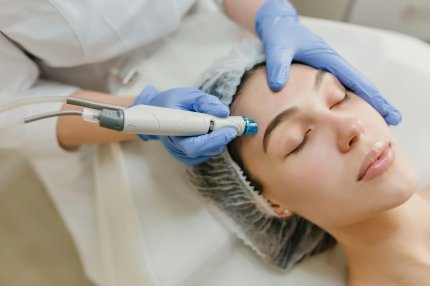
A common question is which laser hair removal device is best. Most often, clients compare diode laser, alexandrite laser, and combined systems. But there is no universal answer.
Diode lasers are often used for different areas and phototypes, while alexandrite lasers can be effective for certain skin and hair combinations. In some cases, the settings, cooling system, experience of the technician, and proper skin assessment are more important than the type of laser.
Why there is no “best laser for everyone”
The same device can work differently depending on:
skin phototype;
hair color, thickness and density;
processing areas;
the presence of tan or pigmentation;
skin sensitivity;
intervals between procedures;
energy, pulse and cooling settings.
Blonde, gray, or very red hair usually responds less well to laser hair removal because it contains less pigment. If a studio promises equally strong results for all hair types, it's a good idea to ask questions.
How to understand that the master works professionally
A good laser hair removal specialist will not begin the procedure without a brief consultation. He or she should ask questions about your health, medications, allergies, tanning, previous treatments, pregnancy, breastfeeding, skin conditions, or recent cosmetic procedures.
Signs of a professional approach:
the master explains how the procedure works and what to realistically expect;
clarifies contraindications to laser hair removal;
assesses skin and hair before the session;
do not perform the procedure on irritated, injured or freshly tanned skin;
warns of possible reactions: redness, slight swelling, feeling of warmth;
gives clear recommendations before and after the session;
willing to postpone the procedure if there are risks.
If the master belittles your questions, promises "100% results," or suggests starting without a review or clarification, it's better to look for another option.
Office security: what to check on site
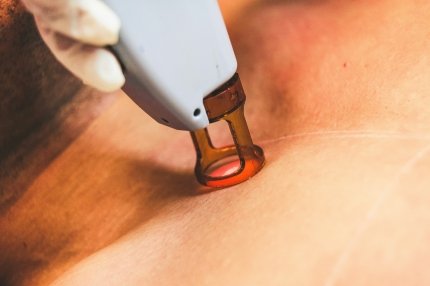
Safe laser hair removal does not begin with pressing a button on the machine, but with a protocol. The office should have conditions that reduce the risk of burns, irritation, and infectious complications.
Pay attention to the following details:
you and the master are given protective glasses;
the device attachment is clean, disposable or properly processed materials are used;
there is a cooling system or other method of controlling thermal exposure;
the craftsman works with gloves where appropriate;
the skin is examined before the procedure;
the office is clean, there are no used materials chaotically laid out;
you are explained what to do after the procedure;
If necessary, they can provide information about the device, personnel training, or equipment certification.
Don't be shy about asking about the device. A laser hair removal studio that operates transparently will usually respond normally to such questions.
Contraindications and situations when the procedure should be postponed
Laser hair removal has contraindications and limitations. These need to be discussed individually, especially if you have chronic conditions or are taking medications.
The procedure may be postponed or a doctor's consultation may be recommended under the following conditions:
fresh sunburn or sunburn;
active irritation, rash, infection or skin damage in the treatment area;
taking medications that can increase sensitivity to light;
oncological diseases or treatment period - only after medical consultation;
pregnancy - the issue should be discussed with a doctor, and many studios refrain from performing the procedure;
exacerbation of dermatological diseases;
recent aggressive cosmetic procedures in this area;
tendency to pigmentation disorders or scarring - requires careful assessment.
This list is not exhaustive. If in doubt, it is best to consult a dermatologist before your first session.
How to prepare for the first session
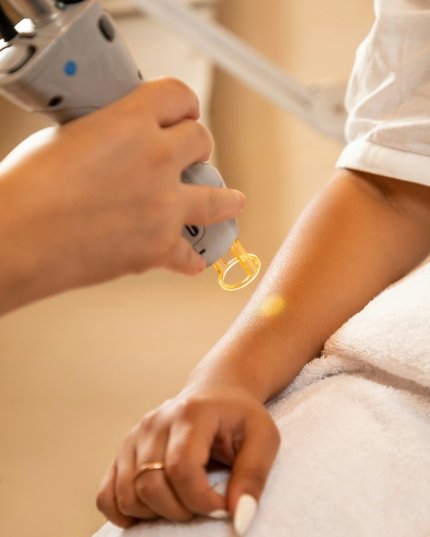
Preparing for laser hair removal affects both comfort and safety. The studio may provide specific recommendations, but the basic rules are usually similar.
Before the procedure you should:
do not sunbathe or visit a solarium before the session;
do not pull out hair with wax, sugaring or tweezers in the area where the laser is planned;
shave the area as recommended by the specialist, often this is done the day before or on the day of the procedure;
do not apply aggressive acids, retinoids or irritants to the area without consultation;
report all medications you are taking;
Do not hide pregnancy, breastfeeding, skin reactions, or recent procedures.
If the skin is irritated after shaving, there are cuts or rashes, it is better to postpone the session and agree on a new date.
Aftercare after laser hair removal
Your skin may be sensitive after the procedure. It is normal to experience some redness, a slight burning sensation, or a feeling of warmth. Your practitioner should usually explain which reactions are expected and which require treatment.
After the session, it is usually advised to:
do not overheat the skin in the first few days: sauna, hot bath, intensive training can increase irritation;
do not tan and protect exposed areas from the sun;
use SPF on exposed areas as recommended by a specialist;
do not rub the skin with harsh scrubs;
do not apply aggressive agents to the treated area without prior approval;
Do not pull out hairs between sessions.
If severe pain, blisters, severe swelling, oozing, dark spots appear, or the reaction does not go away, you should consult a doctor or dermatologist.
How to choose laser hair removal in Dnipro: a practical checklist
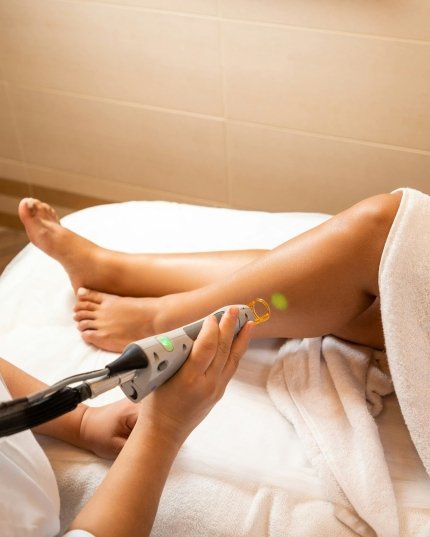
When you are looking for laser hair removal in Dnipro or comparing several studios, don't limit yourself to the first page of results or the lowest price. Convenient location is important, but it shouldn't be the only criterion.
Before recording, check:
Is there a consultation before the first session?
whether they ask about contraindications;
what device is used and are its features explained;
are there safety glasses and cooling;
Is it possible to ask a question about the master's training?
Are there real reviews with details, not just general phrases?
do they promise a guaranteed result for a minimum number of procedures;
Are the described preparation and care rules clear?
Do they transparently explain what the price of laser hair removal in Dnipro depends on?
Useful questions before the first visit:
What type of laser is used for my phototype?
Is the procedure suitable for my hair color?
What are the contraindications for my situation?
What if I am taking medication?
How to prepare for the first session?
What reactions are normal after the procedure?
When should you see a doctor?
Typical customer mistakes
The most common mistake is to focus only on the discount. A low price in itself does not mean poor quality, but if it is not accompanied by a consultation, eye protection, explanation of contraindications and normal hygiene, the risks increase.
Other errors:
come for the procedure after active tanning;
not reporting medications or illnesses;
pull out hair between sessions;
expect full results after one visit;
perform the procedure on irritated skin;
ignore recommendations after the session;
choose a master only based on the "before/after" photo, without specifying the conditions.
Laser hair removal for sensitive skin is not always possible and not in every mode. Consultation, test assessment of reaction and careful settings are especially important here.

FAQ
Is laser hair removal painful?
The sensation depends on the area, skin sensitivity, device type, cooling, and settings. It is often described as warmth, tingling, or a brief “pinch.” If the pain is sharp or unbearable, you should tell your therapist immediately.
How many treatments may be needed?
The number of sessions depends on the area, hair color and thickness, hormonal factors and skin reaction. The exact number should not be promised before the start of the course. The master can only give an approximate plan after a consultation.
Can I have laser hair removal in the summer?
It is possible under certain conditions, but you should avoid active tanning before and after the procedure and carefully protect exposed areas from the sun. If the skin is tanned or irritated, the session may be postponed.
Is laser suitable for light or gray hair?
Blonde, gray, or very red hair usually responds less well to laser treatment because it contains less pigment. It is important to discuss your expectations honestly with your specialist before your treatment.
Can I do the procedure after tanning?
After a fresh tan, the procedure is usually postponed, as the skin may be more sensitive to heat and the risk of irritation or pigmentation is higher. The exact timing should be determined by a specialist after an examination.
What questions should you ask the master before the first session?
Ask about the type of device, contraindications, preparation, aftercare, possible reactions, eye protection, cooling, and experience working with your skin phototype.
When should I see a doctor after the procedure?
If there is severe pain, blisters, significant swelling, signs of infection, pronounced dark spots, or the reaction is getting worse rather than better, it is best to see a doctor or dermatologist.
Can I have laser hair removal during pregnancy?
Many studios refrain from performing laser hair removal during pregnancy. The final decision regarding any procedures during this period should be discussed with a doctor.
Conclusion
How to choose laser hair removal in Dnipro? Look beyond price, area, and advertising. A safe choice consists of several elements: the right device, a qualified technician, pre-procedure consultation, hygiene, eye protection, proper preparation, and an honest discussion of contraindications.
If the studio explains the risks, doesn't promise the impossible, and is willing to postpone the procedure if necessary, that's usually a better sign than aggressive promises of quick results.
Disclaimer: The material is for informational purposes only and is not a substitute for the advice of a physician, dermatologist, or other qualified professional. If you have a skin condition, chronic condition, are pregnant, taking medication, or have concerns about the safety of the procedure, please seek individual advice.

