

Laser hair removal in Lviv is available in salons, studios and medical centers, but the quality of the service can vary significantly. It’s not just the price and location of the office that matter. Safety is affected by the type of device, settings, skin condition, preparation, the experience of the master and whether you were asked the right questions before the procedure. A competent choice helps reduce the risk of burns, pigmentation, irritation and disappointment with the result. Below is a practical guide to what you should check before making an appointment.
How laser hair removal works and why the results vary
Laser hair removal works by using light energy that is absorbed by the melanin in the hair. The energy is converted into heat and acts on the hair follicle. This is why the procedure usually works better on darker hair, especially if it contrasts with the skin.
The result depends on several factors:
hair color, thickness and density;
skin phototype;
processing areas;
hormonal features;
hair growth phases;
regularity of procedures;
correctness of the device settings.
Blonde, red, gray, or very fine, vellus hair may react less well. Therefore, promises of “removing everything permanently in a few sessions” should be taken with a grain of salt. It is more accurate to talk about a long-term reduction in the number and density of hair, rather than a guaranteed complete removal.
Which laser hair removal device to choose?
The laser hair removal device should be tailored to your skin type, hair color, and treatment area. There is no one-size-fits-all option.
Before recording, you should ask:
what type of laser is used;
Does the device have a cooling system?
whether the equipment is undergoing maintenance;
who selects the parameters of the procedure;
do they do a test area as needed;
Do they provide safety glasses?
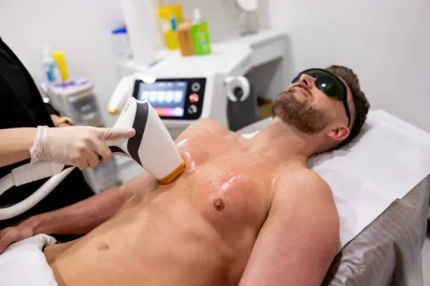
Diode laser
Diode lasers are often used for different areas of the body. They can be effective for dark hair and different skin phototypes, but safety depends on the specific model, cooling, and settings. It is important that the master does not work "according to a template", but assesses the skin and hair before the procedure.
Alexandrite laser
Alexandrite laser is often used for lighter skin types with dark hair. It can produce dramatic results, but requires careful consideration of sun exposure and the risk of pigmentation. If the skin has recently been tanned, the procedure may be postponed.
Nd:YAG laser
The Nd:YAG laser can be used on darker skin types because it has different light penetration characteristics. However, this does not mean that it is automatically safe in every situation. The right parameters, specialist experience and risk assessment are required.
IPL and laser are not the same thing
IPL is intense pulsed light, not a laser in the strict sense. Such systems are also used to reduce hair growth, but have a different radiation principle. If a laser hair removal studio in Lviv calls any light device a “laser”, it is worth clarifying the details.
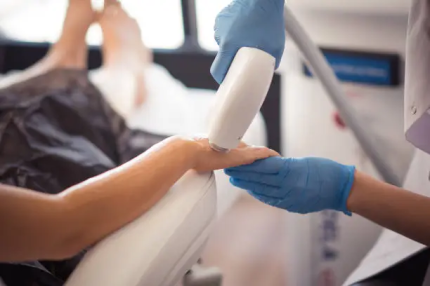
Procedure safety: what should be in the office
Safe laser hair removal does not start with the power of the device, but with the work protocol. The office should have basic things, without which it is better not to carry out the procedure.
Pay attention to the following signs:
you and the master are given protective glasses;
the nozzle is processed or disposable materials are used where necessary;
the master explains the sensations during the procedure;
parameters are not set randomly;
there is a skin cooling system;
before the first session, health information is collected;
You will be explained possible reactions and post-procedure care.
Short-term redness, a feeling of warmth, and mild sensitivity may be normal. However, severe pain, blisters, severe burning, or a significant change in skin color are reasons to stop the procedure and seek medical advice.
How to evaluate a master or clinic in Lviv
A laser hair removal specialist should not just “handle the manipulator.” He or she is responsible for skin assessment, selection of parameters, communication during the procedure, and timely response to adverse reactions.
When choosing a laser hair removal clinic in Lviv or a studio, pay attention not only to the interior. The following criteria are more important:
the specialist can explain what device he is working with;
does not promise the same result for everyone;
asks questions about health, medications, tanning, and previous reactions;
honestly talks about restrictions for blonde or gray hair;
does not insist on the procedure if there are doubts about safety;
gives clear recommendations before and after the session;
does not devalue your feelings during the procedure.
Reviews can be helpful, but they should be read critically. Evaluate not only the overall "stardom" but also whether people write about the consultation, cleanliness, the technician's reaction to discomfort, and the transparency of the conditions.

Consultation before the first session: what questions should you be asked?
If before the first procedure you are immediately offered to lie down on the couch without asking any questions, this is a red flag. A consultation is needed not as a formality, but to assess the risks.
Before the procedure, the specialist should clarify:
whether there is pregnancy or breastfeeding;
have you recently been tanning, using a tanning bed, or using a self-tanner;
What medications do you take;
are there any skin diseases, irritations, rashes in the treatment area;
were there burns, pigmentation or scars after the procedures;
whether peels, injections or hardware procedures were performed on this area;
how have you removed your hair recently;
What result do you expect?
It is also worth asking if a patch test is required - a trial treatment of a small area. It does not guarantee a complete absence of reactions, but can be useful for sensitive skin or doubts about the parameters.
Contraindications and situations when it is better to postpone the procedure
Laser hair removal has contraindications. Some of them are temporary, some require a doctor's consultation. The final decision should be made by a specialist after collecting anamnesis, and in case of medical doubts - by a doctor, preferably a dermatologist.
The procedure is often postponed or performed only after consultation if there is:
active irritation, rash, wounds or inflammation in the treatment area;
fresh tan or sunburn;
tendency to pronounced pigmentation or keloid scars;
taking medications that can increase sensitivity to light;
recent aggressive peels or traumatic procedures;
exacerbation of chronic skin diseases;
history of cancer or active treatment - only after consulting a doctor;
Pregnancy is a question that should be discussed with a doctor, and many studios do not perform the procedure in such cases.
Don't hide information about your medications or health conditions. This is not "extra formality," but part of security.
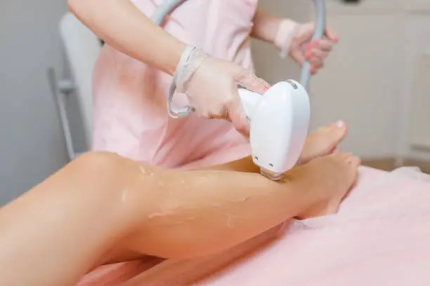
Preparing for laser hair removal
Preparing for laser hair removal reduces the risk of irritation and helps you perform the procedure correctly. Your studio or clinic should provide specific recommendations, but the general principles are as follows:
do not tan before the procedure and do not come with a sunburn;
do not remove hair with wax, sugaring or tweezers before the course, unless the master says otherwise;
shave the area in advance according to the specialist's recommendations;
do not apply aggressive products, acids, retinoids or perfumed cosmetics to the treatment area on the day of the procedure;
report new medications, rashes, or irritations;
do not plan the procedure before active sun exposure, sauna, or intense sports.
If in doubt, it is better to postpone the session than to risk a burn or pigmentation.
Post-procedure care and normal reactions
Aftercare after laser hair removal is usually aimed at soothing the skin and protecting it from irritants. After the session, redness, slight swelling around the follicles, and a feeling of warmth may occur. Such reactions often resolve on their own, but the duration depends on the sensitivity of the skin and the area.
After the procedure, it is usually advised to:
avoid active sun and use sunscreen in open areas;
temporarily avoid visiting the sauna, swimming pool, hot tubs;
do not rub the skin with scrubs and hard washcloths;
do not apply aggressive acids, retinoids or alcohol-based products to the treated area;
wear looser clothing if the area is prone to friction;
Do not pull out the hair that gradually comes out after the procedure.
If blisters appear, there is severe pain, oozing, severe pigmentation, or the reaction does not go away, do not treat it with "traditional methods." It is better to consult a doctor.
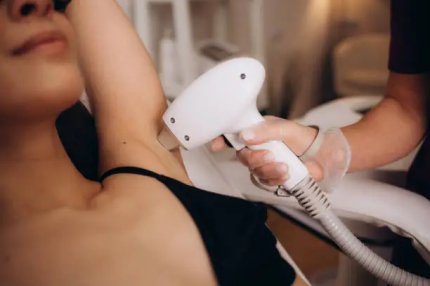
Mistakes when choosing laser hair removal in Lviv
The most common mistake is to focus only on price. Promotions can be a normal marketing tool, but too low a price without an explanation of the device, qualifications, and safety protocols should be a cause for concern.
Other errors:
to sign up without a consultation;
not asking what kind of device is being used;
believe the promises of "pain-free for all";
hide medication or tanning;
perform the procedure on irritated skin;
choose a master only based on photos on social networks;
not reading the course conditions and intervals between procedures;
expect the same result in all areas.
How to choose the right laser hair removal? Don't look for the "cheapest" or "fastest" option, but rather a place where you are asked questions, the risks are explained, and there is no pressure to make a decision.
Checklist before recording
Before choosing a laser hair removal studio in Lviv, ask the administrator or master a few questions:
What type of laser is used?
Is it suitable for my skin tone and hair color?
Is there cooling and eye protection?
Who performs the procedure and what training does the specialist have?
Will there be a consultation before the first session?
What contraindications do you take into account?
What to do if there is severe irritation after the procedure?
Can I see the documents for the device or confirmation of staff training?
How to prepare for the procedure?
What result can I realistically expect in my case?
If they answer these questions calmly and specifically, that’s a good sign. If they convince you that “there are almost no contraindications” or “one regimen is right for everyone,” it’s worth looking for another option.
FAQ
Is laser hair removal painful?
The sensation depends on the area, hair type, skin sensitivity, device, and cooling. It is often described as warmth, tingling, or short pulses. Severe pain should not be tolerated — inform the technician immediately.
How many treatments are needed?
There is no single number for everyone. The number of sessions depends on the area, hair, hormonal factors, device, and regularity of procedures. A competent specialist can give an approximate plan, but cannot guarantee the same result for everyone.
Can I have laser hair removal after tanning?
After a fresh tan or sunburn, the procedure is often postponed, as the risk of irritation, burning, or pigmentation may be higher. The exact interval is best agreed with a specialist after assessing the skin.
Does laser hair removal work on light hair?
Blonde, gray, red, or very fine hair may respond less well because it has less melanin. It is important to discuss the prognosis honestly before the course so as not to have unrealistic expectations.

Can I have laser hair removal during pregnancy?
Many studios do not perform the procedure during pregnancy as a precaution. If you have any questions about safety, it is a good idea to consult a doctor who is familiar with your condition.
What to do if irritation occurs after the procedure?
Mild redness may be an expected reaction. However, if there is severe pain, blistering, oozing, significant swelling, or the reaction worsens, you should see a doctor and notify the studio.
How to understand that the device is of high quality?
Ask about the type of laser, model, service, cooling, and documentation. It's not just the brand that matters, but also whether the technician selects the right parameters and follows safety protocols.
Does the master have to have a medical degree?
Requirements may vary depending on the facility's format, equipment, and internal protocols. In any case, the specialist must undergo specialized training, understand contraindications, skin reactions, and the limits of their competence. In case of medical risks, a doctor's consultation is required.
Conclusion
Laser hair removal in Lviv can be a convenient and effective procedure if it is performed on appropriate equipment, taking into account the condition of the skin, hair type and possible contraindications. Choose not only by price or proximity to home. Check the device, the qualifications of the master, the availability of a consultation, hygiene, eye protection and honesty in forecasts.
The best sign of a professional approach is when they don't promise you miracles, but ask you questions, explain the limitations, and are willing to postpone the procedure if it's safer.
Disclaimer: The material is for informational purposes only and is not a substitute for the advice of a doctor or dermatologist. If you have a skin condition, are pregnant, taking medication, have a history of cancer, are prone to pigmentation, or have other risk factors, please discuss the possibility of the procedure with a medical professional.

