

The Mediterranean diet is often imagined as a diet rich in olive oil, seafood, avocados, and expensive cheeses. This can make it seem like it’s difficult and expensive to follow in Ukraine. In fact, the main advantage of this diet is not in the exotic foods, but in the principles of their combination. The Mediterranean diet is a dietary pattern based on vegetables, fruits, legumes, whole grains, nuts, and unsaturated fats. It involves moderate consumption of fish, poultry, eggs, and dairy products, and limiting processed meats, sweets, and foods high in saturated fats.
Studies have linked this eating pattern to better cardiovascular health. However, it is not a cure-all and does not guarantee weight loss.
To switch to this type of diet, you don't need to give up borscht, buckwheat, beans, or seasonal vegetables. It's enough to gradually change the ratio of products and cooking methods.
What is the Mediterranean diet?
This eating pattern is based on the traditions of countries around the Mediterranean region, particularly Greece, Italy, and Spain. Despite differences in cuisine, they are characterized by a high proportion of plant-based foods, the use of unsaturated fats, and relatively low amounts of red and processed meat.
Unlike short-term weight loss diets, the Mediterranean diet doesn't require you to count every calorie or eliminate entire food groups. Its goal is to create a varied diet that you can stick to long-term.
It is also not limited to Mediterranean cuisine. Buckwheat, Ukrainian borscht, roasted vegetables, and beans can all be part of such a diet.

What is known about the benefits of the Mediterranean diet?
One well-known study of this type of diet is the Spanish PREDIMED trial, which involved 7,447 people aged 55 to 80 with an increased cardiovascular risk.
Participants followed different dietary patterns, including a Mediterranean diet supplemented with extra virgin olive oil or nuts. Over a median follow-up of 4.8 years, both Mediterranean groups had lower rates of major cardiovascular events compared with the control group.
The original publication was retracted due to irregularities in the randomization procedure for some participants. In 2018, the results were reanalyzed and published, taking into account the identified problems. The overall conclusions remained similar, although the methodological limitations of the study must be taken into account.
The Mediterranean diet has also been linked to better cholesterol, blood pressure, and glucose metabolism. However, the results depend on the overall diet, physical activity, health status, and other factors. There is no evidence that this diet is guaranteed to prevent any specific disease.
What should a plate look like?
For main meals, you can use a simple balanced plate model:
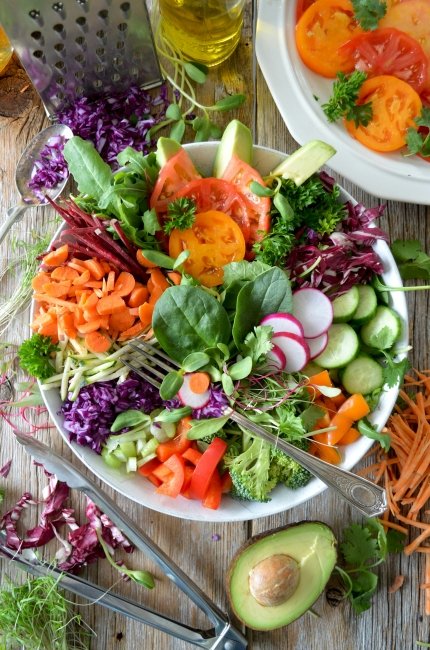
About half is vegetables.
About a quarter are whole grains or other starchy side dishes.
Another quarter is a source of protein: legumes, fish, poultry or eggs.
Use a moderate amount of unsaturated fats for cooking and dressing.
This is a guideline, not a mandatory proportion for each meal.
For example, for lunch you can make borscht with beans and serve it with whole grain bread. For dinner, baked mackerel, buckwheat and vegetable salad are suitable. Another option is stewed beans with vegetables and a small portion of bread.
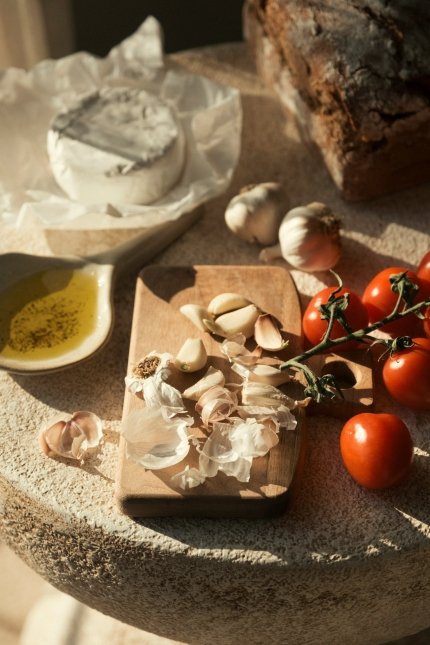
8 steps to a Mediterranean diet
You don't need to completely overhaul your menu in one day. It's easier to gradually change your usual dishes.
1. Start with familiar products
Analyze your usual diet. If you already eat buckwheat, oatmeal, vegetables, apples, and homemade soups, that's a good base.
For example, you can add a vegetable salad to potatoes with sausage, and replace the sausage more often with fish, poultry, or beans.
2. Diversify your protein sources
You don't have to eat fish every day or give up meat completely. You can alternate beans, lentils, peas, eggs, fish, and poultry throughout the week.
Red meat should be consumed in moderation, and sausages, hot dogs, and other processed meat products should be limited.
Legumes contain plant-based protein and dietary fiber. If you have rarely eaten them before, increase your portions gradually to reduce the risk of bloating.
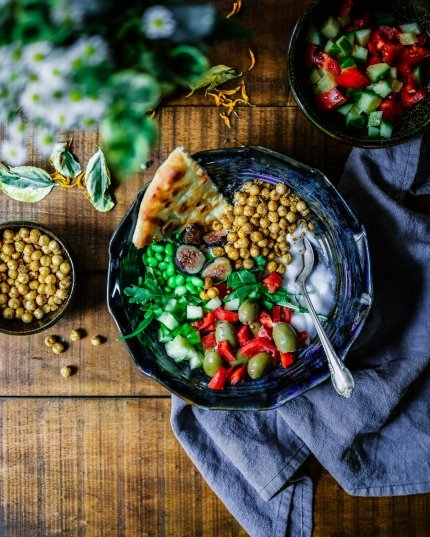
3. Review your fat sources
Olive oil is a characteristic component of the Mediterranean diet, but other vegetable oils, including rapeseed and sunflower, can also be used in everyday meals.
It's important not to just add more oil, but to use it more often instead of saturated fat sources. At the same time, any oil is a calorie-dense product, so the amount should match your needs.
4. Choose whole grains more often
Available options include oatmeal, buckwheat, pearl barley, bulgur, and whole grain bread.
Don't just rely on the color of the bread: a dark product is not always whole grain. Check the composition and content of whole grain flour.
You don't have to give up white rice, potatoes, or regular pasta. It's better to diversify your side dishes and choose less refined foods more often.
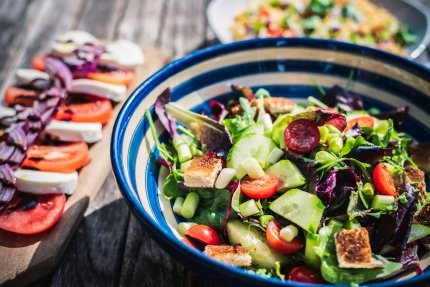
5. Make vegetables the basis of your diet
The WHO recommends that people aged 10 and over consume at least 400 grams of vegetables and fruits per day.
This doesn't mean you have to eat only fresh salads. Baked, stewed, and frozen vegetables are also suitable. Cabbage, carrots, beets, pumpkin, onions, and other seasonal products are available in Ukraine.
6. Review snacks and drinks
Choose water more often than sugary drinks. For snacks, fruit, plain yogurt, nuts, or seeds are good options.
It's not necessary to completely give up sweets. What's more important is the frequency of consumption and the total amount of added sugar in your diet.
7. Change the way you cook
Use baking, braising and boiling more often to avoid adding excessive amounts of fat. For flavor, use herbs, garlic, lemon and spices if you tolerate them well.
For example, baked fish with vegetables can be a simpler everyday option than fish in a thick layer of breading fried in a lot of oil.

8. Plan your menu in advance
Identify a few main meals for the next three to four days and shop accordingly.
For example, boiled beans can be used in salads, soups, and vegetable stews. Baked vegetables are suitable as a side dish or filling for whole-grain pita bread.
This makes it easier to control costs, save time, and reduce food waste.
How to replace expensive products in Ukraine
To follow the basic principles, you don't have to buy only imported ingredients. Many products have more affordable alternatives.
| Product | Affordable alternative |
|---|---|
| Expensive imported cereals | Buckwheat, oatmeal, barley |
| Exotic legumes | Beans, peas, lentils |
| Dear red fish | Mackerel, sardines, herring, hake |
| Expensive nuts | Walnuts, pumpkin seeds |
| Fresh vegetables in winter | Frozen vegetables, cabbage, carrots, beets |
| Expensive fruits | Apples, pears, seasonal berries |
| Only olive oil | Olive, rapeseed or sunflower oil |
Substitutes are not always the same. For example, hake is a source of protein, but contains less long-chain omega-3 fatty acids than oily fish, such as mackerel and sardines. Therefore, it is better to alternate different types of fish.

What fish to eat and how often
Fish provides the body with protein, and fatty types also contain the omega-3 fatty acids EPA and DHA.
The American Heart Association recommends eating fish about twice a week, preferably fatty types. You don't have to buy salmon or tuna: mackerel, sardines, and herring can also be affordable sources of omega-3s.
Consider the preparation method and salt content. For example, heavily salted herring should not be eaten frequently by people who need to limit sodium.
Legumes, nuts, and seeds are also part of a balanced diet. However, plant sources of omega-3s, such as walnuts and flaxseeds, are not a complete replacement for fish in terms of EPA and DHA. If you don't eat fish, you can discuss getting these nutrients with your doctor if necessary.
Mediterranean diet menu for 7 days
Below is an example of a menu of common foods found in Ukraine. This is not a medical diet or a calorie-controlled diet. Portion sizes and snacks should be adjusted to age, physical activity, and health status.
| Day | Breakfast | Dinner | Dinner |
|---|---|---|---|
| Monday | Oatmeal with apple and nuts | Borscht with beans, whole grain bread | Baked mackerel, buckwheat, vegetable salad |
| Tuesday | Natural yogurt, berries, oatmeal | Lentil soup, salad | Chicken with stewed vegetables and barley |
| Wednesday | Omelette with herbs and tomatoes | Buckwheat with mushrooms and beans | Baked hake, potatoes and broccoli |
| Thursday | Whole grain toast with cheese and vegetables | Vegetable soup, chickpea salad | Stewed lentils with carrots and onions |
| Friday | Buckwheat porridge, natural yogurt | Vegetable stew with beans | Baked poultry, bulgur, salad |
| Saturday | Oatmeal with pear and seeds | Soup with fish and vegetables | Whole-wheat pasta with tomatoes and chickpeas |
| Sunday | Spinach omelette, whole grain bread | Borscht with lean meat, vegetable salad | Roasted vegetables, hummus, whole grain pita bread |
Between main meals, you can add fruit, small portions of nuts or fermented milk products as needed. It is important that the diet provides enough energy and nutrients.

How to make a budget shopping list
The basis of the list can be formed from products that are used in several dishes:
Cereals: oatmeal, buckwheat, barley.
Legumes: beans, lentils, or peas.
Vegetables: carrots, cabbage, beets, onions, seasonal or frozen mixes.
Fruit: apples, pears, and other seasonal options available.
Protein foods: fish, eggs, poultry, natural yogurt.
Fats: vegetable oil, walnuts or seeds.
Dried legumes are often cheaper than canned ones, but they take longer to cook. Canned foods are more convenient, but it's worth checking the salt content. Frozen vegetables also help to diversify the menu out of season.
The exact cost of purchases depends on the store, region, and season, so it is advisable to compare prices before purchasing.
How to adapt Ukrainian dishes
You don't have to give up national cuisine. It's enough to change the composition or method of cooking individual dishes.
Borscht: cook with a variety of vegetables, beans, and optionally lean meat, controlling the amount of salt and fat.
Buckwheat with mushrooms: complement with beans or another protein dish.
Dumplings: Serve with vegetables and make sure other meals provide enough protein.
Instead of a sausage sandwich: Make whole-grain toast with hummus, tomatoes, and herbs.
Instead of fried potatoes for dinner: choose baked potatoes with fish and vegetable salad.
Instead of sugary cereals: make oatmeal with natural yogurt, fruit, and a few nuts.
What is important is not the ideal composition of each dish, but the overall structure of the diet throughout the week.
Can you lose weight on the Mediterranean diet?
Yes, this diet can be part of a weight management program. Vegetables, legumes, and whole grains provide fiber and help maintain a feeling of fullness.
However, the name of the diet itself does not guarantee weight loss. Oil, nuts and seeds contain a lot of calories, so it is important to consider the total amount of energy consumed.
Weight loss requires an energy balance that meets individual needs. The Mediterranean diet is best viewed as a long-term eating pattern rather than a short-term, rapid-weight-loss diet.
Should you drink red wine?
No. Alcohol is not a mandatory component of the Mediterranean diet. Although wine is mentioned in the dietary traditions of certain Mediterranean regions, this is a cultural feature and not a recommendation to start drinking it.
The WHO emphasizes that alcohol is associated with health risks, including an increased risk of some cancers. Therefore, there is no need to add wine to your diet for the expected benefits for the heart. Plain water is suitable for daily drinking.
Common mistakes when switching to a Mediterranean diet
Buy expensive superfoods instead of regular vegetables and grains. A high price does not guarantee higher nutritional value.
Add lots of oil and nuts. Unsaturated fats are an important part of the diet, but the amount of energy also matters.
Completely eliminating your favorite foods. Excessive restrictions make it difficult to stick to changes in the long term.
Consider any dish with an Italian name healthy. Pizza, pasta, and other popular dishes can vary significantly in salt and fat content.
Ignoring protein. A diet consisting mainly of vegetables and grains does not necessarily provide enough protein.
Try to change everything in a few days. Gradual changes are easier to implement into your daily life and maintain in the future.
Who needs individual diet adaptation?
Despite adhering to many principles of healthy eating, the Mediterranean diet is not a universal treatment regimen.
People with diabetes. It is necessary to take into account the amount of carbohydrates, diet and prescribed treatment. Sometimes changes in diet require correction of therapy by a doctor.
People with kidney disease. May need to monitor potassium, phosphorus, protein, and other substances. Increase in legumes, nuts, and certain vegetables should be discussed with a doctor.
People with digestive system diseases. A sharp increase in fiber can cause bloating and discomfort. The amount of legumes and vegetables should be increased gradually, taking into account tolerance.
Pregnant women. It is important to choose fish carefully, considering possible mercury content, and to follow food safety rules.
Children and people with allergies. It is necessary to consider age needs, the risk of choking on whole nuts, and select safe substitutes for products that cause allergies.
How to switch to a Mediterranean diet in a month
Changes can be implemented gradually:
| Period | The main task |
|---|---|
| First week | Add vegetables to your main meals |
| Second week | Diversify protein sources and cook legumes more often |
| Third week | View fat sources, grains and snacks |
| Fourth week | Create a convenient menu for the future |
This is a guideline, not a mandatory program. If certain products cause discomfort or changes prove uncomfortable, it is worth adapting the approach to your own needs.
Conclusion
The Mediterranean diet is not a list of expensive foods or a short-term way to lose weight. It is based on a varied diet with a high proportion of plant-based foods, unsaturated fats, and various sources of protein.
To switch to this type of diet, it is enough to gradually change your usual dishes: add vegetables, legumes and whole grains more often, choose fish and limit excess salt, sugar and processed meat. Most of these principles can be implemented with ordinary Ukrainian products.
The most important thing is to create a nutritious and varied diet that you can comfortably follow for a long time.
FAQ: frequently asked questions
What can you eat on a Mediterranean diet?
The basis is vegetables, fruits, legumes, whole grains, nuts, seeds, and vegetable oils. You can also eat fish, poultry, eggs, and dairy products in moderation. Red and processed meats, sweets, and sugary drinks should be limited.
Can I eat potatoes?
Yes. Potatoes are not a forbidden food. The method of preparation, portion size, and combination with other foods are important. For example, baked potatoes with fish and vegetable salad can be part of a balanced meal.
Is it necessary to use olive oil?
No. It is a typical component of the Mediterranean diet, but other vegetable oils can be used, including rapeseed and sunflower. It is important to consider the overall quality of the diet and the amount of added fat.
Can you lose weight on the Mediterranean diet?
Yes, if the total calorie content of the diet meets the goal of weight loss. However, the diet itself does not guarantee weight loss: the result depends on the energy balance and individual characteristics.
Is this diet suitable for type 2 diabetes?
It can be one of the options for a balanced diet, but you need to take into account the amount of carbohydrates, the diet and treatment. An individual plan should be agreed with your doctor.
Can I eat eggs and dairy products?
Yes. You don't need to completely eliminate them. The amount depends on your needs, tolerance, and overall diet structure.
Do you need to eat fish twice a week?
Regular consumption of fish is a characteristic part of the Mediterranean diet. The American Heart Association recommends about two servings per week. If you have allergies or other restrictions, you can choose alternative sources of nutrients.
Is it possible to follow the Mediterranean diet without spending a lot of money?
Yes. Buckwheat, oatmeal, beans, peas, cabbage, carrots, apples, affordable fish, and other common foods can form the basis of a budget menu. There is no need to buy exotic ingredients.
Can I drink coffee?
Yes, coffee is not forbidden. Consider the amount of caffeine, added sugar, and individual sensitivity. During pregnancy or with certain medical conditions, the permissible amount of caffeine should be discussed with your doctor.
When can I see the result?
There is no single deadline. Changes in eating habits can be implemented quite quickly, but the impact on body weight, cholesterol and other indicators depends on many factors. The Mediterranean diet is better viewed as a long-term eating pattern, not a temporary course.
Important: The article is for informational purposes only and is not a substitute for professional medical advice. If you have diabetes, kidney or digestive system diseases, food allergies, are pregnant or breastfeeding, or are planning to feed your children, you should discuss any significant changes to your diet with your doctor. Individual nutrient needs vary based on age, health, and physical activity.

