
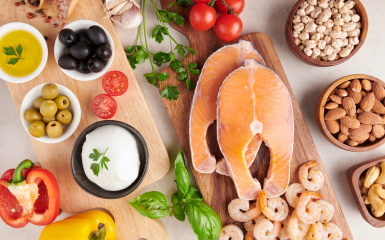
The Mediterranean diet is considered one of the most researched healthy eating patterns. It is associated with a reduced risk of cardiovascular disease, improved certain metabolic parameters and maintenance of a healthy weight. However, to switch to such a diet, it is not necessary to buy expensive seafood, exotic fruits or eat exclusively Italian and Greek cuisine.
Points of attention
- The food traditions of different Mediterranean countries differ, but they are united by common principles.
- A diet rich in vegetables, legumes, whole grains, and unsaturated fats may have beneficial effects on certain indicators of cardiovascular health.
- The Mediterranean diet does not require eating avocados, artichokes, or imported tomatoes every day.
The Mediterranean diet is based on vegetables, fruits, whole grains, legumes, nuts, fish, and vegetable oils. Many of these foods are easily found in Ukrainian supermarkets and regular markets.
Unlike many popular diets, this approach doesn't involve calorie counting, a rigid meal schedule, or cutting out entire food groups. It's about gradually changing your eating habits.
Let's consider how beneficial the Mediterranean diet is, what foods form its basis, how to replace expensive ingredients, and how to create a balanced menu of dishes familiar to Ukrainians.
What is the Mediterranean diet and what makes it special?
The Mediterranean diet is a dietary model formed on the basis of the traditional eating habits of the population of Greece, Italy, Spain, and other countries of the Mediterranean region.
Despite its name, it is not a short-term diet for quick weight loss. It is rather a way of eating every day that can be maintained over the long term.
The main feature is the predominance of plant products and the use of unsaturated fats instead of a significant portion of saturated fats.
The traditional Mediterranean diet includes:
Daily consumption of a variety of vegetables and fruits.
Regular inclusion of legumes, cereals and whole grains.
Using olive oil as the main source of added fat.
Moderate consumption of fish, seafood, eggs, poultry, and dairy products.
Limiting red and processed meats, sweets, and foods high in salt.
Preference for simple dishes made with minimally processed ingredients.
There is no strict universal menu. The food traditions of different Mediterranean countries differ, but they are united by common principles.
The American Heart Association considers the Mediterranean diet to be one of the approaches that meet recommendations for maintaining heart and vascular health.
It is this flexibility that allows you to adapt it to Ukrainian products, family budget, and individual preferences.
What are the benefits of the Mediterranean diet: what research shows
The popularity of the Mediterranean diet is not just due to its simplicity. For decades, researchers have been studying its relationship with cardiovascular health, metabolic parameters, and chronic disease risk.
At the same time, it is important to distinguish between the results of observational studies and clinical trials: not every association found proves a direct cause-and-effect relationship.
Heart and vascular health
One of the most famous studies of the Mediterranean diet is the Spanish randomized trial PREDIMED.
It involved 7,447 people aged 55 to 80 years with high cardiovascular risk. Participants were divided into groups that followed a Mediterranean diet with the addition of extra virgin olive oil or nuts, and a control group.
Results of a reanalysis published in The New England Journal of Medicine in 2018 showed a lower incidence of major cardiovascular events in the Mediterranean diet groups.
However, the original study had problems with the randomization procedure, so its results should be interpreted with these limitations in mind.
It is important that the researchers evaluated a comprehensive diet, not the effects of a single product.
Cholesterol and blood pressure
A diet rich in vegetables, legumes, whole grains, and unsaturated fats may have beneficial effects on certain indicators of cardiovascular health.
Of particular importance is replacing some of the saturated fats with unsaturated ones.
According to the updated recommendations of the American Heart Association from March 2026, to maintain heart health, it is advisable to choose mainly whole grains, plant-based sources of protein, vegetables, fruits, and unsaturated fats, while limiting excess salt and added sugar.
However, the Mediterranean diet does not replace prescribed treatment for hypertension or lipid disorders.
Weight and glucose control
The Mediterranean diet can be part of a weight control program because it includes a significant amount of fiber-rich foods and nutritious sources of protein.
However, it does not guarantee weight loss.
Even healthy foods—olive oil, nuts, and seeds—are high in energy. If your total calorie intake exceeds your body's needs, you may gain weight.
If you have type 2 diabetes, a balanced Mediterranean diet may also be an acceptable dietary option. However, the specific amount of carbohydrates, portion sizes, and meal patterns require an individual approach.
What foods can you eat on the Mediterranean diet?
To properly create a menu, it is convenient to divide foods into three categories: the basis of the diet, foods to consume in moderation, and those whose quantity should be limited.
| Product group | Examples | Consumption principle |
| Vegetables and herbs | Tomatoes, broccoli, cabbage, carrots, spinach, beets | Every day, variously |
| Fruits and berries | Apples, pears, plums, citrus fruits, berries | Daily |
| Whole grain products | Oatmeal, buckwheat, barley, whole grain bread | Regular |
| Legumes | Beans, lentils, peas, chickpeas | Several times a week or more often |
| Vegetable oils | Olive, rapeseed, sunflower | Main sources of added fats |
| Nuts and seeds | Walnuts, almonds, pumpkin seeds | Regularly, in moderate portions |
| Fish and seafood | Mackerel, sardines, herring, hake | Regularly during the week |
| Eggs, poultry, dairy products | Eggs, chicken, natural yogurt, cheese | In moderation |
| Red and processed meat | Pork, beef, sausages, hot dogs | Limit, especially processed meats |
| Sweets and sweet drinks | Cookies, cakes, carbonated drinks | Do not make it the basis of your daily diet |
These recommendations do not mean that all products from the latter categories should be completely excluded.
The essence of the approach is to change the ratio of food groups, not to create a long list of prohibitions.

How to switch to a Mediterranean diet from a regular Ukrainian menu
For most people, the easiest way to transition will not be to completely abandon their usual dishes, but to change their composition.
For example, traditional borscht, buckwheat, stewed vegetables, beans, and baked fish may well meet the principles of the Mediterranean diet.
Cooking methods, the amount of added fat, salt, and the balance of the entire diet are important.
Start with the right plate structure
For daily planning, you can use a simple model:
About half of the plate is vegetables and part is fruit.
About a quarter are whole grains or other nutritious sources of carbohydrates.
Another quarter is fish, poultry, legumes, or other sources of protein.
A small amount of vegetable oil or other sources of unsaturated fat complements the dish.
This is an approximate scheme, not a mandatory ratio for each meal.
For example, a typical lunch might consist of buckwheat, baked mackerel, and a large portion of cabbage and carrot salad.
Another option is vegetable stew with beans and a slice of whole grain bread.
Both dishes can be prepared from readily available ingredients without complicated recipes.
Use seasonal products
The Mediterranean diet does not require eating avocados, artichokes, or imported tomatoes every day.
Ukrainian seasonal vegetables and fruits can provide the body with essential vitamins, minerals, and fiber.
In autumn and winter, it is convenient to use pumpkin, carrots, cabbage, beets, apples, frozen berries, and vegetable mixtures.
In spring and summer, the diet can be supplemented with fresh herbs, cucumbers, tomatoes, zucchini, and seasonal berries.
According to the World Health Organization, people over the age of 10 should consume at least 400 g of vegetables and fruits and at least 25 g of natural dietary fiber per day. For younger children, the recommended amounts vary.
Frozen vegetables and fruits can also be a complete part of a healthy diet, as long as they don't contain excess sugar or salt.
Pay attention to the quality of fats
Traditional Mediterranean cuisine widely uses extra virgin olive oil.
It contains mainly monounsaturated fatty acids and various biologically active compounds.
However, if you are on a limited budget, you don't have to give up on healthy eating principles just because of the high price of quality olive oil.
Rapeseed and sunflower oils are also sources of unsaturated fats and can be used in place of some butter, lard, and other products high in saturated fat.
At the same time, they are not completely identical to olive oil in terms of fatty acid composition and polyphenol content.
The main thing is not to simply add more oil to your usual menu, but to replace some of the less desirable sources of fat with it.
Mediterranean diet in Ukraine: how to replace expensive foods
One of the most common reasons for abandoning the Mediterranean diet is the belief that it requires significant expenses.
In fact, many of its principles can be implemented using traditional Ukrainian products.
| More expensive or imported product | A more affordable alternative |
| Quinoa | Buckwheat, barley, millet |
| Salmon | Mackerel, sardines, herring |
| Almonds and pine nuts | Walnuts, pumpkin seeds |
| Imported berries | Seasonal or frozen berries |
| Avocado | Sources of unsaturated fats: seeds, nuts, vegetable oils |
| Couscous and bulgur | Barley, buckwheat, wheat groats |
| Ready-made salad mixes | Cabbage, carrots, beets, seasonal greens |
| Imported canned beans | Dry beans, peas, lentils |
Substitutes are not always completely nutritionally equivalent. Their goal is to maintain the overall structure of a healthy diet.
For example, buckwheat is not a traditional Mediterranean cereal, but it can be a useful part of an adapted diet.
Walnuts do not replace fish as a source of the long-chain omega-3 fatty acids EPA and DHA, but they do provide other beneficial fats, including plant-based alpha-linolenic acid.
That is why it is important to use different groups of products, rather than trying to find one universal substitute.
Why legumes and fish are especially important for the Mediterranean diet
The Mediterranean diet is not necessarily vegetarian. However, it does include a significant proportion of plant-based protein sources and regular consumption of fish.
Legumes as an affordable source of protein
Beans, peas, chickpeas, and lentils contain protein, dietary fiber, and a number of minerals.
They can be used in soups, salads, vegetable stews, and as the basis for independent dishes.
For example, instead of a large portion of meat, you can make a stew of lentils, carrots, tomatoes, and spices.
Another option is a salad of boiled beans, roasted beets, and greens.
However, people who previously consumed little fiber should increase their intake of legumes gradually. A sharp increase in their intake may be accompanied by bloating and discomfort.
Soaking dried legumes and cooking them properly can help improve their tolerability. It is especially important to cook dried beans thoroughly.
Which fish to choose for the Mediterranean diet
Fish provides the body with complete protein, and fatty species provide long-chain omega-3 fatty acids.
The American Heart Association recommends including two servings of fish per week in your diet, preferably fatty types.
Mackerel, sardines, herring, trout, as well as low-fat fish, such as hake, are suitable for the Ukrainian menu.
At the same time, you need to take into account the method of preparation.
Baked fish with vegetables is usually more in line with healthy eating principles than fish fried in a lot of oil and served with salty sauces.
Salted herring should also not be made the main source of fish, especially for people with high blood pressure.
During pregnancy and breastfeeding, it is important to choose fish with low mercury content and follow appropriate food safety guidelines.
Example of a Mediterranean diet: a three-day menu
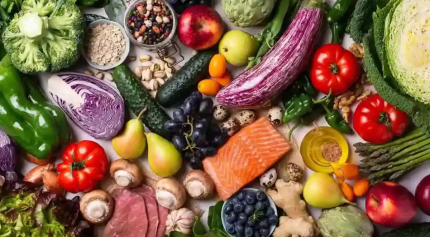
A practical advantage of the Mediterranean diet is that most dishes can be prepared in advance or used up leftovers from the previous day.
The menu provided is an example for a healthy adult, and not an individual therapeutic diet. Portion sizes are determined depending on the needs of the body.
Day 1
Breakfast: natural yogurt with oatmeal, apple and walnuts.
Lunch: vegetable soup with lentils, whole grain bread and fresh cabbage salad.
Dinner: baked mackerel, buckwheat and stewed vegetables.
Snack if needed: seasonal fruit.
This menu combines various sources of protein, dietary fiber, and unsaturated fats.
Day 2
Breakfast: omelet with tomatoes and herbs, whole grain toast.
Lunch: barley porridge with stewed beans, carrots and onions.
Dinner: baked chicken fillet, vegetable salad with vegetable oil and boiled potatoes.
Snack if needed: natural yogurt or fruit.
This option doesn't require expensive ingredients and is easily adaptable to seasonal produce.
Day 3
Breakfast: cottage cheese with berries and a small portion of seeds.
Lunch: borscht with beans, prepared with a moderate amount of fat and salt, whole grain bread.
Dinner: baked hake with barley and vegetables.
Snack if needed: pear, apple or other fruit.
The main idea of such a menu is not to literally recreate Mediterranean cuisine, but to adhere to its nutritional principles.
How to switch to a Mediterranean diet in a month
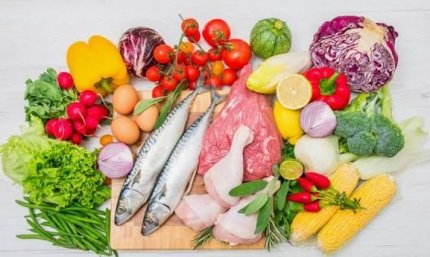
A drastic change in diet is not necessary. For most people, it is more convenient to gradually adapt their usual menu.
Week One: Assess Your Eating Habits
For several days, pay attention to the composition of your main meals.
Determine how often vegetables, fruits, whole grains, fish, and legumes appear on your menu.
It is not necessary to immediately give up your favorite dishes.
The initial task is to understand which food groups are most often lacking.
Week Two: Change the Basis of Home Meals
Try using whole grains more often, adding vegetables to lunch and dinner, and cooking with legumes.
For example, a regular dinner of meat and side dishes can be supplemented with a large portion of vegetables, and one meat dish can be replaced with a legume dish.
Week Three: Set Up Your Product Planning
Make a rough menu for a few days.
Buy basic long-term storage products: cereals, dry legumes, nuts, vegetable oil.
Add seasonal vegetables, fruits, and available types of fish to your shopping.
You can prepare individual ingredients for several days, following the rules for safe storage of prepared food.
Week Four: Establish a Comfortable Routine
Assess which changes are easy to maintain and which require additional effort.
If certain recipes are too complicated or expensive, replace them with simpler ones.
Four weeks is just a conditional adaptation period, not a scientifically established period for habit formation.
The goal is to gradually transition to a diet that can be followed for years.
How to make a budget grocery list for the week
For a Mediterranean menu, you don't need to buy dozens of different ingredients.
It is enough to have products from the main food groups at home.
An approximate shopping list might look like this:
Vegetables: cabbage, carrots, beets, onions, tomatoes or frozen vegetable mixes.
Fruits: apples, pears, citrus fruits or other seasonal fruits.
Cereals: buckwheat, oatmeal, barley, whole grain pasta.
Legumes: beans, lentils, or peas.
Protein foods: fish, eggs, chicken, natural yogurt or cottage cheese.
Fats: vegetable oil, walnuts and seeds.
Additional ingredients: herbs, lemon, garlic, spices, whole grain bread.
The specific amount of food depends on the size of the family, appetite, and nutritional needs.
To reduce costs, it is worth comparing the price per kilogram, using seasonal products, and planning your meals so that the ingredients do not spoil.
For example, boiled beans can be used for soup, salad, and vegetable stew.
And cooked barley is suitable both as a side dish for fish and as the basis for a warm dish with vegetables.

Can you lose weight on the Mediterranean diet?
Yes, the Mediterranean diet can be used for gradual weight loss, if necessary for health reasons.
However, it is worth understanding that the Mediterranean diet is not a special system for rapid fat burning.
Weight loss usually requires a long-term energy deficit, which occurs when energy intake from food is less than energy expenditure.
That is why even a balanced diet needs to be adapted to individual needs.
For example, regularly adding large amounts of oil, nuts, cheese, and bread to an already high-calorie menu can increase overall energy intake.
Instead, replacing some of the high-calorie foods with vegetables, legumes, and other nutritious ingredients can help make your diet filling without being too high in calories.
The US National Institute of Diabetes and Digestive and Kidney Diseases (NIDDK) emphasizes that for long-term weight control, it is important to choose a healthy diet that you can realistically follow consistently.
Not all people need to lose weight, and the appropriateness of weight loss is determined by individual medical indicators.
The most common mistakes when switching to the Mediterranean diet
Despite the relative simplicity of the Mediterranean diet, its principles are often misinterpreted.
Consider olive oil a product without restrictions
Olive oil contains healthy unsaturated fats, but remains a high-calorie product.
There is no need to add it in large quantities to all dishes.
A more useful approach is to use it in place of some sources of saturated fat.
Replace all products with expensive analogues
Quinoa, avocado, shrimp, and imported nuts are not mandatory components of a healthy menu.
The Mediterranean diet primarily describes the ratio of food groups, not a specific list of premium ingredients.
Completely give up carbohydrates
This type of diet is not a low-carb diet.
Whole grains, fruits, vegetables, and legumes are an important part of the diet.
It is important to prioritize nutritious sources of carbohydrates over refined, low-fiber foods.
Consider wine a mandatory part of the diet
Wine is indeed present in the traditions of some Mediterranean countries, but this does not mean that alcohol is necessary for heart health.
The World Health Organization emphasizes that there is no safe level of alcohol consumption that would completely eliminate health risks.
Therefore, it is not necessary to start drinking wine for the supposed benefits of the Mediterranean diet.
Forget about the overall quality of the food
One salad with olive oil does not compensate for a constant excess of salt, sugary drinks, or processed meat.
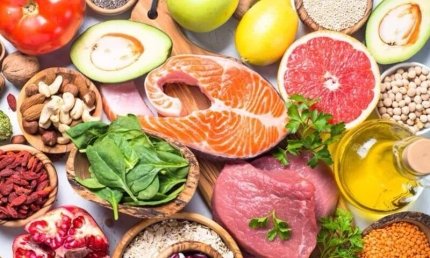
The benefits of the Mediterranean diet are associated with a comprehensive dietary pattern, not with individual "superfoods."
Who may not be suitable for the Mediterranean diet without adaptation?
The Mediterranean diet may be generally acceptable for many adults, but certain medical conditions require individual modifications.
People with chronic kidney disease may need to monitor their protein, potassium, phosphorus, or other nutrients, depending on the stage of the disease.
It is important for people with diabetes to consider the amount of carbohydrates, medication regimen, and the risk of hypoglycemia.
In case of food allergies, it is necessary to exclude the relevant allergens, such as fish, nuts or dairy products, and provide nutritionally complete substitutes.
During pregnancy and breastfeeding, increased needs for certain nutrients, fish safety, food heat treatment rules, and other recommendations should be taken into account.
In the presence of eating disorders, even useful general rules may need to be adapted so as not to exacerbate food restrictions and anxiety.
Therefore, if you have chronic diseases or special physiological needs, significant changes in your diet should be coordinated with your doctor.
Conclusion
The Mediterranean diet is not a set of exotic foods or a short-term way to lose weight quickly. It is based on a balanced diet with a predominance of vegetables, fruits, whole grains, legumes, and unsaturated fats.
Most principles are easy to adapt to Ukrainian cuisine without significantly increasing costs.
The most important thing is to gradually change the ratio of products, choose convenient cooking methods, and take into account the needs of your own body.
It is the consistency and long-term balance of nutrition, rather than strict adherence to a specific menu, that is most important for health.
FAQ: Frequently Asked Questions About the Mediterranean Diet
What can you eat on a Mediterranean diet?
The basis of the diet is vegetables, fruits, legumes, whole grains, nuts, seeds and vegetable oils. You can also consume fish, seafood, eggs, poultry and dairy products. It is recommended to limit red meat, sausages, sweets and foods with a high salt content.
What foods are prohibited on the Mediterranean diet?
The classic Mediterranean diet does not have a universal list of strictly forbidden foods. The main principle is to choose nutritious plant foods, fish and unsaturated fats more often, while limiting processed meats, excess salt, added sugar and saturated fats. Alcohol is not a necessary component of this diet.
Can you eat potatoes on the Mediterranean diet?
Yes. Potatoes can be part of a balanced diet, especially if they are boiled or baked, rather than regularly fried in large amounts of fat. It is important to combine them with vegetables and protein sources. At the same time, potatoes do not replace the full variety of vegetables needed throughout the day.
Can you eat buckwheat on a Mediterranean diet?
Yes. Although buckwheat is not a traditional staple of Mediterranean cuisine, it is a nutritious food and can be used in an adapted diet. Buckwheat contains complex carbohydrates, protein, dietary fiber and minerals. It can be combined with fish, poultry, vegetables and legumes.
Is olive oil mandatory for the Mediterranean diet?
Olive oil is a characteristic product of the traditional Mediterranean diet. However, if it is not available, other vegetable oils with a high proportion of unsaturated fats can also be part of a healthy diet. They do not completely repeat the composition of olive oil, but allow the principle of partially replacing saturated fats with unsaturated ones.
How many times a day should you eat on a Mediterranean diet?
There is no universal number of meals. The regimen depends on appetite, lifestyle, physical activity and health status. You can organize three main meals or add snacks as needed. Much more important is the overall balance of the diet and its compliance with individual needs.
Can you lose weight on the Mediterranean diet without counting calories?
Yes, for some people it is possible. If a change in the composition of the diet naturally reduces excessive energy intake, body weight can gradually decrease. However, the result is not guaranteed: the amount of food eaten, physical activity and individual metabolic characteristics remain important factors.
Is the Mediterranean diet suitable for people over 50?
The Mediterranean diet can be beneficial at different ages, particularly after the age of 50. However, protein, energy and individual nutrient requirements may change with age. In the presence of cardiovascular disease, diabetes or renal impairment, the diet should be adapted individually.
How is the Mediterranean diet different from a regular healthy diet?
It is one of the options for a healthy diet, but it has characteristic features: a significant proportion of plant-based products, regular use of olive oil, fish consumption, and restriction of red and processed meat. Many of its principles coincide with the general recommendations of international organizations for the prevention of chronic diseases.
How long does it take to see the results of the Mediterranean diet?
There is no universal term. Changes in well-being depend on the initial diet, health status and individual characteristics. Cholesterol, blood pressure or body weight indicators may change over different periods. To assess medical outcomes, objective indicators should be taken into account, not just subjective feelings.
Important: the material is for informational purposes only and does not replace medical advice. Self-medication, self-prescription of diets, and unreasonable dietary restrictions can be harmful to health. Before switching to a new diet, especially if you have chronic diseases, are pregnant, breastfeeding, or are taking medications, be sure to consult your doctor.
undefined

