
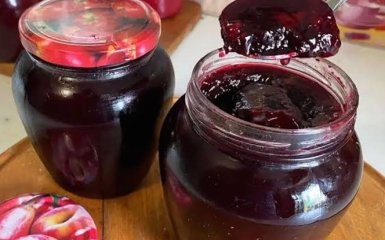
No-cook jam is a simple way to prepare seasonal berries and fruits without wasting time on long boiling. It is enough to prepare the fruits, chop them, add sugar if desired, and distribute the resulting mass into small containers.
Points of attention
- Raw jam retains the fresh taste and aroma of the berries, but for long-term storage it must be frozen.
- Strawberries, blueberries, currants, blackberries, peaches, and cranberries are suitable for making preserves; the article offers six recipes with them.
- In purees for freezing, sugar is added to taste or not added at all. In recipes with pectin, it is important to follow exact proportions.
Unlike traditional jam, raw berry puree retains a fresher taste and natural aroma. Strawberries remain distinctly strawberry, blueberries do not acquire the characteristic flavor of cooked jam, and currants retain a rich sourness.
However, there is an important feature: jam without heat treatment cannot be considered ordinary preservation. For reliable long-term storage, it must be frozen. Even a large amount of sugar and an airtight jar do not guarantee that the raw product will remain safe in the pantry.
We'll tell you how to properly make raw jam, how much sugar to add, which berries are best for freezing, and how to avoid mold and fermentation. We've also collected six recipes with unusual flavor combinations.
What is raw jam and how is it different from regular jam?
Raw jam is usually referred to as crushed or mashed berries and fruits with sugar that are not heat treated.
In terms of structure, it can be a thick fruit puree, a berry spread, or a dessert mass with pieces of fruit.
Traditional jam is made differently. The fruit is heated with sugar, some of the water evaporates, and natural pectin substances, under the right conditions, help form a thicker consistency.
In raw jam, these processes occur differently.
Main differences:
| Characteristic | Jam without cooking | Traditional jam |
| Heat treatment of fruits | Missing | Usually there is |
| Taste | Closer to fresh fruit | Typical for cooked fruits |
| Consistence | More often pureed or thinner | Could be thicker |
| Amount of sugar | Can be adjusted for frozen puree | Depends on proven recipe |
| Storage | Short-term refrigerator or freezer | Depends on the recipe and canning method |
It is important not to confuse raw jam with freezer jam, prepared using a special technology with pectin.
Some such recipes involve heating the pectin, although the berries themselves remain raw. There are separate proven proportions for them.
Which berries and fruits are best for no-cook jam?
For raw preparations, it is most convenient to use ripe, fragrant, and undamaged fruits.
The best results come from berries that are easy to crush and have a pleasant taste without heating.
Strawberries are suitable for a delicate puree with a distinct aroma. They may become thinner after defrosting, but they go well with yogurt and desserts.
Blueberries provide a rich color and mild flavor. They can be chopped whole or left some of the berries whole.
Blackcurrants have a strong aroma and a distinctive sourness, so even a small portion can significantly change the taste of breakfast.
Blackberries create a thick berry base, although their seeds can be felt in the finished product.
Peaches add natural sweetness and a delicate texture. However, the chopped flesh may gradually darken.
Cranberries have a very pronounced acidity and a denser structure, so they require more thorough grinding.
For raw jam, you should not use berries with mold, rot, signs of fermentation, or an unpleasant odor.
Not only taste and ripeness are important, but also the safety of the raw materials: without heat treatment, microorganisms that could have got on the fruits are not destroyed by heating.
How to properly prepare berries for cooking
Preparation is especially important because raw jam does not undergo boiling.
Before you begin, you need to wash your hands thoroughly, clean your work surfaces, and prepare a clean blender or other kitchen equipment.
How to wash berries
Strawberries, blueberries, and other berries should be carefully washed with cool running water immediately before cooking.
It is convenient to transfer delicate fruits to a colander and rinse in small portions.
Don't leave berries in water for long periods of time. They can absorb extra moisture, lose flavor, and become more easily damaged.
After rinsing, let the water drain. If necessary, gently pat the fruit dry with clean paper towels.
For strawberries, it is convenient to remove the stems after washing.
Do not use soap, dishwashing detergent, or household cleaning solutions. They are not intended for use on food and may leave undesirable substances on the surface of the fruit.
Do I need to sterilize the jars?
To freeze raw berry puree, it is most convenient to use clean food containers suitable for the freezer.
They need to be thoroughly washed and dried.
If glass jars are used, they must be suitable for freezing. Not every regular jar can withstand the expansion of the contents during ice formation.
Sterilizing the jar itself does not turn raw jam into a product that can be safely stored without refrigeration.
How much sugar to add to jam without boiling
Homemade recipes often suggest mixing berries and sugar in a 1:1 ratio or even using more sugar than fruit.
However, it is important to distinguish between two situations.
If you are preparing raw fruit puree for immediate freezing , the amount of sugar can be adjusted to taste. In this case, proper freezing, not sugar, ensures long-term storage safety.
If you are making jam with pectin according to a proven recipe , you cannot change the amount of sugar yourself. This may disrupt the formation of the gel.
Approximate proportions for berry puree
| Number of berries | Sugar for a moderately sweet taste |
| 250 g | 25–50 g |
| 500 g | 50–100 g |
| 750 g | 75–150 g |
| 1 kg | 100–200 g |
These are proportions for taste, not for preservation.
Very sour berries, such as blackcurrants or cranberries, may need more sugar.
You can also make puree without sugar at all, divide it into portions, and freeze it immediately.
Don't assume that a 1:1 ratio automatically makes raw jam safe for long-term storage in the refrigerator or pantry.
6 no-cook jam recipes for the winter
All of the recipes listed are intended for freezing. The berries and fruits in them are not heated.
The amount of sugar can be adjusted to taste, since this is a frozen fruit puree, not a canned jam.
For convenience, use small containers with a volume of about 150–250 ml. This way you don't have to defrost a large portion at once.
1. No-bake strawberry jam with lemon zest and basil
Strawberries have a delicate sweet aroma that goes well with citrus notes.
A small amount of basil adds freshness and makes the taste more interesting without using a lot of sugar.
Ingredients:
strawberries - 500 g;
sugar - 80–120 g;
finely grated lemon zest - ½ tsp;
fresh basil - 3–4 small leaves.
Preparation:
Sort the strawberries, rinse and dry.
Remove the stems and cut large berries in half.
Transfer to a blender bowl and blend briefly.
Add sugar and mix until evenly distributed.
Add the lemon zest and very finely chopped basil.
Divide the mixture into prepared containers and freeze immediately.
For a more delicate taste, you can not add basil directly to the main mass, but use it fresh when serving.
What it tastes good with: with pancakes, natural yogurt, cheesecakes, and pancakes.
2. No-bake blueberry jam with lime
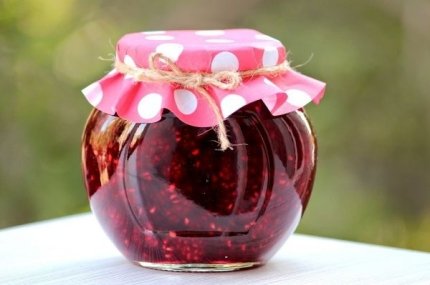
Blueberries have a natural sweetness and a mild flavor. Lime adds a fresh tartness that makes the taste more expressive.
For this recipe, you can leave some of the berries whole—they will create a more interesting texture after defrosting.
Ingredients:
blueberries - 500 g;
sugar - 60–100 g;
lime juice - 1–2 tsp;
lime zest - a small pinch.
Preparation:
Carefully sort and rinse the blueberries.
Let the water drain.
Crush about two-thirds of the berries with a pestle or blender.
Add sugar and mix thoroughly.
Pour in the lime juice and add a little zest.
Stir in the remaining whole berries.
Arrange in small containers and freeze.
Don't add too much lime juice: it should accentuate the blueberries, not overpower their natural flavor.
Culinary nuance: after defrosting, the blueberry mass may separate slightly. Just mix it before serving.
3. Raw blackcurrant jam with ginger
Blackcurrant is one of the most aromatic berries for homemade preserves.
It has a distinct sourness and intense color. A small amount of ginger adds a spicy aftertaste.
Ingredients:
black currant - 500 g;
sugar - 150–200 g;
fresh ginger - ½ tsp. finely grated;
lemon zest - optional.
Preparation:
Remove twigs and damaged berries.
Rinse the currants under running water.
Drain and transfer to a blender.
Grind to desired consistency.
Add sugar and mix.
Grate the ginger on a fine grater and add a small amount to the berry mixture.
If desired, add a pinch of lemon zest.
Divide into portions and freeze.
Ginger has a distinct flavor, so it's best to add it gradually.
For a uniform texture, the finished puree can be passed through a sieve, but in this case, some of the skins and seeds will remain in the waste.
What to serve with: with cheese desserts, oatmeal, casseroles, or as a fruit base for a sauce.
4. No-bake peach jam with vanilla
Peaches are great for a smooth fruit puree. They have a natural sweetness, so they usually don't need a lot of added sugar.
Vanilla makes the aroma softer and creates the feeling of dessert cream.
Ingredients:
peeled, pitted peaches — 500 g;
sugar - 50–100 g;
lemon juice - 1 tbsp. l.;
natural vanilla extract - ¼ tsp.
Preparation:
Wash the peaches, remove the pits.
Peel if desired.
Cut the flesh into small pieces.
Add lemon juice and mix.
Grind the fruit with a blender until smooth.
Add sugar and vanilla extract.
Mix, place in containers and freeze.
Lemon juice helps slow down the darkening of the fruit pulp, but does not make the raw puree suitable for storage without refrigeration.
Tip: Use ripe, fragrant peaches without any damage. Unripe fruit may have a less sweet and coarser taste.
5. No-bake blackberry jam with mint
Blackberries have a rich berry flavor and a characteristic sourness.
The mint adds freshness, and a small amount of sugar helps balance the flavor without lengthy cooking.
Ingredients:
blackberries - 500 g;
sugar - 100–150 g;
fresh mint - 3–4 leaves;
lemon juice - 1 tsp.
Preparation:
Carefully sort through the blackberries.
Wash the berries, trying not to damage them.
Let the liquid drain.
Crush the blackberries with a pestle or blender.
Add sugar and lemon juice.
Chop the mint leaves very finely and add to the mixture.
Mix and place in small containers.
Freeze immediately.
If you don't like small blackberry seeds, you can rub the berry puree through a sieve.
However, after this, the yield of the finished product will be lower.
What it tastes like with: vanilla ice cream, homemade waffles, and cottage cheese.
6. No-bake cranberry jam with orange
Cranberries have a very pronounced sourness and a dense texture. When raw, they are much tarter than strawberries or blueberries.
Orange adds natural sweetness and citrus flavor.
Ingredients:
cranberries - 350 g;
peeled, seedless orange pulp — 150 g;
sugar - 150–200 g;
orange zest - a small pinch.
Preparation:
Sort the cranberries and rinse thoroughly.
Peel the orange, remove the seeds.
Cut the citrus pulp into small pieces.
Transfer the cranberries and orange to a high-powered blender.
Grind until smooth or slightly grainy puree.
Add sugar and a small amount of zest.
Mix thoroughly.
Arrange in containers and freeze.
For this recipe, it is important to use equipment that is capable of crushing dense cranberries.
The mixture may remain quite thick and slightly grainy.
Culinary secret: Don't add too much orange zest. Its aromatic oils are very intense and can overpower the cranberry flavor.
How to make thick jam without boiling
One of the features of raw jam is its consistency.
During normal cooking, some of the water evaporates, and natural pectin forms a denser structure under certain conditions.
Without heating, berry puree often remains thinner.
This doesn't mean the recipe is a failure.
Will adding more sugar help?
Sugar can change the consistency of the berry mass, but does not guarantee the formation of a thick jam.
Much depends on the natural pectin content, the acidity of the fruit, and the method of preparation.
For example, very ripe strawberries can produce a liquid puree even after adding a significant amount of sugar.
Instead of constantly increasing the sweetness, you can choose a different thickening method.
How to use pectin for cold jam
There are special pectins for jam that is stored in the freezer.
Some of them are designed for mixtures with a lot of sugar, others allow you to use less sweetener.
Technologies vary. Some products require pre-heating of pectin with water, while others dissolve without heating.
Therefore, one type of pectin cannot be replaced with another in the same proportions .
You must follow the recipe developed for a specific product.
If you want to get a thick raw jam without even boiling the pectin itself, you should choose a special mixture that directly involves cold cooking.
Why raw jam can ferment or go moldy
The main difference from a heat-treated product is that raw berries may contain natural yeast, molds, and other microorganisms.
Washing reduces contamination but does not ensure sterility.
After crushing the berries, microorganisms gain access to the fruit juice and nutrients.
At favorable temperatures, this can lead to fermentation and spoilage.
Signs of spoilage of raw jam
the appearance of mold;
unusual alcoholic or putrid smell;
active gas formation in a product that should not ferment;
foam not related to the recent beating;
unnatural changes in consistency and smell.
If the jam has these signs, it should be thrown away.
You shouldn't just scrape the mold off the surface and leave the rest for consumption.
Similarly, you should not try to save spoiled raw jam by boiling it.
How to properly freeze jam without cooking
For long-term storage of homemade berry puree, it is most convenient to use a freezer with a temperature of approximately −18 °C or lower.
Freezing significantly slows the development of microorganisms and helps preserve the flavor of the fruit.
However, it does not sterilize the product and does not guarantee the destruction of bacteria or viruses that may have been on the berries before freezing.
Therefore, the quality of raw materials and the cleanliness of equipment remain fundamentally important.
Step-by-step freezing rules
Prepare a berry mass from clean, high-quality fruits.
Divide it into small portions.
Use food containers designed for the freezer.
Leave approximately 1–1.5 cm of free space at the top for product expansion.
Close the lids tightly.
Mark the date of preparation and ingredients.
Place the containers in the freezer without further delay.
For homemade fruit purees with altered sugar proportions, there is no single, universally proven best-before date.
It is practically convenient to use small portions over several months.
Special jams for the freezer, prepared according to proven recipes with pectin, can maintain good quality for up to a year.
How to defrost properly
It is best to move the container from the freezer to the refrigerator.
Defrosting at room temperature is not recommended.
After thawing, the berry mass may become thinner than before freezing. This is due to changes in the cellular structure of the fruit.
Just mix it well before serving.
For raw purees according to the author's recipes given, it is advisable to defrost only the required amount and use it as soon as possible, preferably within 1–2 days in the refrigerator.
This is a cautious household guideline, not a laboratory-established deadline for all berry mixtures.
Can you store raw jam in the refrigerator all winter?
Storing raw jam in the refrigerator for several months cannot be considered universally safe.
Even a high concentration of sugar does not replace proven canning technology.
Special raw jams made according to scientifically proven recipes with pectin can have a shelf life of up to three weeks in the refrigerator.
However, these conditions cannot be automatically transferred to an arbitrary mixture of berries and sugar.
For regular homemade raw puree without a proven recipe, a more reliable approach is to prepare a small portion for quick consumption and immediately freeze the rest.
A basement or cool pantry is also not a complete replacement for a freezer.
An airtight jar does not make raw jam suitable for storage at room temperature.
Is no-cook jam really healthier than regular jam?
The lack of heating helps to better preserve some heat-sensitive substances, including some vitamin C.
However, this does not mean that raw jam automatically contains all the vitamins in the original quantity.
Their preservation is affected by contact with air, light, grinding, temperature, and storage time.
For example, after grinding berries, the area of contact with oxygen increases. Because of this, some compounds can gradually oxidize.
It is also worth considering the amount of added sugar.
Raw jam with a lot of sugar remains a sweet dessert, even if the berries have not been heated.
It is not a cure for colds, flu, or other illnesses.
Important: the material is for informational purposes only. Raw berry preparations are not a substitute for medical treatment. In case of illness or suspected food poisoning, you should first consult a doctor. Self-medication can be harmful to your health.
The most common mistakes when making raw jam
Even a simple cooking method requires attention to detail.
Using damaged berries. Without heat treatment, the risks associated with poor-quality raw materials are particularly important.
Leaving washed berries in a warm place for a long time. Humidity and room temperature create conditions for faster spoilage.
Adding too much water: Excess liquid makes the puree watery and can affect its texture after defrosting.
Long-term storage on the table. Raw jam should not be left in a warm room for hours unless the recipe specifically calls for a specific gel formation stage.
Using unsuitable jars. Glass containers not intended for freezing may crack.
Freezing a large portion in one container. After defrosting, it is more difficult to use the entire mass quickly.
Changing the amount of sugar in a recipe with pectin. This can prevent the desired consistency from forming.
Trying to store raw jam in the pantry. Without proven technology and proper handling, this is a dangerous practice.
What to serve jam with without cooking
Raw jam can be used not only as a spread for bread.
Thanks to its fresh, fruity flavor, it is well suited for breakfasts and cold desserts.
The most successful combinations:
Cheesecakes and casseroles. Strawberry or currant puree can replace the sweet sauce.
Oatmeal. Blueberry jam adds flavor and color.
Pancakes. The peach and vanilla mixture goes well with the delicate batter.
Natural yogurt. Berry puree can be added just before serving.
Ice cream. Blackberry or cranberry jam creates a pleasant sweet-and-sour contrast.
Homemade desserts. Thick berry mixtures are suitable for cold cream cheese icing.
It is not necessary to completely thaw the puree for each use. A small frozen portion can be added to a smoothie if the equipment is designed to handle frozen ingredients.
Conclusion
Jam without boiling allows you to preserve the distinct flavor of seasonal berries and fruits without prolonged heating.
Strawberries, blueberries, currants, blackberries, peaches, and cranberries are all good for this method. Sugar can be added to taste if the puree is frozen immediately.
The most important thing is to use quality fruit, clean equipment, small containers, and proper storage conditions.
Raw jam is not an ordinary home preserve. For winter storage, the most practical option is portion freezing, which allows you to use fragrant berries throughout the cold season.
FAQ: Frequently Asked Questions About No-Boil Jam
How to make jam without boiling for the winter?
Sort and wash quality berries, dry, grind with a blender or pestle, add sugar to taste and arrange in small containers. For long-term storage, freeze immediately at a temperature of approximately −18 °C.
How much sugar is needed per 1 kg of berries for raw jam?
If you are making a fruit puree for freezing, you can start with 100–200 g of sugar per 1 kg of berries and adjust the amount to taste. For a special jam with pectin, you need to follow the exact proportions of a proven recipe.
Is it possible to make raw jam without sugar?
Yes. Ripe berries can be crushed without added sugar and immediately frozen in small portions. After thawing, such a mass may be thinner and less sweet than traditional jam.
Can you store uncooked jam in the refrigerator all winter?
This storage method is not recommended for a random mixture of raw berries and sugar. The refrigerator slows down spoilage, but does not guarantee long-term safety. For winter storage, it is better to use a freezer.
Why did the raw jam start to ferment?
Fermentation can occur due to the development of yeast and other microorganisms. This is facilitated by contaminated raw materials, prolonged exposure to heat, or improper storage. If a characteristic alcohol odor, gas formation, or other signs of spoilage appear, the product should be discarded.
Can I put raw jam in sterilized jars?
A sterilized jar does not make the raw contents safe for long-term storage at room temperature. Hermetic sealing is also no substitute for proper canning technology. Raw preparations require refrigeration or freezing.
Can I make jam without boiling frozen berries?
Yes, but you should use quality berries, defrost them properly in the refrigerator, and follow food safety guidelines. Refreezing can degrade the texture, so it is best to prepare small portions. Freezing does not guarantee the destruction of all microorganisms.
How to thicken raw jam without boiling the berries?
You can use a special pectin for cold jam or a jam for the freezer. However, you must follow the manufacturer's instructions exactly. Not all pectins work without heating, and changing the amount of sugar yourself can result in a runny consistency.
How long does uncooked jam last in the freezer?
Special jams for the freezer, prepared according to proven recipes, can maintain good quality for up to a year. For homemade berry purees with arbitrary proportions, it is convenient to plan to use them for several months. The period depends on the quality of the raw materials, packaging and temperature stability.
Do vitamins remain in jam without cooking?
The lack of boiling helps to preserve some of the heat-sensitive substances, in particular vitamin C. However, their amount can change during grinding, contact with air and storage. Therefore, raw jam should not be considered a product that is guaranteed to retain all vitamins in their original quantity.

