
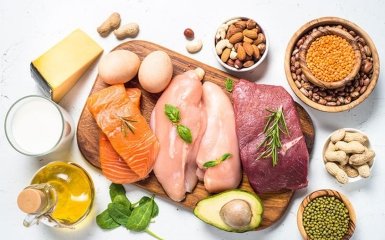
Protein in a child's diet is needed for growth, tissue formation, muscle function, immune system function, and feeling full. But that doesn't mean that children's food should be limited to cheese, meat, or eggs. Protein foods for children are a broader group: fish, poultry, legumes, yogurt, kefir, lentils, chickpeas, beans, tofu, whole grains, seeds, and age-safe nut or seed spreads.
Points of attention
- Protein is essential for a child's growth, tissue formation, and overall health, playing a key role in promoting immune system function and aiding digestion.
- Variety is crucial in a child's diet, with protein sources extending beyond cheese to include fish, poultry, legumes, yogurt, tofu, and seeds.
Why protein is important in a child's diet
The basic idea is simple: not to force a child to eat one “healthy” product, but to create many familiar situations in which protein foods appear naturally. This approach supports the diversity of the diet recommended by international organizations on child nutrition, in particular WHO and UNICEF: children need different food groups, and not rely on one ingredient. WHO , UNICEF
Protein is the building block for the body. It is involved in growth, tissue repair, enzyme, hormone, and immune system function. For a child who is actively growing, moving, learning, and expending a lot of energy, protein is part of a healthy diet, but it is not the only important nutrient.
Vegetables, fruits, grains, healthy fats, dairy or alternative products, and sufficient fluids are equally important. That is why the question is not only what to give a child for protein, but also how to make children's nutrition diverse.
Protein foods also help keep you fuller for longer. For example, a child's breakfast of yogurt, eggs, cottage cheese, or milk-based oatmeal is usually more filling than just a sweet bun or sugary cereal.
How much protein does a child need?
Protein needs depend on age, weight, activity level, health, and overall diet. Therefore, you should not count grams by gram or force your child to eat large portions “for the sake of it.”
For most healthy children, it is more important to have protein in their diet regularly throughout the day: at breakfast, lunch, dinner or snacks. The NHS advises including animal or plant sources of protein in children's diets: meat, fish, eggs, dairy products, legumes, chickpeas, lentils, beans or tofu. NHS
If a child has allergies, chronic diseases, weight problems, a very selective diet, or signs of eating disorders, the diet should be coordinated with a pediatrician.
What foods contain protein?
Protein foods for children can be very different. You can include in your diet:
dairy products: yogurt without excess sugar, kefir, cottage cheese, hard cheese in moderate quantities;
eggs;
fish;
bird;
lean meat;
legumes: lentils, chickpeas, beans, peas;
tofu;
whole grain products;
seed;
nut or seed pastes, if there is no allergy and the product is age-safe.
It is important to be aware of the risk of choking. The American Academy of Pediatrics lists whole nuts, seeds, hard raw vegetables, chunks of peanut butter, whole grapes, and other hard or round foods as potentially dangerous for young children. Therefore, it is best to give nut butters in a thin layer and solid foods in a safe form appropriate for age. American Academy of Pediatrics
Five creative ideas to add more protein to your child's diet
1. Add protein to your regular meals
The easiest way is not to invent a separate “protein” dish, but to reinforce what the child is already eating. If the child likes pancakes, you can add yogurt or a little cottage cheese to the dough. If the child likes pasta, make a sauce with chicken, turkey or red lentils. If the child eats pureed soup, add chickpeas or peas.
Practical ideas:
omelette muffins with egg and vegetables;
pancakes with yogurt or cottage cheese in the dough;
pasta with chicken or lentils;
cream soup with chickpeas;
buckwheat with egg or turkey;
rice with fish and vegetables;
mashed potatoes with the addition of beans or peas.
This approach works gently: the child sees a familiar dish, but receives more nutrition.
2. Make protein snacks without “adult” protein
Healthy snacks for children should not include protein powders, adult bars, or sports nutrition. For a child, regular foods are enough: yogurt, eggs, hummus, cheesecakes, toast with a safe spread of nuts or seeds.
Examples of snacks:
natural yogurt with fruit;
hummus with soft vegetable sticks;
boiled egg;
cheesecakes;
toast with a thin layer of peanut butter, provided there is no allergy;
homemade balls made from oatmeal, yogurt, or seed paste;
kefir smoothie with berries;
pieces of soft cheese with fruit.
Sweetened yogurts should not be a daily staple: they can contain a lot of added sugar. The WHO recommends limiting foods high in free sugars, salt, and saturated fat in a healthy diet. WHO
3. Disguise legumes in dishes your child already loves
Legumes are a good source of plant-based protein, fiber, and micronutrients. But not all children are willing to eat beans or lentils on their own. Therefore, they can be introduced gradually and in familiar formats.
Ideas:
red lentils in tomato sauce for pasta;
chickpeas in cream soup;
beans in vegetable cutlets;
hummus as a spread on toast;
pea puree as a side dish;
lentil pancakes;
meatballs with partial replacement of meat with lentils.
If your child has never eaten legumes before, start with a small portion. For some children, legumes can be difficult to digest, so they should be cooked well, crushed, and introduced into the diet gradually.
4. Use protein in breakfast
Breakfast for a child is a convenient time to add protein foods without complicated decisions. It can be not only an omelet. Protein can be added to porridge, pancakes, toast, cheesecakes or a yogurt bowl.
Options:
oatmeal with yogurt;
omelet with vegetables;
cheesecakes;
toast with egg;
yogurt bowl with fruit;
pancakes with the addition of sour milk cheese;
buckwheat porridge with egg;
pita roll with chicken or hummus.
A good breakfast doesn't have to be complicated. If your child has eaten yogurt with fruit and toast, that may be a better option than sweets or a snack with no nutritional value.
5. Make protein foods part of the game and choice
Children are more likely to try new things when they don't feel pressured. Instead of "you have to eat this," you can offer a choice: omelet or cheesecake, yogurt or kefir smoothie, hummus or egg, chicken or fish.
You can involve your child in the preparation: mix the dough, put the vegetables on a plate, choose the shape of the pancakes, spread the hummus, and assemble a “colorful plate.” This does not guarantee that the child will immediately eat the new product, but it reduces the tension around food.
Another way is micro-portions. A very small amount of a new food can be placed on a plate next to something the child already likes. For example, a spoonful of hummus next to a cucumber, a few chickpea balls next to a potato, a little lentil sauce with pasta. This way, the new taste becomes more familiar gradually.
What is best to avoid?
Not all protein foods are equally good choices for a child's daily diet. Sausages, hot dogs, smoked meats, and other processed meats should not be the primary source of protein. These foods are often high in salt, saturated fat, and additives.
It is also worth limiting:
sweet yogurts with a lot of sugar;
protein bars for adults;
sports nutrition;
large portions “because of the benefits”;
compulsion to eat;
monotonous diet;
replacing normal food with only dairy products.
If a child doesn't want to eat cheese, it's not a disaster. The task of parents is not to force them to love one product, but to find different sources of protein that fit into their children's real diet.
How to understand that a child's diet is sufficiently varied
A healthy diet for a child doesn't look the same every day. It's important to look at the food over the course of a day or week, not just one plate.
Signs of a varied diet:
the menu has different groups of products;
protein does not appear in just one dish;
there are vegetables, fruits, cereals, fats, dairy or alternative products;
the child does not get most of his calories from sweet snacks;
the diet does not rely on one “healthy” product;
There is an alternation of animal and plant sources of protein, if it suits the family.
UNICEF emphasizes the importance of children's access to nutritious, safe and diverse foods, including fruits, vegetables, eggs, dairy products, fish, meat and other sources of nutrients. UNICEF
Conclusion
Protein can be added to a child's diet in a calm, tasty way, and without coercion. There's no need to convince your child to eat cheese every day or increase their meat portions. It's better to use a variety of protein-rich foods in familiar dishes: pancakes, pasta, soups, porridge, toast, snacks, and breakfasts.
The key is variety. If your child doesn't like one protein product, it doesn't mean that all options are exhausted. There are eggs, yogurt, fish, poultry, legumes, chickpeas, lentils, beans, tofu, whole grains, and other options that can be introduced gradually.
A child's diet should not be ideal on paper, but realistic in life: without pressure, without fear, with respect for appetite, age, safety, and individual characteristics.
FAQ
Is it necessary for a child to eat cheese?
No, cheese is not the only source of protein. If your child doesn't like cheese, you can get protein from yogurt, eggs, fish, poultry, meat, legumes, lentils, chickpeas, beans, tofu, and other foods.
What foods contain the most protein for children?
Protein foods include eggs, fish, poultry, meat, dairy products, yogurt, cottage cheese, legumes, lentils, chickpeas, beans, peas, and tofu. The choice depends on the child's age, food tolerance, allergies, and overall diet.
Can a child have legumes?
Yes, legumes can be part of a baby's diet if they are well-cooked and suitable for the baby. It is best to introduce them gradually: in soups, purees, sauces, cutlets or hummus.
What to do if a child doesn't eat meat?
You can use other sources of protein: eggs, fish, dairy products, legumes, lentils, chickpeas, beans, tofu. If your child completely refuses meat or has a limited diet, it is worth discussing nutrition with your pediatrician.
Are yogurts good for children?
Yogurt can be a good source of protein and calcium, as long as it is not high in added sugar. For your daily diet, it is best to choose plain yogurt and add fruit or berries to it.
Can I give protein bars to children?
Protein bars for adults should not be used as a regular snack for children. They often contain sweeteners, high protein, additives, or ingredients not intended for children. It is better to choose regular foods: yogurt, eggs, cheesecakes, hummus, porridge, or toast.
How to add protein to your child's breakfast?
You can make an omelet, cheesecakes, oatmeal with yogurt, toast with an egg, pancakes with cottage cheese, a yogurt bowl with fruit, or buckwheat with an egg. The main thing is that breakfast is familiar, tasty, and affordable for the child.
When should you consult a pediatrician about nutrition?
The diet should be coordinated with a pediatrician if the child has allergies, chronic diseases, weight problems, a very selective diet, frequent digestive complaints, or parents plan to significantly limit certain food groups.
A short warning
The material is for informational purposes only and does not replace individual medical advice. In case of allergies, chronic diseases, weight problems or eating disorders, the child's diet should be coordinated with a pediatrician.

