
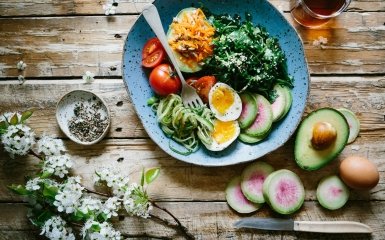
Anemia is often associated with iron deficiency, but the cause can be different: vitamin B12 or folate deficiency, blood loss, chronic inflammation, gastrointestinal diseases or other conditions. Therefore, nutrition is important, but it does not replace diagnostics. A properly composed diet can help you get more iron, protein, folate and vitamins that are involved in blood formation. The main thing is not to look for one “magic” product, but to build a regular, balanced and tasty menu.
Nutrition for anemia: foods with iron, healthy combinations and daily meals
Anemia is often caused by iron deficiency, but it can also be caused by vitamin B12 or folate deficiency, blood loss, chronic inflammation, gastrointestinal disease, and other conditions. Therefore, nutrition is important, but it is not a substitute for diagnosis.
A properly composed diet helps to obtain iron, protein, folate and vitamins necessary for blood formation. It is important not to look for one "magic" product, but to adhere to a balanced diet.
Why is it important to find out the cause of anemia?
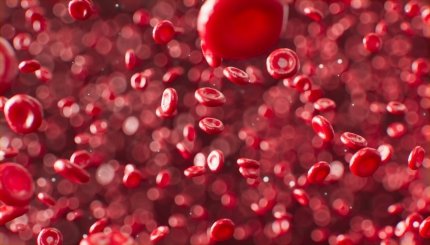
Anemia is a condition in which the body may not have enough healthy red blood cells or hemoglobin to carry oxygen properly. The causes can vary.
Iron deficiency anemia is most commonly referred to. It can occur due to insufficient iron intake, increased iron requirement, impaired iron absorption, or blood loss. Similar symptoms can occur with other types of anemia.
Symptoms that need attention include:
prolonged weakness and fatigue;
shortness of breath during usual exertion;
pale skin;
dizziness;
palpitation;
brittle nails, hair loss;
desire to eat ice, chalk, or other non-food substances.
To assess the condition, the doctor may prescribe a complete blood count, ferritin, iron metabolism indicators, vitamin B12, folate, and other tests.
Which iron is better absorbed: heme and non-heme?
There are two main types of iron in the diet.
Heme iron
Heme iron is found in animal products such as meat, poultry, fish, and seafood. It is usually better absorbed and less dependent on other food components.
Non-heme iron
Non-heme iron is found in plant foods: legumes, grains, seeds, nuts, greens, and dried fruits. It is also useful, but is less well absorbed.
Plant sources of iron should be combined with foods rich in vitamin C, and not immediately washed down with tea or coffee.
Animal products
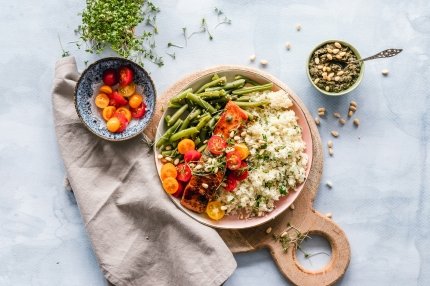
If your diet includes animal products, regularly include various sources of heme iron and protein:
beef, veal, lean lamb;
turkey and chicken;
fish and seafood;
eggs;
liver and other offal - in the absence of contraindications and not every day.
Liver is rich in iron and vitamin B12, but it is not a panacea for anemia. Pregnant women and people with certain medical conditions should discuss its use with their doctor.
Examples of dishes:
stewed beef with vegetables and buckwheat;
turkey with bell pepper and green salad;
fish with sauerkraut or salad;
omelet with spinach and tomatoes;
homemade liver pate - sometimes and in small portions.
Plant sources of iron
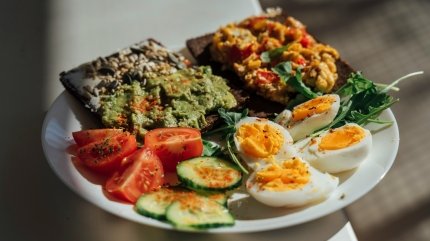
Plant foods contain non-heme iron, fiber, folate, magnesium, and other nutrients.
It is worth adding to the diet:
lentils, beans, chickpeas, peas;
buckwheat, oatmeal, quinoa and whole grain cereals;
pumpkin, sesame and sunflower seeds;
nuts;
spinach, arugula, parsley and other greens;
tofu and other soy products;
dried apricots, prunes and raisins - as a supplement to the diet;
hummus and salads with legumes.
Beets, apples, and pomegranates can be part of a healthy diet, but they are not the best sources of iron and are not a substitute for a complete diet or treatment.
What to eat with iron
The easiest way to improve the absorption of non-heme iron is to add a source of vitamin C to your meal.
Useful combinations:
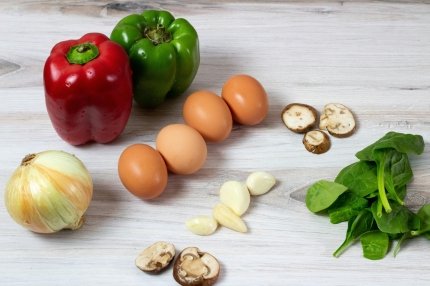
buckwheat + bell pepper salad;
lentils + tomatoes + greens;
hummus + lemon juice;
beans + sauerkraut;
oatmeal + berries;
tofu + broccoli + citrus dressing;
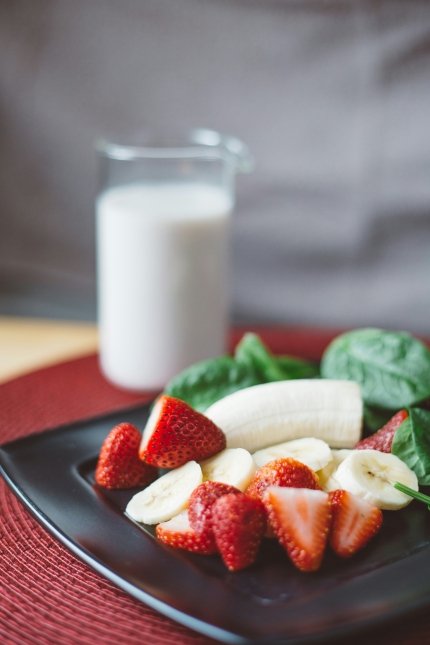
spinach + strawberry or orange.
Legumes and grains can be soaked before cooking. Fermented foods can also be part of a balanced diet.
What can interfere with iron absorption?
Some foods and drinks can reduce the absorption of iron, especially non-heme iron:
strong black or green tea;
coffee;
a large amount of calcium during one meal;
foods high in phytate;
some supplements, including calcium or antacids, if taken at the same time as iron.
It is better not to combine tea and coffee with the main iron-containing meal. If your doctor has prescribed iron supplements, follow the recommendations for taking them.
Delicious dishes for anemia
Breakfasts
oatmeal with berries, pumpkin seeds and nut butter;
omelet with spinach, tomatoes and herbs;
buckwheat pancakes with turkey or hummus;
Whole grain toast with egg and pepper salad.
It is better to save yogurt for another meal if the goal is to maximize iron absorption.
Lunches
braised beef with buckwheat and coleslaw;
lentil soup with tomatoes and herbs;
chickpeas with vegetables and lemon dressing;
fish with quinoa and broccoli;
beans in tomato sauce with whole grain bread.
Dinners
turkey with vegetables and sauerkraut salad;
tofu with broccoli, sesame seeds and lemon juice;
warm salad with lentils, roasted peppers and herbs;
baked fish with vegetables;
buckwheat with mushrooms and tomato salad.
Example of a daily menu
This is not a treatment regimen, but an example of how you can combine iron-rich foods.
Breakfast: omelet with herbs and tomatoes, whole grain toast, fruit or berries.
Snack: a handful of nuts or seeds, fruit with vitamin C.
Lunch: lentil soup or stewed beef, buckwheat, salad of bell pepper, cabbage and greens.
Snack: hummus with vegetables or a small amount of dried fruit.
Dinner: fish or turkey with vegetables or tofu with broccoli and lemon dressing.
Drinks: water throughout the day. Tea and coffee should not be combined with the most iron-rich meals.
Food for different groups
Women of reproductive age
Iron requirements may be higher due to menstrual blood loss. If your periods are very heavy or accompanied by weakness, you should consult a doctor.
Meat or alternative sources of iron, legumes, greens, cereals, and foods with vitamin C are appropriate in the diet.
Pregnant women
During pregnancy, the need for iron increases, and iron deficiency occurs more often. It is not worth taking iron preparations or high doses of supplements on your own. Nutrition and the need for supplements should be coordinated with your doctor.
Teenagers
During the period of active growth, it is important that the menu includes protein foods, cereals, legumes, vegetables, fruits, and a sufficient amount of calories.
Vegetarians and vegans
Legumes, tofu, seeds, nuts, whole grains, and foods with vitamin C are especially important. Particular attention should be paid to vitamin B12, as it is almost not available from unfortified plant foods.
Elderly people
In older age, anemia may be related not only to diet but also to chronic diseases, medications, or malabsorption. A persistent decrease in hemoglobin requires medical evaluation.
Common mistakes
Rely only on apples, beets, or pomegranate juice.
Drink iron-rich foods with tea or coffee.
Take iron supplements on your own.
Ignore possible blood loss.
Eating monotonously.
No need to exclude entire product groups.
Not only iron, but also protein, folate, B12, and the overall quality of the diet are important for hematopoiesis.
FAQ
Is it possible to increase hemoglobin only through diet?
This depends on the cause and severity of the anemia. If the deficiency is minor and related to diet, dietary changes may help. If the deficiency is significant, due to blood loss, pregnancy, or malabsorption, treatment may be necessary.
What to eat every day with anemia?
It is useful to regularly include sources of iron: meat, fish, poultry, eggs, legumes, buckwheat, seeds and greens. Also add foods with vitamin C - peppers, cabbage, broccoli, citrus fruits, berries and tomatoes.
Do apples really help with anemia?
Apples can be part of a healthy diet, but they are not the best sources of iron. You shouldn't rely on them alone to correct a deficiency.
Can I drink coffee if I have anemia?
You don't have to completely eliminate coffee, but it's best not to drink it with iron-rich foods or iron supplements.
Is pomegranate juice good for hemoglobin?
Pomegranate juice can be a dietary supplement, but it is not a cure for anemia. You should also consider the sugar content and possible medical restrictions.
Should you eat liver if you have anemia?
Liver contains iron and vitamin B12, but is not a must-have daily food. Pregnant women and people with certain medical conditions should consult a doctor.
What should vegetarians do if they have iron deficiency?
Legumes, tofu, whole grains, seeds, and nuts can form the basis of your diet. They should be combined with foods rich in vitamin C. It is also important to monitor your B12 levels.
What symptoms of anemia require a visit to the doctor?
Seek medical attention if weakness persists, shortness of breath, palpitations, dizziness, fainting, very heavy menstruation, blood in the stool, or a sudden deterioration in well-being.
Conclusion
Nutrition for anemia should be balanced and contain enough iron, protein, vitamin C, folate, and B12. Regular food combinations work best: meat or legumes with vegetables, grains with greens, seeds with berries, fish or turkey with salad.
At the same time, it is important to establish the cause of anemia. If tests show a deficiency or there are corresponding symptoms, you should not postpone consulting a doctor. Food can support the body, but it does not always replace medical treatment.
Disclaimer: This material is for informational purposes only and does not constitute medical advice. Do not self-diagnose or take iron supplements or other medications without consulting a doctor.

