

Omega-3 is often referred to as almost synonymous with fish oil, but this is not entirely correct. Omega-3 is a group of fatty acids, and fish oil is just one source of some of them. Because of this, the question "omega-3 or fish oil: which is better?" needs clarification: it is not only important what you buy, but also why, in what form and whether you really need a supplement.
In short: omega-3 and fish oil are not the same thing
Omega-3s are beneficial polyunsaturated fatty acids that the body uses for various physiological processes. They are obtained from food or supplements.
Fish oil is a fat obtained from the tissues of fish or the liver of certain species of fish. It may contain omega-3s, primarily EPA and DHA, but its composition depends on the raw material, purification, concentration, and production.
That is, the difference between omega-3 and fish oil is as follows:
omega-3 is a type of fatty acid;
fish oil is a product or supplement that can be a source of omega-3;
Omega-3 capsules may contain fish oil, fish oil concentrate, krill oil, or algae oil.
Therefore, the label on the package does not guarantee the same benefits. The actual composition is important.

What are omega-3s: EPA, DHA and ALA in simple terms
Omega-3 includes several fatty acids, but three are most commonly mentioned:
EPA
EPA stands for eicosapentaenoic acid. It is found primarily in oily fish, seafood, and some supplements. EPA is often mentioned in the context of supporting normal inflammation and cardiovascular health, but it is not a "drug" and is not a substitute for medical treatment.
DHA
DHA stands for Docosahexaenoic Acid. It is important for the structure of cell membranes, particularly in the brain and retina of the eye. DHA is also found in fatty fish, fish oil, and algae supplements.
ALA
ALA - alpha-linolenic acid. It is found in plant foods: flax seeds, chia, walnuts, some vegetable oils. The body can partially convert ALA into EPA and DHA, but this process is limited and depends on many factors.
That is why plant sources of omega-3 are beneficial for the diet, but are not always equivalent to sources of EPA and DHA.

What is fish oil and how is it different from omega-3 capsules?
Fish oil can be sold in liquid form or in capsules. Sometimes the packaging says "fish oil" or "omega-3," even though the product inside may be similar.
The key difference is the concentration of EPA and DHA. For example, a capsule may contain a certain amount of fish oil, but only a portion of that amount will be omega-3. So, "1000 mg of fish oil" does not mean "1000 mg of EPA and DHA."
When choosing, it is important to look at:
amount of EPA;
amount of DHA;
total omega-3;
source of raw materials;
the presence of purification from unwanted impurities;
release form and storage conditions;
expiration date.
It is also worth remembering: fish oil can have a specific smell and taste. If the smell is sharply rancid, it is better not to use the supplement.
Which is healthier: omega-3 or fish oil?
Correct answer: It depends on what exactly you are comparing.
When it comes to nutrition, the body doesn't need "capsules," it needs omega-3 fatty acids. When it comes to the source, fish oil can be a convenient way to get EPA and DHA. But it's not automatically better than all the other options.
For many people, a balanced diet with fish, seafood, nuts, seeds, and vegetable oils can be a basic source of omega-3s. Supplements are considered when it is difficult to get enough omega-3s from food or when a doctor recommends it.
Therefore:
omega-3 from food is a natural way to get healthy fats along with other nutrients;
fish oil in capsules is a convenient supplement, but its quality and composition must be checked;
omega-3 from algae - an alternative for vegans or people who do not eat fish;
Plant sources of ALA are a useful part of the diet, but not a complete replacement for EPA and DHA for all needs.

When is it best to get omega-3 from food?
If a person can tolerate fish and seafood normally and has no contraindications or allergies, food sources are often the best base. Food provides not only omega-3s, but also protein, trace elements, and other nutrients.
Sources of omega-3 include:
fatty sea fish;
some seafood;
flax and chia seeds;
walnuts;
linseed, rapeseed and some other vegetable oils;
fortified foods, if they are in the diet.
However, moderation and quality are also important with fish. It is worth paying attention to the origin of the product, freshness, method of preparation and overall variety of the diet. Frying in a lot of oil does not make the dish healthier.
When people consider omega-3 supplements
Omega-3 supplements may be of interest to people who:
rarely eat fish or do not eat it at all;
have a limited diet;
cannot tolerate the taste or smell of fish;
follow a vegetarian or vegan diet;
received a recommendation from a doctor;
want to more precisely control the intake of EPA and DHA.
At the same time, supplements are not necessary for everyone. If the diet is varied and a person regularly gets omega-3 from food, there may be no need for capsules.
Be especially careful when taking high doses on your own. Even beneficial substances in excess can have unwanted effects or interact with medications.
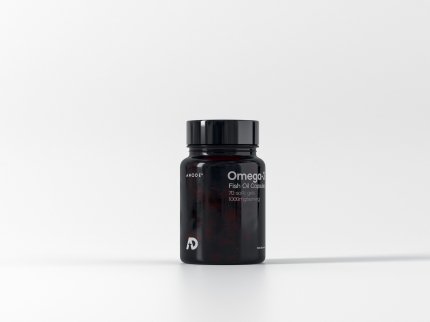
How to read a supplement label
Marketing on packaging is often more visible than important details. To understand exactly what you are buying, look beyond the name.
Check EPA and DHA
The main thing is how much EPA and DHA is in a serving. The total weight of the capsule or the inscription "fish oil" does not give complete information.
Pay attention to the source
The supplement can be from:
fish oil;
fish oil concentrate;
krill oil;
microalgae oils.
For vegans, omega-3 from algae is usually considered, as it is a non-fish source of DHA, and sometimes EPA.
Evaluate quality
It is good when the manufacturer transparently indicates the composition, origin of raw materials, purification method and quality control results. For fish oil, purification from unwanted impurities and protection against oxidation are important.
Signs that should alert you:
sharp rancid smell;
unclear composition;
lack of information about EPA and DHA;
excessive promises like "cures" or "guaranteed recovery";
questionable recommendations without reference to medical logic.

Who needs special care?
You should consult your doctor before taking omega-3 or fish oil if you:
you are taking anticoagulants or antiplatelet agents;
you have a blood clotting disorder;
are preparing for surgery or a medical procedure;
are pregnant or breastfeeding;
you are allergic to fish or seafood;
have chronic liver or pancreas diseases or other conditions that require medical monitoring;
You are planning to give the supplement to your child.
This does not mean that omega-3s are dangerous for all of these groups. It does mean that the decision should be individualized and safe.
Common mistakes when choosing omega-3
Mistake 1. Thinking that "the more the better"
More does not always mean more benefit. The appropriateness of a supplement depends on your diet, health status, medications, and goals for taking it.
Mistake 2. Looking only at the price
A cheap supplement may have a low concentration of EPA and DHA, and an expensive one may not always be better. It is worth comparing the composition, quality and transparency of the manufacturer.

Mistake 3. Ignoring smell and storage
Fish oil can oxidize. It is important to follow storage conditions, not use the product after the expiration date, and not ignore signs of spoilage.
Mistake 4. Expecting a therapeutic effect
Omega-3s can be part of a healthy diet, but do not replace treatment, prescribed medications, examination, or consultation with a doctor.
Mistake 5. Ignoring diet
If a person already eats fatty fish regularly, an additional capsule may not be necessary. If fish is not available at all, alternatives, such as algae supplements, may be worth discussing.

Conclusion: what to choose for you
Omega-3 and fish oil are not direct competitors. Omega-3 are fatty acids, and fish oil is one of their sources. Therefore, the question "which is better omega-3 or fish oil" should be reformulated: which source of omega-3 is right for your diet, health status and lifestyle.
If you eat fish and have a balanced diet, you may not need a supplement. If your diet is low in fish, has restrictions, or your doctor recommends a supplemental source of EPA and DHA, you may want to consider a quality omega-3 capsule, fish oil, or an algae-based option.
The most practical approach is not to buy a supplement solely based on advertising, but to check the composition, evaluate your own diet, and, if necessary, discuss your choice with a medical professional.
FAQ
Is fish oil better than omega-3?
No, this is an incorrect comparison. Omega-3s are fatty acids, and fish oil is a source of some of them. The benefits depend on the composition, quality of the product, diet, and individual needs.
Can I replace fish with omega-3 capsules?
Capsules can help you get EPA and DHA, but they are not a complete replacement for fish as a food. Fish also contains protein and other nutrients. If you don't eat fish, you may want to consider a broader approach to your diet.
What is more important on the label: fish oil or EPA and DHA?
It's more important to look at the actual EPA and DHA content in a serving. The total amount of fish oil doesn't tell you how much active omega-3 fatty acids you'll get.
Are there omega-3s for vegans?
Yes, there are omega-3 supplements made from microalgae. They may contain DHA, and some also EPA. This is an option for people who don't eat fish or have ethical restrictions on animal products.
Can you take omega-3 every day?
This depends on your diet, health status, supplement form, and your doctor's recommendations. Do not take high doses on your own or combine supplements with medications without consulting a doctor.
Does omega-3 help the heart and brain?
Omega-3 fatty acids are important for the normal functioning of the body, including cell membranes. However, supplements should not be taken as a guaranteed way to treat or prevent disease. Nutrition, exercise, sleep, blood pressure control, smoking cessation, and medical supervision are also important for cardiovascular and cognitive health.
Can fish oil be given to children?
Children should only be given supplements after consulting a pediatrician. Age, diet, health status, product form, tolerability, and safety of the specific supplement are important.
What side effects can there be?
Some people may experience a fishy taste, belching, stomach discomfort, or digestive changes. Under certain conditions, omega-3s may interact with medications that affect blood clotting. If you have a chronic condition or are taking medication, it is best to consult your doctor.
Disclaimer: This material is for informational purposes only and does not constitute medical advice. Do not start taking omega-3, fish oil, or other supplements for the treatment or prevention of disease without consulting your doctor, especially if you are taking medication, have a chronic condition, are pregnant, breastfeeding, or are choosing a supplement for a child.

