

Preparing for NMT is not just about finding a “strong teacher” or courses near your home. It is important to understand the student’s starting level, choose a realistic schedule, check the program, and agree on progress monitoring. These things often affect the stability of learning more than loud advertising or advice from friends. In Vinnytsia, various options are available: face-to-face courses, mini-group classes, individual tutoring, online training, or a mixed format. Each of them can be effective under certain conditions — if it matches the goals, pace, and character of the student.
Where to start choosing preparation for NMT
The first step is not choosing a course, but diagnosing. Without understanding the starting level, it is difficult to estimate how much time is needed for preparation and what format is suitable.
It is worth answering a few questions:
what subjects are required for admission;
what is the current level of knowledge in each subject;
how much time is left before testing;
which topics are the most difficult;
Does the student have experience working with the test format?
How many hours per week can you realistically allocate without overloading?
It is good if preparation for the NMT in Vinnytsia begins with a starting test or interview with a teacher. This helps not to waste time on topics that the student already knows, and not to miss gaps that can affect the result.
It is worth checking the current programs and rules of the NMT separately in official sources, in particular on the resources of the Ukrainian Center for Education Quality Assessment. The testing format and procedural conditions may change.
What training format to choose in Vinnytsia
There is no one-size-fits-all format. NMT courses in Vinnytsia may be convenient for some students, while individual tutoring may be a better solution for others. The choice depends on your level of knowledge, self-discipline, budget, schedule, and number of subjects.

Full-time classes
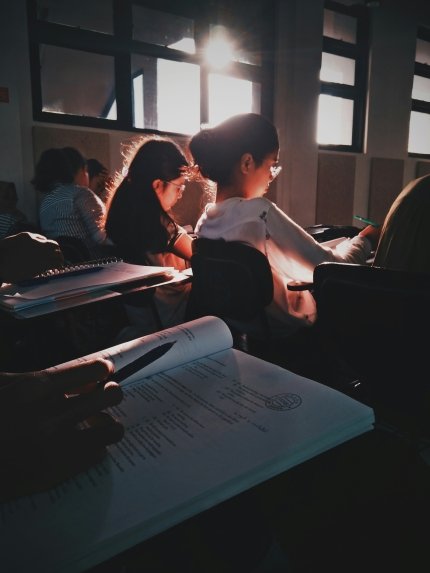
The in-person format is suitable for students who value seeing a teacher in person, having a clear schedule, and a learning environment free from home distractions.
Advantages:
it is easier to maintain discipline;
it is easier to ask questions during class;
there is live contact with the group and the teacher;
the student feels regularity and responsibility.
Possible disadvantages:you need to spend time on the road;
the schedule is less flexible;
in a large group, individual attention may be lacking.
For Vinnytsia, logistics matter: the area of study, transportation after school, return home time, safety of the route, and overall student fatigue.
Online training
Preparing for the NMT online can be effective if the student is sufficiently organized and the platform or teacher provides not only video lessons, but also task verification, tests, and feedback.
Advantages:
no need to waste time traveling;
it is easier to combine several items;
you can study with a teacher not only from your own district;
there are often recordings of classes.
Risks:it is more difficult to concentrate at home;
there is a temptation to postpone reviewing lessons;
without homework supervision, progress can be slow.
The online format works better when there are regular deadlines, review of work, and midterm tests.

Individual tutor
A NMT tutor in Vinnytsia can be a good choice for a student with an uneven level of knowledge, strong gaps, or a specific goal in the subject.
Advantages of the individual format:
the program adapts to the student;
more time for complex topics;
easier to track errors;
you can change the tempo faster.
But individual lessons are not always automatically better. It is important that the teacher has experience preparing for the NMT, works with test questions, explains the structure of the exam, and regularly checks the results.
Group courses and mini-groups
Mini-group classes can be a good compromise between an individual approach and a team atmosphere. The student sees typical mistakes of others, trains at the pace of the group, and receives motivation.
It is worth clarifying:
how many students are in the group;
whether students are grouped by level;
how the teacher checks homework;
is there individual feedback;
What happens if a student misses a class?
A large group without personal supervision may be less effective for students who need detailed explanation or regular review of basic topics.

How to evaluate a teacher for NMT
A strong teacher is not only someone who knows the subject well. For NMT, it is important to be able to explain the material within the program, work with the test format, and show the student why he is wrong.
Before starting classes, you should pay attention to the following criteria:
experience in preparing for the NMT or the previous format of the ZNO;
understanding of the current program;
the ability to explain complex topics simply;
availability of a lesson plan;
regular homework;
error checking and analysis;
willingness to answer student questions;
correct communication with parents, if necessary.
A diploma and experience are important, but they do not replace methodology. If after several classes a student does not understand what exactly he is studying, which topics have already been covered, and where his weaknesses are, it is worth discussing this with the teacher.
A good sign is when the teacher does not promise a guaranteed high score, but explains what the result depends on: regularity, homework, starting level, time before the exam, and ability to work with tests.
What should the training program be like?
The training program should be based on current NMT requirements and relevant curricula. It should not consist only of "test-taking" or only of theory.
Balanced training usually includes:
repetition of key topics;
explanation of typical tasks;
test format training;
homework after each lesson;
regular work with errors;
trial NMT or thematic sections;
repetition of material at certain intervals.
For example, preparation for NMT mathematics should combine basic calculation skills, algebra and geometry topics, analysis of typical errors, and speed training. Preparation for NMT Ukrainian requires not only rules, but also systematic practice: spelling, punctuation, lexical norms, sentence editing.
If the course cannot explain the logic behind the program, this is a reason to ask additional questions.

Class schedule: how not to overload a student
The schedule for preparing for the NMT should be realistic. An overly tight schedule may look convincing on paper, but in real life it leads to fatigue, absences, and superficial completion of homework.
When planning, consider:
school workload;
number of NMT subjects;
the road to the place of study;
time for homework;
sleep and rest;
additional classes or work;
the student's psychological state.
Some students may benefit from shorter, more regular sessions. Others may need longer blocks of time with in-depth coverage of topics. It is important not to copy someone else's schedule, but to set your own pace.
If a student is preparing for several subjects, it is advisable not to put difficult lessons in a row without a break. It is also worth leaving time for independent revision: without it, even a good teacher will not be able to ensure stable progress.
Progress monitoring: what should be mandatory
Monitoring the progress of NMT is one of the main criteria for quality training. If a student simply goes to classes, but no one measures the result, it is difficult to understand whether the chosen format is working.
An effective control system may include:
initial diagnostics;
short tests after topics;
intermediate cuts once in a certain period;
analysis of typical errors;
repeated passage of complex topics;
trial NMT in approximate format;
individual recommendations after inspections.
It is important to evaluate not only the number of correct answers, but also the reasons for the errors. The student could not know the topic, misread the condition, was in a hurry, or did not know how to allocate time. Each reason requires a different strategy.
Parents should not ask for general phrases like "everything is fine," but for short, meaningful feedback: which topics have improved, which remain problematic, what needs to be done before the next stage.

What to pay attention to in Vinnytsia
When choosing courses at NMT Vinnytsia, it is worth looking not only at the program, but also at the practical conditions. Even intensive classes can become ineffective if the student is regularly late, gets tired on the road, or returns home too late.
Check:
in which district the classes are held;
how long does the journey take after school;
Is it convenient to get there in the evening?
is it possible to go online if necessary;
how classes are organized during holidays or changes in the school schedule;
Is it possible to work on a missed topic?
For students from Vinnytsia region, a mixed format may be convenient: some classes are online, some are in person for mock tests, consultations, or intensives.
Questions to ask before paying
Before you pay for a course or make an appointment with a tutor, ask specific questions. This will help avoid misunderstandings.
Checklist for the student and parents:
Is there a trial lesson or initial consultation?
What program is the training based on?
How is the initial level checked?
How many students are in the group?
Are groups formed by knowledge level?
How often will there be homework?
Who checks them and how?
Are trial tests conducted?
How is progress reported?
What to do if a student misses a class?
Can I change the group or teacher?
What are the conditions for canceling or postponing classes?
If the answers are unclear, it is better not to rush into paying for a long period. Quality training usually has transparent rules.

Common mistakes when choosing training
The most common mistakes are not related to a lack of options, but to a hasty decision.
Focusing only on price
A cheaper format is not always worse, and a more expensive one is not always better. It is important to evaluate what is included in the training: checking work, tests, feedback, access to materials, error analysis.
Choice only by advertising
Big promises and beautiful wording are no substitute for programs, methodologies, and real learning conditions. It is worth asking clarifying questions and asking for clarification on how progress will be monitored.
No trial lesson
A trial lesson helps you understand whether the style of explanation, pace, and communication are appropriate. This is especially important for students who quickly lose motivation if they don't feel connected to the teacher.

Too late a start
You can prepare for different times, but the more gaps there are, the more important it is to start earlier. A late start requires a clearer plan and more independent work.
Ignoring the student's condition
Constant fatigue, lack of sleep, and anxiety can reduce the effectiveness of even good preparation. The schedule should support learning, not turn it into continuous stress.
FAQ
When is the best time to start preparing for the NMT?
The optimal start depends on the level of knowledge and goals. If there are significant gaps or you need to prepare for several subjects, it is better to start early. Students with a good base may be able to do less long, but systematic preparation.
What is better: courses or a tutor for NMT in Vinnytsia?
Courses are suitable for students who need structure, group motivation, and a regular schedule. A tutor may be better for individualized work on gaps. The best choice depends on the student's level, subject, budget, and self-discipline.
Is online training enough for NMT?
Yes, an online format may be sufficient if there is a clear program, homework, assessment, mock tests, and regular feedback. If a student has difficulty concentrating at home, a face-to-face or blended format should be considered.
How many times a week should you exercise?
There is no universal number of classes. It depends on the subjects, starting level, time before the NMT, and school workload. It is important to leave time for independent revision and homework.
How do you know that your training is working?
Signs of progress include better results on subject tests, fewer repeated errors, faster task completion, a clearer work plan, and confidence in complex topics. It is important to compare results not every day, but over time.
Is a trial NMT required?
A mock NMT is useful because it helps test not only your knowledge, but also your ability to work with time, read the tasks carefully, and control your anxiety. After a mock test, it is important to analyze your mistakes, not just look at the result.
What to do if the teacher is not suitable?
First, it is worth discussing the problem: the pace, explanations, homework, or feedback format. If the situation does not change after this, it is advisable to consider a different teacher or class format.
Can I prepare for the NMT on my own?
Yes, independent preparation is possible, especially if the student is disciplined and has a good foundation. But it is advisable to periodically take mock tests, check with current programs, and analyze mistakes so as not to miss weak points.
Conclusion
Choosing a training course for NMT in Vinnytsia should not start with advertising or price, but with diagnosing the student's level, goals, and real schedule. Good courses or teachers should work according to a clear program, regularly check progress, provide feedback, and help the student see their own weaknesses.
In-person, online, individual, or group formats can be effective if they meet the needs of the individual student. The best results usually come from a combination of quality teaching, regular independent work, mock tests, and a healthy learning rhythm.
Disclaimer: the material is for informational purposes only. The current rules, programs, and conditions for conducting NMT should be checked in official sources, in particular on the resources of the Ukrainian Center for Education Quality Assessment. No training format guarantees a specific score: the result depends on the starting level, regularity of classes, independent work, and other individual factors.

