
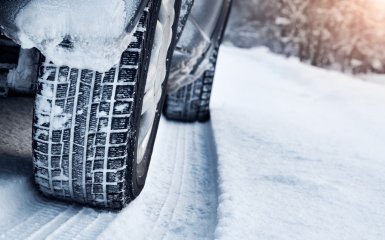
Winter quickly reveals a car's weak points: an old battery, worn tires, bad wipers, unsuitable washer fluid, or brake problems. The driver can do some of the checks themselves, but it's better to diagnose critical components before the cold weather sets in, rather than when the car no longer starts or has poor road holding.
Points of attention
- The optimal time to prepare your car for winter is before the onset of stable frosts and snow.
- Winter tires are a key element of road safety, check their condition before installation.
- Summer tires can be dangerous in winter due to loss of elasticity in the cold.
Preparing your car for winter is not a single action, but a set of simple but important steps. Below is a practical checklist that will help reduce the risk of trouble during the cold season.
When to start preparing your car for winter
It is best to prepare your car for winter before stable frosts and the first snow. When all drivers simultaneously think about tires, batteries, and antifreeze, queues appear at service stations and tire fitting shops, and the choice of consumables becomes worse.
It is worth starting when the night temperature regularly approaches zero and the weather becomes unstable. Even if it is still warm during the day, morning frosts can affect tire grip, the operation of locks, seals and engine starting.
Minimum training plan:
check or replace tires;
test the battery and charging system;
check the level and condition of technical fluids;
evaluate the operation of the brakes, suspension and steering;
prepare windshield wipers, lights and washer;
to pack the winter kit in the trunk.
Winter tires: what to check before installation
Winter tires are a key safety feature. They determine how a car starts, brakes, and handles on slippery surfaces.
Before installation, check:
seasonality - the marking should correspond to winter or all-season use, if such tires are really suitable for your conditions;
tread residue - worn winter tires perform much worse in snow and slush;
Uniformity of wear - uneven wear may indicate problems with camber, suspension or pressure;
the age and condition of the rubber - cracks, hardening, swelling and cuts are a reason not to take risks;
pressure - check it according to the car manufacturer's recommendations, not "by eye";
Balancing - after seasonal storage or impacts, the wheel may need balancing.
Why summer tires are dangerous in winter
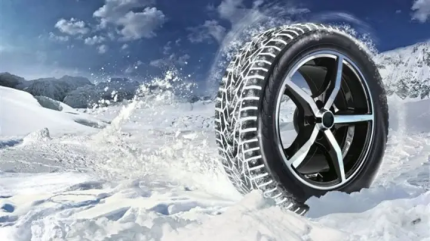
Summer tires can lose their elasticity in cold weather. This leads to poor road contact, increased braking distance, and increased risk of loss of control. This is especially noticeable on wet asphalt, snow, ice, and during sharp maneuvers.
All-season tires can be a compromise for mild winters and mostly city driving, but they are not always a substitute for quality winter tires in conditions of frequent snow, ice, or highway driving. Be guided by the climate, route, driving style, and tire manufacturer's recommendations.
Battery, generator and engine starting
Frost increases the load on the battery. If the battery is already weak, this is often manifested in the winter by slow cranking of the starter, dim lights or a complete failure to start.
Before winter, it is worth checking:
battery charge level;
condition of the terminals and presence of oxidation;
reliability of battery mounting;
generator operation;
the condition of the drive belt, if provided for by the design;
starter operation if starting is already unstable.
If the battery is old or regularly discharges, it is better to undergo diagnostics. Don't wait for severe frost: a weak battery can fail just when you need the car most.
For drivers who leave their cars outside, it is useful to have jump leads or a quality booster. But they must be used according to the instructions, observing polarity and safety rules. Incorrect connection can damage the electronics.
Fluids: antifreeze, oil, washer and brake system
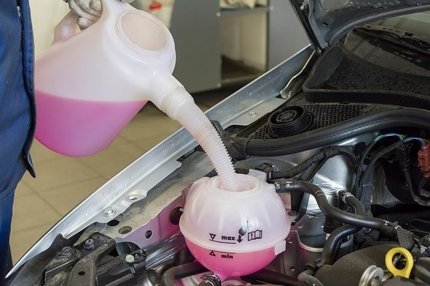
Technical fluids should correspond to the season and the requirements of a particular car. There can be no universal advice like "fill in any winter version" - always check the manufacturer's instructions.
Antifreeze
Antifreeze is responsible for the operation of the cooling system and protection against freezing. Before winter, you need to check the level, condition and freezing point of the liquid. If the antifreeze is of unknown origin, has not been changed for a long time or has an unnatural color or sediment, you should contact the service.
Do not mix different types of antifreeze without understanding their compatibility. Incompatible fluids can form deposits and impair the cooling system.
Motor oil
The oil must meet the manufacturer's specifications and operating temperature conditions. In cold weather, too viscous or old oil can make starting difficult and impair engine lubrication in the first minutes of operation.
If the oil change is approaching according to the regulations, it makes sense to do it before the cold weather sets in. But you should choose the viscosity and specification not based on advice from forums, but on the service documentation for the car.
Washer fluid
Fill with winter washer fluid before the temperature drops below freezing. If summer fluid or water remains in the reservoir, the system may freeze, damaging the nozzles, hoses, or pump.
If the washer is already frozen, do not try to force the system. It is better to put the car in a warm room or wait for it to thaw, and then replace the fluid with winter fluid.
Brake fluid
Brake fluid can absorb moisture over time, which impairs its properties. Before winter, it is worth checking the condition of the brake system, especially if the pedal has become softer, the car pulls to the side during braking, or extraneous sounds have appeared.
Lights, wipers and visibility
In winter, it gets dark earlier, and the glass gets dirty faster with salt, reagents, and sleet. Poor visibility is a direct risk for the driver, passengers, and pedestrians.
Before the season, check:
low and high beam;
fog lights, if any;
brake lights, turn signals and hazard warning lights;
cleanliness of headlights and condition of diffusers;
operation of the rear window and mirror heating;
condition of the wiper blades.
If your wipers leave streaks, squeak, or don't clear water well, it's best to replace them. In winter, this is no small matter: a few seconds of poor visibility on a slippery road can have serious consequences.
Do not use the wipers if they are frozen to the glass. First, safely defrost the glass and blades, otherwise you may damage the wiper blades or the drive mechanism.
Brakes, suspension and steering
On a dry road, minor faults sometimes seem imperceptible. On ice or snow, they manifest themselves much more sharply. That is why car maintenance before winter should include checking components that affect handling.
At the service station it is worth assessing:
condition of brake pads and discs;
braking uniformity;
handbrake operation;
backlash in the suspension and steering;
condition of shock absorbers;
camber-toe, if the car pulls to one side or the tires wear unevenly.
Faulty shock absorbers, worn bushings or loose steering can reduce vehicle stability. This is especially dangerous in winter when braking, negotiating obstacles and following a rut.
Body, seals, locks and protection against reagents
Salt, dirt, moisture, and temperature changes accelerate corrosion and create everyday problems: doors, locks, and the gas tank hatch freeze.
Before winter it is useful to:
wash the car thoroughly, including the wheel arches and the lower part of the body;
check the paintwork for chips and scratches;
treat the seals with a product intended for rubber;
lubricate the locks with a suitable agent, if the design requires it;
check the drainage holes to ensure that water does not accumulate in the doors or under the seals;
If necessary, apply anti-corrosion treatment, especially for older cars.
Do not pour boiling water over frozen locks. A sharp temperature drop can damage the parts, and the water will freeze again. It is better to use a special defroster and keep it with you, not in the cabin.
What to put in the car in winter
A winter kit doesn't take up much space in your car, but it can help in an unforeseen situation. It's especially useful for those who drive on highways, out of town, or leave their car in an open parking lot.
Recommended set:
snow brush and glass scraper;
gloves and a warm hat;
small shovel;
tow rope;
jump leads or booster;
a flashlight with charged batteries or a rechargeable battery;
spare winter washer fluid;
napkins or cloth for glass and headlights;
emergency sign and reflective vest;
power bank and charging cable;
a blanket or warm item for long trips;
a small supply of water and a snack for the road out of town.
For long winter trips, it is worth separately checking the forecast, route, fuel or battery level in the electric vehicle, as well as the availability of communication on sections of the road.
Typical mistakes drivers make before winter
Even experienced drivers sometimes procrastinate their training or limit themselves to one point. The most common mistakes are:
change tires only after the first snow;
driving on old winter tires that have lost their elasticity;
do not check the battery before frost;
add unknown antifreeze without checking compatibility;
leave summer washer fluid in the tank;
ignore wiper streaks and dim headlights;
do not check the brakes if "the car seems to be driving normally";
warming up the car for a long time and unnecessarily instead of starting the car smoothly after the engine has stabilized;
start, brake and turn sharply on cold tires and slippery roads.
After technical training, it is important to change your driving style: keep a greater distance, avoid sudden maneuvers, reduce speed in advance, and do not rely solely on electronic safety systems.
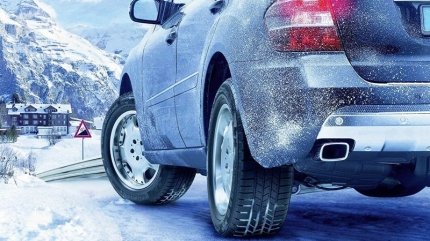
A short checklist for preparing your car for winter
Before the start of the cold season, check:
winter tires, tread, pressure and balancing;
battery, terminals, generator and starter;
level and condition of antifreeze;
compliance of engine oil with the season and manufacturer's approvals;
winter washer fluid;
brake fluid, pads and discs;
suspension, shock absorbers and steering;
headlights, brake lights, turn signals and hazard lights;
wipers, heated windows and mirrors;
door seals, locks and fuel door;
the presence of a winter set in the trunk;
documents, insurance, phone charge, and a route plan for long trips.
FAQ
When to change to winter tires?
Focus not only on the calendar, but also on the temperature and road conditions. If there are already frosts at night and the weather is unstable, it is not worth postponing the replacement. The exact moment depends on the region, route and type of tires.
Can I drive on all-season tires in winter?
Only under the conditions they are designed for. In mild climates and for relaxed city driving, all-season tires can be an acceptable compromise. But for frequent snow, ice, mountain roads or trails, it is better to consider full-fledged winter tires.
How do I know if the battery is weak?
Signs may include slow starter rotation, dim light during start-up, frequent discharges, electronics errors, or the need to regularly “light up” the car. The most reliable way is to have the battery and charging system checked at a service center.
Do I need to change the oil before winter?
If the replacement is approaching according to the regulations, it is advisable to do it before the frost. But the type and viscosity of the oil should be selected according to the car manufacturer's instructions, and not according to universal advice.
What to do if the washer is frozen?
Do not turn on the pump many times in a row and do not try to force the fluid through. It is best to move the car to a warm place, wait for the system to thaw, and then add winter washer fluid.
Do I need to warm up my car in winter?
Most modern cars do not require a long warm-up period unless the manufacturer specifies otherwise. Usually, it is enough to wait for the engine to run stably, clean the glass, and start driving smoothly, without high revs or sudden accelerations.
How to prepare a diesel engine for frost?
For a diesel car, it is important to use seasonal fuel, monitor the condition of the battery, glow plugs, fuel filter, and starting system. If the engine is difficult to start even before severe frosts, it is better to undergo diagnostics in advance.
What is a must-have in your trunk in winter?
Minimum: brush, scraper, gloves, shovel, rope, jump leads or booster, flashlight, hazard light, reflective vest, and winter washer fluid. For the trail, add a blanket, power bank, water, and a snack.
Conclusion
Preparing your car for winter is an investment in safety, predictability and peace of mind. The most important thing is not to wait for the first snow, but to check your tires, battery, fluids, brakes, lights and visibility in advance. Even small malfunctions in winter can quickly turn into a serious problem.
Use the checklist, check the instructions of your car manufacturer, and do not delay diagnostics if there are suspicious sounds, errors, leaks, or unstable operation of systems.
Disclaimer: The material is for reference only. For accurate selection of fluids, tires, battery, and repairs for a specific vehicle, please refer to the manufacturer's instructions and recommendations from a qualified service center.

