

Choosing a kindergarten is not only a matter of price, area or beautiful photos on social networks. For a child, a predictable regime, calm adults, a safe space and gradual adaptation are important. For parents, transparent rules, a clear contract and trust in the team are important. A private kindergarten in Ivano-Frankivsk can have a different format: small groups, full or part-time, author's programs, language classes, a family atmosphere. But before signing up, it is worth evaluating not promises, but specific conditions.
Where to start when choosing a private kindergarten in Ivano-Frankivsk
Before calling institutions, formulate your family's needs. This will help you not get lost among the offers and not choose a kindergarten just because of convenient advertising.
Define:
the child's age and experience of being without parents;
Preferred area: close to home, work, or family route;
schedule: full day, half day, several days a week;
the need for daytime sleep;
dietary preferences, allergies or medical restrictions;
language of communication and classes;
preferred format: more free play, preparation for school, creativity, sports;
acceptable budget and payment terms.
Not all private kindergartens are the same. One institution may be strong in preparing for school, another in gently adapting children. Therefore, the question of "how to choose a kindergarten" is better to start with the question "what exactly does my child need?"
Security of premises and territory
Safety in a kindergarten is a basic criterion. It cannot be assessed by photos alone. It is best to arrange a visit and see how the space is organized on a regular working day.
Please note:
access control: who gets into the premises and how;
fencing the territory or walking rules if you don't have your own yard;
condition of stairs, handrails, floors, doors and windows;
furniture according to the age of the children, no sharp corners or obviously dangerous objects;
cleanliness of bathrooms and accessibility of washbasins;
storage of household chemicals, medicines, sharp objects;
having an action plan in place during an air alarm;
clear algorithm for emergency situations.
In the realities of Ivano-Frankivsk, as well as throughout Ukraine, it is worth asking separately about actions during an alarm: where do children go, who accompanies them, how are parents notified, and whether staff is trained to act calmly and in an organized manner.
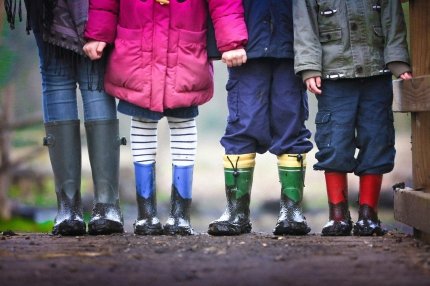
What to check during your first visit
Don't hesitate to ask practical questions during your inspection. A good establishment will usually calmly explain its rules.
Ask:
who opens the door to strangers;
how to check who is picking up the child;
Is there a list of persons authorized to pick up the child?
what to do if a child is injured;
what to do if a child gets sick during the day;
where children sleep and how sleep is monitored;
how often are rooms cleaned and aired.
A separate sign of a quality approach is not a perfect answer to every question, but the administration's willingness to explain, demonstrate, and not devalue parental anxiety.
Educators and staff: what questions to ask
Teachers in a private kindergarten are a key factor. They are the ones who react every day to tears, fatigue, conflicts, jealousy, and unwillingness to eat or sleep. Therefore, not only education is important, but also the style of communication with children.
Specify:
what experience does the teacher have with children of a specific age;
Is there specialized education or advanced training courses?
how many adults are with the group during the day;
who replaces the teacher during illness or vacation;
how staff react to a child's crying;
whether they use punishment, shaming, comparison with other children;
how conflicts between children are resolved.
Observe the tone of adults. A child may make noise, cry, or disobey - this is normal for preschoolers. It is important that the caregiver remains respectful, does not shout, does not humiliate, does not ignore the child's needs.
Group size also matters. A small group doesn't always automatically mean quality, but it usually makes it easier to get individual attention. Ask how many children actually attend the group, not just how many are signed up.
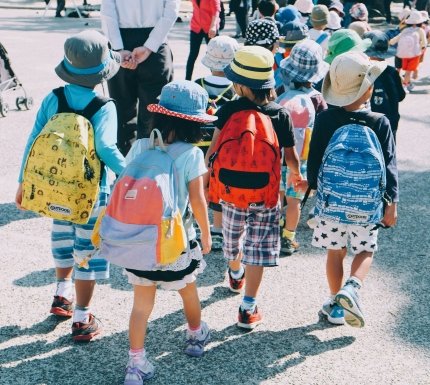
Child adaptation: how to understand that kindergarten is not in a hurry
Adaptation to kindergarten depends on age, temperament, previous experience, and family situation. For one child, a few days may be enough, while another may need weeks of gradual entry.
Signs of a healthy approach to adaptation:
kindergarten does not require you to immediately leave your child for a full day;
allows for short first visits;
explains to parents how to say goodbye without abrupt disappearances;
reports how the child ate, slept, played, and reacted to adults;
does not automatically call crying “manipulation”;
allows the child to have a familiar toy or object if it does not interfere with the group;
takes into account individual pace.
If the administration promises that “all children will get used to it in one day,” you should be careful. In preschoolers, adaptation can be uneven: one day the child goes willingly, and a few days later he cries again. This does not always mean that the kindergarten is bad, but it does require careful communication.
Conditions of stay: groups, sleep, walks, games and activities
Conditions in a kindergarten are not just about renovation. For preschoolers, routine, space for movement, free play, silence for sleep, and predictability of the day are important.
Ask them to tell you about a typical day:
when the children come and have breakfast;
how much time is allotted for the walk;
what classes are held and how long they last;
is there free play;
how to organize daytime sleep;
what do children who don't sleep do;
how active and calm activities alternate.
An excessive number of clubs and classes is not always useful. Preschoolers need a balance: movement, play, creativity, communication, rest. If a preschool promises intensive preparation for school from an early age, it is worth clarifying whether this will be overloading.
It's good when the program is explained simply: what skills are developed, how progress is assessed, whether children are compared with each other, how to support those who are having a harder time.
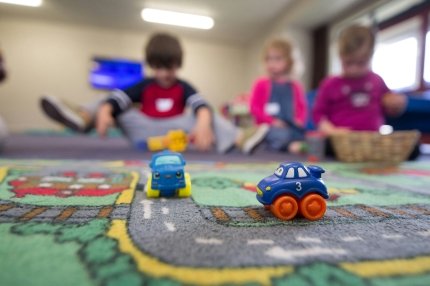
Nutrition, hygiene and health
Nutrition in kindergarten should be understandable to parents. The menu does not necessarily have to look "perfect", but it should be transparent: what the children eat, who cooks it, how restrictions are taken into account.
Specify:
Is it possible to see the menu for the week?
where the food is prepared or who supplies it;
how products are stored;
is there a drinking regime;
how allergens are reported;
whether dietary restrictions due to medical reasons can be taken into account;
Do they force children to finish their meals?
If your child has allergies, chronic conditions, or special dietary needs, the decision should be made in consultation with a doctor. The kindergarten should know how to proceed, but should not prescribe diets or treatments on its own.
Also ask about the policy regarding sick children. It is important that the facility has a clear approach: when a child is asked to stay home, how to report symptoms throughout the day, what to do in case of a fever or injury. This is not a question of strictness, but of the safety of the entire group.
Documents, contract and payment
It's worth reading a contract with a private kindergarten before paying, not after. Even if the institution makes a good impression, written terms protect both parties from misunderstandings.
Please note the following points:
full name of the party with whom the contract is concluded;
what services are included in the fee;
is there an entry fee and is it refundable;
procedure for payment for absences, illness, vacation;
conditions for terminating the contract;
work schedule and lateness rules;
responsibility of the parties;
rules for photographing and videotaping children;
procedure for processing personal data;
actions in emergency situations.
Don't be shy about asking for time to review it. If the contract is given "only on the spot" or you are pressured to sign it, this is a reason to take a break. In case of any controversial or unclear points, it is advisable to consult a lawyer.
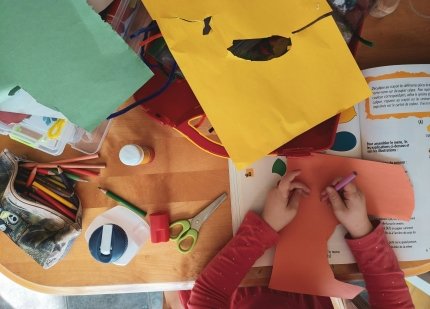
Communication with parents and transparency of the kindergarten
A private kindergarten for a child is a daily interaction between the family and the team. Therefore, it is important to understand how the institution communicates with parents.
Normal communication may include:
short daily feedback;
messages about sleep, food, mood, difficult moments;
individual conversations as needed;
general chat without chaos and conflicts;
photos only with parental consent and with respect for privacy;
a clear channel for urgent messages.
It is important that the kindergarten does not hide problems. If a child cried, argued, did not eat, or fell, parents should know about it. At the same time, reporting should not turn into constant control of every minute - educators should work with children, not just chat.
Alarming signals that should prompt you to take a break
Not every flaw means that the garden is not suitable. But there are signs that indicate that it is better not to rush into a decision.
It is worth being wary if:
the administration refuses to show the premises without an obvious reason;
they answer questions about security with irritation;
there are no clear rules about who can pick up the child;
the contract is unclear or they do not allow you to read it in advance;
children are embarrassed, frightened or rudely stopped;
the staff speaks about all children the same and is not interested in the characteristics of your child;
promise a guaranteed result: quick adaptation, ideal behavior, early reading without effort;
the room is unsafe, dirty, or chaotic;
Parental questions are called "superfluous."
Trust is not built from advertising words, but from openness, consistency, and respect for the child.
Practical checklist before making a final decision
Before choosing a kindergarten in Ivano-Frankivsk, go through a short checklist.
We visited the kindergarten in person, not just evaluated the photos.
We saw a group, a bathroom, a sleeping or relaxation area, a place for walking.
Questions were raised about safety, anxiety, injuries, and illnesses.
We talked not only with the administrator, but also with the teacher.
We understood how many children were in the group and how many adults were working with them.
Saw the menu or received an explanation about the food.
We learned how adaptation takes place.
We read the contract and payment rules.
We clarified how the kindergarten communicates with parents.
We compared several options and gave ourselves time to decide.
If possible, arrange a trial day or a short introductory visit. It doesn't give the full picture, but it helps to see the child's reaction and the staff's interaction style.
Conclusion
A quality choice of a private kindergarten in Ivano-Frankivsk is based not on a single characteristic, but on a combination of factors: a safe space, attentive educators, a clear regime, a transparent contract, and respectful communication with parents.
There is no universal kindergarten that will suit all children equally. For some, gentle adaptation will be crucial, for others, schedule, nutrition, proximity to home, or a small group. The best solution is one in which the child's needs are not lost behind a beautiful presentation.

FAQ
When to start looking for a private kindergarten in Ivano-Frankivsk?
It's a good idea to start early, especially if you're interested in a specific area, schedule, or small group. This will give you time to compare several places, visit them, and not make a hasty decision.
Is a trial day in a private kindergarten mandatory?
Not required, but helpful. A trial day or short visit helps to see how the child reacts to the space, adults, and group. It is important to remember that one day does not always show full adaptation.
What is the first thing to ask about safety in kindergarten?
Ask about access control, who can pick up the child, what to do in the event of an air alarm, injury or illness, and the safety of furniture, stairs, windows and the play area.
How to evaluate a tutor when getting to know him/her?
Pay attention not only to experience, but also to the tone of communication. The teacher should speak to children calmly, without humiliating, shouting or intimidating. It is also important whether he asks questions about your child.
Is it better to choose a garden near your house?
Proximity to home is convenient, especially during the adaptation period or if the child gets tired quickly. But location should not be the only criterion. Safety, staff and conditions are no less important.
What to do if the baby cries in the first days?
Crying during the adaptation period can be a normal reaction to changes. It is important to evaluate how the kindergarten supports the child, whether it informs the parents and whether it does not pressure them to get used to it quickly. If the reaction is very strong or prolonged, it is worth consulting with a child psychologist or pediatrician, depending on the situation.
How to check the nutrition in a private kindergarten?
Ask for a menu, find out where the food is prepared, how allergens are reported, whether there is a drinking regime, and whether children are forced to finish their meals. If your child has medical restrictions, discuss the diet with your doctor.
What to look for in a contract with a private kindergarten?
Check what is included in the fee, how passes are calculated, whether there are additional payments, what are the conditions for terminating the contract, who is responsible for security, how photography and videography are regulated, and how personal data is processed.
Informational disclaimer: the material is for informational purposes only and does not replace the advice of a lawyer, doctor, child psychologist, or representatives of official bodies. For questions regarding the contract, health, nutrition, and special needs of the child, please contact specialized specialists.

