

Choosing a sports section for a child in Vinnytsia is not just a question of "where to go closer" or "what sport is popular". It is important that the classes correspond to the age, character, health, study schedule and real possibilities of the family. A good section does not exhaust the child, but helps him move, communicate, gradually become stronger and more confident.
Where to start choosing a section
Before browsing the sections for children in Vinnytsia, it's worth answering a simple question: why does a child need sports right now?
The goal can be different:
more movement after sitting at a desk;
development of coordination, flexibility or endurance;
communication with peers;
formation of regime and discipline;
supporting interest in active leisure;
preparation for competitions, if the child wants it and is ready for the stress.
Not every child needs athletic results. For many children, the optimal section is a place where they move safely, learn to listen to the coach, try new things, and are not afraid to make mistakes.
If your child doesn't know what they want yet, don't immediately buy expensive equipment or plan a year-long class. It's better to start with a trial class, several formats, and an honest conversation after the workout.
Child's age: what formats are usually suitable
Age doesn't determine everything, but it does help you understand which format will be safer and more comfortable. Children's sports clubs can vary greatly in intensity, requirements, and atmosphere.
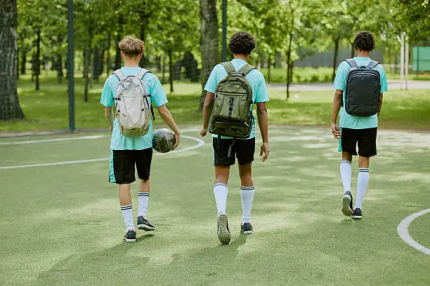
Preschool age
For preschoolers, competition is usually not important, but movement through play. At this age, children learn to run, jump, balance, navigate in space, and listen to simple instructions.
Classes with elements of:
general physical training;
dances;
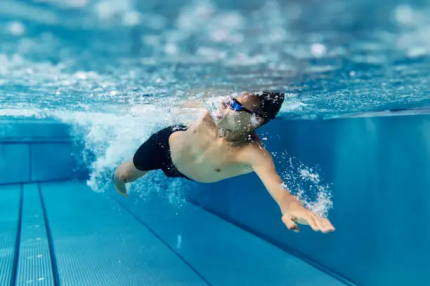
swimming with an instructor;
gymnastics;
soft team games;
basic coordination and mobility exercises.
The main criterion is that the child should not leave the lesson exhausted or scared. In preschool age, excessive pressure on technique, discipline, or victories often harms motivation.
Younger schoolchildren
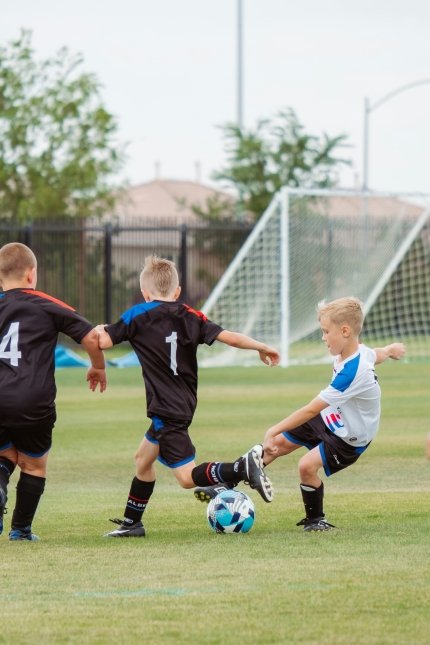
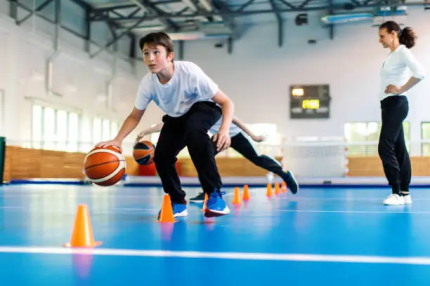
In junior school, a child already understands the rules better, can work in a group and gradually maintain a regular schedule. It is at this age that many families look for sports for children in Vinnytsia: football, swimming, martial arts, dancing, gymnastics, athletics, basketball, tennis or other areas.
It is important not to overload your child with school. If after training he does not have the energy for dinner, household chores or a normal sleep, it is worth reviewing the schedule.
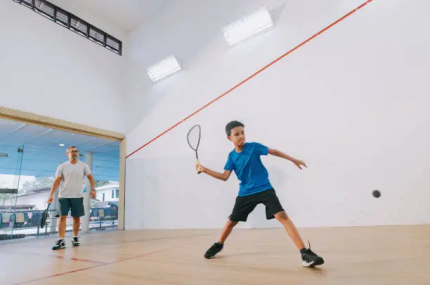
Teenagers
It is important for teenagers to feel their own choice. If only their parents choose the section, motivation can quickly disappear. At this age, sports can become a way of self-expression, communication, relieving stress after school, or a more serious activity.
For a teenager, the following are especially important:
respect for the coach;
the goal of the training is clear;
safe load increase;
no humiliation due to appearance, weight, strength or pace of progress;
opportunity to discuss discomfort.
How to take into account the child's character and motivation
The question is not only which sport is “useful.” What matters is in what environment the child feels alive, interested, and sufficiently safe.
If your child is active and enjoys company, they may enjoy team games. If they are shy or easily bored by noise, individual lessons or small groups may be more comfortable. If your child enjoys music and movement, consider dance or gymnastics. If structure and rules appeal, martial arts may be a good option, but only with a coach who does not foster aggression.
Don't jump to conclusions after one bad experience. Sometimes it's not the sport itself that's right for your child, but rather the specific coach, group, class time, or the pace that's too fast.
Coach: What parents should look out for
The coach for the child is a key factor. Even a well-equipped section may not be suitable if the coach shouts, belittles or ignores the children's fatigue.
During your first meeting, pay attention to whether the coach:
explains exercises in a way that is understandable for the age of the children;
monitors warm-up and safety techniques;
reacts to pain, fear, or confusion;
does not ridicule mistakes;
maintains discipline without harshness;
gives parents calm feedback;
does not promise quick medals or "championships for all."
It's good when a coach can explain how the classes are structured, what workloads are expected, what is required from the fitness perspective, how beginners adapt, and when it may be too early for a child to move to a stronger group.
Loading and recovery
The load for children in sports should increase gradually. It depends on age, sleep, nutrition, training schedule, health, level of training, and even the road to the section.
Signs that may indicate overload:
the child is constantly tired after training;
She suddenly doesn't want to go to class, although she used to like it;
often complains of pain;
sleep or mood worsened;
irritability, tearfulness, apathy appeared;
the child does not have time to recover between school, clubs and homework;
Training became a source of constant conflict in the family.
Occasional fatigue after a new activity isn't always a problem. But if the complaints persist or there is pain, dizziness, shortness of breath, weakness, or other worrisome symptoms, it's worth taking a break and consulting with your pediatrician or family doctor.
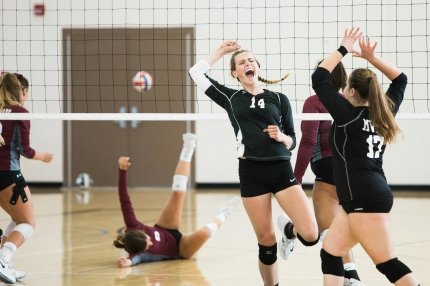
Safety of the hall, group and equipment
Safe training for children starts with simple things. Before signing up for a class, check out the conditions under which the classes are held.
It is worth evaluating:
is there enough space for the group;
Is the inventory in good condition?
Are there any slippery floors, dangerous corners, or chaotically scattered equipment?
Does the coach conduct a warm-up?
Does it explain the rules of conduct?
is it possible to drink water;
whether clothing and footwear correspond to the type of activity;
How many children are working with one coach at the same time?
If the coach can't see half of the group or the kids are constantly pushing each other around without control, this is a reason to ask additional questions. Safety is not a formality, but part of the quality of the section.
Vinnytsia context: logistics, schedule and road
When parents look for clubs and sections in Vinnytsia, they often focus on the area, schedule, and transportation. This is correct: even a good section may not be suitable if the road takes too long or the child returns home too late.
Before recording, please evaluate:
how long it takes to get from school or home;
Is the route safe in the dark?
who takes and picks up the child;
Is there enough time for meals, rest and homework?
whether the section is imposed on sleep, tutors or family matters;
Will the family be able to sustain such a schedule for not just one week, but several months?
Sometimes a section closer to home, but with an attentive coach and moderate workload, will be a better solution than a more prestigious option with exhausting logistics.
Trial lesson: how to evaluate a section without rushing
A trial lesson for a child is not needed to determine “talent.” It helps to understand the atmosphere, the coach’s approach, and the child’s own reaction.
After the lesson, ask the child:
what she liked;
what was difficult;
was it scary or unpleasant;
does she want to come again;
how the trainer explained the tasks;
Was it comfortable with other children?
Questions for the trainer:how is the adaptation of newcomers going?
how many children are in the group;
what are the loads at the start;
Are there any competitions and is participation in them mandatory?
what is required from the form and inventory;
how the coach informs parents about progress or difficulties;
What to do if your child misses class or is tired.
Don't rush to conclusions after one workout, but don't ignore your child's severe discomfort either.
Typical mistakes made by parents
The most common mistakes when choosing a children's sports section look like this:
choose a sport only based on fashion or advice from friends;
to enroll a child "for company", even though he or she is not interested;
compare with other children;
demand results too quickly;
ignore fatigue, pain, or fear;
combining too many circles at the same time;
buying expensive equipment before the child has tried the format;
consider the severity of a coach an automatic sign of professionalism.
Discipline in sports is important, but it should not be based on humiliation, fear, or constant pressure.
When to change or pause a section
It is not necessary to abandon the section after the first difficulty. The child may need time to adapt. But there are situations when a pause or change of format would be a wise decision.
It is worth reviewing the class if:
the child goes to training for a long time with tears or fear;
the trainer ignores complaints of pain;
there is humiliation, aggression, or dangerous behavior in the group;
the load clearly does not correspond to age or training;
the child has stopped recovering between classes;
Sports became a constant source of conflict at home.
Talk to your child calmly. It’s better to ask, “What exactly doesn’t work for you?” instead of, “Why don’t you want to go again?” Sometimes it’s enough to change the group, coach, class time, or frequency of visits.
FAQ
At what age can you send a child to a sports club?
It depends on the type of activity, the format of the lesson, and the child's readiness. For preschoolers, play activities with a gentle load are better suited. More structured training is usually easier for schoolchildren.
Is a medical certificate required for a section?
This depends on the requirements of the specific section, sport, and competition. If you have chronic conditions, injuries, pain, or concerns about exercise, it is a good idea to consult a pediatrician or family doctor.
What sport is best for a shy child?
There is no one-size-fits-all answer. Some children are more comfortable in small groups or individual sports, while others gradually benefit from team activities. It is more important to find a coach who is not pushy and gives them time to adapt.
How many times a week should a child go to training?
It depends on age, school, sleep, level of training, and intensity of classes. At the start, it is better to choose a moderate schedule and watch how the child recovers.
How to understand that a child is overloaded with sports?
Possible signs include constant fatigue, poor sleep, frequent complaints of pain, a sharp reluctance to go to classes, irritability or a deterioration in mood. If symptoms recur, it is worth reducing the load and consulting a doctor if necessary.
Should you force your child to walk if they don't want to?
Slight resistance during the adaptation phase is possible. But constant fear, tears, or strong reluctance should not be ignored. It is better to find out the reason: the coach, the group, the pace, fatigue, conflicts, or the sport itself.
How to choose a coach for your child?
Look not only at athletic achievements, but also at the ability to work with children. A good coach explains clearly, does not humiliate, monitors safety, notices fatigue, and communicates openly with parents.
What to do if you didn't like the trial lesson?
First, talk to your child about what went wrong. If the problem is the time, group, or pace, you can try a different format. If the child feels scared, humiliated, or in danger, it is best not to insist on continuing in that particular section.
Conclusion
To choose a sports section for a child in Vinnytsia, you should look beyond the name of the sport. The age, interest of the child, coach, safety, workload, road, schedule and atmosphere in the group are important. A good section helps the child move with pleasure, and not live in a mode of constant pressure.
Start with a trial class, ask the trainer specific questions, and carefully observe your child's condition after training. The best choice is one that supports healthy development, doesn't disrupt the routine, and leaves the child wanting to return.
Disclaimer: The material is for informational purposes only and does not replace the advice of a doctor, trainer, or other professional. If your child has pain, chronic illnesses, injuries, dizziness, shortness of breath, or other worrisome symptoms, you should consult a pediatrician or family doctor before choosing an exercise program.

