

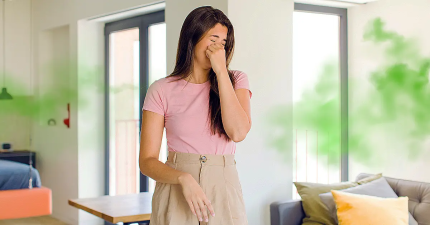
A persistent musty smell in your apartment almost always means that excess moisture is accumulating somewhere. The source could be condensation on a cold wall, poor ventilation, a hidden leak, damp textiles, air conditioning, water under the floor, or mold that isn't yet visible.
That's why a scented candle, air freshener, or air freshener won't solve the problem. They just mask the smell, while the moisture continues to affect the walls, furniture, and trim.
Points of attention
- A persistent musty smell in an apartment can be the result of excess moisture accumulation due to various reasons: condensation, poor ventilation, leaks, mold, or damp textiles.
- The most effective strategy for dealing with damp odors involves eliminating the source of moisture, drying out the room, and eliminating the cause of the dampness.
- Common causes of a musty smell can be related to condensation on windows and cold walls, furniture that blocks air circulation, and leaking plumbing.
The most effective strategy consists of three steps: find the source of the moisture, dry the room, and eliminate the cause of its appearance . If mold has already developed, it must also be safely removed.
What does the smell of dampness mean?
The characteristic musty or "basement" smell is often associated with prolonged moisture in materials and the development of microorganisms.
Mold fungi can emit volatile organic compounds with a characteristic odor during growth.
Therefore, even if there are no black or green spots on the walls yet, a persistent smell of dampness should be taken as a signal to check.
However, not every musty smell means mold. The following may smell similar:
long-wet textiles;
wet wood;
old furniture;
dead water;
contaminated air conditioner;
sewerage;
wet building materials.
Therefore, the first task is to find the exact source.
What humidity should be in the apartment?
One of the most useful household appliances in such a situation is a regular hygrometer.
The optimal range for residential premises is usually considered to be a relative humidity of approximately 30–50% . A prolonged excess of 60% creates more favorable conditions for condensation and mold growth.
Humidity changes throughout the day, so it is best to take several measurements:
in the morning;
in the evening;
after a shower;
after cooking;
while drying laundry.
Separately check the bedroom, bathroom, and the room where the smell is most noticeable.
If humidity is consistently at 65–75%, opening a window for five minutes once a day may not be enough. You should look for a source of additional moisture or use more efficient ventilation or a dehumidifier.

1. Excessive humidity in the apartment
Moisture appears in the apartment every day.
It is created by:
shower and bathtub;
boiling water;
cooking;
washing dishes;
drying laundry;
a large number of indoor plants;
humidifier;
the very presence of people indoors.
If air exchange is insufficient, water vapor accumulates.
Initially, this may manifest itself as fogging up of windows. Then, dampness appears on corners, slopes, exterior walls, and surfaces behind large furniture.
What to do
Ventilate the room regularly, check the operation of ventilation ducts, and use the hood while cooking and after showering.
If humidity remains high, a dehumidifier is often more effective than opening windows endlessly, especially in humid weather.
2. Condensation on windows and cold walls
Condensation occurs when warm, moist air comes into contact with a sufficiently cold surface.
Therefore, in autumn and winter you can see:
drops on the windows;
wet slopes;
damp exterior walls;
dark corners.
Particularly problematic are the so-called cold bridges - areas of the structure whose temperature is lower than that of the surrounding surfaces.
If condensation constantly forms in such a place, simply wiping the wall is not enough.
It is necessary at the same time:
reduce humidity;
improve ventilation;
ensure circulation of warm air;
If possible, eliminate the structural cause of the cold surface.
3. Closet close to the outside wall
A classic situation: everything in the room looks dry, but after moving a large closet, they find dark spots on the wall and smell a strong odor.
The reason is simple.
Furniture can block air circulation near a cold exterior wall. The surface temperature drops, moisture evaporates more slowly, and condensation remains undetectable for a long time.
Therefore, it is advisable not to press large cabinets, sofas, and chests of drawers tightly against a problematic cold wall.
A small gap for air movement can make a big difference.
4. Poor ventilation
A bathroom after a shower can produce a large amount of water vapor in a matter of minutes.
If ventilation is inadequate, moisture settles on:
ceilings;
tiles;
inter-tile joints;
furniture;
doors;
hidden areas under the bathtub.
In the kitchen, a similar problem occurs during prolonged cooking without a hood.
Check that the exhaust duct is actually working. In older homes, it may be dirty or have weak natural draft.
It is also important that air can flow into the apartment. Hermetic modern windows without ventilation sometimes significantly impair natural air exchange.
5. Drying clothes inside the apartment
Wet laundry releases moisture directly into the air.
If you regularly dry a large amount of clothes in a closed room, the humidity can increase significantly.
The problem becomes noticeable especially quickly:
in winter;
in small apartments;
with poor ventilation;
if the dryer is in the bedroom.
If possible, dry items in a well-ventilated area.
If there is no other option, open the air supply or use a dehumidifier.
Do not store slightly damp items in the closet. In a closed space, even a small amount of residual moisture can create a characteristic musty smell.

6. Hidden plumbing leaks
If the smell is particularly strong in a specific corner, near the kitchen counter or bathroom, you should look for water.
Check:
siphons;
pipes under the sink;
connecting a washing machine;
dishwasher connection;
the area behind the toilet;
space under the bathtub;
risers;
places around the boiler.
A small leak may not create puddles for years.
Water slowly seeps into the particleboard, drywall, plaster, or flooring, from where it can no longer evaporate normally.
Indicative signs:
swollen furniture;
peeling paint;
yellowing of the wall;
swelling of the laminate;
soft drywall;
locally strong odor.
7. Water enters through the roof, facade or windows
If the smell of dampness noticeably intensifies after rain, the cause may be external.
It is worth checking:
roof;
facade cracks;
panel joints;
window sealing;
adjoining balconies;
gutters;
roof over the loggia.
In an apartment on the top floor, it is especially important to prevent roof leaks.
On lower floors, the source may be a basement or a damp foundation structure.
In such a situation, cosmetic repairs inside the apartment will almost always only give temporary results. You must first stop the water supply.
8. Hidden mold
Mold can grow where it cannot be seen during normal cleaning.
Problem areas:
behind the cabinets;
under the wallpaper;
under laminate;
under the carpet;
behind drywall;
under a suspended ceiling;
around windows;
inside structures after an old leak.
If the smell is strong but there is no visible source, it is worth paying attention to the history of the room.
Did the neighbors flood it?
Did the roof leak?
Was there a pipe accident?
Was there prolonged condensation?
After getting wet, porous materials should dry as quickly as possible. If they remain wet for more than a day or two, the risk of mold growth increases significantly.
Is it necessary to do a mold analysis?
If mold is visible or there is a characteristic odor in a place of constant moisture, in a domestic situation it is usually not necessary to identify a specific type of fungus.
The practical algorithm will not change:
find water;
stop moisturizing;
remove affected materials or clean the surface;
dry the area completely.
A lab test will not eliminate moisture.
It may be needed in specific professional cases, but for a typical bathroom stain, the first priority is repair and drying.
9. The air conditioner smells damp
If the smell appears right after turning on the air conditioner, you need to check the device itself.
Condensation forms in it during cooling.
Problems arise if:
dirty filters;
the drainage is clogged;
water stagnates in the pan;
contaminated heat exchanger;
Organic deposits have accumulated inside.
Replacing or washing only the external filter may not be enough.
If the smell persists, the air conditioner needs a full service cleaning and a check of the condensate drain.
10. The carpet, mattress or sofa remained damp
Porous materials can retain water for a long time.
This is especially true for:
carpets;
mattresses;
upholstered furniture;
thick curtains;
pillows;
particleboard;
drywall.
After washing a sofa or carpet, the surface may appear dry within a few hours, while the inner layer remains damp.
If a musty smell suddenly appears in the room after dry cleaning, you need to ensure quick drying.
Materials that have been heavily soaked and remained wet for a long time are sometimes impossible to clean properly - they have to be replaced.

11. The smell from the sewer can be confused with dampness
Not every "basement" smell comes from the walls.
If he is the strongest:
near the sink;
soul;
bathtubs;
ladder in the floor;
check the sewer drain.
The siphons have a water seal that prevents sewer gases from entering the room.
If plumbing fixtures have not been used for a long time, the water may evaporate.
The easiest test is to pour water into a rarely used drain and see if the smell is gone.
If the problem returns quickly, there may be a siphon defect, a leaky connection, or a problem with sewer ventilation.
How to find the source of the smell of dampness: algorithm
Start not with a general cleaning, but with diagnostics.
Step 1. Measure the humidity
Place a hygrometer in the problem room for at least a day.
Step 2. Determine where the smell is strongest
Check the room by sector:
corners;
walls;
cabinets;
windows;
floor;
pipe zones.
Step 3. Move large furniture away
Especially from the outer walls.
Step 4. Look for physical signs of water
Stains, swelling, peeling, wet seams and discoloration of the material.
Step 5. Remember when the smell intensifies
After rain, check the facade and roof.
After the shower, ventilation.
After turning on the air conditioner — air conditioner.
Near the kitchen are plumbing fixtures.
After being away from home, there are sewer valves and closed cabinets.
This approach often allows you to find the source much faster.
How to remove the smell of dampness forever
The smell itself disappears after eliminating its source and drying the materials.
Therefore, the correct order is:
Eliminate leaks or excess moisture.
Dry the walls, floor and other materials.
Remove mold.
Remove or replace permanently damaged porous materials.
Adjust ventilation.
Monitor humidity with a hygrometer.
Only after that does it make sense to use flavorings.
How to safely remove small amounts of mold
A small localized outbreak on a hard surface can often be cleaned up on your own.
During work it is advisable to:
use gloves;
protect your eyes;
ventilate the room well;
follow the product instructions;
After cleaning, dry the surface completely.
For many hard surfaces, mechanical cleaning with water and detergent followed by complete drying is sufficient.
If you use chlorine-based products, never mix them with ammonia, acidic products, or other household cleaners . Such mixtures can release dangerous toxic gases.
Painting over mold without cleaning and removing moisture is also not a good idea. The stain will most likely reappear.
When is it better to call in specialists?
Professional help is especially appropriate if:
mold covers a large area;
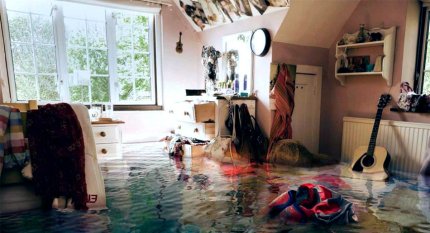
there was significant flooding;
moisture has entered the walls;
the ventilation system is affected;
the smell persists, but the source cannot be found;
Mold keeps coming back after cleaning.
A guideline for self-cleaning a small area is often considered to be an area of approximately 1 m². In the case of a larger lesion, it is better to have the situation assessed professionally.
People with severe mold allergies, asthma, chronic lung diseases, or a weakened immune system should also be more careful.
Is dampness dangerous to health?
Constant humidity in your home is no longer a matter of smell or aesthetics.
Damp buildings and mold are associated with a higher incidence of:
respiratory symptoms;
cough;
wheezing;
allergic manifestations;
asthma exacerbations.
Not every dark spot on the wall will cause disease, and different people react differently.
However, persistent mold in a residential area should not be considered normal.
The main prevention is moisture control, not finding a product that "kills all spores."
7 mistakes in fighting the smell of dampness
1. Just put the fragrance
It will change the smell, but the water will remain.
2. Paint over the black spot
If the wall continues to get wet, the mold will reappear.
3. Keep windows closed at all times
Without ventilation, moisture from the shower, kitchen, and people builds up faster.
4. Use the humidifier uncontrollably
In an apartment with a humidity of 65%, additional humidification will only worsen the situation.
5. Dry all laundry in a closed bedroom
Moisture passes directly into the air.
6. Wash mold and leave the surface wet
Removing the stain without drying does not solve the problem.
7. Mix different products for a “stronger effect”
This can be dangerous. Household chemicals should only be used according to the manufacturer's instructions.
Conclusion
The smell of dampness in an apartment is a signal of excess moisture, not a separate problem that can be solved with an air freshener.
Start with a hygrometer, check ventilation, condensation, plumbing, exterior walls, air conditioning, textiles, and hidden areas behind furniture. If the source is found, first stop the water flow, then dry the materials, and only then clean up the consequences.
The optimal prevention strategy is to maintain normal humidity, quickly fix leaks, ensure ventilation in the kitchen and bathroom, and not allow building materials to remain wet for long periods of time.
Important: the material is for informational purposes only and does not replace professional advice. Mold and high humidity can affect your health, especially if you have asthma, allergies, chronic lung disease, or a weakened immune system. Incorrect use of chemicals on your own can also be dangerous. If the dampness is accompanied by a deterioration in your well-being, consult a doctor, and in case of extensive damage to the premises, consult a specialist in eliminating damp and mold.
FAQ
Why does the apartment smell damp even though there is no mold visible?
Mold can grow behind cabinets, wallpaper, under flooring, or inside a structure. Other possible causes include damp textiles, hidden leaks, air conditioning, or plumbing.
What humidity in an apartment is considered normal?
A practical guideline is around 30–50% relative humidity. If it exceeds 60% for a long time, the risk of condensation and mold growth increases.
How to quickly remove the smell of dampness?
First, you need to find and eliminate the source of the water, then dry the room and clean the contaminated surfaces. Air freshener without eliminating the cause only gives a temporary effect.
Does a dehumidifier help with the smell of damp?
Yes, if the cause is excessive humidity. But a dehumidifier will not repair leaks or remove mold that has already formed.
Why does water appear on windows in winter?
This is condensation: warm, moist air comes into contact with cold glass and some of the water vapor turns into liquid. Reducing humidity, ventilation, and eliminating excessively cold surfaces help.
How do you know that mold is behind a closet?
Suspicious signs include a locally strong musty smell, a cold exterior wall, high humidity, and lack of air circulation. The cabinet should be moved aside and the surface inspected.
Can you just paint over mold?
No. You must first eliminate the cause of the moisture, clean or remove the affected material, and dry the surface completely. Otherwise, the stain can quickly return.
Why does the air conditioner smell damp?
Possible causes are a dirty heat exchanger, filters, condensate tray or drainage. If the air conditioner has a persistent odor, it needs service cleaning.
Is mold in an apartment dangerous?
Prolonged dampness and mold are associated with respiratory symptoms, allergic manifestations and exacerbation of asthma. People with respiratory diseases and weakened immune systems should be especially careful.
When should you call in specialists?
If the mold covers a significant area, the problem arose after a major flood, water has penetrated the walls, or the smell keeps returning despite cleaning, it is best to have a professional assess the causes of the dampness.
undefined

