

Taking a short walk after dinner is one of the easiest ways to add movement to your day. It doesn't require exercise equipment or intense training: studies show that even a short walk after a meal can reduce postprandial blood glucose spikes. This effect has been particularly well studied in people with impaired glucose tolerance and type 2 diabetes.
Points of attention
- A walk after dinner helps reduce postprandial blood glucose spikes, and is especially effective for people with diabetes and impaired glucose tolerance.
- Regular walking after meals helps control blood sugar and improves cardiovascular function, increasing overall physical activity.
- There is no clear universal rule for the duration of a walk after dinner, but it is worth focusing on 10–30 minutes of easy or moderate walking to maintain health.
There are broader benefits, too. Regular walking increases overall physical activity, helps you sit less, and is linked to better cardiovascular health. However, it would be an exaggeration to claim that a specific 15 minutes after dinner can “clean your blood vessels” or guarantee diabetes prevention.
As of the date of preparation of the material, the most convincing data relate to the control of postprandial glycemia and the benefits of regular physical activity in general. We analyze how much you need to walk after dinner, when it is better to start and who should be careful.
The material is for informational purposes only. Self-medication can be harmful to health. People with diabetes, cardiovascular disease, a tendency to hypoglycemia, or other chronic conditions should consult a doctor before changing their exercise regimen.
What happens to blood sugar levels after dinner?
After eating, carbohydrates are broken down into simpler compounds, including glucose. This is absorbed into the bloodstream, and in response, the pancreas releases insulin, which helps cells use the glucose.
The rise in glucose levels after a meal is a normal physiological process. What matters is its magnitude, duration, and the body's ability to return the levels to the normal range for a particular person.
When a person sits on the couch or at the computer for several hours after dinner, large muscle groups hardly work. When walking, the situation changes: the leg muscles begin to use glucose more actively as a source of energy.
This largely explains why exercise after a meal can mitigate the postprandial glucose spike.
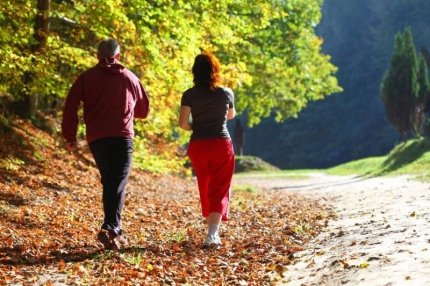
Why walking after eating helps control sugar
A systematic review and meta-analysis of randomized trials showed that physical activity after a meal reduced postprandial glucose fluctuations compared with no activity. In this analysis, the best acute effect was observed when exercise was initiated closer to mealtime.
However, the scientific picture is not so simple as to establish one ideal minute for everyone. A 2024 meta-analysis comparing activity before and after meals found no convincing long-term advantage of one time over the other, and the authors rated the quality of the available studies as low to moderate.
The practical conclusion is simpler: if the choice is between sitting for a long time after dinner and taking a short walk, walking is a useful way to increase movement and may improve postprandial glycemia.
How long should you walk after dinner?
There is no clear universal norm “right after dinner.” Various options have been explored, from short breaks of a few minutes to 15–30-minute walks.
For a daily routine, a practical guideline is approximately 10–30 minutes of easy or moderate walking.
10 minutes: short but meaningful
In one randomized crossover trial in people with type 2 diabetes, three 10-minute walks after main meals were compared with one 30-minute walk throughout the day.
Postprandial blood glucose was lower when walking immediately after a meal. The largest difference was seen after dinner, which in the study participants contained the most carbohydrates and after which they tended to sit more.
This is an important practical point: if there is no time for a long workout, short periods of movement throughout the day also make a difference.
15 minutes: a convenient everyday format
In a study of older adults at risk for impaired glucose tolerance, three 15-minute walks after meals improved 24-hour glucose control. This regimen was particularly effective for post-dinner glucose levels.
A separate small study in healthy women over 50 also showed that even a slow 15-minute walk after a carbohydrate-rich meal reduced glucose levels during the walk and delayed their peak rise.
Therefore, 15 minutes is a completely realistic duration to start with.
20–30 minutes: more movement at once
A half-hour walk increases overall energy expenditure and helps accumulate the recommended weekly amount of physical activity.
In a study of healthy young people, 30 minutes of brisk walking after a meal reduced peak glucose levels after meals of varying composition.
This does not mean that 30 minutes is necessarily twice as beneficial as 15. The time of movement, the composition of the dinner, the intensity, the person's metabolic state, and regularity can be important for glucose control.
When is the best time to go for a walk after dinner?
In many studies, walking was started shortly after finishing a meal—approximately within the first 15–30 minutes.
A 2023 systematic review indicates that for short-term control of postprandial glucose elevation, exercise closer to mealtime may be more effective than activity much later.
So, there is no need to specifically wait an hour or two.
For most healthy people, a convenient scheme might look like this:
dinner → a few minutes of quiet activities → 10–30 minutes of walking.
After a very large or heavy dinner, it is more comfortable to start slowly. Intense training immediately after a large meal is a completely different load and is not necessary to get the effect of a regular walk.

What should the pace be?
There's no need to run after dinner.
In studies, positive changes were observed with both moderate and even slow walking in certain groups of participants.
For a normal walk, you can use a simple “talk test”: you move actively enough to feel your body working, but can speak in complete sentences without being noticeably short of breath.
If a person has hardly engaged in physical activity before, you can start with 5–10 minutes of calm walking, gradually increasing the pace and duration.
How a walk after dinner affects blood vessels
It is important to distinguish between the immediate effect of a specific evening walk and the long-term benefits of regular physical activity.
Walking increases muscle work, cardiac output, and blood flow. Regular physical activity helps control blood pressure, body weight, and other cardiovascular risk factors. The American Heart Association considers brisk walking to be a beneficial aerobic activity.
There are also studies that directly evaluated the function of the endothelium, the inner lining of blood vessels.
For example, in a small study of people with type 2 diabetes, combining a 15-minute walk after a meal with a specially controlled low-carb diet was associated with improvements in one measure of endothelial function. But the study included only 11 participants and lasted four days, so its results shouldn't be interpreted as a universal rule.
Therefore, regular walking is beneficial for cardiovascular health, but claims about the specific "therapeutic" effect of walking after dinner on blood vessels require caution.
Does walking after dinner help you lose weight?
One short walk does not compensate for excess calories and does not trigger a special process of “burning dinner”.
However, regular walks increase daily physical activity and energy expenditure. If a 20-minute walk becomes a daily habit, that's over two hours of extra movement per week.
For weight control, this is important in combination with nutrition, sleep, overall activity level, and other factors.
You also shouldn't use a walk as a way to "punish yourself" for dessert or a big dinner. It's much more beneficial to see it as a regular part of your regimen.

Can a walk after dinner replace a workout?
No. Evening walking can be part of the recommended amount of movement, but does not cover all the body's needs for physical activity.
The World Health Organization recommends that adults get 150–300 minutes of moderate-intensity aerobic activity or 75–150 minutes of vigorous-intensity activity, or an equivalent combination, each week. Strength-training exercises for major muscle groups are also recommended at least two days a week.
Therefore, a walk after dinner is a great addition to the regimen, especially for someone who sits a lot, but it is also advisable to have other types of movement.
Why it's especially important not to sit for hours after eating
The question concerns not only a separate walk.
A systematic review of studies has shown that interrupting prolonged sitting with short periods of activity reduces postprandial glucose and insulin levels. Of the short activities studied, walking showed the strongest effect.
The American Diabetes Association also notes in its 2026 guidelines that reducing prolonged periods of sitting can reduce postprandial glucose levels.
This means that a useful strategy can be very simple: not spending the entire evening motionless immediately after dinner.
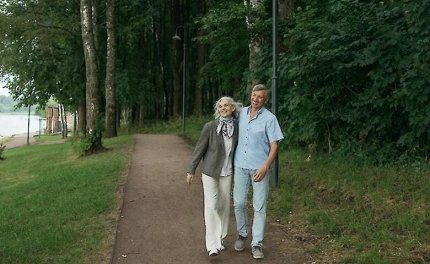
Who is especially interested in taking a walk after a meal?
This format may be convenient for people who:
spend most of the working day sitting;
rarely find time for long workouts;
seek to increase daily activity;
have prediabetes or insulin resistance;
control type 2 diabetes according to doctor's recommendations;
want to develop a stable habit of moving more.
Special caution is important with diabetes.
Physical activity can lower glucose levels, and in people taking insulin, sulfonylureas, or certain other medications that put them at risk for hypoglycemia, exercise can cause blood sugar levels to drop too low. The American Diabetes Association lists physical activity as a factor that should be considered in the prevention of hypoglycemia.
For such people, the walking regimen, glucose control, and possible therapy adjustments should be coordinated with the doctor.
When is it better not to rush for a walk after dinner?
Easy walking is safe for most people, but you should be guided by how you feel.
You should not continue the load if:
dizziness;
severe weakness;
chest pain or pressure;
unusually severe shortness of breath;
pre-unconscious state;
symptoms of hypoglycemia.
For people with cardiovascular disease, significant mobility limitations, or complications of diabetes, the intensity of physical activity is selected individually.
It's best to start gradually after a long period of inactivity. Regularity is more important than trying to cover the maximum distance at once.

How to turn a walk after dinner into a habit
The best physical activity program is of little use if it cannot be maintained in daily life.
Therefore, you can start as simply as possible:
Don't sit down immediately in front of the TV or computer after dinner.
Go out for about 10 minutes.
Choose a comfortable pace.
After one or two weeks, if desired, increase the walk to 15–30 minutes.
Don't try to break speed or step records every day.
If bad weather prevents you from going outside, you can get some of the benefits of being active by simply moving around at home instead of sitting for long periods of time.
What's more important: 10,000 steps or a walk after dinner?
These are different indicators.
The number of steps characterizes overall mobility throughout the day. Walking after a meal adds a time factor - the muscles work precisely at the time when glucose levels after a meal rise.
You don't have to choose one or the other. It's better to have enough general activity throughout the day and reduce long periods of continuous sitting.
There is also no magic threshold of 10,000 steps after which health suddenly begins to improve. The general principle of modern recommendations is much simpler: any movement is better than none, and the amount of physical activity should be increased gradually.
Conclusion
Taking a walk after dinner is a simple habit with real physiological benefits. When muscles start working after eating, they use glucose more actively, so the postprandial rise in glucose levels may be smaller.
You don't have to walk for an hour. Studies show that even short 10-15 minute walks can help, while 20-30 minutes can help further increase your total daily activity.
The optimal format for most people is simple: a leisurely walk shortly after dinner that can realistically be repeated regularly. It is not a substitute for a balanced diet, diabetes management, or a full exercise program, but it can be one of the easiest ways to sit less and move more.
FAQ
How many minutes should you walk after dinner?
A practical option for most people is 10–30 minutes. Studies have shown improvements in postprandial blood glucose levels after even 10–15 minutes of walking.
How many minutes after eating is it best to go for a walk?
In many studies, activity began shortly after eating. The evidence suggests that it is not necessary to wait an hour or two for short-term glucose control.
Can I go for a walk right after dinner?
For most healthy people, light to moderate walking after a regular dinner is acceptable. After a very large meal, it's best to aim for comfort and start more slowly.
Does walking after eating really lower blood sugar?
Physical activity after meals can reduce the postprandial glucose spike. The effect has been shown in studies of both healthy people and people with carbohydrate metabolism disorders, although the magnitude of the effect depends on many factors.
What is the best pace to walk after dinner?
There is no need for high intensity. Light to moderate walking can also be beneficial. For most people, a pace at which you can comfortably hold a conversation is appropriate.
What is better after dinner: sitting or standing?
If possible, a short walk provides more muscle activity. Studies of interrupting prolonged sitting show beneficial effects of short periods of movement on postprandial glucose and insulin.
Does an evening walk help you lose weight?
It increases overall energy expenditure and daily physical activity, but does not in itself guarantee weight loss. The result depends on overall energy balance, nutrition, activity, and other factors.
Is it good to walk after every meal?
This pattern has been studied. For example, short walks after breakfast, lunch, and dinner in people with type 2 diabetes provided better postprandial glycemic control than a single walk of similar total duration at other times.
Can you walk after dinner if you have diabetes?
Physical activity is often an important part of diabetes management, but people taking insulin or medications with a risk of hypoglycemia need to consider the possible decrease in glucose during and after exercise and agree on an activity regimen with their doctor.

