

Coming back from vacation and seeing one, two, or even a few pounds on the scale doesn't mean you've gained the same amount of fat. After restaurants, salty foods, desserts, alcohol, flights, and a change in your diet, much of the extra weight can be water, glycogen stores, and a larger volume of food in your digestive system.
Points of attention
- Weight gain after a vacation may be due to water, glycogen, digestive system contents, and excess energy, not necessarily due to fat gain.
- After traveling, weight may temporarily increase even without significant fat gain.
- The best approach after a vacation is to return to a normal diet, schedule physical activity, and monitor your weight before making a decision about correction.
A real increase in fat mass is also possible if, during the vacation, a person systematically received more energy than they spent. However, you should not panic about the number on the scales the next morning and immediately go on a starvation diet.
The best strategy after a vacation is usually much simpler: return to a normal diet, sleep, and physical activity regimen, monitor your weight for a few days, and only then assess whether you have actually gained weight.
How much weight do people actually gain on vacation?
In a study of adults who went on vacation for 1–3 weeks, the average weight gain was about 0.3 kg upon return. After six weeks, the total difference from baseline remained about 0.4 kg.
These are average values, not a prediction for each person. Some people return unchanged, some weigh less, and some may temporarily gain two or three kilograms.
Another important conclusion is that a large weight gain in a short time does not always equal the same increase in adipose tissue .
Body weight consists of many components:
adipose tissue;
muscles;
water;
glycogen;
contents of the digestive system;
other tissues of the body.
That is why the number on the scales can change even within one day.
Holiday weight and fat – what’s the difference?
Let's imagine that before the trip the scales showed 70 kg, and after returning - 72 kg.
These two kilograms can consist of several components at the same time.
| Reason | What's happening? |
| More salt | the body temporarily retains more fluid |
| More carbohydrates | glycogen stores are restored along with water |
| Larger portions | physically more food in the digestive system |
| Alcohol | adds calories and changes eating and sleeping patterns |
| Less regularity | changes in bowel movements and fluid balance |
| Real energy surplus | some of the excess energy can be stored as fat |
Therefore, it is incorrect to evaluate the result of a vacation based on one morning weigh-in.
1. Salty foods cause water retention
Restaurant meals, pizza, snacks, cheeses, sausages, sauces, fast food, and prepared foods often contain significantly more sodium than home-cooked meals.
Sodium is involved in regulating water balance. After a few days of eating a saltier diet, the body may temporarily retain more fluid.
On the scales, it sometimes looks very convincing.
May also appear:
feeling of swelling;
traces of socks on the feet;
swollen fingers;
"plumper" face in the morning;
bloating.
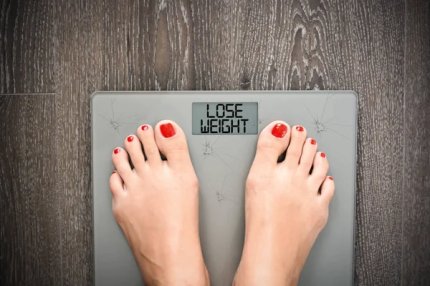
The American Heart Association explicitly states that excess sodium can cause fluid retention, bloating, and temporary weight gain.
What to do
There is no need to try to "wash out the salt" with several liters of water in a short time.
Simply return to your normal diet, reduce the amount of highly salty and ultra-processed foods, and drink according to your thirst and body's needs.
2. Carbohydrates increase glycogen stores — along with water
Glycogen is the form in which the body stores some carbohydrates, mainly in the muscles and liver.
If in ordinary life the diet was quite moderate, but on vacation there was more:
bread;
paste;
pizza;
potatoes;
desserts;
sweet drinks;
Glycogen stores may increase.
Along with them, the amount of water increases.
Studies show that the accumulation of one gram of muscle glycogen can be accompanied by approximately three grams of water, although the exact ratio depends on many factors.
Because of this, after a few days with more carbohydrates, weight can increase noticeably even without a large increase in adipose tissue.
Do you need to drastically cut out carbohydrates?
No.
Returning to a normal diet and usual activity gradually normalizes glycogen stores and the water associated with them.
A very low-carb diet can indeed quickly reduce the number on the scale, but a significant portion of the early "weight loss" in such a situation will also be water.
3. There may simply be more food in the digestive system
This factor is often forgotten.
If you eat larger portions, have dinner later, and snack more often for several days in a row, your digestive system will physically have more content.
The weight of this content also falls on the scales.
Add here changes in bowel habits due to:
flight;
a small amount of fiber;
unusual food;
insufficient fluid intake;
schedule change;
stress while traveling.
Therefore, some of the "excess weight" may disappear after the normal bowel function returns.
4. It's easy to eat more at a restaurant than at home
Vacation often means breakfast at the hotel, lunch at a cafe, and dinner at a restaurant.
The problem is not with restaurants as such. It's just that it's more difficult to control the composition and calorie content of dishes.
A serving may contain more:
oils;
butter;
sauce;
cheese;
sugar;
salt.
Additionally, bread appears before the main course, drinks, snacks, and dessert.
However, one restaurant dinner does not create significant fat gain. What matters is a repeated energy surplus over many days.
5. Alcohol gives you a lot of energy without you noticing it.
Alcohol contains approximately 7 kcal per gram — more than protein or carbohydrates.
Calories are also added by cocktail ingredients:
syrups;
juices;
sweet carbonated water;
liqueurs.
For example, an evening might include two cocktails, appetizers, a late dinner, and dessert.
This combination significantly changes the total calorie intake of the day.
Alcohol can also impair sleep quality and reduce self-control over eating, so its impact on weight goes beyond the calories in the drink itself.
Is it necessary to do an "alcohol detox" after vacation?
No special body cleansing is required.
It is enough to take a break from alcohol or return to much less frequent use. The liver, kidneys and other body systems do their job without juice detoxes and special teas.
6. Lack of sleep can increase appetite and calorie intake
Vacation doesn't always mean more sleep.
Late dinners, parties, early excursions, flights, uncomfortable beds, or time zone changes can significantly shorten your night's rest.
Controlled studies show that sleep restriction can increase food intake. In one experiment, people who were sleep-deprived ate significantly more calories, especially late at night.
Therefore, restoring a normal sleep pattern after traveling is a very practical component of weight management.
For most adults, the guideline is at least about seven hours of sleep per night, and many need 7–9 hours.
7. Even an active vacation doesn't guarantee a calorie deficit
"I walked 20,000 steps every day, how could I gain weight?"
Quite realistic.
Long walks increase energy expenditure, but they do not create automatic protection against overeating.
After an active day, your appetite may increase. A dinner with several courses, alcohol, and dessert can offset the additional costs.
This doesn't mean that the walks were useless. Physical activity is beneficial regardless of weight change.
It's just that energy balance is formed on both sides: what the body spends and what it receives.
8. Flying and sitting for long periods of time also affect weight.
After a flight, your feet sometimes feel swollen and your shoes feel tighter.
Prolonged sitting reduces the muscle "pump" of the legs and can contribute to temporary fluid accumulation in the lower extremities.
This weight gain has nothing to do with fat.
Once you return to normal movement, the swelling usually decreases.
However, sudden severe swelling of one leg, especially along with pain, redness, or warmth in the calf after a long journey, requires prompt medical evaluation due to the risk of thrombosis.
How to understand how much you actually earned
Don't jump to conclusions the first morning after you return.
It is better to use a simple scheme.
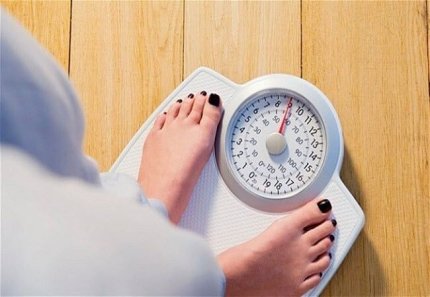
Weigh yourself several days in a row.
Optimal conditions:
in the morning;
after the toilet;
before breakfast;
with or without similar clothing;
on the same scales;
on a hard, flat surface.
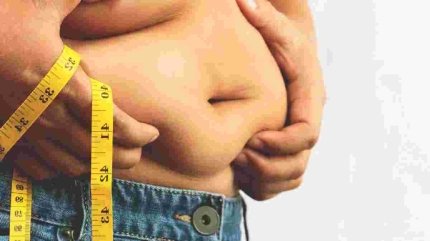
Individual values may fluctuate. A trend or average over several days is more informative.
Let your body return to its normal routine.
During the first few days:
eat in normal portions;
reduce the amount of very salty foods;
bring back vegetables and other sources of fiber;
move enough;
restore sleep;
Do not abuse alcohol.
If part of the increase was due to water and glycogen, the weight will start to change without extreme measures.
What to do after vacation: a plan without starvation
1. Don't "work off" food
You don't need to switch to: after a week of rest
starvation;
one buckwheat;
juice diet;
two workouts a day;
complete rejection of carbohydrates.
Such extremes often end in severe hunger and a return to overeating.
Returning to normality is more effective than punishing with food or exercise.
2. Restore the structure of meals
If your eating habits were chaotic while on vacation, bring back a clear routine.
For many people, this is three main meals and one snack if needed.
You don't have to eat by the clock. The goal is to reduce the constant "chewing" throughout the day.
3. Add protein to your main meals
Protein foods are filling and help maintain muscle mass.
Use:
fish;
eggs;
bird;
natural yogurt;
sour milk cheese;
legumes;
tofu.
This is much more practical than trying to live off salad and coffee after a vacation.
4. Bring back vegetables, fruits, and fiber
Restaurant menus often contain less fiber than a typical home diet.
Vegetables, fruits, whole grains, and legumes help increase the volume of food without excessive calories and support normal bowel function.
Increase your fiber intake gradually if you had little to no fiber during your vacation.

5. Drink normally, not "as much as possible"
The body needs water, but it does not dissolve fat or accelerate "detox."
Focus on thirst, weather conditions, activity and health status.
Excessive water consumption can also be dangerous.
6. Return to daily activity
After returning, you don't need to run a marathon the next day.
You can start with:
walking;
usual training;
stairs;
walks after work;
strength exercises in the usual mode.
For adults, general recommendations include at least about 150 minutes of moderate aerobic activity per week and strength training at least two days per week.
After a break, it is better to increase the load gradually.
What you definitely shouldn't do after vacation
Juice detox
Fat tissue does not disappear thanks to vegetable juice, and the body does not need special "cleansing" from regular food.
Diuretics for quick weight loss
They can reduce water but not fat. Without medical indications, this approach can disrupt the water and electrolyte balance.
Laxatives for weight loss
Laxatives work primarily in the intestines and do not block the absorption of most calories consumed. Their use for weight control is dangerous.
Complete fasting the next day
One very low-calorie day won't "undo" your vacation. It can increase hunger and create a cycle of restriction and overeating.
Daily grueling workouts
A sharp jump in load after a break increases the risk of injury and is not necessary to return weight to its usual level.
If some of the weight is really fat
Then it shouldn't disappear in two days - and that's normal.
Gradual weight loss is considered a more sustainable strategy. A common medical guideline for people who truly need to lose weight is about 0.5–1 kg per week.
But even this figure is not a universal goal.
The pace depends on:
initial body weight;
health status;
physical activity;
food;
medicines;
age;
individual physiology.
A few hundred grams gained on vacation do not require an aggressive weight loss program.
Why weight sometimes doesn't come off immediately after returning
A person can eat normally for several days, but the weight remains at the same level.
This is also possible.
Short-term fluctuations are influenced by:
water;
sodium;
carbohydrates;
menstrual cycle;
emptying;
training;
muscle inflammation after unusual exertion;
time of last meal.
After strength training, for example, muscle tissue may temporarily retain extra water during recovery.
Therefore, daily weighing is a measurement, not an assessment of success or failure.
Do you need to count calories after vacation?
Not necessarily.
For some people, it is enough to return to their usual portions and regimen.
Counting can be useful if weight continues to gradually increase and it is difficult for a person to understand where the excess energy is coming from.
In this case, a few days of food diary may show:
high-calorie drinks;
large portions;
frequent snacks;
lots of oil and sauces;
alcohol;
desserts after every meal.
But counting shouldn't turn into obsessive control. People with eating disorders or their symptoms need an individual approach with a specialist.
When weight gain requires medical advice
Gradual weight gain after a vacation is usually easily explained by a change in routine.
But it is worth consulting a doctor if your weight increases rapidly for no apparent reason or if you experience the following at the same time:
pronounced swelling of the legs;
facial swelling;
dyspnea;
severe weakness;
a sharp decrease in tolerance to physical exertion;
significant changes in urination;
other new unusual symptoms.
Special attention should be paid to rapid unilateral swelling of the leg after a long trip, especially with pain or redness.
Weight changes can also be associated with certain medications, hormonal or other diseases, so it is better not to automatically attribute unexplained persistent weight gain to overeating.
A simple plan for the first week after vacation
Day 1–2: Don’t judge yourself by one weigh-in. Go back to your normal food, water, and sleep.
Day 3–4: Resume normal physical activity without the “punishment” of training.
Day 5–7: Estimate the average weight from several morning measurements.
If a significant portion of the gain disappeared, water, glycogen, and digestive system contents likely played a significant role.
If your weight remains slightly higher and you want to lose it, move on to a calm long-term strategy: a balanced diet, a moderate energy deficit, and regular activity.
There is no need to "drop everything by Monday."
Conclusion
A weight gain after a vacation shouldn't automatically be interpreted as fat gain. Salty foods, higher carbohydrate intake, glycogen, water, alcohol, restaurant portions, changes in bowel habits, and flying can all significantly change body weight in a short period of time.
The best solution is to return to your usual routine and observe the trend for a few days. If some of the weight is indeed left behind, gradual dietary correction and regular exercise work better than fasting, detox programs, and exhausting workouts.
Important: the material is for informational and educational purposes only and does not constitute medical advice, diagnosis, or individual recommendations for weight loss or treatment. Self-medication, drastic dietary restrictions, use of diuretics, laxatives, or other means for rapid weight loss can be dangerous to your health. Before making any significant changes to your diet, starting a weight loss program, or experiencing unexplained weight gain, be sure to consult your doctor.
FAQ
Why did my weight increase by 2 kg after vacation?
This could be a combination of water retention from salt, more glycogen after a carbohydrate meal, digestive system content, and some fat gain. Two pounds on the scale after a short ride doesn't necessarily mean two pounds of fat.
How many days after vacation can the weight return?
If the gain is largely due to water, glycogen, and diet, some of the weight may come off within a few days of returning to normal eating habits. Real fat is lost more slowly.
How to lose weight quickly after vacation?
There is no point in trying to speed up the process as much as possible. Return to a balanced diet, normal sleep, and regular activity. If weight loss is truly necessary, a gradual pace is considered safer.
Do you need to starve after overeating on vacation?
No. Starving yourself to compensate can increase hunger and encourage subsequent overeating. It is better to immediately return to your normal portion sizes and eating patterns.
Will detox help you lose weight quickly?
Special detox diets do not remove fat. Rapid weight loss during such programs is often due to water, intestinal contents, and a sharp reduction in calorie intake.
Why is weight greater after eating salty foods?
Excess sodium can contribute to water retention, which can make your scales look higher the next day and your fingers, face, or legs look more swollen.
Why does weight increase after eating a lot of carbohydrates?
Some carbohydrates are stored as glycogen. Its accumulation is accompanied by an increase in the amount of water in the tissues, so body weight may temporarily increase.
How to weigh yourself properly after vacation?
It is better to weigh yourself several times in the morning after using the toilet, before eating, under the same conditions and evaluate the average value or general trend, rather than a single number.
Can you gain weight if you walk a lot on vacation?
Yes. High activity increases energy expenditure, but larger restaurant portions, alcohol, snacks, and desserts can exceed these additional costs.
When should weight gain after traveling be a cause for concern?
See a doctor if you experience rapid weight gain for no apparent reason and are accompanied by significant swelling, shortness of breath, weakness, or other new symptoms. Sudden, painful swelling of one leg after a long trip also requires prompt medical evaluation.
undefined

