
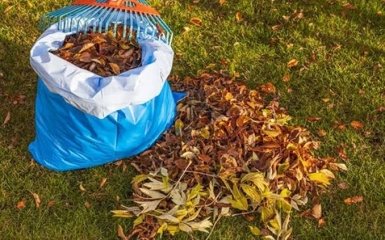
Autumn is the best time to lay the foundation for future compost. After harvesting, there is a lot of organic matter left on the site: fallen leaves, tops, dry stems, mowed grass, carrion, weeds, small branches, kitchen vegetable waste. Some of this can indeed be turned into useful fertilizer, but not everything should be thrown indiscriminately into one pile.
Points of attention
- Autumn compost has its own peculiarity. This season there is a lot of “brown” materials: dry leaves, stems, branches, straw, cardboard.
- In the fall, most healthy plant residues from the garden, vegetable garden, and kitchen can be added to compost.
- Do not put leaves in the compost in a thick wet layer.
Good compost is created when there is a balance of “green” and “brown” materials, air access, moderate humidity, and sufficient time for decomposition. If you simply pile wet leaves, grass, and diseased tops into a dense mass in the fall, in the spring you may end up with not fertilizer, but a sour, smelly pile full of weed seeds, fungal diseases, and pests.
This article provides a practical list of what can be put in compost in the fall, what waste is best not to add, how to properly alternate layers, and what to do to keep the compost from rotting, smelling, and becoming suitable for beds, flowerbeds, trees, and shrubs.
What search intent does this topic have?
The intent is mixed: informational and instructional. The person is not looking for a theory of composting, but a clear answer: what autumn waste from the garden, orchard, and kitchen can be added to the compost pile, what is dangerous to put there, how to avoid odor, weeds, and diseases next season.
Therefore, the material should cover several practical questions: is it possible to compost leaves, grass, tops, carrion, weeds, branches, cardboard, ash, needles, kitchen scraps, diseased plants, and plants after chemical treatment?
How compost works in the fall
Composting is the controlled decomposition of organic materials using microorganisms, air, and moisture. As a result, plant residues gradually turn into a dark, loose mass with the smell of forest soil. It is used to improve soil structure, feed plants, and mulch.
Autumn compost has its own peculiarity. This season there are a lot of “brown” materials: dry leaves, stems, branches, straw, cardboard. At the same time, there are also “green” materials: fresh grass, weeds without seeds, vegetable peelings, carrion, the remains of healthy tops. It is the combination of these two groups that triggers normal decomposition.
“Green” materials are rich in nitrogen and moisture. They decompose quickly, but in large quantities can clump and smell. “Brown” materials are rich in carbon. They provide structure, hold air in the pile, and remove excess moisture.
The EPA recommends adding at least 2–3 times more “brown” materials by volume than “green” materials to your home compost pile, and covering food scraps with dry leaves or other dry organic matter.
What can you put in compost in the fall?
In the fall, you can add most healthy plant debris from your garden, vegetable patch, and kitchen to your compost pile. The key is to sort them by condition, chop up large pieces, and avoid creating thick, wet layers.
Fallen leaves
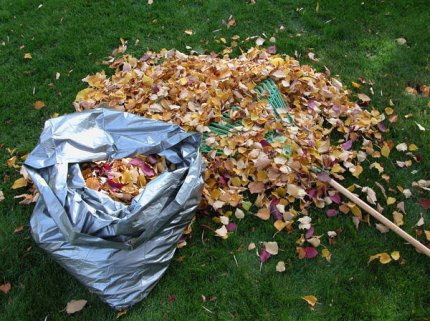
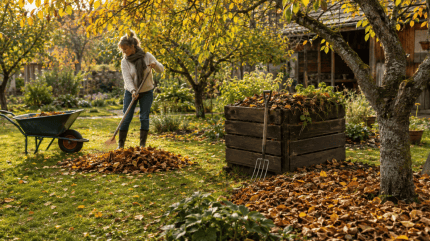
Fallen leaves are one of the most valuable autumn materials. They provide carbon, structure, and gradually turn into leaf humus. They can be added to the general compost pile or stored separately in bags, a mesh container, or a separate compartment.
Thin leaves of maple, linden, birch, and fruit trees decompose faster. Dense leaves of oak, plane, walnut, or chestnut are best shredded with a lawn mower, garden vacuum, or pruner along with small twigs. The smaller the particles, the faster the microorganisms work.
Don't put leaves in a thick, wet layer in your compost. They will clump together, block air flow, and can start to turn sour. It's better to alternate the leaves with fresh grass, kitchen scraps, thin branches, or a small amount of soil.
Mowed grass
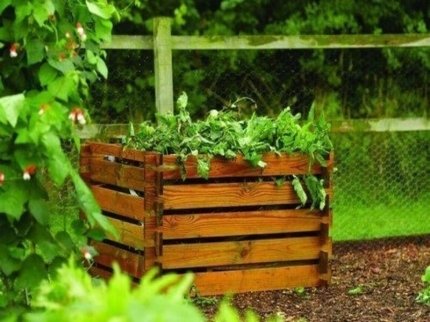
Grass clippings are a quick “green” component. They add nitrogen and moisture, help the pile warm up, and promote the decomposition of dry leaves. But it is grass that often spoils compost if it is not placed properly.
Fresh grass should not be covered with a layer of 20–30 cm. It compacts, overheats, becomes slippery and gives off a pungent odor. It is best to mix it with dry leaves, chopped stems, straw, sawdust without chemical treatment, or torn cardboard.
If your lawn has been treated with herbicides, don't rush to add the grass to your compost. Some of the chemicals can affect sensitive crops even after the organic matter has decomposed. Be especially careful with unknown grass from roadsides, communal areas, or areas where chemicals may have been used.
Healthy vegetable tops
Healthy tops of tomatoes, peppers, eggplants, cucumbers, zucchini, pumpkins, beans, peas, beets, carrots, and other crops can be put into compost. But only if the plants show no signs of disease: spots, bloom, rot, black stems, late blight, bacteriosis, or viral symptoms.
It is best to chop the tops. Thick stems of tomatoes, sunflowers, corn, peppers and cabbage take longer to decompose, so they should be cut into shorter pieces with a secateurs. Dry stems work well as “brown” material, and also create air channels in the pile.
If your plants are diseased, don't put them in your regular home compost pile. The University of Minnesota notes that diseased plant debris can only be composted when the pile is warm enough, around 148°F or higher, and the material is completely decomposed. This is difficult to consistently achieve in most home composters.
Annual weeds without seeds
Young weeds without seeds can be composted. They decompose quickly and add nitrogen. Soft annuals that have not yet formed seed pods, spikelets, or fluffy “parachutes” are best.
Before planting, it is advisable to dry the weeds for a day or two in the sun or chop them. If they are very juicy, add them in thin layers and be sure to cover them with dry leaves, straw, or cardboard.
Do not add weeds with a large number of seeds to your home compost. Even if some of the seeds die, some may survive the cold composting process and end up in the beds along with the finished fertilizer. This way, you will spread the weeds around the area yourself.
Carcass and spoiled vegetables
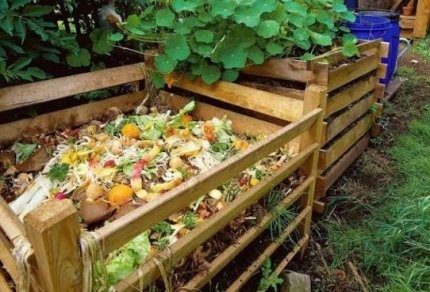
Apples, pears, plums, small zucchini, pumpkins, tomatoes, beets, carrots, and other fruits can be composted if they are overripe, bruised, rotted from storage, or mechanically damaged. Large fruits are best cut up so they decompose faster and don't form wet, rotten "pockets" inside the pile.
Caution is needed with diseased fruits. If apples have a lot of moniliosis, tomatoes have phytophthora, and pumpkins have soft rot, it is better not to return such remains to the home compost, which will then go to the garden. In a cold pile, pathogens can survive.
Another caveat is pests. A large amount of sweet carrion can attract wasps, flies, rodents and wild animals. Therefore, the fruit should be covered with a layer of dry leaves, soil, old compost or crushed “brown” materials.
Small branches, dry stems and trimmings
Thin branches from pruning shrubs, dry stems of flowers, raspberries, corn, sunflowers, Jerusalem artichokes, and ornamental plants can be added to the compost after shredding. They decompose more slowly, but they provide air to the pile and prevent it from turning into a dense, wet mass.
It’s helpful to add a layer of coarse material to the bottom of your fall pile: small branches, twigs, dry stems. This acts as drainage and helps air flow from below. The EPA recommends starting the pile with a layer of bulky “brown” materials, such as twigs or wood chips, to absorb excess liquid and provide air circulation at the base.
Thick branches without shredding are best not to put into an active compost pile. They can lie around for years. They should be put through a shredder, used for mulch, the base of a raised bed, or a separate slow pile.
Cardboard and uncoated paper
Non-glossy cardboard, chemical-free paper towels, paper bags, sleeves, and boxes without tape or paint are good “brown” materials. They help balance out wet grass, kitchen scraps, and carrion.
Cardboard should be torn or cut before adding. Large sheets can stick together and block air flow. Do not add glossy magazines, laminated paper, receipts, packaging with plastic wrap, tape, stickers, or wax coating.
Cardboard is especially useful when the compost contains a lot of succulent materials: grass, apples, pumpkins, vegetable peelings. It absorbs excess moisture and removes odors.
Kitchen vegetable waste
You can add vegetable and fruit peelings, leftover greens, corn cobs after grinding, coffee grounds, paper filters, tea leaves without synthetic bags, and crushed eggshells to your home compost.
Kitchen waste should always be covered with a dry material. If left uncovered, it will attract flies, wasps, mice, rats, and cats. The EPA recommends covering food scraps with a layer of dry leaves or other “brown” materials several inches thick.
Don't put meat, fish, bones, fat, dairy products, large amounts of cooked food, sauces and oil in your regular garden pile. These wastes smell, attract animals and require different composting conditions.
What cannot or should not be put in compost in the fall
The mistake in autumn composting often manifests itself in the spring. Instead of loose fertilizer, a person gets weed seeds, fungal infections, odor, rodents, or damaged plants after applying compost to the beds.
Sick plants
Do not add plants to your home compost pile with signs of late blight, powdery mildew, rust, spotting, bacterial rot, viral diseases, blackleg, gray rot, cabbage looper, and other serious infestations.
It is best to remove such waste from the garden separately. If your community has a green waste collection or temperature-controlled industrial composting, this is a safer option. A regular household pile often does not warm up evenly, so some pathogens may survive.
Weeds with seeds and rhizomes
Wheatgrass, birch, snit, thistle, horsetail, sow thistle with seeds, and other weeds that easily regenerate from roots, stems, or seeds should not be put in the compost. In a warm, moist pile, they may not die, but survive the winter and spread even more actively.
Plants with mature seeds are particularly at risk. If you add them in the fall and use immature compost as mulch in the spring, you can end up with a thick carpet of unwanted seedlings.
Plants after herbicides and unknown chemistry
Do not add grass, hay, straw, weeds or manure unless you know if they have been treated with persistent herbicides. Some substances can persist in the plant material and damage sensitive crops after composting.
The RHS points out that residues of certain herbicides in manure or grass clippings can cause deformation of shoots and leaves in sensitive plants, including tomatoes, potatoes, beans, peas and ornamental crops.
If the origin of the material is unknown, it is better not to risk the garden. This is especially true for grass from roadsides, areas near businesses, sports lawns, cemeteries, communal lawns and areas after weed control.
Meat, fish, fat and dairy products
These types of waste are not suitable for a typical home composter. They quickly develop odors, attract rodents, dogs, cats, flies, and can create sanitation problems. The EPA specifically lists meat, fish, bones, dairy products, fats, and oils as materials to avoid in a home compost pile.
For a garden plot without a special closed composter, the best rule is simple: mostly plant residues go into the compost, and animal products do not.
Plastic, glass, metal, stickers and glossy paper
Compost should not contain plastic, bags, tape, foil, glass, metal, synthetic wipes, wet wipes, cigarette butts, laminated paper, glossy magazines, and fruit stickers. They will not turn into fertilizer and will pollute the soil.
Of particular note are “compostable” bags and disposable tableware. Some of these materials decompose only in industrial conditions, not in a cold home compost pile. The EPA advises against adding compostable tableware and bags to home compost unless the label specifically allows home composting.
How to properly lay autumn compost
Fall compost is best done in layers, but without turning the pile into a “puff cake,” where each layer is isolated. The goal is to combine dry and wet, fine and coarse, green and brown.
Convenient scheme:
Place 10–15 cm of small branches, dry stems, or cuttings on the bottom.
Add a layer of dry leaves, straw, or cardboard.
Lay a thin layer of green waste: grass, tops, kitchen scraps.
Sprinkle with soil, old compost, or dry leaves.
Repeat the alternation.
Grind large materials.
Always cover kitchen scraps with a dry layer.
After laying, moisten the pile if it is dry.
Cover it from excessive rain, but do not block the air flow.
The ideal humidity is like a well-wrung sponge: the material is damp to the touch, but no water is dripping from it. If the pile is dry, decomposition almost stops. If it is wet and dense, rotting begins without access to air.
Why Compost Can Smell Bad in the Fall
An unpleasant odor is a sign of imbalance. Most often, the pile is too wet, compacted, or contains a lot of “green” waste without dry organic matter.
Causes of odor:
a thick layer of fresh grass;
a lot of carrion without leaves and cardboard;
kitchen waste lies on top;
the pile has no air;
there is no rough layer at the bottom;
added meat, fat, or dairy products;
The composter is in a pit without drainage.
What to do:
add dry leaves, straw, untreated sawdust or cardboard;
loosen the pile with a garden fork;
cover food scraps;
open the sides for ventilation;
do not fill with water;
remove prohibited products, if any.
The EPA notes that if your compost smells bad, it may be lacking air or too wet; in which case you should add more dry materials and mix the pile.
Is it necessary to mix compost in autumn and winter?
Stirring speeds up decomposition because it returns oxygen to the pile. In the fall, it is enough to stir the materials well 1–2 times after laying, especially if there is a lot of grass, carrion or kitchen waste.
In winter, the activity of microorganisms slows down due to the cold. This is normal. There is no need to constantly disassemble the frozen pile. It is better to cover it with a layer of dry leaves, straw or breathable material to reduce the leaching of nutrients by rain and melting snow.
In the spring, when the temperature rises, the pile can be loosened, the moisture content assessed, and “green” materials added if it is too dry and not warming up.
How to know when compost is ready
Finished compost doesn’t look like a pile of garbage. It’s dark, loose, crumbly, has a pleasant earthy smell, and doesn’t contain any noticeable bits of food, fresh grass, or recognizable plant tops. The EPA notes that a well-maintained home compost pile can be ready in about 3 to 5 months, while an unmaintained compost pile can take about a year to decompose.
Signs of readiness:
there is no pungent odor;
the mass is not hot inside after mixing;
color dark brown;
the structure is fragile;
the material smells of earth;
most components are not recognizable;
There are no fresh remains or mucus in the compost.
If there are any branches, fruit pits, shells, or rough stems left, they can be sifted out and returned to a new pile.
How to use fall compost next season
Mature compost can be applied to beds, planting holes, tree trunks, berry bushes, flower beds, and greenhouses. But it's important not to use unripe compost directly under sensitive seedlings. Incomplete decomposition can temporarily take nitrogen from the soil, overheat, and contain organic acids or weed seeds.
Best ways to use:
add to the soil before planting;
put into the holes under the vegetables after they are fully ripe;
spread as a thin layer of mulch around bushes;
add to the trunk circles of trees;
mix with soil to prepare beds;
use for flower beds and ornamental crops.
Don't cover plants with a thick layer of fresh compost right up to the stem. It's better to back off a few centimeters to avoid creating excess moisture near the root collar.
Common mistakes in autumn composting
The first mistake is to throw everything in at once. Compost is not a garbage can. Diseased plants, plastic, meat, grease, glossy paper, and weeds with seeds can create more problems than good.
The second mistake is to make a pile of leaves only. Leaves are useful, but without nitrogenous materials they will decompose slowly. Add grass, healthy tops, vegetable peelings or a little ready compost.
The third mistake is to make a pile of only fresh grass. It quickly turns into a slimy layer with a smell. It needs to be mixed with dry material.
The fourth mistake is not chopping large leftovers. Whole stems, branches, pumpkins, and cobs can lie around for a very long time.
The fifth mistake is not controlling the moisture. Compost should be moist, but not wet.
The sixth mistake is adding plants after unknown herbicides. Such compost can damage vegetables the following season.
The seventh mistake is to use immature compost for seedlings. Young plants need stable, fully rotted material.
A short checklist: what to put in the compost in the fall
You can add:
fallen leaves;
dry stems;
small chopped branches;
healthy tops;
mowed grass in thin layers;
annual weeds without seeds;
carrion without serious diseases;
vegetable and fruit peelings;
coffee grounds;
tea leaves without synthetic bags;
crushed eggshell;
non-glossy cardboard;
paper filters;
straw;
sawdust and chips from untreated wood.
It is better not to add:
diseased plants;
weeds with seeds;
rhizomes of wheatgrass, birch, and snowdrops;
plants after herbicides;
meat;
fish;
bones;
fat;
dairy products;
a lot of cooked food;
pet feces;
cat litter;
plastic;
glass;
metal;
glossy paper;
colored coated packaging;
fruit stickers;
painted or treated wood.
Conclusion
Fall composting is a way to give back to the area what it has given during the season. Leaves, grass, healthy tops, carrion, vegetable peelings, cardboard and small branches can become the basis of a quality fertilizer if they are combined correctly.
The main principle is balance. You need to mix juicy “green” materials with dry “brown” ones, chop up large scraps, cover kitchen waste, and keep the pile moist and airy. This way, the compost won’t stink, turn into a swamp, or attract rodents.
The most important thing in the fall is not to introduce a problem into the future compost. It is better to remove diseased plants, weeds with seeds, rhizomes of aggressive weeds, materials after herbicides, plastic, meat, fat and dairy products separately. Good compost does not start with a large pile, but with proper sorting.
FAQ
What is the best thing to put in compost in the fall?
Fallen leaves, healthy grass, shredded dry stems, healthy tops, small branches, vegetable and fruit peelings, coffee grounds, non-glossy cardboard and straw are best. It is important to mix wet “green” materials with dry “brown” materials.
Can I put fallen leaves in the compost?
Yes, fallen leaves are good for compost. Thin leaves decompose faster, dense ones are better to chop up. You shouldn't put leaves in a thick, wet layer, as it will clump together and block air access.
Can tomato tops be composted?
It is possible if the plants were healthy. If the tops show signs of late blight, spots, rot, or other diseases, it is better not to add it to your home compost pile, as a regular pile may not warm up enough to kill the pathogens.
Can weeds be put in compost?
Young annual weeds without seeds can be added. Weeds with mature seeds, rhizomes, or the ability to regenerate easily are best left out of the home compost pile.
Why does compost start to smell in the fall?
Most often due to excess moisture, lack of air, or a large amount of fresh grass and kitchen scraps without dry leaves. You need to add “brown” materials, loosen the pile, and cover the food waste.
Can apples and pears be put in compost?
Yes, carrion can be composted if the fruits do not show serious signs of disease. Large fruits should be chopped and covered with dry leaves or soil to avoid attracting insects and rodents.
Can cardboard be added to compost?
Yes, but only non-glossy cardboard without tape, film, wax coating, or color layer. It must be torn or shredded and mixed with the wet materials.
Can I put pine needles in compost?
Pine needles can be added in small amounts, preferably mixed with other materials. They decompose more slowly, so they shouldn't be the main part of the pile.
Do I need to cover compost for the winter?
It is advisable to cover the pile with a layer of dry leaves, straw or breathable material to prevent rain and melting snow from flooding it. It is not necessary to completely seal the compost, as air is needed for decomposition.
When will the fall compost be ready?
If the pile is balanced, shredded, moist, and turned periodically, some of the compost can mature in a few months during warm weather. If the pile is left unattended, decomposition can take about a year or longer.

