
Giving up meat, fish, eggs, and dairy can be a major change to your diet. Some people go vegan for ethical reasons, others for environmental reasons, or simply to eat healthier. But while it has potential benefits, it also requires careful consideration of the nutritional value of the foods you eat.
Points of attention
- Veganism should also not be confused with a diet that is simply dominated by plant foods. A person can follow a mostly plant-based diet, but occasionally consume fish, eggs, or dairy products.
- After switching to veganism, some people notice a gradual loss of body weight.
- There is also no good reason to claim that any vegan diet automatically provides a healthier microbiome compared to a balanced diet that includes animal products.
A well-planned vegan diet can provide most of the nutrients you need and can have a positive impact on certain health indicators. However, completely eliminating animal products increases the risk of deficiencies in vitamin B12, iodine, calcium, iron, and several other nutrients.
Scientific studies have linked high-quality plant-based diets to improved cholesterol levels, weight control, and glucose metabolism. However, veganism alone does not guarantee a healthy diet: a menu of French fries, sweets, and refined foods may be formally vegan, but it may not provide a balanced intake of nutrients.
Let's look at how the body reacts to the transition to a completely plant-based diet, what changes have scientific evidence, why deficiencies may occur, and how to make a vegan diet nutritious and safe.
What is veganism and how is it different from vegetarianism?
Veganism is a lifestyle that involves avoiding the use of animal products as much as possible. Vegans exclude meat, poultry, fish, seafood, dairy, eggs, and products made from them.
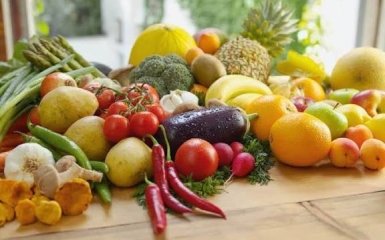
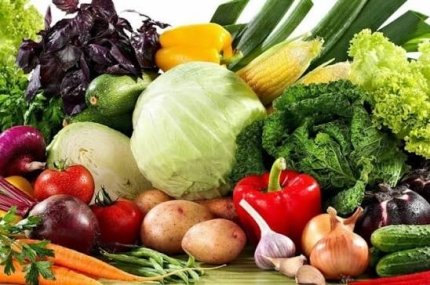
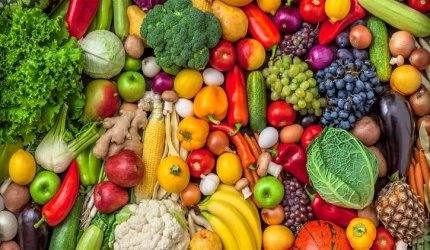
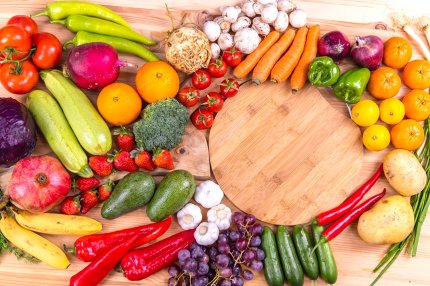
The basis of the menu is vegetables, fruits, legumes, grains, nuts, seeds, and various plant products.
Vegetarianism is a broader concept. For example, lacto-ovo vegetarians do not eat meat and fish, but do consume dairy products and eggs.
Veganism should also not be confused with a diet that is simply dominated by plant foods. A person can follow a mostly plant-based diet, but occasionally consume fish, eggs, or dairy products.
Can a vegan diet be complete?
The British National Health Service (NHS) notes that with proper planning, a balanced vegan diet can provide the necessary nutrients.
However, some of them are difficult or impossible to obtain in sufficient quantities solely from ordinary unfortified plant foods.
This is especially true for vitamin B12.
Therefore, a vegan diet requires not just the exclusion of meat and dairy products, but a thoughtful selection of substitutes and reliable sources of individual vitamins and minerals.
1. May improve cholesterol and heart health
One of the most researched potential benefits of a vegan diet concerns the cardiovascular system.
If a person replaces some of the foods high in saturated fat with legumes, whole grains, vegetables, and unsaturated fats, this can have a positive effect on the blood lipid profile.
Particularly important is the level of low-density lipoprotein cholesterol — LDL, often called "bad" cholesterol.
What the research showed
In a randomized clinical trial published in JAMA Network Open in 2023, researchers compared the effects of a healthy vegan diet and a healthy omnivorous diet on 22 pairs of identical twins.
For eight weeks, the participants followed the appropriate diets.
The vegan group experienced greater reductions in LDL cholesterol, fasting insulin, and body weight compared to the control group.
However, the study was small and short-term. It does not prove that a vegan diet is always better than any diet containing animal products.
Importantly, both diets in the study were specifically designed and focused on healthy eating.
The potential benefits are primarily related to the quality of the products and the ratio of nutrients, not just the absence of meat.
2. Weight may decrease, but weight loss is not guaranteed
After switching to veganism, some people notice a gradual decrease in body weight.
This may be because vegetables, fruits, legumes, and whole grains often contain a lot of fiber, water, and a relatively small number of calories per unit volume.
Such foods can help you feel fuller for longer.
In a systematic review and meta-analysis of 11 randomized trials involving 796 people with overweight or type 2 diabetes, vegan diets were associated with an average weight loss of about 4.1 kg compared to control diets.
However, this indicator is the result of specific clinical studies and not a weight loss prediction for each person.
Why you can gain weight on a vegan diet
A vegan diet is not necessarily low-calorie.
Nuts, seeds, vegetable oils, avocados, and nut spreads have a high energy density.
Additionally, sweets, baked goods, French fries, and many ready-made snacks may not contain animal ingredients.
If the total amount of energy consumed exceeds the body's needs, body weight may increase regardless of the type of diet.
Therefore, veganism should not be considered a guaranteed way to lose weight.
3. The work of the intestine and intestinal microbiota changes
One of the first noticeable changes after switching to a plant-based diet may concern digestion.
If a person starts eating more legumes, vegetables, and whole grains, the amount of dietary fiber on the menu often increases.
Fiber helps maintain normal bowel function, affects the consistency of stool, and is a substrate for certain groups of intestinal microorganisms.
However, the digestive system's reaction may be ambiguous.
Why does bloating occur after going vegan?
Legumes, cabbage, onions, and some other plant foods contain carbohydrates that are fermented by intestinal bacteria.
Gases are produced during this process.
If a person previously consumed little fiber and then dramatically increased its amount, the following may occur:
bloating;
increased gas formation;
feeling of fullness;
discomfort after eating;
temporary changes in bowel movements.
Harvard Health Publishing recommends increasing fiber gradually and ensuring adequate fluid intake.
For example, instead of abruptly switching to large portions of beans and raw vegetables, you can start with small amounts of well-cooked legumes.
It is also important to consider individual food tolerance. With irritable bowel syndrome, some plant-based foods may aggravate symptoms.
Does veganism really improve the microbiome?
A varied diet with plenty of plant foods can help create a favorable environment for the intestinal microbiota.
However, there is no universal “ideal” microbiome composition that suits everyone.
There is also no good reason to claim that any vegan diet automatically provides a healthier microbiome compared to a balanced diet that includes animal products.
4. The risk of vitamin B12 deficiency increases
This is one of the most important aspects of a vegan diet.
Vitamin B12 is necessary for the formation of red blood cells, DNA synthesis, and normal functioning of the nervous system.
Natural, reliable food sources of B12 for humans are mainly represented by products of animal origin.
Therefore, with a completely vegan diet, it is necessary to ensure its regular intake from fortified foods or appropriate supplements.
How dangerous is B12 deficiency?
Insufficient intake of this vitamin can lead to anemia and neurological disorders.
Possible symptoms include:
weakness and fatigue;
numbness or tingling in the extremities;
disequilibrium;
difficulty concentrating;
memory impairment;
mood swings.
With prolonged severe deficiency, permanent damage to the nervous system is possible.
It is important to note that symptoms may not appear immediately after switching to veganism, as the body has certain reserves of vitamin B12.
Where can vegans get vitamin B12?
The US National Institutes of Health (NIH) notes that reliable sources of B12 for vegans are specially fortified foods and dietary supplements.
These can be herbal drinks, nutritional yeast, or cereals, if the packaging specifically states that vitamin B12 is added.
At the same time, common algae, mushrooms, fermented vegetables, and unfortified nutritional yeast should not be considered reliable sources of active B12.
For people who have completely eliminated animal products, it is necessary to determine in advance a reliable source of vitamin B12. It is advisable to coordinate the scheme and dosage of the supplement with a doctor, taking into account diet, age and other circumstances.
5. Iron deficiency can occur even with sufficient amounts of plant foods
Iron is involved in oxygen transport and many metabolic processes.
Plant foods can contain significant amounts of this mineral.
For example, its sources include lentils, beans, chickpeas, pumpkin seeds, whole grains, and some green vegetables.
However, there is an important difference between the forms of iron.
Plant foods contain non-heme iron, the absorption of which significantly depends on the composition of the diet.
How to improve iron absorption
Vitamin C promotes the absorption of non-heme iron.
Therefore, it is useful to combine legumes and cereals with vegetables or fruits that contain this vitamin.
For example, you can add a sweet pepper salad to lentils, and tomatoes to a bean dish.
However, tea and coffee consumed with iron-rich foods may reduce the absorption of non-heme iron due to their polyphenol content.
Particular attention to iron intake should be paid to people with heavy menstruation, pregnant women, and those who already have iron deficiency anemia.
You should not take high doses of iron on your own without confirming a deficiency: an excess can also be harmful.
6. Iodine deficiency can affect thyroid function
Iodine is necessary for the synthesis of thyroid hormones, which regulate numerous processes in the body.
Common food sources of iodine include fish, seafood, dairy products, and eggs.
When a person completely eliminates these foods, it may be more difficult to ensure adequate iodine intake.
The British Dietetic Association (BDA) classifies vegans as being at increased risk of insufficient iodine intake.
Can you get iodine from seaweed?
Some algae really contain a lot of iodine.
However, its concentration can vary significantly depending on the type and origin of the product.
Particularly high and unpredictable amounts of iodine can be found in kelp and seaweed supplements.
Excess iodine, like its deficiency, can negatively affect the thyroid gland.
Therefore, it is not worth using large amounts of seaweed or kelp supplements to independently prevent deficiency.
Alternatives may include iodized salt within the general salt intake recommendations and plant products specifically fortified with iodine.
If necessary, your doctor may recommend a supplement with controlled mineral content.
7. Bone health needs special attention
Calcium, vitamin D, protein, and regular physical activity play an important role in maintaining bone health.
It is possible to meet these needs on a vegan diet, but this requires proper diet planning.
In particular, after eliminating dairy products, it is important to provide other sources of calcium.
What is known about the risk of fractures in vegans?
A large British study, EPIC-Oxford, published in the journal BMC Medicine in 2020, examined the incidence of fractures in people with different dietary patterns.
After taking into account a number of factors, the vegan group had a higher risk of fractures, particularly of the hip, compared to people who consumed meat.
The researchers suggested that some of the differences could be due to lower body mass index, as well as calcium and protein intake.
However, this is an observational study. It does not prove that veganism itself directly causes fractures.
The results also don't mean that every person on a plant-based diet will have weaker bones.
What plant foods contain calcium?
Useful sources may include:
calcium-enriched soy and other plant-based drinks;
tofu made using calcium salts;
cabbage, broccoli and some leafy vegetables;
sesame and tahini;
legumes.
At the same time, calcium from different plant foods is absorbed differently. For example, spinach contains calcium, but a significant amount of oxalates limits its absorption.
Separately, it is necessary to ensure the intake of vitamin D.
The vegan origin of a supplement or fortified product should be checked by composition, as some forms of vitamin D3 are derived from animal sources.
8. Omega-3 fatty acid intake may change
Omega-3 is a group of polyunsaturated fatty acids that are important for the normal functioning of the body.
The most famous among them are alpha-linolenic acid (ALA), eicosapentaenoic acid (EPA), and docosahexaenoic acid (DHA).
Plant foods, including flax seeds, chia seeds, and walnuts, contain ALA.
However, the long-chain omega-3 acids EPA and DHA usually come in significant amounts from fish and seafood.
Can plant-based omega-3s replace fish oil?
The body is able to convert some ALA into EPA and DHA, but the efficiency of this process is limited.
According to the NIH Office of Dietary Supplements, the conversion of ALA to long-chain omega-3s is low.
Therefore, consuming flaxseed does not necessarily provide the same levels of EPA and DHA as consuming fish.
For vegans, there are EPA and DHA supplements derived from microalgae.
The need for such supplements is determined individually, in particular depending on age, pregnancy, breastfeeding and health status.
9. Veganism Doesn't Necessarily Cause Hormonal Disruption
There is a common myth surrounding plant-based diets that regular soy consumption disrupts hormonal balance.
This claim is often attributed to the presence of isoflavones in soy products, plant compounds that can interact with estrogen receptors.
However, isoflavones are not identical to human estrogen, and their effects depend on many factors.
What research on soy products shows
A systematic review and meta-analysis of randomized trials published in the journal Advances in Nutrition in 2025 found no significant effect of soy isoflavones on four measures of estrogenic activity in postmenopausal women.
This does not mean that any doses of isoflavones are completely safe for all populations.
However, the claim that regular consumption of tofu or soy milk inevitably causes hormonal disruptions is not supported by proper evidence.
Another issue is excessive calorie restriction.
If a person systematically lacks energy after switching to veganism, this can negatively affect hormonal regulation, including the menstrual cycle.
But such a problem is possible with any type of diet accompanied by insufficient energy intake.
10. Vegan foods are not always healthier than conventional foods.
The popularity of plant-based diets has contributed to the emergence of a large number of alternatives to meat, dairy products, and sweets.
In stores you can find plant-based burgers, sausages, desserts, cheeses, and ready-made meals.
Some of these products help diversify the menu and provide the necessary nutrients.
However, vegan labeling does not guarantee high nutritional value.
What to look for on the label
It is important to check:
amount of protein;
saturated fat content;
amount of salt;
the presence of added sugar;
dietary fiber content;
the presence of calcium, B12 and other added nutrients.
For example, some plant-based cheese alternatives are made primarily from coconut oil and starch.
Such a product may contain a lot of saturated fat and little protein.
However, processing a product does not in itself make it harmful. Fortified soy milk or tofu can be beneficial components of a balanced diet.
The overall nutritional composition is important, not just the degree of processing.
11. Vegan diets can affect the intake of certain minerals
In addition to iron, calcium, and iodine, it is important to consider zinc and selenium.
Zinc is necessary for the normal functioning of the immune system, tissue healing, and numerous enzymatic processes.
Its plant sources include legumes, nuts, seeds, and whole grains.
However, phytates, which are found in some plant foods, can reduce zinc absorption.
Soaking, sprouting, and fermentation sometimes help improve the availability of individual minerals.
Selenium is important for the body's antioxidant systems and thyroid function.
Its amount in plant foods may depend on the mineral content in the soil.
Therefore, you should not rely on one product as a guaranteed source of all necessary micronutrients.
Do plant products accumulate heavy metals?
Plants can absorb certain pollutants, including cadmium, from the soil. Its content depends on growing conditions and environmental pollution.
However, this does not mean that soy, tofu, or a vegan diet in general necessarily pose an increased toxicological risk.
Heavy metals can enter the body from various foods, water, and other sources.
To reduce risks, it is important to monitor food safety, diversify the diet, and choose products of appropriate origin.
Without specific data about a specific product, it cannot be stated that it contains dangerous amounts of cadmium.
What nutrients may vegans lack?
For convenience, the main potential risks can be systematized.
| Nutrient | What is it for? | Sources in a vegan diet |
| Vitamin B12 | Nervous system, hematopoiesis | Fortified foods, supplements |
| Iron | Hemoglobin formation | Legumes, seeds, whole grains |
| Calcium | Bones, teeth, muscles | Fortified drinks, calcium-fortified tofu, some vegetables |
| Vitamin D | Calcium metabolism, bone health | Fortified foods, appropriate supplements |
| Iodine | Thyroid hormones | Iodized salt, fortified foods, supplements as needed |
| Zinc | Immune system, enzymes | Legumes, nuts, seeds |
| Selenium | Antioxidant processes | Cereals, nuts and other products depending on origin |
| Omega-3 | Cell Functioning | Flax, chia, walnuts, microalgae oil |
| White | Muscles, tissues, enzymes | Soy, tofu, tempeh, legumes, grains |
The presence of a potential risk does not mean that every vegan will necessarily develop a deficiency.
However, vitamin B12 requires special attention no matter how varied the usual plant-based menu is.
Do vegans get enough protein?
There is a widespread belief that without meat, eggs, and dairy products it is impossible to provide the body with sufficient protein.
This is not consistent with scientific data.
Plant foods can provide essential amino acids if the diet contains sufficient energy and a variety of protein sources.
Soy products, legumes, nuts, and seeds are especially valuable.
However, the protein content varies significantly.
For example, a vegetable salad with a small amount of seeds is not a complete replacement for a main protein meal.
Instead, a serving of lentils, beans, or tofu can form the basis of a nutritious lunch.
It is not necessary to combine all the essential amino acids in one meal. It is more important to get them in sufficient quantities throughout the day.
Particular attention to protein consumption should be paid to athletes, the elderly, pregnant women, and those recovering from illnesses.
How to properly transition to veganism without drastic restrictions
A complete rejection of all animal products is not a prerequisite for changing eating habits.
For many people, a gradual transition may be more practical.
First step: evaluate your usual diet
Pay attention to which foods provide the bulk of your protein, calcium, iron, and other nutrients.
For example, if your daily source of calcium was milk, you need to determine its nutritional replacement.
A regular plant-based drink without added calcium is not necessarily an equivalent substitute for cow's milk.
Step Two: Increase Plant-Based Foods
Start with a few dishes based on legumes, grains, and vegetables.
It could be lentil soup, stewed beans with vegetables, buckwheat with mushrooms and tofu, or chickpeas with baked vegetables.
Gradually increasing fiber can help reduce digestive discomfort.
Step Three: Plan Your B12 and Other Nutrients
Before completely eliminating animal products, a reliable source of B12 must be provided.
It is also important to assess the intake of iodine, calcium, vitamin D, iron, and omega-3 fatty acids.
If necessary, the doctor may prescribe tests or appropriate supplements.
Step Four: Assess Not Only the Composition, but also the Adequacy of Nutrition
A vegan diet should provide sufficient energy.
If after the transition you experience constant hunger, severe weakness, unwanted weight loss, or menstrual cycle irregularities, you should not explain this as a normal “adaptation” of the body.
Such symptoms require a nutritional analysis and, if necessary, a medical examination.
Example of a balanced vegan menu for the day
A healthy plant-based diet can be made from common products available in Ukrainian stores.
The example given is not an individual diet. The amount of food and portion sizes should be adapted to your energy needs.
Breakfast: oatmeal with a soy drink enriched with calcium and vitamin B12, berries, ground flax seeds, and walnuts.
Lunch: lentils with buckwheat, stewed vegetables and salad with sweet pepper.
Dinner: tofu with vegetables, a whole grain side dish, and a small amount of vegetable oil.
Snack as needed: fruit, nuts, or natural soy yogurt enriched with essential nutrients.
This diet combines various sources of protein, dietary fiber, and unsaturated fats.
However, even a varied menu does not guarantee a sufficient intake of all micronutrients without assessing the composition of specific products.
This is especially true for vitamin B12 and iodine.
Who needs particularly careful planning for a vegan diet?
A completely plant-based diet may require extra attention during periods of increased nutrient needs.
Pregnant and breastfeeding women
During pregnancy, adequate intake of protein, iron, iodine, vitamin B12, folate, calcium, and other nutrients is important.
DHA, which is involved in the development of the fetus' nervous system and visual organs, requires special attention.
A vegan diet during this period requires individual planning with a doctor.
B12 deficiency in a pregnant or breastfeeding mother can pose serious risks to the baby.
Babies and young children
A child's body needs sufficient energy and nutrients to grow.
Children are especially sensitive to deficiencies in B12, iron, calcium, and other essential nutrients.
Unfortified plant-based drinks should not be used as a substitute for breast milk or infant formula in infants.
Feeding children with a complete exclusion of animal products requires individual planning and regular medical supervision.
Elderly people
Appetite, ability to absorb certain nutrients, and protein needs may change with age.
Therefore, it is important to provide sufficient nutritious food and monitor health status.
People with chronic diseases
If you have diabetes, chronic kidney disease, digestive system diseases, or nutrient absorption disorders, a plant-based diet may require special adaptation.
For example, in certain stages of chronic kidney disease, it is important to control the amount of potassium, phosphorus, and protein.
Therefore, universal recommendations for vegan nutrition are not suitable for everyone.
What tests should be monitored during veganism?
There is no single mandatory list of laboratory tests for all healthy vegans.
The need for tests depends on the duration of adherence to the diet, symptoms, age, concomitant diseases, and the use of supplements.
Based on medical indications, the doctor may recommend an evaluation of:
general blood test;
vitamin B12 levels;
methylmalonic acid if necessary to clarify B12 status;
ferritin and other indicators of iron metabolism;
vitamin D levels according to appropriate indications;
thyroid function, if there is a suspicion of a disorder.
At the same time, not every indicator directly reflects the intake of a particular nutrient.
For example, a normal complete blood count does not always rule out early vitamin B12 deficiency.
Therefore, it is undesirable to independently interpret the results and prescribe high doses of supplements.
The most common myths about veganism
Myth 1. Veganism automatically cleanses the body of toxins.
There is no scientifically based concept of universal cleansing of the body using a vegan diet. The main functions of removing metabolic products are performed by the liver, kidneys and other body systems.
Myth 2. It is impossible to get enough protein without meat.
A varied plant-based diet can provide essential amino acids. Adequate nutrition and the right selection of protein sources are important.
Myth 3. Soy products are bound to disrupt hormonal balance.
Clinical studies do not support this universal conclusion. Regular consumption of soy products should not be equated with taking hormonal drugs.
Myth 4. Vegans don't need supplements.
If you are following a plant-based diet, you should ensure you are getting enough B12 from fortified foods or supplements. Other supplements may be needed depending on your diet and health status.
Myth 5. A vegan diet definitely helps you lose weight.
Weight change depends on total energy intake and other factors. Vegan foods can also be high in calories.
Myth 6. Veganism is always healthier than a mixed diet.
A high-quality plant-based diet may have benefits, but balanced diets with moderate amounts of animal products can also meet the principles of a healthy diet.
Conclusion
Veganism can be a complete way of eating if the diet is properly planned and provides the body with the necessary nutrients.
Scientific studies demonstrate the potential benefits of a high-quality plant-based menu for controlling cholesterol, body weight, and certain metabolic indicators.
At the same time, the complete exclusion of animal products requires special attention to vitamin B12, iodine, calcium, iron, vitamin D, and omega-3 fatty acids.
The most important principle is not to simply give up meat, milk, and eggs, but to replace them with nutritious foods and ensure the adequacy of the entire diet.
FAQ: Frequently Asked Questions About Veganism
What will happen to the body if you completely give up meat?
The consequences depend on what you replace meat and other animal products with. Increasing your intake of legumes, whole grains, vegetables, and unsaturated fats can improve certain health outcomes. However, without proper planning, you risk not getting enough of some nutrients.
Is it good to be vegan?
A balanced vegan diet can be beneficial and meet many of the principles of a healthy diet. However, the benefits are not determined by the absence of animal products per se, but by the overall quality of the menu. It is important to ensure that you are getting enough energy, protein, vitamins and minerals.
What side effects can occur after switching to veganism?
Initially, bloating and changes in bowel habits may occur due to increased fiber intake. If the diet is not balanced enough, deficiencies in B12, iron, iodine, and other nutrients may occur. However, these problems are not inevitable for all vegans.
Can you be vegan without vitamin B12?
If you are on a plant-based diet, you need to get your B12 from fortified foods or supplements. Regular, unfortified plant foods do not provide a reliable source of this vitamin. Long-term deficiency can cause anemia and neurological disorders.
Does veganism affect women's hormones?
Regular consumption of soy products has not been proven to cause any hormonal imbalance. However, insufficient caloric intake, nutrient deficiencies, or significant weight loss may negatively affect reproductive health. If you experience menstrual irregularities, you should consult a doctor.
Is it possible to gain muscle mass on a vegan diet?
Yes. To increase muscle mass, appropriate strength training, sufficient energy and protein are important. Plant sources of protein can be soy, tofu, tempeh, legumes and other products. Athletes need to plan the total amount of protein and the nutritional content of their diet especially carefully.
Why can veganism cause hair loss?
Hair loss has many possible causes. These include inadequate intake of energy, protein, iron, zinc, and other nutritional deficiencies. However, being vegan alone does not establish the cause. If hair loss worsens, medical evaluation is necessary.
Do vegans need to take omega-3?
Plant foods can provide alpha-linolenic acid, but its conversion to EPA and DHA is limited. Some people may benefit from omega-3 supplements from microalgae. The need and dosage depend on individual needs, especially during pregnancy and breastfeeding.
Can veganism lead to anemia?
Yes, if the body does not receive or absorb enough iron or vitamin B12. However, anemia can also occur in people who consume animal products. For prevention, it is important to plan your diet correctly, and if you suspect a deficiency, undergo an examination and treatment as prescribed by a doctor.
Is it possible to follow a vegan diet for life?
A plant-based diet can be a sustainable way of life if it is nutritious, varied, and provides critical nutrients. Your body's needs change with age, pregnancy, breastfeeding, and illness. Your diet should be tailored to your stage of life and your health.
Important: the article is for informational purposes only and does not replace medical advice. Self-medication, self-prescription of strict diets, high doses of vitamins or mineral supplements can be harmful to health. Before switching to a completely vegan diet, be sure to consult a doctor, especially if you have chronic diseases, are pregnant, breastfeeding or are feeding children. If you experience weakness, unwanted weight loss, numbness in the extremities, menstrual irregularities or other persistent symptoms, a medical evaluation is necessary.

