

Coffee "corrodes" an empty stomach, a banana on an empty stomach is dangerous for the heart, yogurt loses all its beneficial bacteria, and oranges are sure to cause gastritis — lists of such prohibitions regularly appear on the Internet. Most of them greatly exaggerate the real risks.
For a healthy person, there are almost no common foods that would be dangerous just because they were eaten first after a night's sleep. The stomach is physiologically adapted to an acidic environment, and food does not create a special "protective layer" without which the acid begins to damage the mucosa.
Another situation is gastroesophageal reflux disease, functional dyspepsia, peptic ulcer disease, hypersensitivity of the digestive system or individual intolerance. In such cases, coffee, spicy foods, alcohol, fatty foods or citrus fruits can actually aggravate symptoms.
Therefore, the correct question is not “what is strictly forbidden on an empty stomach?”, but which products can worsen your well-being and under what conditions does it matter .
Are there any foods that a healthy person should not eat on an empty stomach?
There is no universal list.
For most healthy people, an orange, natural yogurt, banana, tomato, or a cup of coffee in the morning is not dangerous just because the stomach is empty.
The reaction depends on several factors:
the presence of reflux or dyspepsia;
quantity of product;
caffeine concentrations;
fat content of the dish;
individual sensitivity;
concomitant diseases;
medications that a person is taking;
normal diet.
It is also important to note that the word "fasting" is often used too literally. The stomach after a night's sleep is not a defenseless empty bag of acid. Its mucosa has its own defense mechanisms.
Most cases of gastritis are also not caused by morning coffee, citrus fruits, or raw vegetables. Important causes of gastritis and gastropathy include Helicobacter pylori infection, prolonged or excessive use of certain anti-inflammatory drugs, alcohol, and certain autoimmune processes.
Food can aggravate symptoms , but that's not the same as causing the disease.
Who should be more careful about their morning meal?
Individual tolerance is especially important for people who have:
heartburn;
acid reflux;
gastroesophageal reflux disease;
functional dyspepsia;
frequent pain or burning in the upper abdomen;
nausea after coffee;
irritable bowel syndrome;
peptic ulcer;
certain food intolerances.
For example, for someone without reflux, eating an orange on an empty stomach may not cause any symptoms at all. For someone with frequent heartburn, the same food can sometimes worsen the burning sensation behind the breastbone.
Therefore, a personal response is more important than universal lists from the Internet.

1. Coffee on an empty stomach: can you or not?
Coffee is the most popular product on the "forbidden on an empty stomach" list.
It can indeed stimulate the secretion of stomach acid and affect intestinal motility. This is why some people feel the urge to defecate more quickly after their morning coffee.
But the claim that coffee on an empty stomach “burns the mucosa” or causes gastritis in a healthy person is unconfirmed.
Who can coffee harm?
Problems are more likely to occur in people with:
acid reflux;
heartburn;
sensitive stomach;
functional dyspepsia;
a pronounced reaction to caffeine.
Coffee can also cause nausea, tremors, anxiety, or heart palpitations, especially if it is strong, the person has had little sleep, or rarely consumes caffeine.
If you regularly experience stomach pain after drinking coffee on an empty stomach, you don't have to give up the drink completely. You can try drinking it after breakfast, reducing the portion, or switching to a less concentrated version.

2. Citrus fruits: the problem is not an “empty stomach”
Oranges, tangerines, grapefruits, and lemons contain organic acids.
This gave rise to the myth that citrus fruits on an empty stomach damage the mucous membrane.
This is unlikely for a healthy digestive system. Stomach acid is much more acidic than most of the foods we eat.
However, acidic foods do appear to be a possible reflux trigger. A person with heartburn may find that a glass of orange juice or a large serving of citrus fruits makes symptoms worse.
The important word here is "may" .
It makes no sense to automatically exclude citrus fruits from the diet of all people.
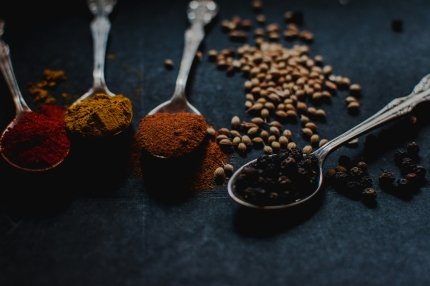
3. Spicy food: depends on the sensitivity of the digestive system
Capsaicin is the substance that gives hot peppers their characteristic burning taste.
Spicy food can cause:
burning sensation;
abdominal pain;
heartburn;
increased symptoms of dyspepsia;
diarrhea in sensitive people.
But it doesn't turn into a special "acid attack" just because there's no other food in the stomach.
For someone who has been calmly eating a spicy breakfast all their life, such a dish may not pose any problems.
If you regularly experience a burning sensation in the upper abdomen or reflux after eating spicy food, it is better to reduce the spiciness or combine such foods with other components of the dish.
4. Sweets on an empty stomach: the main problem is not the stomach
A chocolate bar, a sweet bun, or a cookie does not become toxic if you eat them before breakfast.
The problem is different.
Foods high in free sugars and low in protein and fiber can be digested quickly and are not very filling.
As a result, a breakfast of sweet pastries and a sweet drink often provides significantly less satiety than a meal containing:
white;
fiber;
complex carbohydrates;
healthy fats.
This does not mean that a healthy person necessarily experiences a dangerous "insulin spike" after each candy, followed by a pathological drop in blood sugar.
The body regulates glucose levels in a much more complex way.
The practical conclusion is simpler: it is better not to make sweets the basis of breakfast.
5. Fruit juices: fruit is better, but not on an “empty stomach”
Even 100% fruit juice with no added sugar contains natural sugars in a form that is absorbed more quickly than from whole fruit.
Juice also has significantly less fiber.
Therefore, an orange and a glass of orange juice are nutritionally different products.
The World Health Organization classifies fruit juice sugars as free sugars, the amount of which in the diet is recommended to be limited.
Both packaged juice and fresh juice can contain a lot of these sugars. Therefore, the statement “store-bought juice is bad, but freshly squeezed juice is safe to drink” is also incorrect.
For a daily diet, a whole fruit is usually a more practical choice.

6. Carbonated drinks: bubbles can cause bloating
Carbonated water does not harm a healthy stomach because it is drunk on an empty stomach.
But carbon dioxide increases the amount of gas in the digestive system. In sensitive people, this can cause:
belching;
feeling of fullness;
bloating;
discomfort.
Sugary sodas add a significant amount of free sugars to this.
For a person with reflux, carbonated drinks can also be an individual trigger for symptoms.
If regular carbonated water does not cause discomfort, there is no reason to specifically ban it in the morning.
7. Raw vegetables on an empty stomach: the ban makes no sense for most people
One strange piece of advice is not to eat cucumbers, tomatoes, cabbage, or greens first because "the coarse fiber injures an empty stomach."
This has not been confirmed for a healthy person.
On the contrary, vegetables are an important source of fiber, and modern recommendations for healthy eating advise including them in your diet regularly.
Another issue is portability.
A large portion of raw cabbage, onions, or some other vegetables can cause gas or bloating, especially in people with irritable bowel syndrome.
This is due to the fermentation of certain carbohydrates in the intestine, not the fact that fiber "scratches" an empty stomach.
8. Yogurt and kefir: they are not useless on an empty stomach
The myth goes something like this: "Stomach acid on an empty stomach destroys all beneficial bacteria, so yogurt should only be eaten after another meal."
In reality, everything is more complicated.
First, not every yogurt is a probiotic product in the strict scientific sense. This requires specific live microorganisms with proven benefits and sufficient quantities.
Secondly, the survival of microorganisms depends on the specific strain, product composition, acid resistance of the bacteria, and many other factors.
Studies do not provide evidence to suggest that yogurt eaten on an empty stomach automatically loses all its benefits.
Therefore, natural yogurt can easily be part of breakfast.
For example:
yogurt + oatmeal + berries + nuts .
This option provides protein, fiber, fats, and carbohydrates and is very filling.
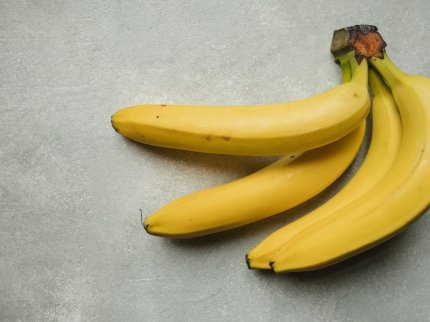
9. Bananas on an empty stomach: the myth of the “magnesium jump”
Of particular note is the popular claim that eating a banana on an empty stomach causes a sharp increase in magnesium in the blood and is therefore dangerous for the heart.
Such a mechanism has no normal physiological basis.
Magnesium from one banana is not absorbed instantly in an amount that could cause a dangerous change in its level in a healthy person.
The body regulates the concentration of electrolytes, and the kidneys excrete excess electrolytes.
You can eat a banana on an empty stomach.
Another issue is satiety. A banana itself contains mostly carbohydrates and little protein and fat. Therefore, some people find it more comfortable to combine it with natural yogurt, nuts, or peanut butter.
And people with severe kidney disease sometimes do have to limit foods rich in potassium, but this applies to the entire diet, not specifically to a banana before breakfast.
10. Fatty and fried foods
A big breakfast of sausages, fried potatoes, fatty sauce, and fast food can cause heaviness regardless of whether you eat it on an empty stomach or at three in the afternoon.
Fatty foods stay in the stomach longer and in some people worsen symptoms of dyspepsia and reflux.
Therefore, with a tendency to:
heartburn;
heaviness;
early saturation;
nausea;
smaller portions and lower-fat meals are often better tolerated.
A healthy person does not need to be afraid of eggs, avocados, or nuts because of their fat content. This is primarily about very fatty and large-volume dishes.
11. Drinking alcohol on an empty stomach is a really bad idea.
Unlike many food myths, there is a very real reason for caution here.
Alcohol can be absorbed faster on an empty stomach, so the concentration of alcohol in the blood can increase faster than after eating.
Large amounts of alcohol can also irritate the stomach lining and cause acute gastropathy.
Therefore, drinking alcohol on an empty stomach is not worth it.
This does not make food a way to “protect the body” from alcohol. Food may slow absorption, but it does not neutralize ethanol and its risks.

What can actually make you feel worse on an empty stomach?
Instead of a long list of prohibitions, it is more useful to highlight a few situations.
If you have reflux or heartburn
Individual triggers can be:
coffee;
alcohol;
chocolate;
citrus fruits;
tomatoes;
spicy dishes;
very fatty food;
mint.
But reflux recommendations are increasingly focused on personal triggers. If a particular food doesn't cause symptoms, there's no need to automatically eliminate it.
If there is functional dyspepsia
Some people feel worse after long periods of time without eating.
In this case, small, regular meals may be better tolerated than a “nothing until lunch, then a large portion.”
If you have irritable bowel syndrome
It may not be an empty stomach, but specific fermented carbohydrates, portion size, fat content of the food, caffeine, or other individual triggers that are crucial.

What is better to eat in the morning?
There is no single "perfect breakfast."
It is advisable to build a comfortable and nutritious option so that it contains at least several components:
protein — eggs, natural yogurt, cottage cheese, fish, tofu;
fiber — oatmeal, whole grain bread, vegetables, fruits, berries;
complex carbohydrates — whole grains, whole grain bread;
healthy fats — nuts, seeds, avocados.
For example:
oatmeal with yogurt, berries and nuts;
eggs with vegetables and whole grain toast;
sour milk cheese with fruit;
buckwheat with egg and vegetables;
hummus with whole grain bread and salad.
This breakfast usually keeps you fuller longer than a sweet drink with a cookie or bun.
Is it necessary to eat breakfast at all?
No, either.
A healthy adult does not need to force themselves to eat immediately after waking up if they do not feel hungry.
For some, breakfast at 7:00 a.m. is a comfortable routine. For others, it is more convenient to have their first meal at 9:00 or 10:00 a.m.
The values are:
overall quality of food;
sufficient amount of nutrients;
energy balance;
individual well-being;
medical indications.
Another situation is diabetes, pregnancy, taking medications that need to be combined with food, certain diseases of the digestive system, or other conditions for which the diet may have specific clinical significance.

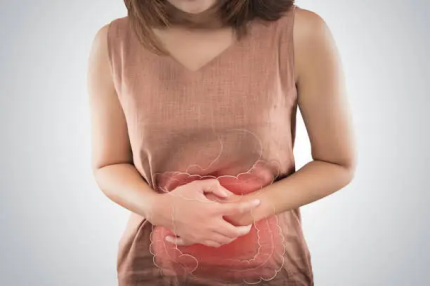
When pain on an empty stomach requires examination
If your stomach regularly hurts right before meals, constantly avoiding coffee, tomatoes, or bananas may be hiding the real problem.
It is worth consulting a doctor if you regularly experience:
pain or burning in the upper abdomen;
constant heartburn;
frequent nausea;
vomiting;
feeling full quickly after a small portion;
difficulty swallowing;
unexplained weight loss;
recurring night pain.
Vomiting blood, vomiting coffee grounds, black tarry stools, severe weakness, or sudden severe abdominal pain are symptoms that require urgent medical evaluation.
Conclusion
For most healthy people, there is no universal list of foods that should absolutely not be eaten on an empty stomach.
Coffee, citrus fruits, spicy foods, carbonated drinks, and fatty foods can aggravate heartburn or dyspepsia in sensitive people. But bananas don't create a dangerous "magnesium surge," plain yogurt doesn't become useless on an empty stomach, and raw vegetables don't damage healthy mucous membranes.
Your own tolerance and overall diet quality are the best guide. If the same food consistently causes heartburn, pain, nausea, or bloating, you may want to change how you eat it or discuss recurring symptoms with your doctor.
FAQ
What should you absolutely not eat on an empty stomach?
There is no universal list of prohibited foods for a healthy person. Caution is needed with alcohol, and with reflux, dyspepsia, or other diseases, certain foods can be individual triggers.
Can you drink coffee on an empty stomach?
Yes, as long as it doesn't cause heartburn, nausea, pain, jitters, or other unpleasant symptoms. Coffee can stimulate acid secretion and bowel function, so some people find it more comfortable to drink it after a meal.
Can you eat a banana on an empty stomach?
Yes. There is no evidence that eating a banana on an empty stomach creates a dangerous magnesium spike or harms a healthy person's heart. For added satiety, it can be paired with yogurt, nuts, or another source of protein or fat.
Can you eat yogurt on an empty stomach?
Yes. Yogurt doesn't automatically become useless due to stomach acid. If dairy products are well tolerated, plain yogurt can be a full part of your breakfast.
Can you eat oranges on an empty stomach?
For a healthy person, yes. For people with reflux or a sensitive stomach, citrus fruits may increase heartburn or discomfort, so you need to focus on your individual reaction.
Can you eat vegetables on an empty stomach?
Yes. Raw vegetables are not harmful to a healthy stomach. However, large amounts of cabbage, onions, or other foods that are actively fermented can cause bloating in sensitive people.
Can you drink sparkling water on an empty stomach?
Yes, if it is well tolerated. Gas can cause belching and bloating, so people with reflux or sensitive digestive systems may find still water more comfortable.
What is the best thing to eat first thing in the morning?
There is no specific food that must be eaten first. A practical breakfast can contain protein, fiber, and complex carbohydrates: for example, eggs with vegetables, oatmeal with yogurt, or cottage cheese with fruit.
Why does my stomach hurt when I don't eat for a long time?
This can be a sign of functional dyspepsia, peptic ulcer disease, or other conditions. If the pain recurs regularly on an empty stomach, it is better to find out the cause, rather than simply compiling an ever-longer list of prohibited foods.
Is it harmful to skip breakfast?
Not for every healthy person. If the overall diet is complete and skipping breakfast does not cause a deterioration in well-being, there is no universal requirement to eat immediately after waking up. For certain diseases, pregnancy, or taking medications, the diet may require separate recommendations.

