
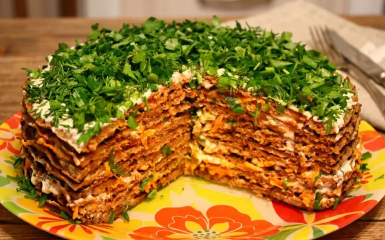
Chicken liver can be the basis of dozens of dishes: from a quick dinner in a frying pan to a delicate homemade pate, a hearty casserole or a warm salad. It goes well with vegetables, mushrooms, fruits, cereals and creamy sauces. And thanks to its expressive taste, even a small amount of liver can make an ordinary dish more interesting.
Points of attention
- Soaking may indeed change the taste somewhat, but it does not guarantee the elimination of bitterness caused by bile, nor does it make the product safer.
- Homemade liver pate is suitable for breakfasts, sandwiches, and holiday snacks. Its advantage is the ability to independently adjust the amount of butter, vegetables, and spices.
- For pâté, it is especially important to bring the liver to a safe internal temperature of 74 °C before mincing.
However, not everyone likes this offal. Most often, the reason is a bitter taste, a dry consistency, or an unsuccessful cooking experience. In fact, the result largely depends on the quality of the liver, proper preparation, and heating temperature.
Chicken liver can be prepared in about 20-40 minutes for a full dinner. It doesn't require complicated ingredients or special equipment. We've put together seven recipes for different occasions, and we'll also explain how to properly fry, stew, and bake liver so it stays juicy and safe to eat.
How to properly prepare chicken liver before cooking
The taste of the future dish begins with the choice of product. Fresh chicken liver usually has a dark red or brown-burgundy color, a smooth surface, and a characteristic, but not pungent, smell.
Refuse the purchase if you notice a slippery surface, an unnatural smell, signs of spoilage, or damaged packaging. Color alone is not enough to determine freshness, so also consider the expiration date and storage conditions.
What to do before frying
Preparation consists of several simple steps.
Inspect the liver. Remove any remaining connective tissue, tough membranes, and visible blood vessels. Pay particular attention to any greenish areas stained with bile. These areas should be removed as they may be very bitter.
Even out the size of the pieces. Divide large pieces so that the liver cooks evenly.
Remove excess moisture. Gently pat the surface dry with paper towels. This will help to get a better crust when frying.
Prepare the other ingredients. It is easier to chop and measure the onions, mushrooms, vegetables, and sauce in advance.
Raw chicken liver should not be washed under running water: splashes can transfer bacteria to kitchen surfaces. Proper heat treatment is important for safe cooking.
Do you need to soak chicken liver in milk?
There is a popular tip to leave the liver in milk for 20–30 minutes to get rid of the bitterness.
Soaking may indeed change the taste somewhat, but it does not guarantee the elimination of bitterness caused by bile, nor does it make the product safer.
For high-quality fresh chicken liver, this step is usually optional. If you do use milk, keep the product in the refrigerator and drain the liquid after soaking.
7 delicious chicken liver dishes for every day
Chicken liver is suitable for frying, stewing, baking and making minced stuffing. Its taste can be made more delicate with creamy ingredients or enhanced with fruits, spices and vegetables.
The recipes listed are designed for approximately 3–4 servings, unless otherwise noted.
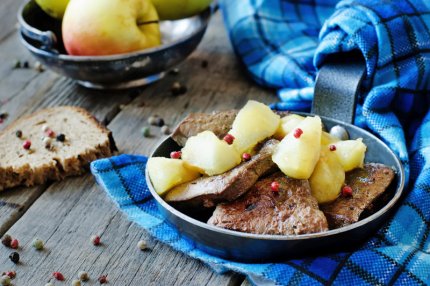
1. Chicken liver with apples and caramelized onions
The combination of liver with sweet apples and onions creates a balanced flavor without complex sauces. The apples add a light tartness, and the slow-roasted onions add a natural sweetness.
Ingredients:
chicken liver - 500 g;
onion - 2 pcs.;
sweet and sour apple - 1 large;
butter - 20 g;
oil - 2 tbsp. l.;
dried thyme - ½ tsp;
salt and black pepper - to taste.
Preparation:
Cut the onion into half rings and fry over low heat with a tablespoon of oil for about 10–12 minutes, until soft and golden.
Cut the apple into slices, removing the core.
Add the butter and apples to the onions. Cook for another 3–4 minutes, until the fruit softens slightly but still holds its shape.
Transfer the onions and apples to a plate.
In the same pan, heat the remaining oil and place the prepared liver in a single layer.
Fry on both sides, then reduce the heat and cook until fully cooked.
Return the apples to the onion, add the thyme, salt, pepper and mix gently.
Check the readiness of the liver with a kitchen thermometer: the temperature inside the thickest piece should reach 74 °C.
Serve with: mashed potatoes, bulgur, or baked carrots. Apples with a pronounced acidity that do not turn into puree when heated are especially good.
2. Chicken liver in sour cream sauce with mushrooms
This is one of the most convenient options for a home-cooked dinner. The mushrooms add a rich flavor, and the sour cream creates a delicate sauce that goes well with cereals and potatoes.
Ingredients:
chicken liver - 500 g;
champignons - 250 g;
onion - 1 pc.;
sour cream 15–20% — 150 g;
water or unsalted broth - 100 ml;
oil - 2 tbsp. l.;
flour - 1 tsp. optional;
salt, pepper, parsley - to taste.
Preparation:
Chop the onion, cut the mushrooms into slices.
Fry the onion until translucent, add the mushrooms and cook until the excess moisture evaporates.
Transfer the vegetables to a separate bowl.
In a heated frying pan with a small amount of oil, fry the liver on all sides.
Return the mushrooms and onions, pour in the water or broth.
Add sour cream, mix and simmer over low heat until the liver is fully cooked.
If the sauce is too thin, add a teaspoon of flour, previously mixed in a small amount of cold water, and heat briefly.
Do not bring the sour cream sauce to a prolonged, violent boil: it may separate.
Cooking tip: For a more pronounced flavor, you can add a little Dijon mustard. It goes well with mushrooms and sour cream, but should not dominate the main ingredients.
3. Homemade chicken liver and carrot pate
Homemade liver pate is suitable for breakfasts, sandwiches, and holiday snacks. Its advantage is the ability to independently adjust the amount of butter, vegetables, and spices.
Ingredients:
chicken liver - 500 g;
carrot - 1 medium;
onion - 1 large;
butter - 70 g;
oil - 1 tbsp. l.;
water - 100 ml;
bay leaf - 1 pc.;
salt, pepper, nutmeg - to taste.
Preparation:
Grate the carrots on a large grater, finely chop the onion.
Fry the vegetables in oil until soft.
Add the prepared liver, fry lightly and pour in the water.
Add a bay leaf, cover and simmer until the liver is fully cooked.
Remove the bay leaf. Let the mixture cool slightly.
Add the butter and blend everything with a blender until smooth.
Season with salt, pepper and a pinch of nutmeg.
Transfer the pate into small containers and chill quickly in the refrigerator.
For pâté, it is especially important to bring the liver to a safe internal temperature of 74 °C before mincing.
The secret to a tender texture: chop the liver with the juices left after braising. If the mixture is too thick, add the liquid in small portions.
Homemade pâté is best prepared in small portions and consumed within 2–3 days if stored in the refrigerator at a temperature of up to 4 °C.
4. Delicate liver pancakes with oatmeal
Liver pancakes are a convenient way to prepare a dish with a uniform consistency. The oatmeal helps to hold its shape and absorbs some of the moisture.
Ingredients:
chicken liver - 400 g;
egg - 1 pc.;
small oatmeal - 50 g;
onion - 1 small;
sour cream - 1 tbsp. l.;
oil for frying;
salt, pepper - to taste.
Preparation:
Grind the prepared liver and onion with a blender until smooth.
Add egg, sour cream, salt and pepper.
Add the oatmeal and mix.
Leave the mixture in the refrigerator for 10–15 minutes to allow the flakes to swell.
Spoon small portions into a frying pan with moderately hot oil.
Fry on both sides until golden brown, then check for doneness in the center of the thickest pancake.
The small size allows the fritters to cook more evenly. However, a golden crust does not guarantee that the raw liver inside has reached a safe temperature.
What to serve with: natural yogurt, greens, cucumber salad, or stewed vegetables.
If desired, some of the oatmeal can be replaced with flour, but then the texture will be denser.
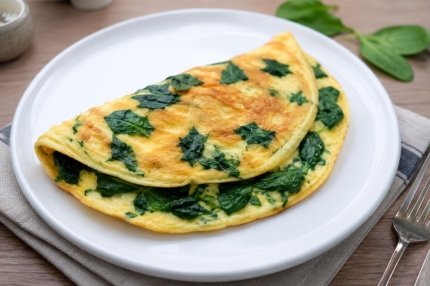
5. Pasta with chicken liver, spinach and cream
Chicken liver can be the basis for a quick pasta with a rich, creamy flavor. Spinach adds freshness, and a little hard cheese makes the sauce more expressive.
Ingredients:
chicken liver - 400 g;
pasta - 250 g;
fresh spinach - 100 g;
cream 15–20% - 150 ml;
onion - 1 pc.;
garlic - 1 clove;
hard cheese - 30 g;
oil - 1 tbsp. l.;
salt and pepper - to taste.
Preparation:
Boil the pasta according to the instructions on the package.
In a frying pan, fry the finely chopped onion and garlic.
Add the liver pieces and fry on all sides.
Pour in the cream and cook over moderate heat until the liver is fully cooked.
Add the spinach and heat until the leaves reduce in volume.
Transfer the pasta to the pan, add a little water after it has cooked, and stir.
Sprinkle with grated cheese and serve hot.
Fusilli, penne, or farfalle are good for this recipe: the sauce stays on their surface and in the indentations.
If you want a thicker consistency, use less water after cooking the pasta rather than increasing the amount of flour.
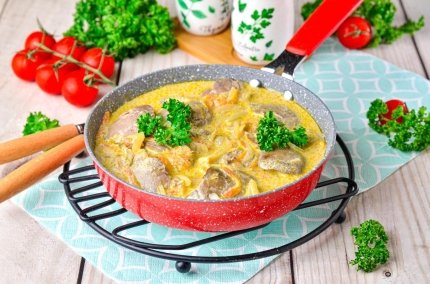
6. Warm salad with chicken liver and baked pumpkin
The pumpkin has a natural sweetness that nicely balances the rich flavor of the liver. The leafy greens, seeds, and mustard dressing make the dish texturally interesting.
Ingredients:
chicken liver - 400 g;
pumpkin - 400 g;
arugula or a mixture of salad leaves - 80 g;
pumpkin seeds - 2 tbsp. l.;
oil - 2 tbsp. l.;
Dijon mustard - 1 tsp;
lemon juice - 1 tbsp. l.;
honey - ½ tsp. optional;
salt and pepper - to taste.
Preparation:
Cut the pumpkin into small cubes, drizzle with oil and bake at 200 °C for about 20–25 minutes until soft.
Fry the prepared liver in a pan, and then cook until fully cooked.
Mix the mustard, lemon juice, remaining oil, and honey.
Place washed and dried lettuce leaves on a plate.
Add warm pumpkin and cooked liver.
Pour over the dressing, sprinkle with pumpkin seeds.
Dress the salad just before serving. If you add the dressing too early, the leafy greens will quickly lose their elasticity.
Culinary nuance: for a more pronounced contrast, you can add a few thin slices of fresh apple or some pomegranate seeds.
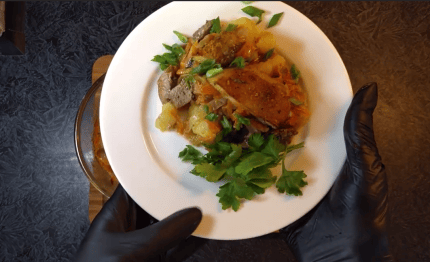
7. Buckwheat casserole with chicken liver and vegetables
Buckwheat casserole is a practical option for a family dinner. The groats absorb the juices of the vegetables and liver, and all the ingredients form a hearty dish that is convenient to divide into portions.
Ingredients:
chicken liver - 500 g;
buckwheat groats - 180 g;
carrot - 1 pc.;
onion - 1 pc.;
sweet pepper - 1 pc.;
water or broth - 400 ml;
oil - 2 tbsp. l.;
salt, pepper, dried garlic - to taste.
Preparation:
Rinse the buckwheat and boil until half cooked.
Chop the onion, carrot, and bell pepper and lightly fry.
Cut the liver into approximately equal pieces.
Mix buckwheat with vegetables, add seasonings.
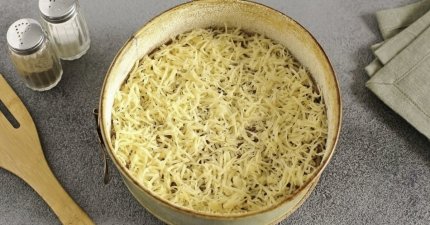
Transfer the mixture to a baking dish, and spread the liver on top.
Pour in water or broth, cover the dish with foil.
Bake at 180°C for approximately 25–35 minutes, checking the liver for doneness.
If necessary, remove the foil at the end and let the excess liquid evaporate.
The exact time depends on the depth of the pan, the size of the pieces, and the characteristics of your oven. Check the temperature of the liver at the thickest part before serving.
For a juicier casserole, you can add a few spoons of sour cream to the buckwheat mixture.
How to make chicken liver tender and juicy
The biggest challenge when cooking liver is getting a nice consistency without overdrying it.
Chicken liver has a delicate structure and relatively small pieces, so it reacts quickly to temperature changes.
How to properly fry liver in a pan
When frying, it is important to follow a few rules.
Do not overcrowd the pan. If you put a lot of liver at once, the surface temperature will drop sharply. The product will begin to actively release moisture and stew instead of frying.
Use a moderately high heat at the beginning. This will help to form an appetizing crust. After that, the temperature can be reduced so that the liver cooks evenly inside.
Don't rely solely on time. Small pieces cook faster than large ones. Even the same amount of liver can take different amounts of time depending on the pan and the power of the stove.
Don't leave the liver on the heat longer than necessary. Once it reaches a safe temperature, continuing to heat it will gradually deteriorate the texture.
How long to fry or stew chicken liver
The time frames given are indicative and not a guarantee of readiness.
| Cooking method | Approximate time |
| Frying in small pieces | 8–12 minutes |
| Stewing in sauce | 12–20 minutes |
| Steam cooking | 15–20 minutes |
| Baking in the oven | 20–30 minutes |
| Boiling in water | 12–20 minutes |
Readiness depends on the size of the pieces, the initial temperature of the product, and the intensity of heating.
A reliable indicator of safe cooking is a temperature of at least 166°F (74°C) inside the liver, measured with a food thermometer. The color and clarity of the juice do not provide the same accuracy.
What spices and foods go best with chicken liver?
The taste of chicken liver is quite rich, so additional ingredients should balance it out, not completely cover it.
The following combinations are suitable for various culinary tasks:
| Desired taste | Good ingredients |
| Delicate, creamy | Sour cream, cream, butter |
| Rich, mushroom | Mushrooms, onion, thyme |
| Sweetish | Carrots, apples, pumpkin |
| Spicy | Garlic, nutmeg, black pepper |
| Fresh, with a hint of sourness | Arugula, lemon juice, mustard |
| With oriental notes | Ginger, soy sauce, sesame |
It's best to use a small amount of spices for the first time. If you add too much nutmeg, garlic, or smoked paprika, the natural flavor of the liver can be lost.
Onions deserve special attention. Slow frying until golden brown makes them sweeter, so they are a particularly good complement to liver dishes.
Why does chicken liver turn out tough or bitter?
Sometimes, even with the correct recipe, the finished liver has a dry, crumbly consistency or an unpleasant aftertaste.
Major mistakes
Excessive cooking time. After sufficient heat treatment, further heating leads to moisture loss and protein compaction.
Uneven cutting. Small pieces may dry out before larger pieces are cooked.
The pan is not heated enough. In this case, the liver releases a lot of liquid, and the crust forms slowly.
Bile residue. The greenish areas can have a sharp bitter taste that is difficult to mask with sauces.
Poor quality product. An unpleasant odor or signs of spoilage cannot be corrected with spices or soaking.
If the liver has already become dry, it will not be possible to restore its original juiciness. However, fully cooked pieces can be finely chopped and added to a sauce or used for pâté.
What are the benefits of chicken liver and who should limit its consumption?
Chicken liver contains complete protein, iron, vitamin B12, folate, and other nutrients.
It is particularly notable for its high content of ready-made vitamin A, retinol. This substance is necessary for normal vision, the functioning of the immune system, and maintaining the health of the skin and mucous membranes.
However, too much retinol can be harmful. That is why liver should not be included in your daily diet.
The UK's National Health Service recommends that you eat liver and liver products no more than once a week. Pregnant women are advised to avoid liver due to its high vitamin A content, excess of which can harm the developing fetus.
You also need to consider the total intake of retinol from dietary supplements.
Despite its high iron content, liver is not a universal treatment for anemia. The causes of iron deficiency and the appropriateness of dietary changes are determined individually.
The material is for informational purposes only. Before using food products for medicinal purposes, you should consult a doctor. Self-medication can be harmful to your health.
How to properly store raw and cooked chicken liver
By-products require particularly careful temperature control.
Raw chicken liver should be stored in the refrigerator at a temperature of up to 4 °C, preferably for no longer than 1–2 days, taking into account the expiration date on the package.
If you don't plan to cook it soon, it's better to freeze it.
Basic storage rules
Keep raw liver in a closed container on the bottom shelf of the refrigerator, separate from ready-to-eat foods.
Defrost in the refrigerator, not on the kitchen counter.
After defrosting in cold water or in the microwave, cook the product immediately.
Refrigerate ready-made meals within two hours of cooking, distributing large portions into shallow containers for quick cooling.
Most prepared liver dishes should be stored for no longer than 3–4 days, if properly refrigerated. A shorter period is advisable for homemade pâtés.
If a food has an unusual odor, noticeable surface changes, or other signs of spoilage, it should not be consumed. However, the absence of such signs does not guarantee the safety of the product after improper storage.
Conclusion
Chicken liver is suitable for a much wider range of dishes than traditional liver with onions. You can use it to make a delicate pâté, juicy pancakes, creamy pasta, a warm salad, or a full-fledged casserole.
The best results come from a quality product, proper preparation, well-chosen ingredients, and temperature control. Then the liver will have a pleasant texture and the finished dish will have a balanced flavor.
FAQ: Frequently asked questions about cooking chicken liver
What can you quickly make with chicken liver for dinner?
The simplest options are chicken liver with onions and apples, stewed liver with sour cream, or pasta with a creamy sauce. These dishes can usually be prepared in about 20–30 minutes. It is important to consider the size of the pieces and check their complete readiness.
How to cook chicken liver so that it is soft?
Cut the liver into approximately equal pieces, remove excess surface moisture and fry in small batches. Once a crust has formed, reduce the heat and cook to an internal temperature of 74 °C. Do not continue to heat unnecessarily.
Do you need to boil chicken liver before frying?
No, pre-cooking is not necessary. Chicken liver can be fried, stewed, or baked immediately. The main thing is to ensure sufficient heat treatment inside the pieces.
How to remove bitterness from chicken liver?
The product should be carefully inspected and any parts that may have been exposed to bile should be removed. Soaking in milk is sometimes used to soften the taste, but it does not eliminate the effects of severe bile contamination or correct a spoiled product.
What can you make with chicken liver, besides pate?
You can make liver fritters, pasta with mushrooms, a warm salad, a buckwheat casserole, or stewed liver with vegetables. Portion appetizers with fully cooked liver and creamy sauces are suitable for a festive table.
Can you cook chicken liver in the oven?
Yes. Liver can be baked with vegetables, cereals or sauce. Usually, an oven temperature of about 180–200 °C is used. The time depends on the thickness of the layer of products and the size of the pieces. Readiness is determined with a food thermometer.
Can I freeze homemade liver pate?
Yes, fully cooked pâté can be frozen in small portions in airtight containers. After defrosting, its consistency sometimes becomes less uniform, especially if it contains a lot of cream or butter. It should be defrosted in the refrigerator.
What side dish goes best with chicken liver?
Mashed potatoes, buckwheat, rice, and bulgur go well with liver in a creamy or sour cream sauce. If the liver is cooked with apples or caramelized onions, it can be served with baked vegetables. For a lighter meal, a salad with fresh herbs is suitable.
Why does chicken liver become dry after frying?
This is most often the result of excessive heating. During prolonged heat treatment, the proteins become denser and the product loses moisture. To avoid this, control the size of the pieces, the temperature of the pan and the moment of full readiness.
Can you eat chicken liver if it's pink inside?
Color alone is not a reliable indicator of safety. Even partially pink liver can sometimes be sufficiently cooked, while brown on the outside may remain undercooked on the inside. The most reliable criterion is an internal temperature of at least 74 °C, measured with a food thermometer.

