

A strong desire to eat chocolate, cookies, or dessert often doesn't come about because the body "needs sugar." It can be caused by simple hunger, an insufficiently filling previous meal, a habit of snacking on sweets, stress, lack of sleep, or a combination of several factors.
Points of attention
- A craving for sweets does not always mean a need for sugar; the diet should be satisfying and balanced.
- Protein and fiber help control appetite and fill the body, reducing cravings for sweets.
- Natural products like fruits, berries, dairy products, and nuts can be an alternative to sweets and desserts.
Therefore, the most effective replacement for sweets is not necessarily a sugar-free product. It is much more important that the food gives a feeling of satiety. To do this, it is useful to combine protein, fiber and fats, and if you want a sweet taste, add fruits or berries.
We analyze why we crave sweets, what we can eat instead of candy, and which foods are more convenient to keep at home or at work.
The material is for informational purposes only. Self-medication can be harmful to health. If you experience persistent changes in appetite, illness, or other symptoms, you should first consult a doctor.
Why do you always crave sweets?
Craving for a specific food is a more complex phenomenon than physiological hunger. A person can be relatively full and still crave chocolate, ice cream, or pastries.
The reasons for this desire are different.
You are just hungry
If a long time has passed between meals, it is natural to want to get a quick source of energy. At this point, a chocolate bar or a cookie seems especially tempting.
The problem often lies not in a love of sweets, but in the fact that the previous meal was too small or consisted mainly of foods that do not satiate well.
Low in protein and fiber in the diet
Protein affects satiety. Meta-analyses of controlled trials suggest that higher protein intake at a single meal may reduce hunger and increase satiety, although the long-term effect depends on the overall diet.
Fiber is also important for appetite control. It is found in fruits, vegetables, legumes, whole grains, nuts, and seeds and helps make your diet more filling.
That's why an apple with a handful of nuts is usually more filling than apple juice, and natural yogurt with berries is better than a sugary drink.
You didn't get enough sleep.
Eating can be more difficult to control after a bad night. Studies have linked sleep restriction to increased energy intake and greater cravings for high-calorie foods. However, recent reviews show that the mechanisms are complex and not all changes in eating can be explained solely by hunger hormones.
Therefore, the situation “I didn’t get enough sleep — I want coffee and cookies all day” has a very real physiological basis.
The habit worked.
If you drink coffee with chocolate every day at 3:00 PM, after a while the desire for dessert may arise automatically at about the same time.
The same goes for watching TV shows with sweets, having dessert after every dinner, or buying a chocolate bar on the way home from work.
In such a situation, it is useful to change the scenario itself, rather than simply forbidding yourself from sugar.
Do you need to completely give up sugar?
No. For a healthy person, there is no need to eliminate all sugary foods from their diet.
It is important to distinguish between natural sugars in whole fruits or dairy products and free sugars that are added to sweets, drinks, syrups and many prepared foods.
The World Health Organization recommends limiting free sugars to less than 10% of total energy intake, and further reductions to below 5% may have additional health benefits. The WHO also includes sugars in honey, syrups, and fruit juices as free sugars.
So, honey, date syrup, or coconut sugar do not turn a dessert into a product that can be eaten without restrictions.
10 foods to try when you're craving something sweet
No product is guaranteed to "turn off" your cravings for sweets in a few minutes. It's more practical to choose foods that both taste good and help you feel full.
1. Greek yogurt with berries
Plain Greek yogurt with no added sugar is a convenient base for a sweet snack. It contains protein, and berries add natural sweetness and fiber.
For greater satiety, you can add:
strawberries, raspberries, blueberries or currants;
a teaspoon of chia seeds;
a small portion of nuts;
cinnamon;
apple or pear slices.
Pay attention to the composition of ready-made fruit yogurts: some of them contain a significant amount of added sugar.
2. Apple or pear with nuts
The fruit satisfies the sweet tooth, and the nuts add fat, protein, and fiber.
A practical snack option: an apple plus a small handful of almonds, walnuts, or hazelnuts.
This combination is especially convenient at work, on the go, or when there are still a few hours until the next full meal.
Whole fruit is usually a better choice for satiety than juice: it retains fiber and takes longer to eat.
3. Sour milk cheese with fruit
Sour milk cheese is high in protein and goes well with sweet foods.
You can add banana, peach, apple, berries or a little cocoa to it. If the consistency seems too dry, you can make it creamier with natural yogurt.
This snack is appropriate in a situation where you want chocolate or cookies because you are really hungry. Protein food is usually more filling than a small portion of a quick dessert.
4. Banana with peanut or almond spread
A ripe banana has a distinctly sweet flavor, so it can be an alternative to dessert. The nut paste adds fat and a little protein.
An important nuance is the composition of the paste. The simplest version contains mostly peanuts or other nuts without a lot of added sugar.
Nut butter is high in calories, so a small portion is enough. Its purpose is to make the fruit more filling, not to turn the snack into a few hundred extra calories.
5. Oatmeal with berries and cinnamon
Oatmeal can be a good option when you want something sweet after or instead of a too-light breakfast.
Oatmeal contains fiber. To make the porridge more filling, you can add a source of protein and fat to it:
natural yogurt;
milk;
nuts;
seed;
sour milk cheese.
Berries, an apple, or a banana provide a sweet taste without having to pour in a few spoonfuls of sugar.
6. Dark chocolate in moderation
Sometimes the best answer to a chocolate craving is chocolate itself.
Trying to replace two small pieces of dessert with several different "diet" products sometimes ends up with the person eating the desired dessert after them anyway.
Dark chocolate with a high cocoa content has a richer flavor, so a small amount may be enough. But the word "dark" does not mean low-calorie: chocolate remains an energy-dense product.
A practical combination is a few pieces of chocolate with berries, fruit, or nuts.
7. Chia pudding without a lot of added sugar
Chia seeds have the ability to absorb liquid and form a thick, dessert-like consistency. They contain fiber, fat, and some protein.
For a basic option, simply mix chia with milk or an unsweetened plant-based drink and leave the mixture in the refrigerator for a few hours.
The taste can be supplemented with:
berries;
banana;
cocoa;
vanilla;
cinnamon;
a small amount of nuts.
Ready-made dessert versions with a lot of syrup can contain so much sugar that the benefits of such a snack are significantly reduced.
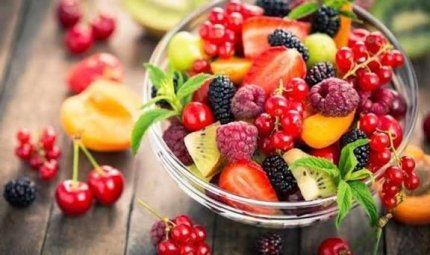
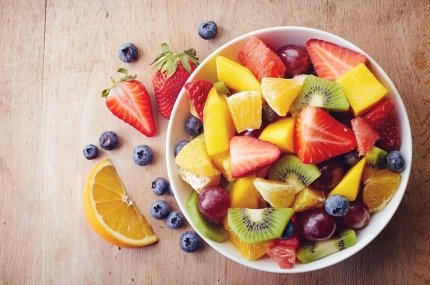
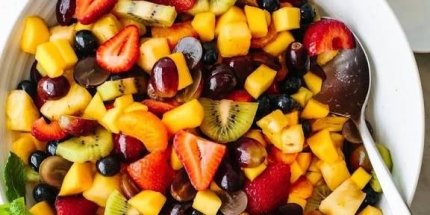
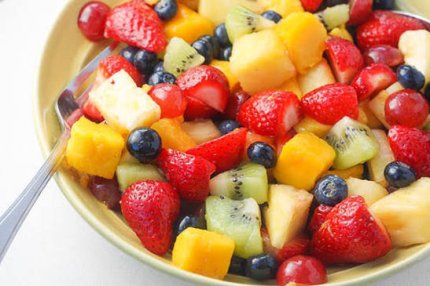
8. Fruits and berries
When you want a sweet taste, the easiest option is fruit.
Apples, pears, oranges, tangerines, kiwi, peaches, plums, bananas, and berries can be used as a regular part of a balanced diet.
Don't be afraid of fruit just because it contains fructose. Whole fruit contains water, fiber, and various micronutrients, so its nutritional profile is fundamentally different from that of candy or a sugary drink.
If one fruit is not enough to fill you up, it is better to combine it with yogurt, cheese or nuts.
9. Dates or other dried fruits with nuts
Dried fruits have a concentrated sweet taste and can be convenient if you're craving sweets.
At the same time, a significant portion of the water has been removed from them, making them compact and energy-dense. Eating 100 grams of dried fruit is much easier than eating an equivalent amount of fresh fruit.
Therefore, it is better to use them in small portions. For example, one or two dates can be combined with a few nuts.
You should also check the composition: manufacturers add sugar or syrup to some dried fruits.
10. Natural kefir or yogurt with cocoa and banana
When you want a milkshake, ice cream, or a creamy dessert, you can make a thick drink from a natural fermented milk product, banana, and unsweetened cocoa.
This option contains protein and gives a sweet taste without the need to add a large amount of syrup.
If you want a thicker texture, you can freeze the banana first. The drink will then resemble a cold dessert more.
What is the best thing to eat to reduce cravings for sweets?
Constantly looking for a “sweets substitute” is less effective than reviewing your main meals.
A conventional plate, after which satiety lasts longer, may contain:
source of protein - eggs, fish, meat, cottage cheese, legumes, tofu;
vegetables or another source of fiber;
cereals, potatoes, whole grain bread or other source of carbohydrates;
moderate amounts of fats — olive oil, avocado, seeds or nuts.
If breakfast consists of coffee and a sweet bun, you may feel very hungry within a few hours. An omelet with vegetables and bread, oatmeal with yogurt and berries, or cottage cheese with fruit usually provide a much more complete meal.
What is better not to replace sweets
Labeling "fitness," "without white sugar," "natural," or "with honey" in itself says nothing about the nutritional value of the product.
"Healthy" bars
Dates, honey, agave syrup, and fruit concentrates remain sources of sugar. A nut and dried fruit bar can be a convenient snack, but it shouldn't automatically be considered a low-calorie dessert.
Juices and smoothies instead of fruit
A drink is consumed faster than a similar amount of whole foods. To control hunger, it is often more beneficial to eat fruit rather than drink it.
This is especially true for juices that are low in fiber.
Honey instead of sugar without restrictions
Honey may differ in taste and composition from table sugar, but it is also a source of free sugars in WHO recommendations.
Therefore, replacing three tablespoons of sugar with three tablespoons of honey does not solve the issue of the amount of sweets in the diet.
Regular products with sweeteners
A sugar-free drink or dessert may help reduce sugar intake in a specific situation, but that doesn't make any such product automatically beneficial.
You need to evaluate the entire composition, portion size, and overall diet.
What to do if you really want something sweet right now
Instead of a strict ban, a simple algorithm can be used.
First, determine when you last ate properly. If it's been a few hours and you're physically hungry, it's better to eat a full snack or meal rather than trying to satisfy your appetite with tea.
If you have recently eaten but are craving a specific flavor, a small portion of your desired dessert can also be a normal part of your meal.
If you regularly crave sweets in the evening, it's worth looking at your entire day. Often, a person tries to eat as little as possible throughout the day, but in the evening they are faced with severe hunger and a desire to quickly get high-calorie food.
Sleep should be assessed separately. Sleep deprivation has been associated with changes in eating behavior and higher energy intake in experimental studies.
When a strong craving for sweets needs attention
A love of desserts in itself is not a sign of illness.
However, sudden or persistent changes in appetite should not be attributed solely to “sugar addiction,” especially if other symptoms occur at the same time.
For example, increased hunger along with intense thirst, frequent urination, unexplained weight loss, severe fatigue, or vision problems are possible symptoms of impaired glucose metabolism and require medical evaluation.
It is also advisable to consult a doctor if hunger pangs are accompanied by weakness, tremors, dizziness, or other unusual symptoms.
Conclusion
To reduce your cravings for sweets, you don't have to declare sugar a forbidden food. It's much more important to understand the reason for your desire for dessert.
If it's hunger, filling foods with protein, fiber, and fat help. If you're craving a sweet treat, fruits, berries, natural yogurt, cottage cheese, or a small portion of chocolate can be practical options.
Strong cravings for sweets are also often linked to your daily routine: eating too small meals, taking long breaks, and not getting enough sleep. Therefore, the best strategy is not to find one “magic” food, but to follow a diet that doesn’t leave you constantly struggling with hunger.
FAQ
What is missing in the body if you constantly crave sweets?
Cravings for sweets are not a reliable way to determine a deficiency in a specific vitamin or mineral. Common causes are much simpler: hunger, habit, an insufficiently nutritious diet, stress, or lack of sleep.
What to eat instead of sweets in the evening?
Natural yogurt with berries, cottage cheese with fruit, an apple with nuts, or a banana with a small amount of nut butter are all good options. If you are really hungry, it is better to eat a full meal.
What fruits are best to eat when you crave something sweet?
Almost any whole fruit: apples, pears, bananas, oranges, tangerines, kiwi, peaches or berries. The choice of a specific type is less important than the overall structure of the diet.
Can you eat bananas if you want to lose weight?
Yes. Bananas can be part of a weight-management diet. Weight loss depends on overall energy balance and eating habits, not on eliminating one specific fruit.
Is it healthier to eat honey instead of sugar?
Honey contains some additional substances, but it remains a source of free sugars. It makes no sense to replace sugar with it in unlimited quantities.
Can you eat chocolate every day?
A small portion of chocolate can fit into a balanced diet. The amount, total calorie content of the food, and the intake of added and free sugars throughout the day are important.
Why do I always crave sweets after dinner?
The reason may be the habit of ending a meal with dessert. Sometimes the meal is not filling enough or the person simply expects the usual taste "finale". It is worth assessing the composition of the meal itself and the regularity of such behavior.
Why do you crave sweets more after lack of sleep?
Insufficient sleep can affect eating behavior, the brain's reward system, and energy expenditure. In studies, people were more likely to choose high-calorie foods and snacks after sleep restriction, although individual responses vary.
Does protein help you crave sweets less?
Protein can increase satiety and reduce hunger after meals. However, it is not a specific “anti-sugar” drug. A balanced diet with protein, fiber, carbohydrates, and fats provides the best results.
Do you need to completely eliminate sweets to stop craving them?
For most healthy people, this is not necessary. Overly strict restrictions will not guarantee that dessert cravings will disappear. It is more practical to control portions, the amount of free sugars, and the quality of the diet in general.
undefined

